




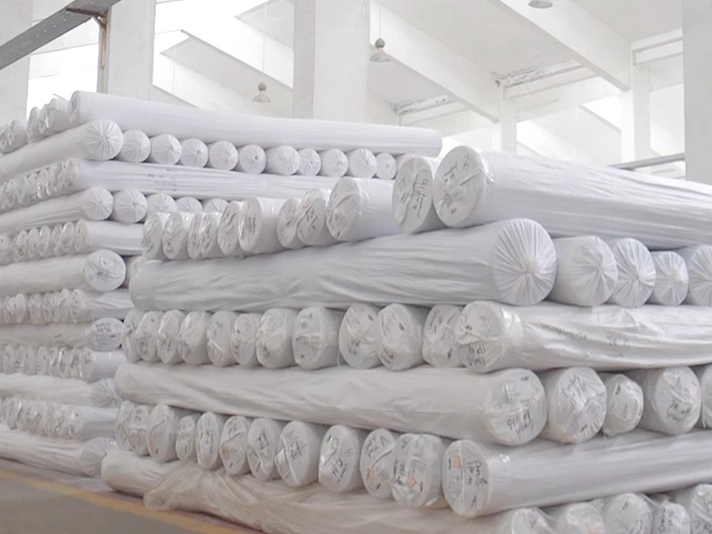

Selecting the right partners for high-volume textile procurement is a critical decision for hoteliers, healthcare facility managers, and home textile distributors. The balance between guest comfort, fabric longevity, and procurement costs determines the operational efficiency of any hospitality or medical entity. This guide examines the technical and commercial frameworks required to identify and vet professional wholesale bedding suppliers that can support large-scale operations.
In the B2B textile landscape, the challenge lies in maintaining consistency across thousands of units while adhering to strict hygiene and safety regulations. From the selection of Percale weaves to the implementation of Oeko-Tex standards, every detail impacts the lifecycle of the product. Professional procurement requires a deep understanding of how material blends—such as cotton-polyester ratios—affect both the tactile experience of the end-user and the long-term maintenance costs for the owner.
Readers will discover how to evaluate manufacturing capabilities, interpret technical specifications like TC (Thread Count) and yarn counts, and assess the risks associated with supply chain volatility. By shifting the focus from initial purchase price to total lifecycle value, procurement officers can secure a reliable flow of high-performance bedding that minimizes replacement rates and maximizes user satisfaction.
Strategic Sourcing in the Bedding Industry
The commercial bedding sector operates on a high-turnover model where durability is as important as aesthetics. For entities managing hundreds of rooms, the "cost-per-wash" becomes the primary metric of success. Strategic sourcing involves moving beyond simple catalogs to analyze the vertical integration of the manufacturer. A vertically integrated company, owning multiple automated factories, can better control the quality of the fabric from the yarn stage to the final stitch, reducing the risk of batch-to-batch inconsistency. For instance, the ability to manage over 126,000 sheet sets per month indicates a capacity for scale that protects the buyer from sudden shortages. Furthermore, the integration of strict production and quality control systems ensures that specifications—such as 2-inch top hems for flat sheets—are maintained across every single unit, which is vital for standardized housekeeping operations in luxury hotels and hospitals.
Evaluation Criteria for Commercial Bedding Procurement
Evaluating a supplier requires a multi-dimensional approach that blends technical fabric analysis with commercial risk assessment. The following seven dimensions provide a comprehensive framework for vetting potential partners to ensure they meet the rigorous demands of institutional use.
Material Composition and Durability
The choice of material dictates the product's lifespan and breathability. While 100% cotton is prized for luxury, a blend—such as 60% cotton and 40% polyester—is often the superior choice for hospitality supplies due to its high cost-performance ratio. These blends offer the softness of cotton with the wrinkle-resistance and durability of polyester, allowing the fabric to withstand frequent industrial laundering without significant degradation. For specialized environments, materials like bamboo, linen, or silk may be required, necessitating a supplier with a diverse fabric expertise to assist in material selection based on the specific climate and user demographic.
| Material Blend | Primary Strength | Typical Application | Maintenance Level |
|---|---|---|---|
| 60% Cotton / 40% Poly | High Durability/Cost Ratio | Mid-to-High End Hotels | Low (Wrinkle Resistant) |
| 100% Long-staple Cotton | Maximum Breathability | Luxury Resorts | High (Prone to Wrinkle) |
| Bamboo Blends | Hypoallergenic/Eco-friendly | Wellness Spas/Hospitals | Medium |
| Microfiber | Rapid Drying/Low Cost | Budget Accommodations | Very Low |
| Linen Blends | High Thermal Regulation | Boutique Eco-Hotels | Medium |
| Silk Blends | Premium Texture | Ultra-Luxury Suites | Very High |
Thread Count and Weave Technicalities
Thread count (TC) is often misunderstood as a sole indicator of quality. In reality, the weave and yarn count (e.g., 4040s) are equally important. A Percale weave, known for its matte finish and crisp feel, is highly recommended for hoteliers seeking a clean, professional look. A 200TC Percale sheet provides an optimal balance of lightness and strength, ensuring the fabric remains breathable in warmer climates while maintaining enough density to prevent premature tearing. Buyers should verify that the TC is an honest representation of the weave density rather than an inflated marketing figure.
Operational Laundry Compatibility
Institutional bedding must be designed for industrial washing machines and high-heat dryers. Technical details, such as elastic overlock around the four sides of fitted sheets, prevent the sheets from slipping during the washing cycle and simplify the bed-making process for staff. Additionally, the use of color-coded hem lines allows housekeeping teams to distinguish between different sheet sizes (King, Queen, Twin) instantly, reducing errors in room setup and improving operational speed.
Certification and Safety Standards
In B2B procurement, certifications are the only objective way to verify safety and environmental claims. Oeko-Tex Standard 100 is the global benchmark, ensuring the textiles are free from harmful substances. SGS certification further validates the physical properties and quality consistency of the goods. For healthcare providers, these certifications are non-negotiable as they directly impact patient safety and compliance with health regulations. A supplier that proactively holds these certifications demonstrates a commitment to international quality management.
Customization and OEM Capabilities
Generic products rarely fit the specific brand identity of a luxury hotel or the technical requirements of a specialized clinic. The ability to offer 100% custom fabrics and OEM/ODM services is a hallmark of a professional manufacturer. This includes customizing the size to fit non-standard mattresses, selecting specific brand colors for hem lines, or developing unique fabric blends. A partner capable of managing the entire process—from fabric expertise to custom packaging (e.g., 6pcs/PE bag)—allows the buyer to streamline their inventory management.
Supply Chain Reliability and Lead Times
The cost of a stock-out in the hospitality industry is measured in lost revenue and guest dissatisfaction. Reliability is therefore more valuable than a slightly lower unit price. A supplier with a professional management system that guarantees over 98% on-time or early delivery provides the stability necessary for lean inventory strategies. Buyers should look for manufacturers with extensive trade show histories (such as regular presence at the Canton Fair or Heimtextil), as this indicates a stable business entity with global shipping experience and transparent operations.
Total Cost of Ownership Analysis
The cheapest sheet is often the most expensive over time if it requires replacement every six months. Total Cost of Ownership (TCO) considers the initial purchase price, the frequency of replacement, and the energy cost of laundering. High-performance hospitality supplies, designed to withstand multiple washings, lower the TCO by extending the product lifecycle. When evaluating quotes, procurement officers should ask for the expected wash-cycle lifespan and the shrinkage rate of the material to calculate the true long-term investment.
FAQ
What is the ideal material for high-turnover hotel bedding?
For high-turnover environments, a blend of 60% cotton and 40% polyester is generally ideal. This combination provides the comfort and breathability of cotton while leveraging polyester's strength and wrinkle resistance. This results in a product that maintains a professional appearance with less ironing and withstands the rigors of industrial laundering better than 100% cotton.
Why is Percale weave preferred for commercial use?
Percale is a plain weave that creates a crisp, matte finish and a breathable fabric. In a commercial setting, this "cool" feel is highly appreciated by guests. Technically, the tight, simple weave of Percale is more durable and less prone to snagging than sateen weaves, making it a practical choice for hotels that prioritize both a clean aesthetic and long-term durability.
How do I verify if a bedding supplier is reliable for large orders?
Check for three key indicators: vertical integration (owning their factories), international certifications (Oeko-Tex Standard 100, SGS), and a proven track record of on-time delivery (e.g., a 98% success rate). Additionally, look for a company with a history of exhibiting at major global trade fairs, which suggests they have the infrastructure to handle international logistics and quality standards.
What are the benefits of using color-coded hems on sheets?
Color-coded hems serve as a visual shorthand for housekeeping staff to identify sheet sizes (e.g., red for King, blue for Queen) without having to unfold the fabric. This significantly reduces the time spent on bed-making and eliminates the risk of placing the wrong size sheet on a bed, thereby increasing operational efficiency in large-scale facility management.
Does a higher thread count always mean better quality?
Not necessarily. While TC indicates the number of threads per square inch, the quality of the yarn (yarn count) and the type of weave are more critical for durability. An excessively high TC can actually make a fabric less breathable and heavier to wash. For commercial hospitality, a 200TC to 300TC range is often the "sweet spot" for durability and comfort.
Can I request custom sizes for specialized mattresses?
Yes, professional manufacturers offering OEM and ODM services can customize dimensions to fit any specific mattress size. This is common for boutique hotels with custom furniture or hospitals with specialized medical beds. It is recommended to provide the exact mattress depth to ensure the elastic overlock of the fitted sheets provides a secure fit without sagging.
References and further reading
- Oeko-Tex Standard 100: Global textile certification for harmful substances.
- Hospitality Textile Management: Best practices for laundry and lifecycle extension.
- International Standards for Percale and Sateen weave constructions in commercial linens.
 English
 Afrikaans
 Albanian
 Amharic
 Arabic
 Armenian
 Azerbaijani
 Basque
 Belarusian
 Bengali
 Bosnian
 Bulgarian
 Catalan
 Cebuano
 China
 Corsican
 Croatian
 Czech
 Danish
 Dutch
 Esperanto
 Estonian
 Finnish
 French
 Frisian
 Galician
 Georgian
 German
 Greek
 Gujarati
 Haitian Creole
 Hausa
 Hawaiian
 Hebrew
 Hindi
 Miao
 Hungarian
 Icelandic
 Igbo
 Indonesian
 Irish
 Italian
 Japanese
 Javanese
 Kannada
 Kazakh
 Khmer
 Rwandese
 Korean
 Kurdish
 Kyrgyz
 Lao
 Latin
 Latvian
 Lithuanian
 Luxembourgish
 Macedonian
 Malgashi
 Malay
 Malayalam
 Maltese
 Maori
 Marathi
 Mongolian
 Myanmar
 Nepali
 Norwegian
 Norwegian
 Occitan
 Pashto
 Persian
 Polish
 Portuguese
 Punjabi
 Romanian
 Russian
 Samoan
 Scottish Gaelic
 Serbian
 Sesotho
 Shona
 Sindhi
 Sinhala
 Slovak
 Slovenian
 Somali
 Spanish
 Sundanese
 Swahili
 Swedish
 Tagalog
 Tajik
 Tamil
 Tatar
 Telugu
 Thai
 Turkish
 Turkmen
 Ukrainian
 Urdu
 Uighur
 Uzbek
 Vietnamese
 Welsh
 Bantu
 Yiddish
 Yoruba
 Zulu