




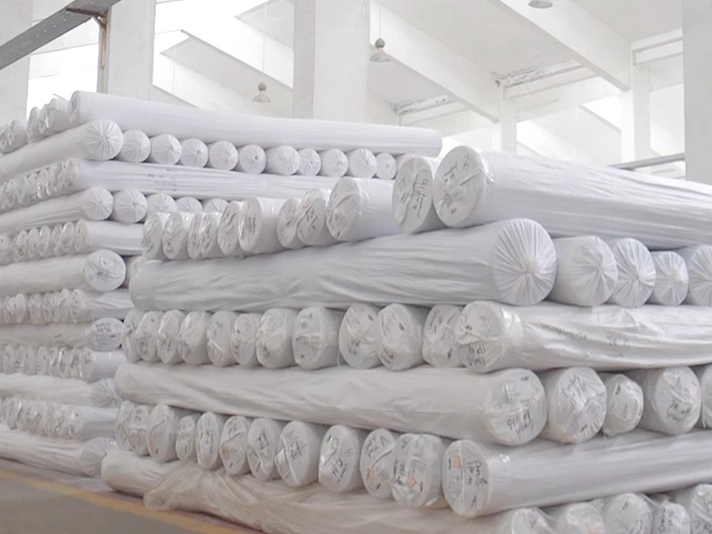
High Quality Commercial Bedding and Wholesale Twin Sheets
Securing high-quality bedding in bulk requires a balance between material breathability, structural durability, and cost-efficiency. For commercial procurement managers in the hospitality and healthcare sectors, selecting the right specifications for twin-sized bedding is critical to ensuring guest comfort and reducing operational replacement costs. Whether sourcing for a boutique hotel or a large-scale medical facility, the focus remains on fabrics that withstand industrial laundering while maintaining a soft, inviting feel.
Our professional textile approach emphasizes vertically integrated manufacturing, ensuring that every set meets rigorous international standards. By focusing on 100% cotton and specialized blends, we provide solutions that address the specific needs of high-turnover environments. From moisture-wicking properties to hypoallergenic certifications, the technical composition of the fabric directly impacts the end-user experience and the longevity of the supply chain.

Analyzing the Technical Requirements for Commercial Bedding Materials
The foundation of premium institutional bedding lies in the selection of raw materials. 100% cotton remains the industry benchmark due to its natural breathability and superior absorbency, which are essential for temperature regulation during sleep. However, the weave construction—such as percale or sateen—determines the final hand-feel and durability. Percale offers a crisp, matte finish that is highly durable for frequent washing, whereas sateen provides a smoother, silkier texture preferred in luxury settings.
Beyond the primary fiber, commercial grade bedding must adhere to strict safety and environmental standards. Certifications such as Oeko-Tex Standard 100 ensure that the textiles are free from harmful substances, making them safe for sensitive skin in hospital or spa environments. The integration of automated manufacturing processes allows for consistent thread counts and precise dimensional stability, preventing the common issue of shrinkage after multiple laundry cycles.
- Material Integrity: Focus on long-staple cotton to reduce pilling and increase tensile strength.
- Breathability: Optimized weave densities to allow airflow, reducing moisture buildup.
- Compliance: Adherence to SGS and Oeko-Tex standards for global export safety.

Optimizing Supply Chain Reliability through Vertical Integration
For B2B buyers, the greatest risk in textile procurement is inconsistency in quality and delivery delays. A vertically integrated manufacturing model mitigates these risks by streamlining every stage from fabric sourcing to final stitching. By owning multiple automated factories, a supplier can maintain strict control over the production timeline, ensuring that bulk orders are processed without relying on third-party intermediaries who may compromise quality standards.
Efficiency in production is not just about speed but about precision. Automated cutting and sewing systems ensure that dimensions are exact, which is particularly important for fitted sheets where a poor fit leads to frequent slipping and guest dissatisfaction. A professional management system governing the production flow enables a high rate of on-time delivery, providing procurement officers with the confidence to maintain leaner inventories without fearing stockouts.
Application Scenarios and Selection Criteria for Different Sectors
Different industries have divergent requirements for their bedding. In the hotel industry, the priority is a "luxury feel" combined with the ability to withstand high-temperature bleaching. In contrast, healthcare facilities prioritize hypoallergenic properties and maximum durability to withstand harsh chemical disinfectants. Understanding these nuances allows buyers to select the appropriate material blend, such as cotton-polyester blends for increased strength or pure bamboo for eco-friendly, antimicrobial needs.
When evaluating a potential partner for wholesale twin sheets, buyers should consider the following criteria:
- Customization Capacity: Ability to provide OEM/ODM services for specific sizes, colors, and branding.
- Production Scale: Monthly capacity to handle large volumes (e.g., 126,000+ sets) without quality degradation.
- Lead Time: The ability to provide fast turnaround times to meet sudden seasonal demand.
- Packaging Options: Secure, individualized packaging (such as 1pc/PP bag) to ensure hygiene during transit.
Institutional Bedding Material Comparison Matrix
| Material Type | Breathability | Durability | Primary Application | Maintenance Level |
|---|---|---|---|---|
| 100% Long-Staple Cotton | High | Medium-High | Luxury Hotels / Spas | Moderate |
| Cotton-Poly Blend | Medium | Very High | Hospitals / Dorms | Low |
| Bamboo Fiber | Very High | Medium | Eco-Resorts / Health Centers | High |
| Microfiber | Low-Medium | High | Budget Lodging | Very Low |
| Pure Linen | High | High | Boutique Bed & Breakfasts | Moderate |
Quality Assurance Frameworks in Large-Scale Textile Production
Maintaining a 98% on-time delivery rate and consistent quality requires a multi-layered inspection framework. Quality control begins with the raw yarn inspection and continues through the weaving and dyeing processes. Every batch must be tested for colorfastness and shrinkage. In a professional environment, Six Sigma methodologies are often applied to reduce variance and eliminate defects before the products leave the factory floor.
The role of third-party certifications cannot be overstated. Oeko-Tex and SGS certifications serve as a global language of trust, verifying that the manufacturing process respects both the end-user and the environment. For companies aiming for sustainability, the use of solar energy and recycled water in the production of cotton robes and linens demonstrates a commitment to ethical manufacturing that resonates with modern corporate social responsibility (CSR) goals.
Future Trends in Commercial Bedding Procurement
The industry is shifting toward "smart textiles" and sustainable sourcing. We are seeing an increased demand for organic cotton and recycled polyester, driven by global initiatives to reduce the carbon footprint of the textile industry. Procurement managers are no longer looking solely at the lowest price point; they are evaluating the total cost of ownership, which includes the product's lifespan and its environmental impact.
Additionally, the trend toward hyper-customization is growing. Buyers now require specific technical modifications, such as antibacterial coatings for medical linens or specialized moisture-wicking weaves for athletic hostels. Suppliers who can offer agile OEM/ODM services and flexible MOQ (Minimum Order Quantities) will be the most competitive in this evolving landscape.
Frequently Asked Questions About Bulk Bedding Procurement
What is the ideal thread count for commercial hotel sheets?
For most mid-to-high range hotels, a thread count between 200 and 400 is ideal. While higher counts feel softer, they can be more prone to wrinkling and may take longer to dry in industrial dryers, increasing operational costs.
How do I ensure the bedding is hypoallergenic for medical use?
Look for suppliers with Oeko-Tex Standard 100 certification. This ensures the fabric is free from harmful chemicals. Additionally, 100% cotton or bamboo materials are naturally more breathable and less likely to cause skin irritation.
Can I request custom sizes or colors for my brand?
Yes, most professional textile manufacturers offer OEM and ODM services. You can customize the material, size, color, and branding to align with your specific institutional identity.
What is a reasonable MOQ for high-quality cotton bedding?
MOQs vary by product and customization level. For specialized items like waffle robes, a common MOQ is around 500 pieces, though this can be adjusted based on the specific material and design requirements.
How do I prevent shrinkage in bulk cotton sheets?
Ensure your supplier uses pre-shrunk fabrics or employs high-quality finishing processes. Checking for dimensional stability reports from the manufacturer can help verify that the product will maintain its size after industrial laundering.
What are the benefits of a vertically integrated supplier?
Vertical integration reduces lead times, eliminates middleman markups, and allows for stricter quality control across the entire production chain, resulting in higher consistency and reliability.
Technical References and Industry Standards
- Oeko-Tex Standard 100 Global Certification
- SGS Textile Testing and Inspection Services
- Global Textile Industry Market Analysis
- ISO Standards for Quality Management Systems
Selecting a reliable partner for your textile needs is a strategic decision that affects both guest satisfaction and bottom-line profitability. By focusing on certified materials and integrated manufacturing, you can ensure a seamless supply chain and a premium product experience.
Industry Insights and Related Product Guides



 English
 Afrikaans
 Albanian
 Amharic
 Arabic
 Armenian
 Azerbaijani
 Basque
 Belarusian
 Bengali
 Bosnian
 Bulgarian
 Catalan
 Cebuano
 China
 Corsican
 Croatian
 Czech
 Danish
 Dutch
 Esperanto
 Estonian
 Finnish
 French
 Frisian
 Galician
 Georgian
 German
 Greek
 Gujarati
 Haitian Creole
 Hausa
 Hawaiian
 Hebrew
 Hindi
 Miao
 Hungarian
 Icelandic
 Igbo
 Indonesian
 Irish
 Italian
 Japanese
 Javanese
 Kannada
 Kazakh
 Khmer
 Rwandese
 Korean
 Kurdish
 Kyrgyz
 Lao
 Latin
 Latvian
 Lithuanian
 Luxembourgish
 Macedonian
 Malgashi
 Malay
 Malayalam
 Maltese
 Maori
 Marathi
 Mongolian
 Myanmar
 Nepali
 Norwegian
 Norwegian
 Occitan
 Pashto
 Persian
 Polish
 Portuguese
 Punjabi
 Romanian
 Russian
 Samoan
 Scottish Gaelic
 Serbian
 Sesotho
 Shona
 Sindhi
 Sinhala
 Slovak
 Slovenian
 Somali
 Spanish
 Sundanese
 Swahili
 Swedish
 Tagalog
 Tajik
 Tamil
 Tatar
 Telugu
 Thai
 Turkish
 Turkmen
 Ukrainian
 Urdu
 Uighur
 Uzbek
 Vietnamese
 Welsh
 Bantu
 Yiddish
 Yoruba
 Zulu