



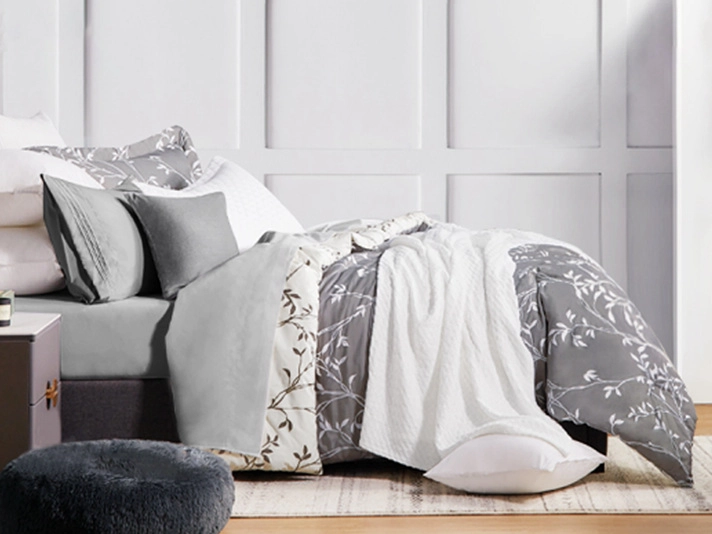
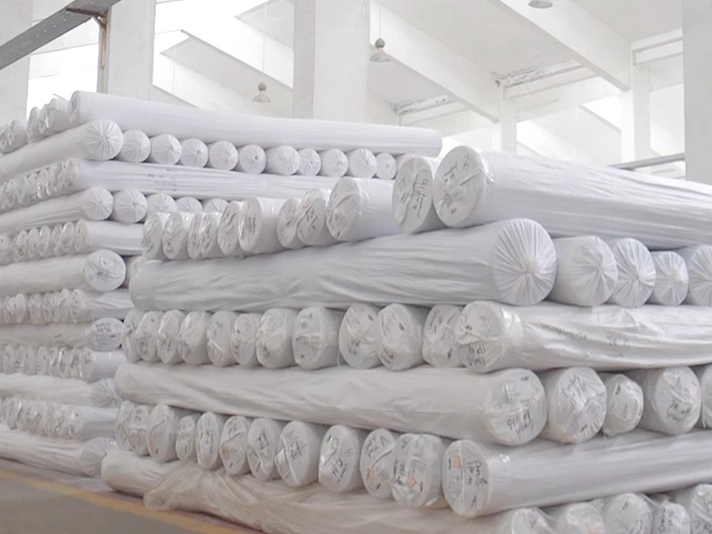

Sourcing high-quality home and hotel textiles requires a deep understanding of material science, manufacturing scales, and logistics. For global procurement officers, finding a reliable partner for bedding china involves balancing cost-efficiency with strict quality control to ensure long-term durability in high-turnover environments like hotels and hospitals.
The commercial bedding sector is characterized by a shift toward vertically integrated manufacturing, where the ability to control everything from fabric weaving to final stitching reduces supply chain risks. Buyers must evaluate suppliers based on their automation levels, production capacity—such as the ability to handle over 100,000 sheet sets monthly—and their adherence to international safety certifications.
This guide provides a technical analysis of how to select professional bedding suppliers, focusing on material specifications, customization options for OEM/ODM projects, and the critical performance factors that determine the lifecycle of hospitality linens. Readers will learn how to differentiate between luxury-feel synthetics and high-performance natural blends.
Sourcing Textiles from East Asia
The textile landscape in East Asia has evolved from basic mass production to high-precision engineering. Modern facilities now employ highly automated systems across vast production areas, often exceeding 180,000 square feet, to maintain consistency across millions of units. The integration of professional management systems is no longer optional; it is the primary mechanism used to guarantee on-time delivery rates of 98% or higher. For B2B buyers, this infrastructure means the difference between a stable supply chain and unpredictable delays. Furthermore, the emergence of specialized subsidiaries focuses on innovation, allowing companies to pivot quickly between home-use comfort and the rigorous demands of the healthcare and spa sectors, where antimicrobial properties and high-temperature wash resistance are mandatory.
Evaluating Commercial Bedding Standards
To make an informed procurement decision, one must look beyond the surface aesthetics of a fabric and analyze the technical specifications that govern its performance in a commercial setting.
Material Composition Analysis
Choosing the right fiber is the first step in ensuring product longevity. While 100% cotton remains a staple for luxury, microfiber polyester is increasingly preferred for its durability and wrinkle-resistance. For instance, double-brushed microfiber provides a velvety touch and exceptional softness, mimicking high-end cotton while remaining more cost-effective and easier to maintain in industrial laundries.
| Material Type | Key Property | Primary Application | Durability Level |
|---|---|---|---|
| Microfiber Polyester | Wrinkle-resistant | Budget Hotels / Home | High |
| Long-staple Cotton | Breathability | Luxury Resorts | Medium-High |
| Bamboo Blend | Hypoallergenic | Eco-hotels / Spa | Medium |
| Linen | High Thermoregulation | Boutique Lodges | Very High |
| Silk Blends | Ultra-smoothness | Premium Residential | Low-Medium |
| Poly-Cotton Blend | Balance of cost/feel | Hospitals / Dorms | High |
Thread Count and Fabric Density
Thread count refers to the number of horizontal and vertical threads per square inch. A 1000-thread count microfiber, for example, offers unparalleled smoothness and a denser weave, which prevents pilling and increases the lifespan of the sheet. However, buyers must be wary of inflated numbers; the actual weight (such as 85gsm) is often a more reliable indicator of fabric thickness and durability than the thread count alone.
Industrial Durability Requirements
Commercial bedding must withstand frequent high-temperature washing and chemical treatment. This requires reinforced stitching and fade-resistant dyes. A key technical consideration is the "deep-pocket" design, which allows sheets to fit mattresses up to 16 inches thick securely, preventing the sheets from slipping—a critical requirement for maintaining a professional appearance in hotel rooms without constant readjustment.
Customization and OEM Capabilities
Professional manufacturers offer OEM and ODM services to help brands differentiate their products. This includes customization of colors, sizes, and patterns. For businesses operating on a larger scale, the ability to specify the exact fabric blend (such as silk or bamboo) ensures the end product aligns with the brand's market positioning, whether it is a budget-friendly home line or a luxury hotel collection.
Quality Certification Standards
Verification through third-party certifications is the only way to ensure consumer safety and environmental compliance. Oeko-Tex Standard 100 certification guarantees that the textiles are free from harmful substances, while SGS certification verifies the physical and chemical properties of the fabric. These certifications are essential for entering European and North American markets where regulatory scrutiny is high.
Supply Chain Lead Time Management
In the B2B sector, lead time is as critical as product quality. Efficient factories manage this through vertical integration, owning multiple automated plants to streamline the process. A reliable supplier can maintain a consistent output—such as 14 40ft containers per month—ensuring that procurement officers do not face stock-outs during peak tourist seasons or unexpected demand surges.
Sustainability in Mass Production
The industry is moving toward eco-friendly manufacturing processes to reduce the environmental footprint of textile dyes and water usage. Implementing sustainable sourcing and energy-efficient machinery not only meets the demands of eco-conscious consumers but also prepares the company for future global environmental regulations, ensuring the long-term viability of the partnership.
FAQ
What is the difference between cotton and microfiber for hotel use?
Cotton offers superior breathability and a classic luxury feel, making it ideal for high-end resorts. Microfiber, specifically high-thread count brushed polyester, is more durable, wrinkle-resistant, and dries faster, which significantly reduces operational costs in commercial laundries while still providing a soft touch.
How do I verify the quality of a textile supplier?
Buyers should check for international certifications like Oeko-Tex Standard 100 and SGS. Additionally, evaluate the supplier's production capacity (sqft of factory space), their delivery track record (on-time percentage), and their ability to provide customized samples before committing to a large-scale order.
What does "deep-pocket" design mean in bed sheets?
Deep-pocket design refers to sheets with extra fabric on the sides to accommodate thicker mattresses, often up to 16 inches. This ensures the sheet stays securely wrapped around the mattress without popping off the corners, which is essential for maintaining neatness in hospitality settings.
Can I order custom sizes and colors for commercial projects?
Yes, professional bedding manufacturers offer OEM/ODM services. This allows you to customize the fabric material, GSM (grams per square meter), dimensions, and colors to match your specific brand identity or the unique dimensions of your hotel's mattresses.
What is a reasonable MOQ for custom bedding orders?
While it varies by factory, a common minimum order quantity (MOQ) for custom colors or specifications is around 500 sets per color. This allows the manufacturer to optimize the dyeing and weaving process for efficiency and cost-effectiveness.
Why is vertical integration important for a textile supplier?
Vertical integration means the company controls multiple stages of production, from fabric creation to final sewing. This reduces reliance on external vendors, lowers the risk of delays, ensures consistent quality across different batches, and typically results in more competitive pricing for the buyer.
References and further reading
- International Standard for Textile Testing (ISO) - Performance of Home Textiles.
- Oeko-Tex Standard 100 - Criteria for Textile Certification of Harmful Substances.
- Global Hospitality Procurement Guide - Linen Lifecycle and Replacement Cycles.
 English
 Afrikaans
 Albanian
 Amharic
 Arabic
 Armenian
 Azerbaijani
 Basque
 Belarusian
 Bengali
 Bosnian
 Bulgarian
 Catalan
 Cebuano
 China
 Corsican
 Croatian
 Czech
 Danish
 Dutch
 Esperanto
 Estonian
 Finnish
 French
 Frisian
 Galician
 Georgian
 German
 Greek
 Gujarati
 Haitian Creole
 Hausa
 Hawaiian
 Hebrew
 Hindi
 Miao
 Hungarian
 Icelandic
 Igbo
 Indonesian
 Irish
 Italian
 Japanese
 Javanese
 Kannada
 Kazakh
 Khmer
 Rwandese
 Korean
 Kurdish
 Kyrgyz
 Lao
 Latin
 Latvian
 Lithuanian
 Luxembourgish
 Macedonian
 Malgashi
 Malay
 Malayalam
 Maltese
 Maori
 Marathi
 Mongolian
 Myanmar
 Nepali
 Norwegian
 Norwegian
 Occitan
 Pashto
 Persian
 Polish
 Portuguese
 Punjabi
 Romanian
 Russian
 Samoan
 Scottish Gaelic
 Serbian
 Sesotho
 Shona
 Sindhi
 Sinhala
 Slovak
 Slovenian
 Somali
 Spanish
 Sundanese
 Swahili
 Swedish
 Tagalog
 Tajik
 Tamil
 Tatar
 Telugu
 Thai
 Turkish
 Turkmen
 Ukrainian
 Urdu
 Uighur
 Uzbek
 Vietnamese
 Welsh
 Bantu
 Yiddish
 Yoruba
 Zulu