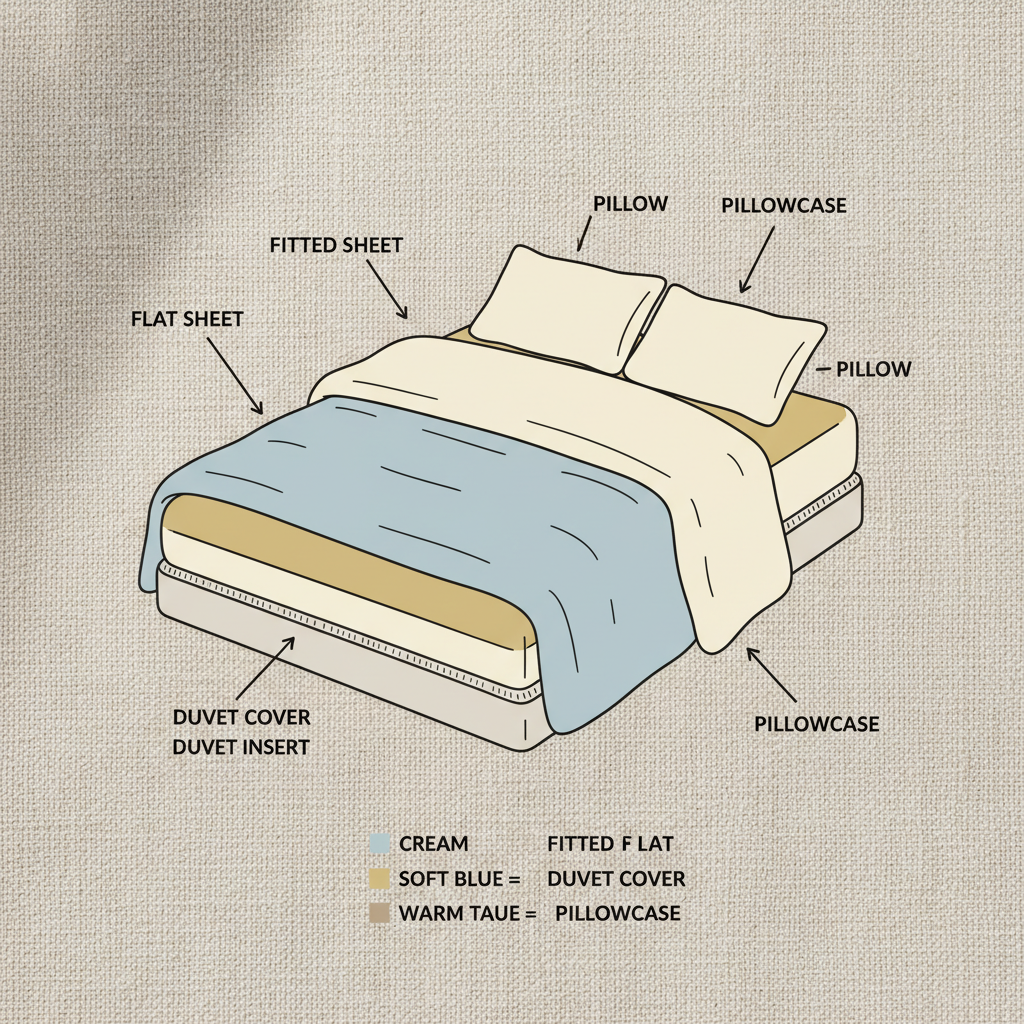
Look, these percale sheets… everyone’s going crazy for ‘hotel quality’ these days, right? It's all over the trade shows. To be honest, I've seen a lot of “hotel quality” that feels like sandpaper. Everyone's chasing that 200 thread count, but it's not just the number, it’s how it's woven. That’s the bit people miss. It’s all about that over-under weave, gives it that crisp, cool feel.
Have you noticed, the biggest trend I'm seeing? It's this push for sustainability. Everyone wants organic cotton, which is great, don't get me wrong, but finding a reliable supply that doesn't cost an arm and a leg? That’s the challenge. We’re looking at bamboo blends too, seems promising, though the feel is… different. Still getting used to that.
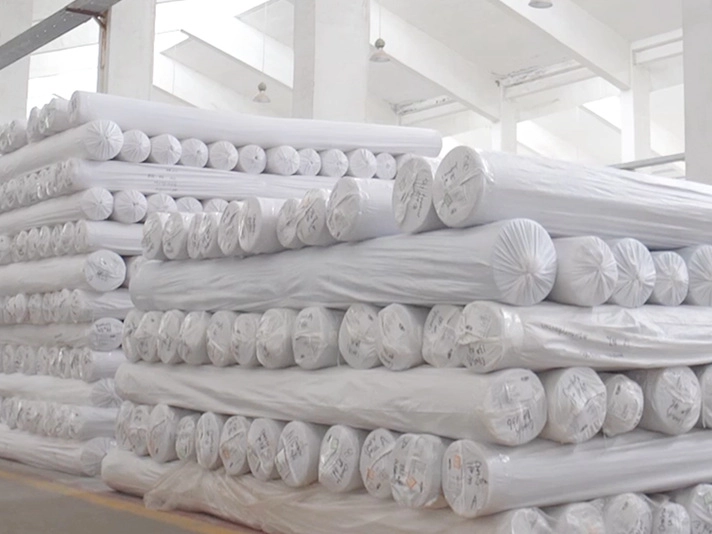
I spent a week last month at a textile mill in India, trying to nail down a good supplier. The smell… it's a unique one, you know? Like raw cotton mixed with dye and a bit of dust. It gets in your clothes, your hair… Anyway, they showed me the whole process, from ginning to weaving. It’s intense.
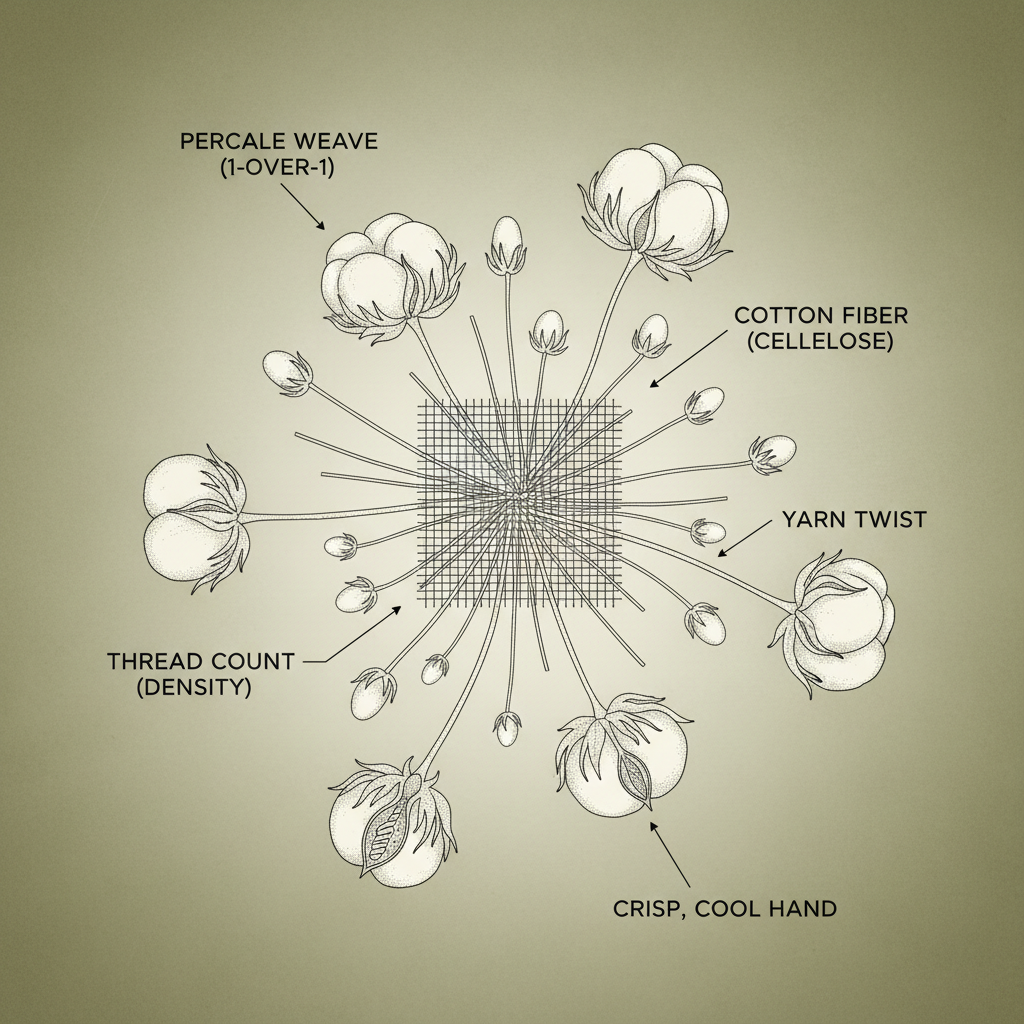
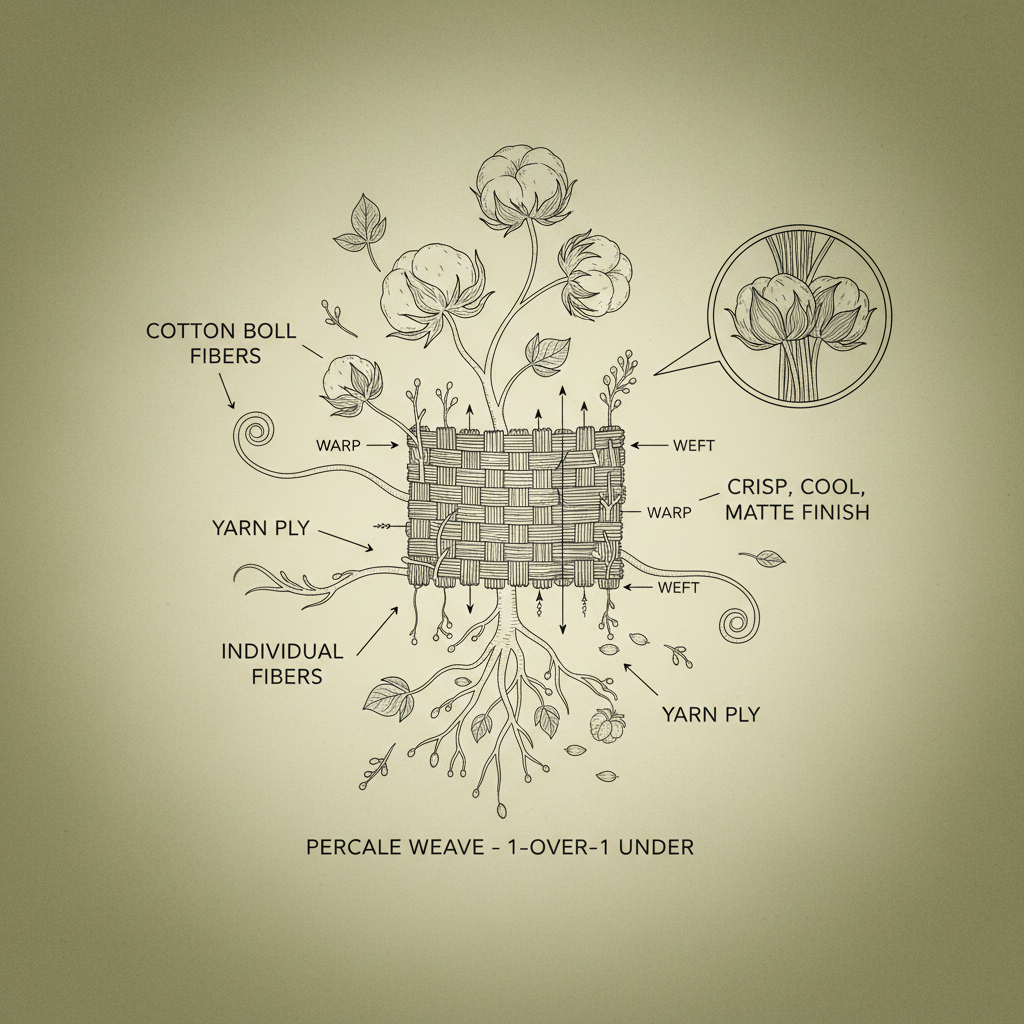
The demand for percale sheets is definitely climbing. It's not just hotels anymore; people want that crisp, cool feeling at home. I encountered this at a factory in Portugal last time – they were scrambling to meet the orders. They said the marketing folks were pushing “breathability” and “durability” and everyone just wants sheets that feel clean.
Strangely, a lot of the smaller manufacturers don’t fully understand why percale is desirable. They just see the price point and try to replicate it, which usually results in a thin, scratchy mess. It’s about the weave, man, the weave.
Avoid fabric softener! It coats the fibers and makes them feel limp. Wash in cool or warm water, and tumble dry on low heat. A quick iron while they’re still slightly damp can help, but honestly, a little wrinkling is part of the charm. And don’t overload the washing machine - they need room to breathe.
Absolutely. That's one of their biggest strengths. Percale is incredibly breathable, allowing air to circulate and keeping you cool. The weave isn’t as tightly packed as sateen, which traps heat. If you're a hot sleeper, percale is a game-changer. We've had tons of positive feedback from customers in warmer climates.
Percale is generally more durable than sateen. The over-under weave is stronger and less prone to snagging. Sateen, with its exposed yarns, is more prone to wear and tear. That said, both can last a long time with proper care. But if you're looking for something that can withstand years of washing, percale is the safer bet.
Yes, percale sheets can be ironed, but it's not essential. If you do iron them, use a medium heat setting and iron while the sheets are still slightly damp. Ironing can give them that extra crisp look, but it’s honestly a lot of work. Most people don’t bother.
Don't get hung up on the thread count. A good quality percale sheet with a 200-300 thread count will feel much better than a poorly made sheet with a 600 thread count. Focus on the quality of the cotton and the weave, not just the number. Long-staple cotton is key.
Absolutely. Look for percale sheets made from organic cotton, bamboo, or recycled materials. These options are more sustainable than conventional cotton. Just be prepared to pay a bit more. The price reflects the extra effort and cost of sourcing sustainable materials.
Ultimately, percale sheets are all about that crisp, cool, breathable feeling. It’s not just about the thread count or the marketing hype; it's about the quality of the materials, the weaving process, and how they feel against your skin. They may wrinkle a bit, but that’s a small price to pay for a good night’s sleep.
Look, at the end of the day, whether this thing works or not, the worker will know the moment he tightens the screw. And if the sheets feel good, people will buy them. That's all that matters. Visit our website at longshowtextile.com to explore our percale sheet collection.

 Afrikaans
 Albanian
 Amharic
 Arabic
 Armenian
 Azerbaijani
 Basque
 Belarusian
 Bengali
 Bosnian
 Bulgarian
 Catalan
 Cebuano
 China
China
 Corsican
 Croatian
 Czech
Czech
 Danish
 Dutch
Dutch
 Esperanto
 Estonian
 Finnish
 French
 Frisian
 Galician
 Georgian
 German
 Greek
Greek
 Gujarati
 Haitian Creole
 Hausa
Hausa
 Hawaiian
 Hebrew
 Hindi
Hindi
 Miao
Miao
 Hungarian
 Icelandic
 Igbo
Igbo
 Indonesian
 Irish
Irish
 Italian
 Japanese
 Javanese
 Kannada
 Kazakh
 Khmer
Khmer
 Rwandese
 Korean
 Kurdish
 Kyrgyz
 Lao
Lao
 Latin
Latin
 Latvian
 Lithuanian
 Luxembourgish
 Macedonian
 Malgashi
 Malay
Malay
 Malayalam
 Maltese
 Maori
Maori
 Marathi
 Mongolian
 Myanmar
 Nepali
 Norwegian
 Norwegian
 Occitan
 Pashto
 Persian
 Polish
 Portuguese
 Punjabi
 Romanian
 Russian
 Samoan
 Scottish Gaelic
 Serbian
 Sesotho
 Shona
Shona
 Sindhi
 Sinhala
 Slovak
 Slovenian
 Somali
 Spanish
 Sundanese
 Swahili
 Swedish
 Tagalog
 Tajik
Tajik
 Tamil
Tamil
 Tatar
Tatar
 Telugu
 Thai
Thai
 Turkish
 Turkmen
 Ukrainian
 Urdu
Urdu
 Uighur
 Uzbek
Uzbek
 Vietnamese
 Welsh
Welsh
 Bantu
Bantu
 Yiddish
 Yoruba
 Zulu
Zulu
 English