



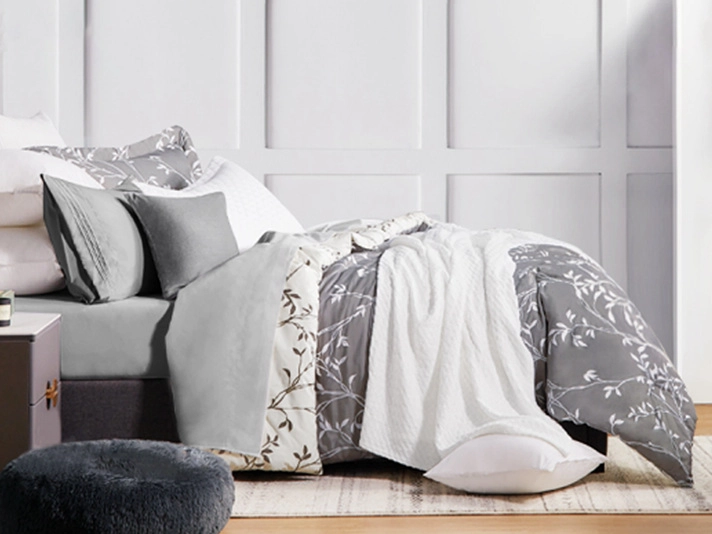
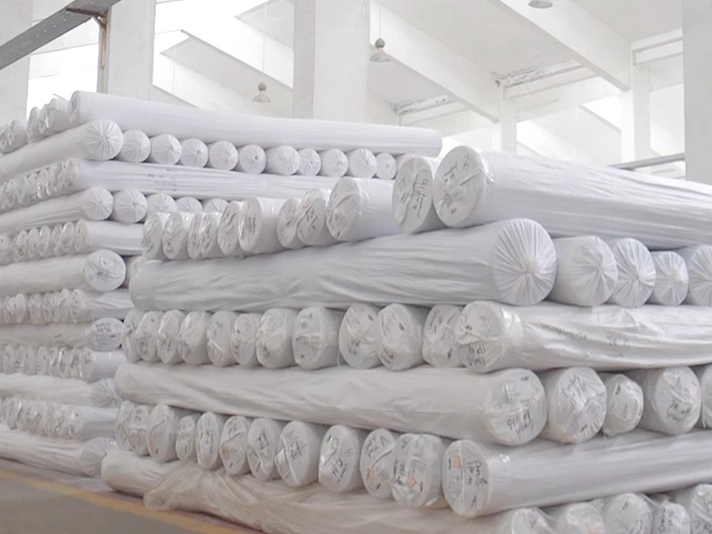

Selecting the right textile partner for commercial accommodations requires a balance between aesthetic opulence and industrial durability. The procurement of wholesale luxury bedding involves more than just selecting a high thread count; it requires an analysis of fabric blends, weaving techniques, and the ability of the manufacturer to maintain consistency across thousands of units. This guide examines the technical requirements and procurement criteria for high-end hospitality linens.
In the competitive hotel and spa industry, the tactile experience of the bedding is a primary driver of guest satisfaction. However, commercial laundries subject fabrics to rigorous chemical and thermal stress, meaning that "luxury" must be redefined as the intersection of softness and resilience. Understanding the difference between pure cotton and optimized blends is essential for reducing replacement costs while maintaining a five-star feel.
Readers will discover how to evaluate fabric specifications, the impact of satin stripe designs on visual appeal, and the critical certifications that ensure guest safety. By focusing on vertically integrated manufacturing capabilities, buyers can streamline their supply chains and ensure that their linens meet both luxury standards and operational efficiency requirements.
Hospitality Bedding Standards and Market Needs
The modern hospitality market demands linens that provide an immediate sense of luxury upon entry but can withstand the grueling cycle of industrial washing. Historically, high-end hotels relied exclusively on long-staple cotton; however, the industry has evolved toward specialized blends to solve the problem of excessive wrinkling and slow drying times. A common industry standard for luxury settings is the 300TC (Thread Count) fabric, which provides a dense, smooth surface without sacrificing breathability. The demand is no longer just for "softness," but for "consistent performance." This means the fabric must maintain its color, shape, and texture after dozens of industrial washes. For procurement managers, the goal is to maximize the lifecycle of the product to lower the total cost of ownership, while ensuring the guest perceives an uncompromising level of quality. This shift has led to the rise of blended textiles, such as cotton-polyester mixes, which offer the skin-friendly nature of natural fibers combined with the tensile strength of synthetic polymers.
Evaluating High-End Bedding for Commercial Use
When assessing a supplier for high-volume luxury linens, the evaluation must move beyond the sales brochure and into the technical specifications of the textile construction. The following dimensions are critical for determining if a product is suitable for a high-traffic commercial environment.
Material Composition and Blend Analysis
The choice of material determines the fabric's breathability and durability. A blend of 60% cotton and 40% polyester is often preferred for hotel sheets because it balances the comfort of cotton with the wrinkle resistance of polyester. This specific ratio ensures that the bedding remains crisp and professional with minimal ironing, which is a significant operational advantage in large-scale hotel management.
| Material Type | Key Property | Commercial Advantage | Primary Risk |
|---|---|---|---|
| 100% Cotton | High Breathability | Maximum Guest Comfort | High Wrinkling/Slower Dry |
| CVC Blend (60/40) | Balanced Strength | Durability & Ease of Care | Lower Breathability than Pure Cotton |
| Bamboo Blend | Eco-friendly/Soft | Hypoallergenic Appeal | Higher Production Cost |
| Microfiber | Very High Durability | Low Cost/Fast Drying | Synthetic Feel/Less Breathable |
| Linen Blends | Textured Luxury | Unique Aesthetic | High Initial Procurement Cost |
| Silk Blends | Extreme Softness | Ultra-Luxury Positioning | Difficult Industrial Maintenance |
The Role of Thread Count in Luxury Perception
Thread count (TC) refers to the number of threads woven into one square inch of fabric. While marketing often pushes for the highest possible number, in commercial settings, 300TC is a "sweet spot." It provides a dense, luxurious feel that is skin-friendly yet remains durable enough for frequent laundering. Excessively high thread counts can sometimes lead to heavier fabrics that take longer to dry, increasing energy costs in industrial laundries.
Structural Integrity and Stripe Design
Visual luxury is often conveyed through satin stripes. A 3cm satin stripe design is a classic hallmark of high-end hotels, providing a subtle, elegant texture that differentiates the product from standard home linens. Beyond aesthetics, these stripes are created through varying the weave, which can contribute to the fabric's overall drape and how it sits on the mattress, enhancing the professional appearance of the room.
Durability Factors in High-Turnover Environments
Wear resistance is the most critical technical metric for B2B buyers. Fabrics must be engineered to resist pilling and thinning. By utilizing a 4040s yarn count and a meticulous weaving process, manufacturers can ensure that the fabric maintains its structural integrity. Testing for wrinkle resistance ensures that the linens look fresh throughout the guest's stay, reducing the need for constant readjustment by housekeeping staff.
Certification and Safety Compliance
In the global market, certifications like Oeko-Tex Standard 100 and SGS are non-negotiable for luxury bedding. These ensure that the textiles are free from harmful substances, which is a critical safety requirement for guests with sensitive skin. Procurement teams should verify these certifications to mitigate legal risks and ensure the product meets international health and safety standards for home and hotel use.
Customization and Brand Alignment
Luxury brands often require specific dimensions or colors to match their interior design. The ability to provide customized widths (such as 110" or 120") and bespoke colors is a key capability of professional manufacturers. OEM and ODM services allow hotels to create a signature bedding experience that aligns perfectly with their brand identity, from the specific shade of white to the exact stripe width.
Supply Chain Reliability and Delivery
For a hotel opening or a seasonal refresh, delivery timing is critical. A vertically integrated company that owns its factories can better control lead times and quality consistency. With a production capacity of over 126,000 sheet sets per month, a reliable supplier ensures that the supply chain remains uninterrupted, avoiding the risk of operational delays during peak tourist seasons.
FAQ
What is the ideal thread count for commercial luxury bedding?
For most high-end commercial applications, 300TC is considered ideal. It offers a sophisticated, smooth feel and high density while remaining breathable and durable enough to withstand industrial laundering. While higher counts exist, 300TC provides the best balance between luxury perception and operational longevity.
Why choose a cotton-polyester blend over 100% cotton for hotels?
Cotton-polyester blends, such as a 60/40 mix, are preferred in the hospitality industry because they significantly reduce wrinkling and decrease drying time. This leads to lower labor costs for ironing and lower energy costs for laundries, all while maintaining the soft, skin-friendly touch of cotton.
What does the "satin stripe" design add to the bedding?
The satin stripe, such as a 3cm design, provides a visual cue of luxury and professional hotel quality. It creates a subtle contrast in the weave that enhances the aesthetic appeal of the bed, making the room look more polished and high-end to the guest.
Which certifications should I look for when sourcing luxury linens?
Buyers should prioritize Oeko-Tex Standard 100 and SGS certifications. These guarantee that the fabric has been tested for harmful substances and meets global safety standards, ensuring that the products are safe for all guests and compliant with international regulations.
Can commercial bedding be customized for specific bed sizes?
Yes, professional manufacturers provide OEM/ODM services. This allows for customization of fabric width (e.g., 110" or 120") and other specifications to ensure a perfect fit for non-standard mattress sizes used in luxury suites or specialty resorts.
How does vertical integration benefit the buyer of wholesale bedding?
Vertical integration means the company controls everything from raw fabric production to the final sewing. For the buyer, this results in better quality control, more consistent fabric batches, and more reliable lead times, as the supplier does not rely on third-party factories to complete the order.
References and further reading
- International Standard for Textile Testing - ISO 3820
- Oeko-Tex Standard 100 Certification Guidelines for Home Textiles
- Hospitality Procurement Guide: Linens and Fabric Lifecycle Analysis
 English
 Afrikaans
 Albanian
 Amharic
 Arabic
 Armenian
 Azerbaijani
 Basque
 Belarusian
 Bengali
 Bosnian
 Bulgarian
 Catalan
 Cebuano
 China
 Corsican
 Croatian
 Czech
 Danish
 Dutch
 Esperanto
 Estonian
 Finnish
 French
 Frisian
 Galician
 Georgian
 German
 Greek
 Gujarati
 Haitian Creole
 Hausa
 Hawaiian
 Hebrew
 Hindi
 Miao
 Hungarian
 Icelandic
 Igbo
 Indonesian
 Irish
 Italian
 Japanese
 Javanese
 Kannada
 Kazakh
 Khmer
 Rwandese
 Korean
 Kurdish
 Kyrgyz
 Lao
 Latin
 Latvian
 Lithuanian
 Luxembourgish
 Macedonian
 Malgashi
 Malay
 Malayalam
 Maltese
 Maori
 Marathi
 Mongolian
 Myanmar
 Nepali
 Norwegian
 Norwegian
 Occitan
 Pashto
 Persian
 Polish
 Portuguese
 Punjabi
 Romanian
 Russian
 Samoan
 Scottish Gaelic
 Serbian
 Sesotho
 Shona
 Sindhi
 Sinhala
 Slovak
 Slovenian
 Somali
 Spanish
 Sundanese
 Swahili
 Swedish
 Tagalog
 Tajik
 Tamil
 Tatar
 Telugu
 Thai
 Turkish
 Turkmen
 Ukrainian
 Urdu
 Uighur
 Uzbek
 Vietnamese
 Welsh
 Bantu
 Yiddish
 Yoruba
 Zulu