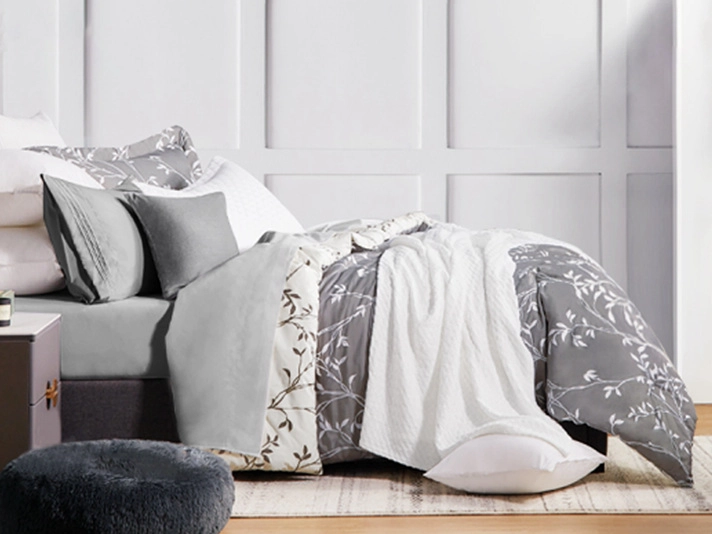
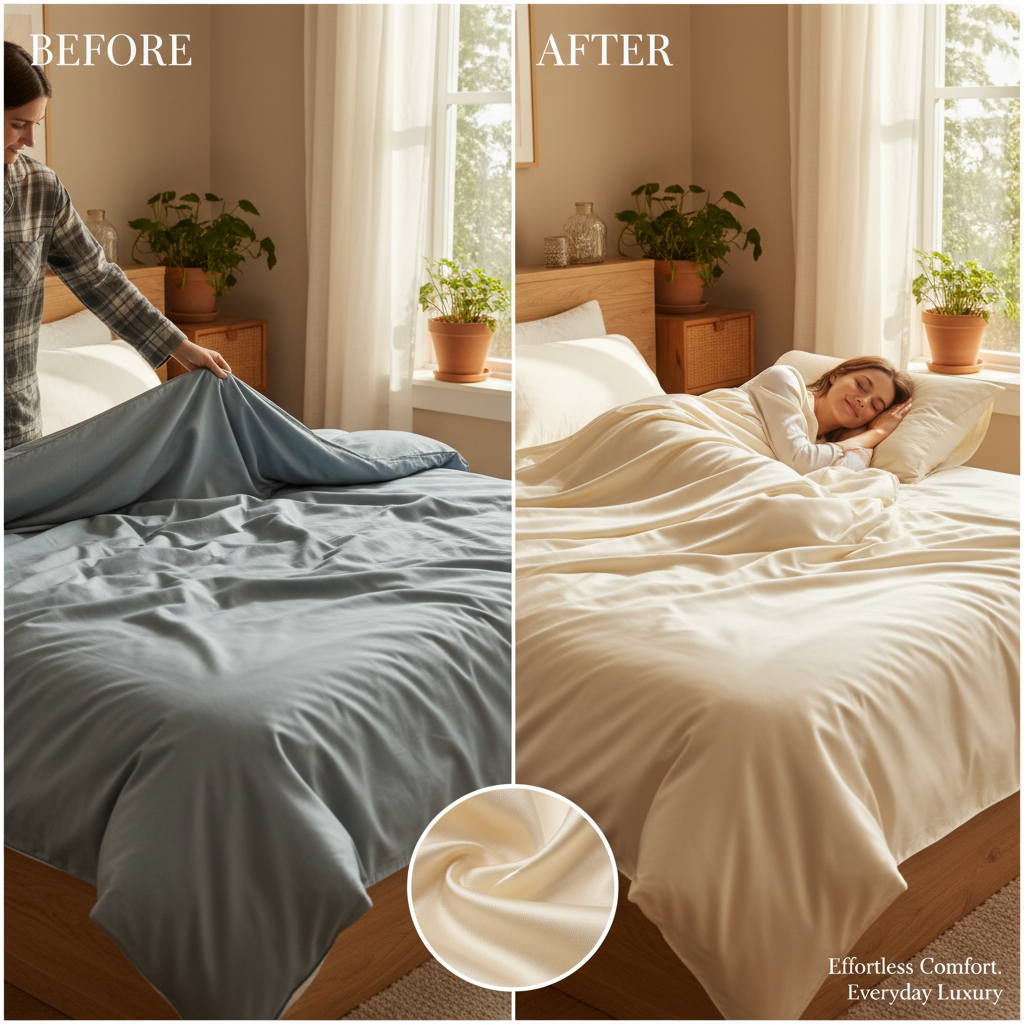
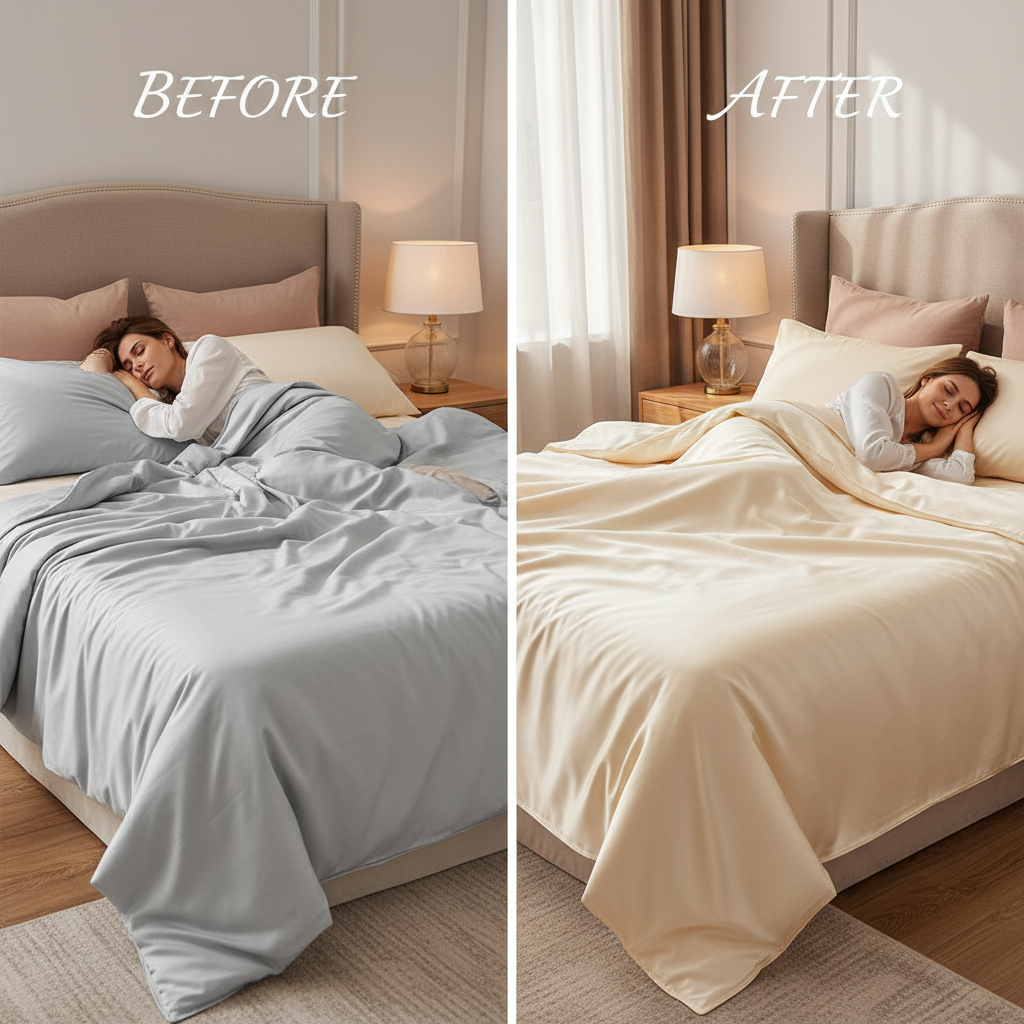
A linen set, encompassing bedding, towels, and bathrobes, represents a cornerstone of comfortable and luxurious living. Its global relevance stems from the increasing demand for natural, sustainable, and high-quality textiles in homes worldwide. From bustling urban centers to tranquil rural retreats, the desire for a soothing and aesthetically pleasing bedroom and bathroom experience drives the market for these products. Linen's inherent properties – breathability, durability, and hypoallergenic qualities – cater to a diverse consumer base increasingly conscious of wellness and environmental impact.
The linen set industry is a significant contributor to the global textile market, valued at billions of dollars. According to the UN Comtrade database, international trade in linen fabrics and finished products has consistently grown over the past decade, demonstrating a stable demand. This growth is fueled not only by residential consumers but also by the hospitality industry, where high-end hotels and resorts prioritize premium linen sets to enhance guest experiences. The challenge lies in maintaining ethical and sustainable production practices as demand increases.
Understanding the intricacies of a linen set – from fiber sourcing to finishing techniques – is paramount for consumers and industry professionals alike. It's not simply about acquiring a product; it's about investing in comfort, longevity, and a commitment to responsible consumption. A thoughtfully chosen linen set can transform a living space, promoting relaxation, and well-being while contributing to a more sustainable future.
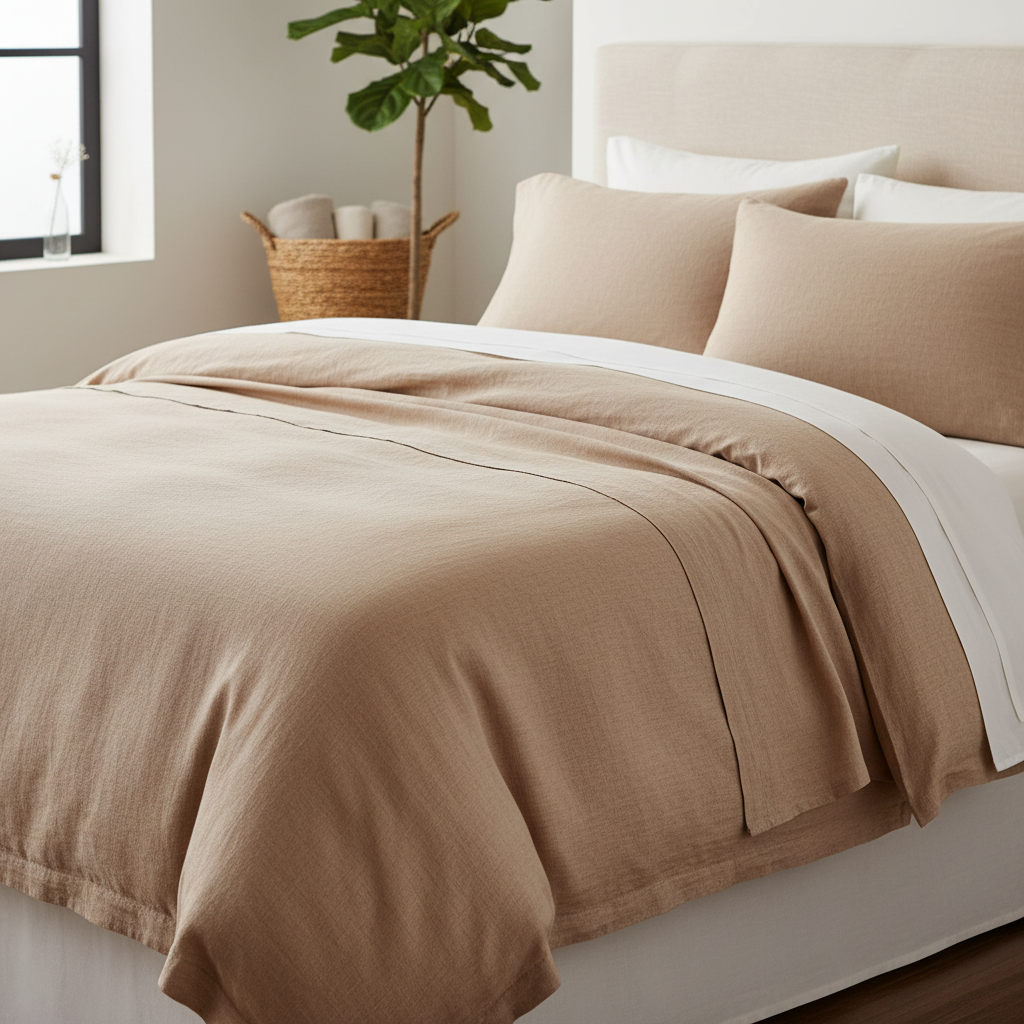
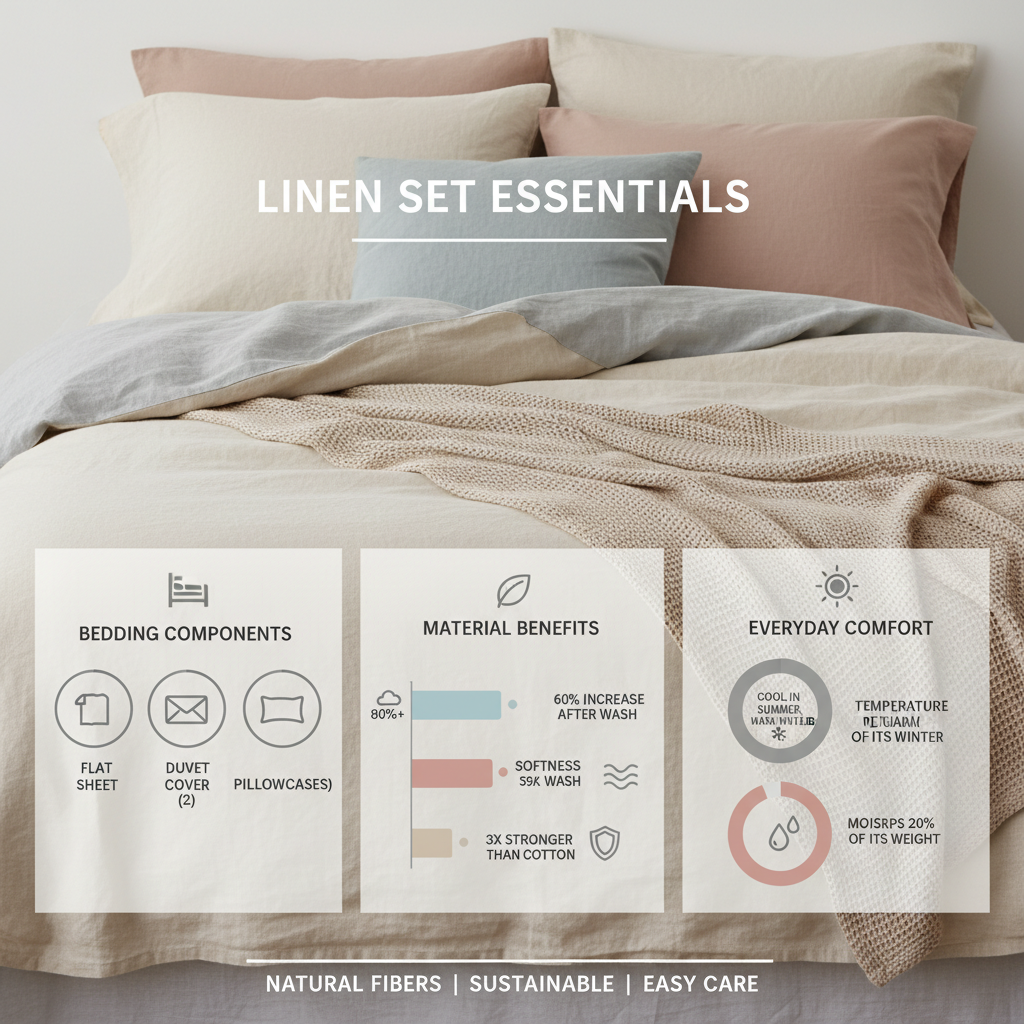
The demand for linen sets is intrinsically linked to a global shift towards prioritizing comfort, wellness, and sustainability in the home. Driven by rising disposable incomes and an increased awareness of the benefits of natural fibers, consumers worldwide are seeking premium bedding and bath textiles. This trend is particularly pronounced in North America, Europe, and Asia-Pacific regions, where linen is often associated with luxury and a healthy lifestyle.
Furthermore, the hospitality sector plays a critical role in driving the demand for high-quality linen sets. Hotels, resorts, and spas are increasingly recognizing the value of investing in durable and luxurious linens to enhance the guest experience and cultivate a positive brand image. The consistent quality and longevity of linen contribute significantly to long-term cost savings for these businesses.
To maximize the lifespan of your linen set, wash it in cool or lukewarm water on a gentle cycle. Avoid using harsh detergents or bleach, opting instead for mild, eco-friendly alternatives. Tumble dry on low heat or hang to dry. Ironing while slightly damp will help to smooth out wrinkles. Proper care will maintain the softness and vibrancy of your linen for years to come.
Linen can shrink slightly after the first few washes, typically around 3-5%. However, pre-shrinking during the manufacturing process minimizes this effect. To further prevent shrinkage, wash your linen set in cold water and avoid high heat when drying. Following these guidelines will help maintain the original size and shape of your linens.
Yes, linen is an excellent choice for individuals with allergies or sensitive skin. Its naturally smooth fibers are less likely to irritate the skin compared to other fabrics. Linen is also hypoallergenic and resists dust mites, making it a healthier option for those prone to allergies.
Generally, linen is more expensive than cotton due to the more complex and labor-intensive production process. However, linen offers superior durability, breathability, and a luxurious feel. While the initial investment may be higher, the longevity and comfort of linen often make it a more cost-effective choice in the long run.
Yes, linen is considered a very sustainable fabric. Flax, the plant from which linen is made, requires significantly less water and pesticides to grow compared to cotton. It’s also biodegradable, and the entire plant can be utilized, minimizing waste. Choosing a linen set is a responsible environmental choice.
European linen, particularly from France, Belgium, and Ireland, is generally regarded as higher quality due to the climate and traditional growing practices, producing longer, stronger fibers. Asian linen can vary in quality, and is often more affordable. Look for certifications and specific origin information when making your purchase.
In conclusion, a linen set represents more than just bedding and bath textiles; it's an investment in quality, sustainability, and well-being. Its inherent durability, breathability, and timeless elegance make it a cherished addition to any home. From its global relevance in the hospitality industry to its growing popularity among environmentally conscious consumers, linen continues to solidify its position as a premium textile choice.
Looking ahead, advancements in manufacturing technologies and a continued focus on sustainable practices will further enhance the appeal of linen sets. By prioritizing ethical sourcing, innovative design, and consumer education, the linen industry can contribute to a more responsible and comfortable future for all. Visit our website at www.longshowtextiles.com to explore our exquisite collection of linen sets and experience the difference firsthand.

 Afrikaans
 Albanian
 Amharic
 Arabic
 Armenian
 Azerbaijani
 Basque
 Belarusian
 Bengali
 Bosnian
 Bulgarian
 Catalan
 Cebuano
 China
China
 Corsican
 Croatian
 Czech
Czech
 Danish
 Dutch
Dutch
 Esperanto
 Estonian
 Finnish
 French
 Frisian
 Galician
 Georgian
 German
 Greek
Greek
 Gujarati
 Haitian Creole
 Hausa
Hausa
 Hawaiian
 Hebrew
 Hindi
Hindi
 Miao
Miao
 Hungarian
 Icelandic
 Igbo
Igbo
 Indonesian
 Irish
Irish
 Italian
 Japanese
 Javanese
 Kannada
 Kazakh
 Khmer
Khmer
 Rwandese
 Korean
 Kurdish
 Kyrgyz
 Lao
Lao
 Latin
Latin
 Latvian
 Lithuanian
 Luxembourgish
 Macedonian
 Malgashi
 Malay
Malay
 Malayalam
 Maltese
 Maori
Maori
 Marathi
 Mongolian
 Myanmar
 Nepali
 Norwegian
 Norwegian
 Occitan
 Pashto
 Persian
 Polish
 Portuguese
 Punjabi
 Romanian
 Russian
 Samoan
 Scottish Gaelic
 Serbian
 Sesotho
 Shona
Shona
 Sindhi
 Sinhala
 Slovak
 Slovenian
 Somali
 Spanish
 Sundanese
 Swahili
 Swedish
 Tagalog
 Tajik
Tajik
 Tamil
Tamil
 Tatar
Tatar
 Telugu
 Thai
Thai
 Turkish
 Turkmen
 Ukrainian
 Urdu
Urdu
 Uighur
 Uzbek
Uzbek
 Vietnamese
 Welsh
Welsh
 Bantu
Bantu
 Yiddish
 Yoruba
 Zulu
Zulu
 English