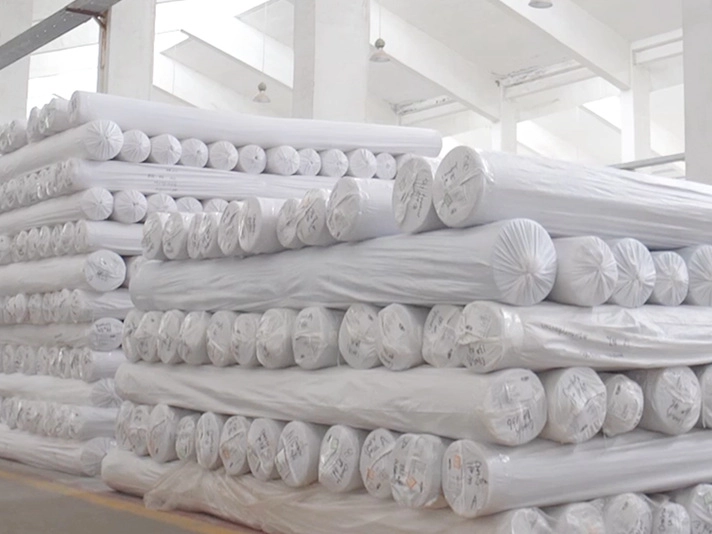
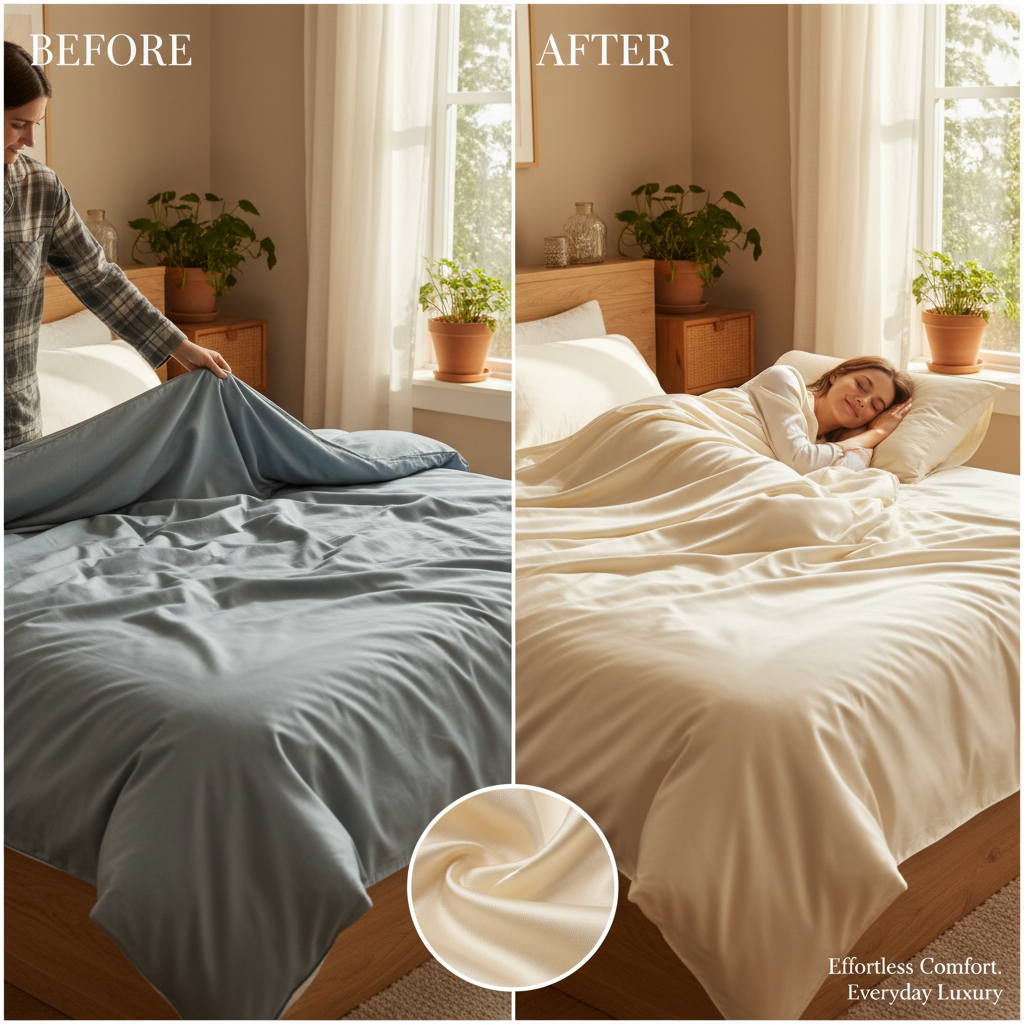
Bamboo bedding has rapidly gained prominence as a sustainable and luxurious alternative to traditional bedding materials. Driven by increasing environmental awareness and a desire for healthier sleep environments, bamboo fabrics are revolutionizing the textile industry. This shift is fueled by bamboo’s exceptional properties - its rapid growth, minimal water requirements, and naturally hypoallergenic qualities, positioning bamboo bedding as a key player in the future of textile production.
Globally, the demand for sustainable products is soaring, impacting industries from fashion to home goods. The bedding market, traditionally dominated by cotton, is experiencing a significant influx of bamboo-based options. This surge isn't merely a trend; it represents a fundamental change in consumer values, prioritizing eco-friendliness and well-being. The United Nations Sustainable Development Goals, particularly those focusing on responsible consumption and production, further underscore the importance of embracing materials like bamboo.
Understanding the nuances of bamboo bedding—from its production process to its unique benefits—is crucial for both consumers and industry professionals. The increasing popularity of this eco-friendly alternative provides opportunities for innovation, improved supply chains, and a more sustainable approach to textile manufacturing. Choosing bamboo bedding isn’t simply a lifestyle choice; it’s a contribution to a more responsible and environmentally conscious future.

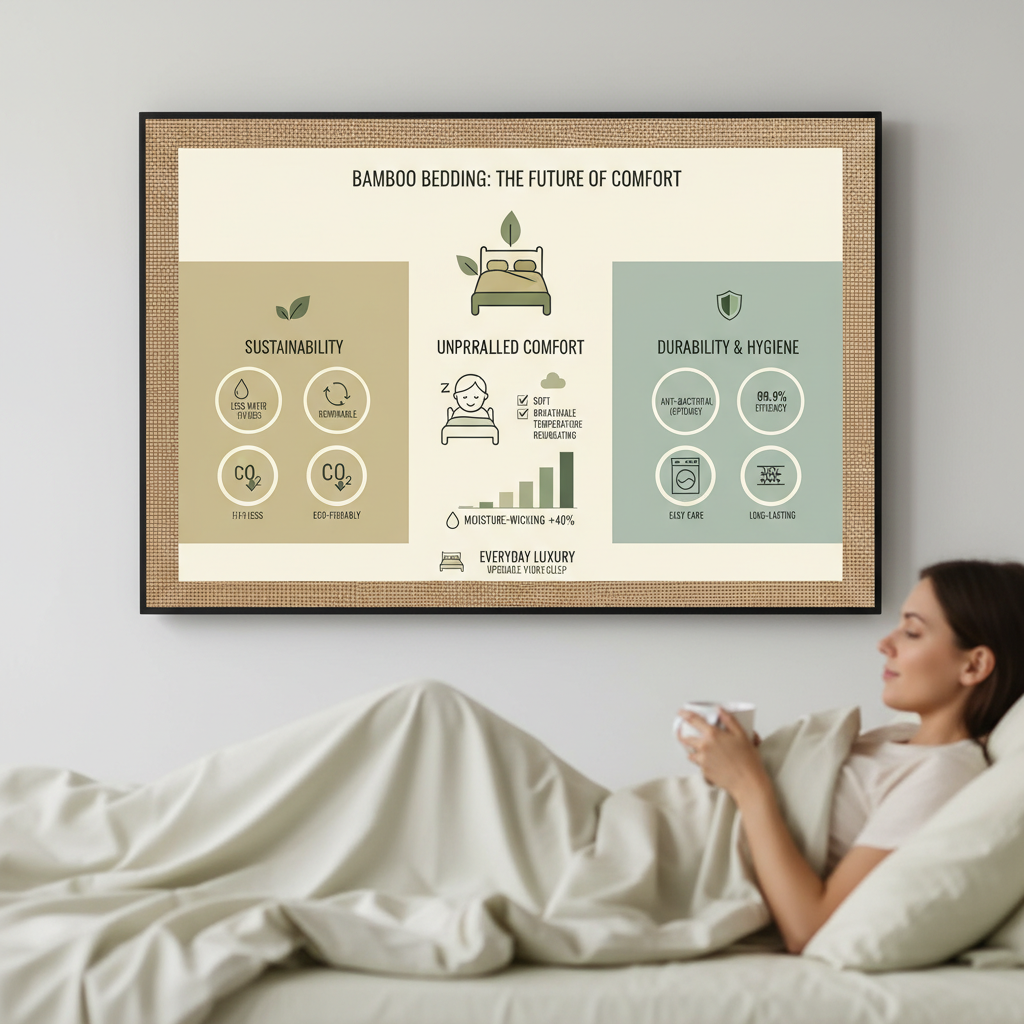
The global textile industry is undergoing a dramatic transformation, with consumers increasingly seeking sustainable alternatives. Bamboo bedding is at the forefront of this shift, experiencing exponential growth in demand. Data from the World Bank indicates a significant rise in consumer spending on eco-friendly products, directly correlating with the increased adoption of bamboo textiles. This trend is particularly pronounced in developed nations, but is rapidly expanding into emerging markets.
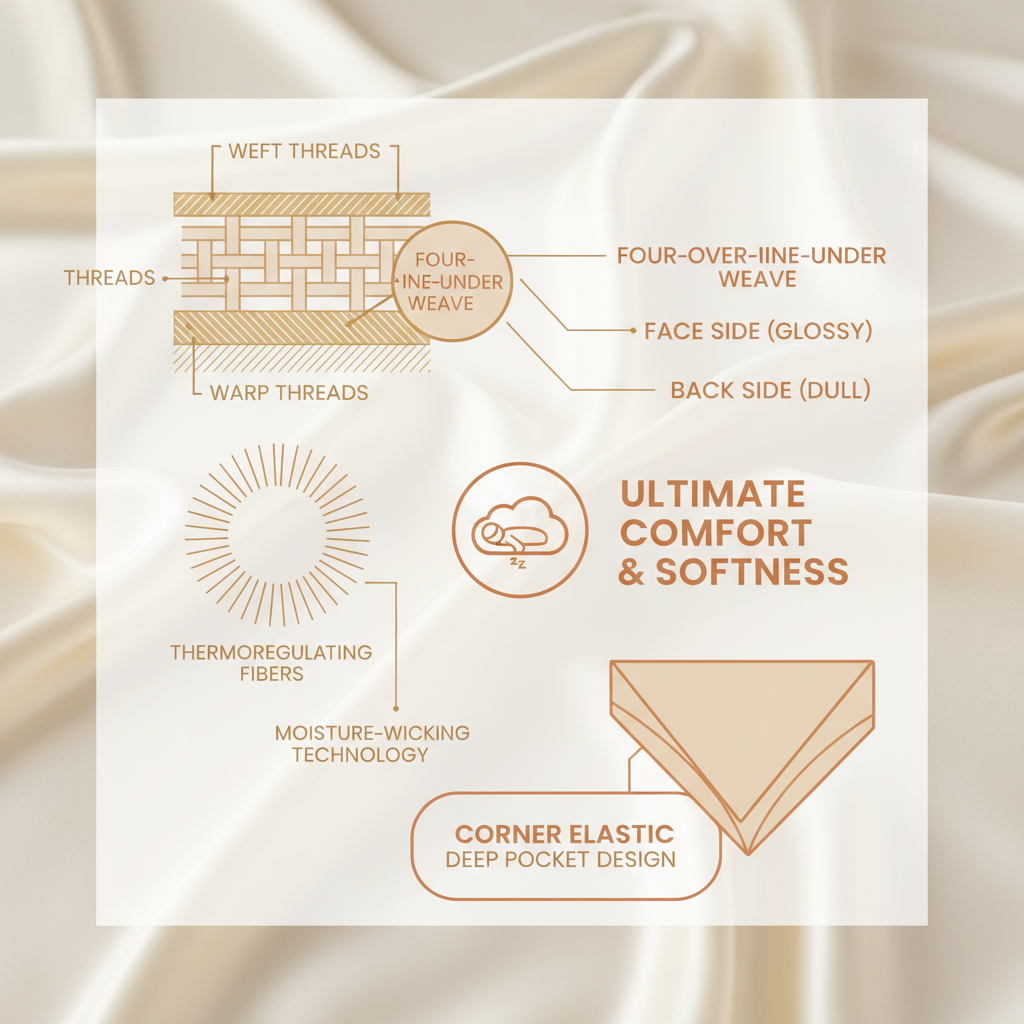
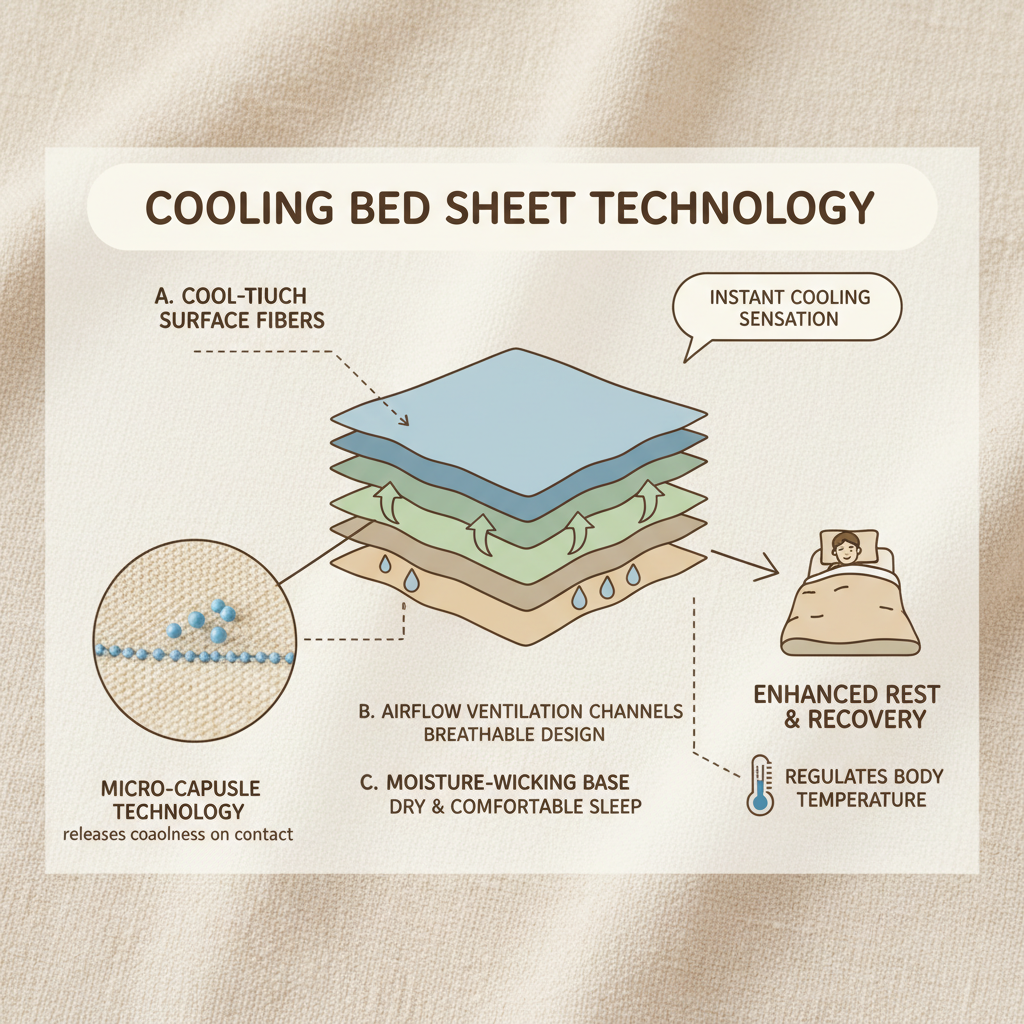
Several factors contribute to this global rise. The inherent sustainability of bamboo – its rapid renewability and minimal environmental impact – appeals to environmentally conscious consumers. Furthermore, the luxurious feel and performance characteristics of bamboo fabrics (softness, breathability, and moisture-wicking properties) position it as a premium bedding option, driving its adoption across diverse demographics. ISO certifications are also playing a vital role in assuring quality and sustainability standards.
Bamboo is a remarkably sustainable resource due to its rapid growth rate – it can regenerate without replanting. It requires significantly less water and pesticides compared to cotton, reducing environmental impact. The resulting fabric is biodegradable, contributing to a circular economy. While the processing of bamboo into rayon involves chemicals, advancements are being made towards more eco-friendly methods like lyocell, further enhancing its sustainability profile.
Yes, bamboo bedding is naturally hypoallergenic. The smooth, round fibers are less likely to irritate the skin compared to the microscopic hooks found in cotton. Bamboo also possesses inherent antimicrobial properties, inhibiting the growth of dust mites and bacteria, common allergens. This makes it an excellent choice for individuals with sensitive skin, allergies, or asthma. However, finishes applied during manufacturing could potentially trigger allergies, so look for certifications like OEKO-TEX.
Initially, bamboo bedding can be more expensive than conventional cotton bedding. However, considering its durability and longer lifespan, the long-term cost can be comparable or even lower. Bamboo linen, being a more mechanically processed variety, is generally more expensive than bamboo rayon/viscose. Linen generally holds a higher price point than bamboo as well. The price also varies depending on the quality of the bamboo and the manufacturing process.
Caring for bamboo bedding is relatively simple. Machine wash in cold water on a gentle cycle. Avoid using bleach or harsh detergents, as they can damage the fibers. Tumble dry on low heat or hang to dry. Ironing is generally not necessary, but if desired, use a low heat setting. Following these care instructions will help maintain the softness, breathability, and longevity of your bamboo bedding.
Bamboo rayon (or viscose) is the most common type, created by chemically processing bamboo cellulose. It's known for its incredible softness and drape. Bamboo linen, on the other hand, is made mechanically from the bamboo plant, similar to how linen is made from flax. It's more durable and has a slightly coarser texture, but is also more environmentally friendly in its production, though it is typically more expensive.
Bamboo bedding generally exhibits good wrinkle resistance compared to materials like linen. While it might not be completely wrinkle-free, it tends to drape well and requires less ironing than other fabrics. The degree of wrinkle resistance can vary depending on the weave and processing method of the bamboo fabric. Generally, the higher the quality of the bamboo fabric, the more wrinkle-resistant it will be.
In conclusion, bamboo bedding represents a compelling and sustainable alternative to traditional bedding materials. Its unique combination of softness, breathability, hypoallergenic properties, and eco-friendliness positions it as a leading choice for environmentally conscious consumers and those seeking a superior sleep experience. From its sustainable sourcing to its positive impact on textile manufacturing, bamboo bedding offers a holistic approach to comfort and responsibility.
Looking ahead, continued innovation in bamboo processing and supply chain transparency will be crucial for maximizing its benefits. Supporting research and development of more eco-friendly production methods, along with promoting consumer education regarding the different types of bamboo fabrics, will further drive the adoption of this sustainable material. Embracing bamboo bedding isn’t just about upgrading your sleep; it’s about investing in a more sustainable future.

 Afrikaans
 Albanian
 Amharic
 Arabic
 Armenian
 Azerbaijani
 Basque
 Belarusian
 Bengali
 Bosnian
 Bulgarian
 Catalan
 Cebuano
 China
China
 Corsican
 Croatian
 Czech
Czech
 Danish
 Dutch
Dutch
 Esperanto
 Estonian
 Finnish
 French
 Frisian
 Galician
 Georgian
 German
 Greek
Greek
 Gujarati
 Haitian Creole
 Hausa
Hausa
 Hawaiian
 Hebrew
 Hindi
Hindi
 Miao
Miao
 Hungarian
 Icelandic
 Igbo
Igbo
 Indonesian
 Irish
Irish
 Italian
 Japanese
 Javanese
 Kannada
 Kazakh
 Khmer
Khmer
 Rwandese
 Korean
 Kurdish
 Kyrgyz
 Lao
Lao
 Latin
Latin
 Latvian
 Lithuanian
 Luxembourgish
 Macedonian
 Malgashi
 Malay
Malay
 Malayalam
 Maltese
 Maori
Maori
 Marathi
 Mongolian
 Myanmar
 Nepali
 Norwegian
 Norwegian
 Occitan
 Pashto
 Persian
 Polish
 Portuguese
 Punjabi
 Romanian
 Russian
 Samoan
 Scottish Gaelic
 Serbian
 Sesotho
 Shona
Shona
 Sindhi
 Sinhala
 Slovak
 Slovenian
 Somali
 Spanish
 Sundanese
 Swahili
 Swedish
 Tagalog
 Tajik
Tajik
 Tamil
Tamil
 Tatar
Tatar
 Telugu
 Thai
Thai
 Turkish
 Turkmen
 Ukrainian
 Urdu
Urdu
 Uighur
 Uzbek
Uzbek
 Vietnamese
 Welsh
Welsh
 Bantu
Bantu
 Yiddish
 Yoruba
 Zulu
Zulu
 English