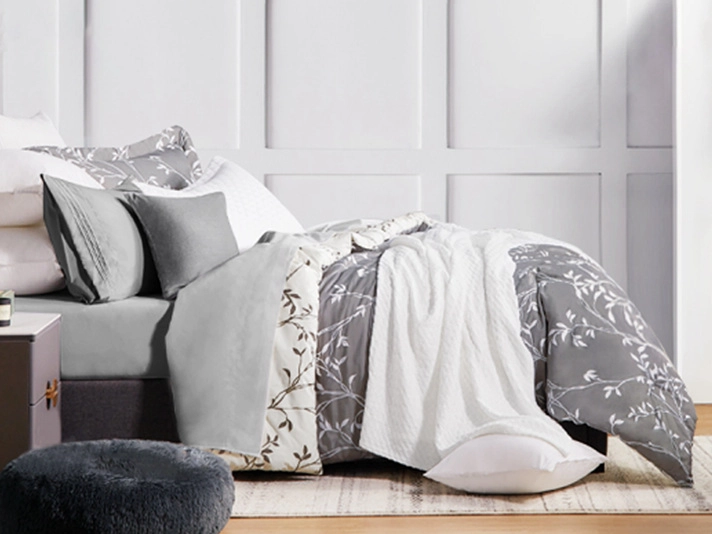
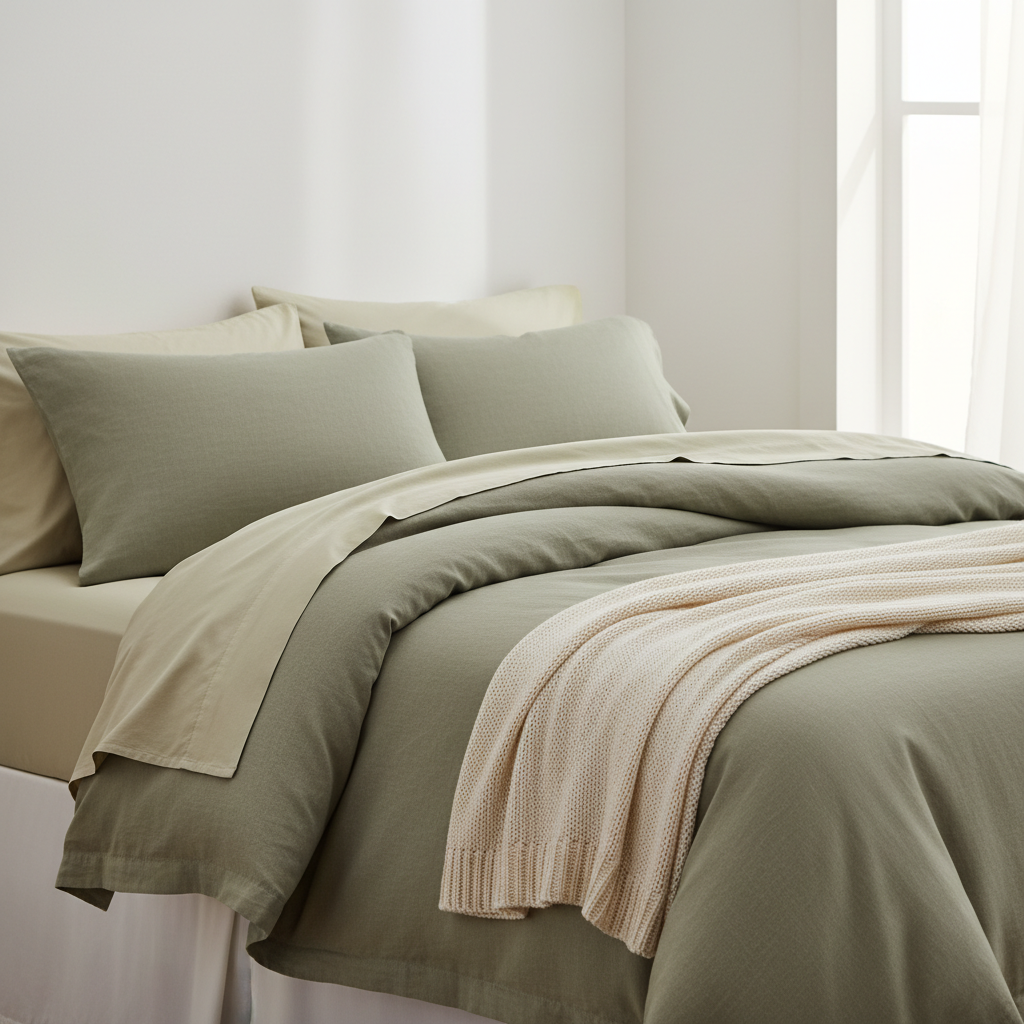
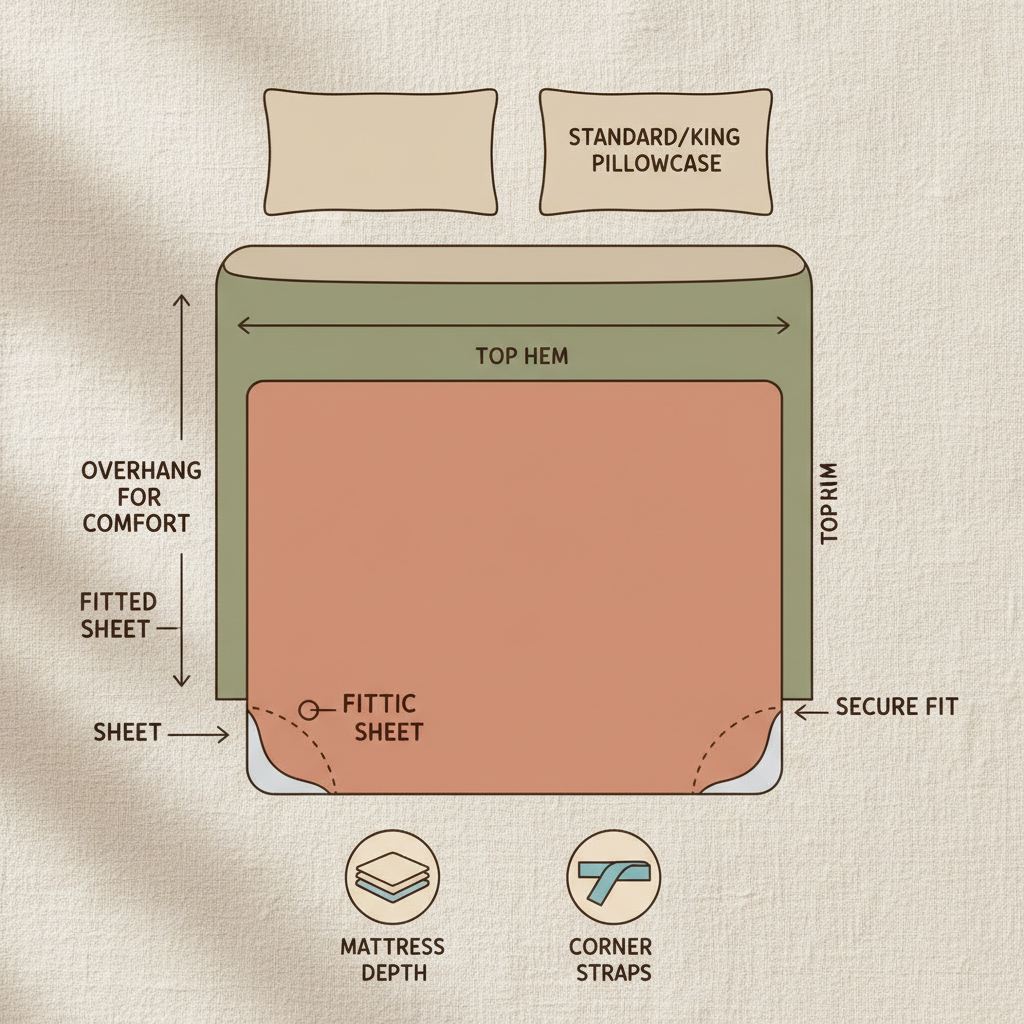
Linen duvet cover, huh? Been seeing a lot more demand lately. Seems everyone’s realized polyester just doesn’t breathe the way natural fibers do. To be honest, I was surprised it took this long. We’ve been pushing linen blends for years, but a full linen duvet cover… that’s a different beast. It’s not just about being fancy, either. People are actually thinking about sleep quality, which is… good, I guess.
It’s funny, you spend all day on construction sites, dealing with concrete and steel, and suddenly you're talking about thread counts and French seams. Have you noticed how obsessed people get with the little details in bedding? It’s wild. But it matters, apparently. A good night’s sleep can make or break a day, and frankly, a lot of those cheap synthetic covers just don’t cut it.
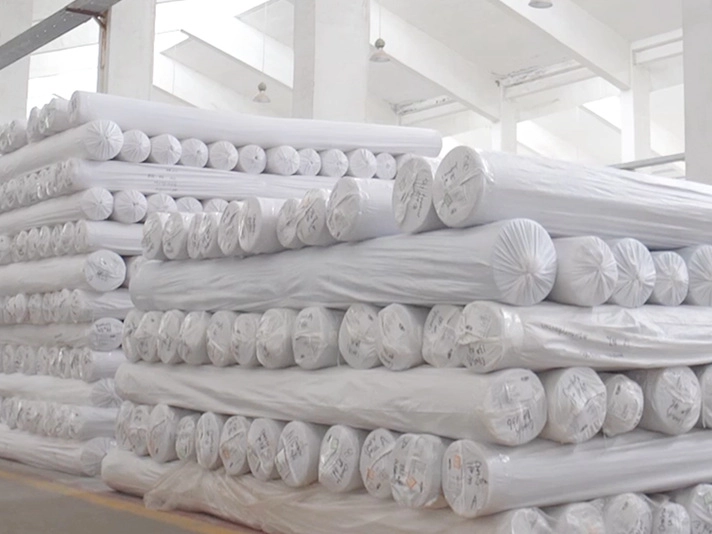
The biggest issue I see, and I encountered this at a textile factory in Nantong last time, is people trying to cut corners on the linen sourcing. You get what you pay for, plain and simple. Cheap linen is scratchy, pills like crazy, and doesn’t get that lovely soft drape everyone wants.
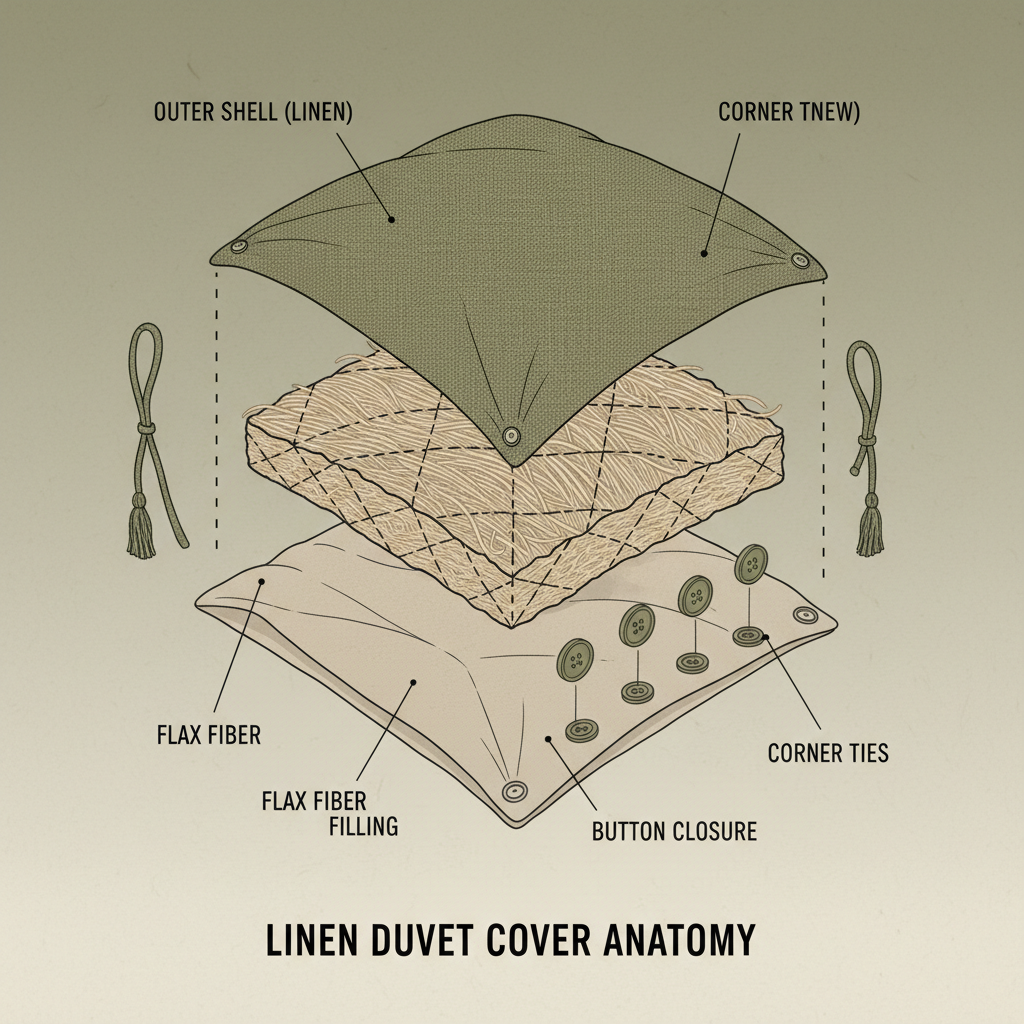
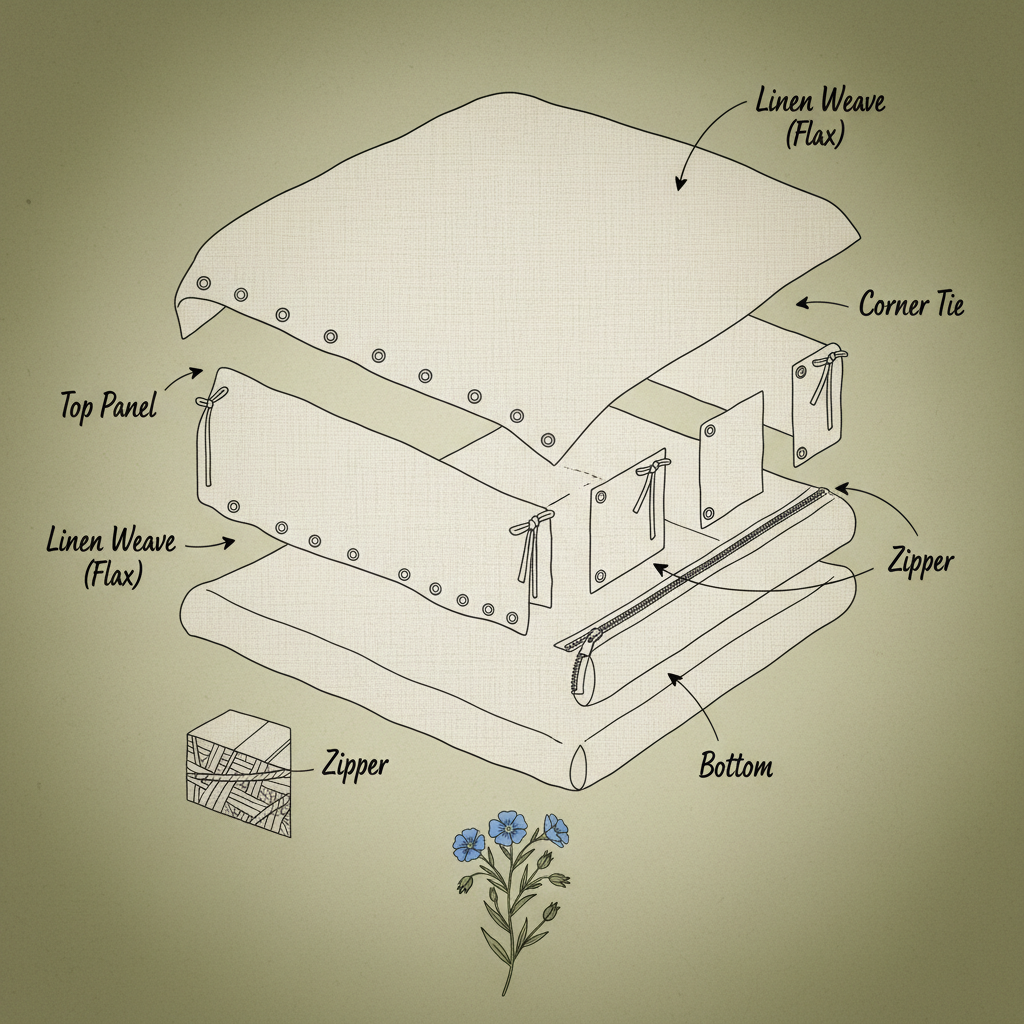
It's not a fad, really. People are more aware of what they’re bringing into their homes. Sustainability is a big part of it, but so is just wanting something that feels good. Linen is naturally hypoallergenic, which is a big selling point for folks with allergies. And it gets softer with every wash, which is a nice little perk. Strangely enough, the demand spiked after that article in Architectural Digest featuring a minimalist bedroom all in linen. Marketing, I guess.
We're seeing it across the board – hotels upgrading their bedding, Airbnbs trying to create a more luxurious experience, and just regular folks wanting a better night’s sleep. The whole “slow living” movement has definitely played a role too. It’s about investing in quality items that last, not just disposable trends.
Generally, cold water and a gentle cycle are your best bet. Avoid harsh detergents and fabric softeners, as they can damage the fibers. Line drying is ideal, but if you use a dryer, keep it on low heat. And don’t be afraid of wrinkles! They’re part of the charm. A quick tumble on low with a few tennis balls can help fluff it up.
That depends on your lifestyle. If you sleep with pets or sweat a lot, you’ll want to wash it more frequently – maybe once a week. Otherwise, every two to four weeks should be sufficient. You can always spot clean any stains in between washes. Don't overthink it, though. Linen is pretty resilient.
Yes, it can shrink a little, especially after the first wash. That's why it's important to buy a duvet cover that's slightly larger than your duvet. Most manufacturers account for this shrinkage, but it's always a good idea to double-check the dimensions. Avoid hot water and high heat in the dryer to minimize shrinkage.
That’s a tough one. It's definitely an investment. But if you value quality, durability, and comfort, then yes, it's absolutely worth it. A good linen duvet cover will last for years, providing you with a luxurious and breathable sleeping experience. Plus, it's a sustainable choice.
Embrace them! Seriously, wrinkles are part of the linen look. But if you really can't stand them, you can iron it on a low setting while it's still slightly damp. Or, throw it in the dryer with a few clean tennis balls for a few minutes. A spray bottle with a little water can also help.
Absolutely! Linen pairs well with cotton, silk, and even wool. Mixing textures can create a visually interesting and cozy bedroom. Just be mindful of the care instructions for each fabric. You don’t want to accidentally shrink your silk sheets while washing your linen duvet cover.
So, there you have it. Linen duvet covers. They’re not perfect, they’re a bit expensive, and they definitely wrinkle. But they’re also incredibly comfortable, durable, and sustainable. They're a solid choice for anyone looking to upgrade their sleep experience and invest in quality bedding. It's a long-term investment, that's for sure.
Ultimately, whether this thing works or not, the worker will know the moment he tightens the screw. And in this case, the worker is you, tucked in bed, getting a good night’s sleep. Check out our selection of linen duvet cover at Longshow Textile.

 Afrikaans
 Albanian
 Amharic
 Arabic
 Armenian
 Azerbaijani
 Basque
 Belarusian
 Bengali
 Bosnian
 Bulgarian
 Catalan
 Cebuano
 China
China
 Corsican
 Croatian
 Czech
Czech
 Danish
 Dutch
Dutch
 Esperanto
 Estonian
 Finnish
 French
 Frisian
 Galician
 Georgian
 German
 Greek
Greek
 Gujarati
 Haitian Creole
 Hausa
Hausa
 Hawaiian
 Hebrew
 Hindi
Hindi
 Miao
Miao
 Hungarian
 Icelandic
 Igbo
Igbo
 Indonesian
 Irish
Irish
 Italian
 Japanese
 Javanese
 Kannada
 Kazakh
 Khmer
Khmer
 Rwandese
 Korean
 Kurdish
 Kyrgyz
 Lao
Lao
 Latin
Latin
 Latvian
 Lithuanian
 Luxembourgish
 Macedonian
 Malgashi
 Malay
Malay
 Malayalam
 Maltese
 Maori
Maori
 Marathi
 Mongolian
 Myanmar
 Nepali
 Norwegian
 Norwegian
 Occitan
 Pashto
 Persian
 Polish
 Portuguese
 Punjabi
 Romanian
 Russian
 Samoan
 Scottish Gaelic
 Serbian
 Sesotho
 Shona
Shona
 Sindhi
 Sinhala
 Slovak
 Slovenian
 Somali
 Spanish
 Sundanese
 Swahili
 Swedish
 Tagalog
 Tajik
Tajik
 Tamil
Tamil
 Tatar
Tatar
 Telugu
 Thai
Thai
 Turkish
 Turkmen
 Ukrainian
 Urdu
Urdu
 Uighur
 Uzbek
Uzbek
 Vietnamese
 Welsh
Welsh
 Bantu
Bantu
 Yiddish
 Yoruba
 Zulu
Zulu
 English