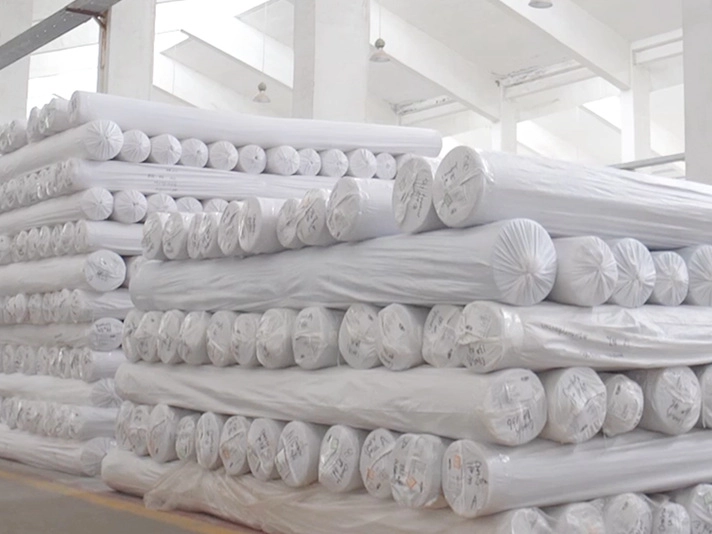
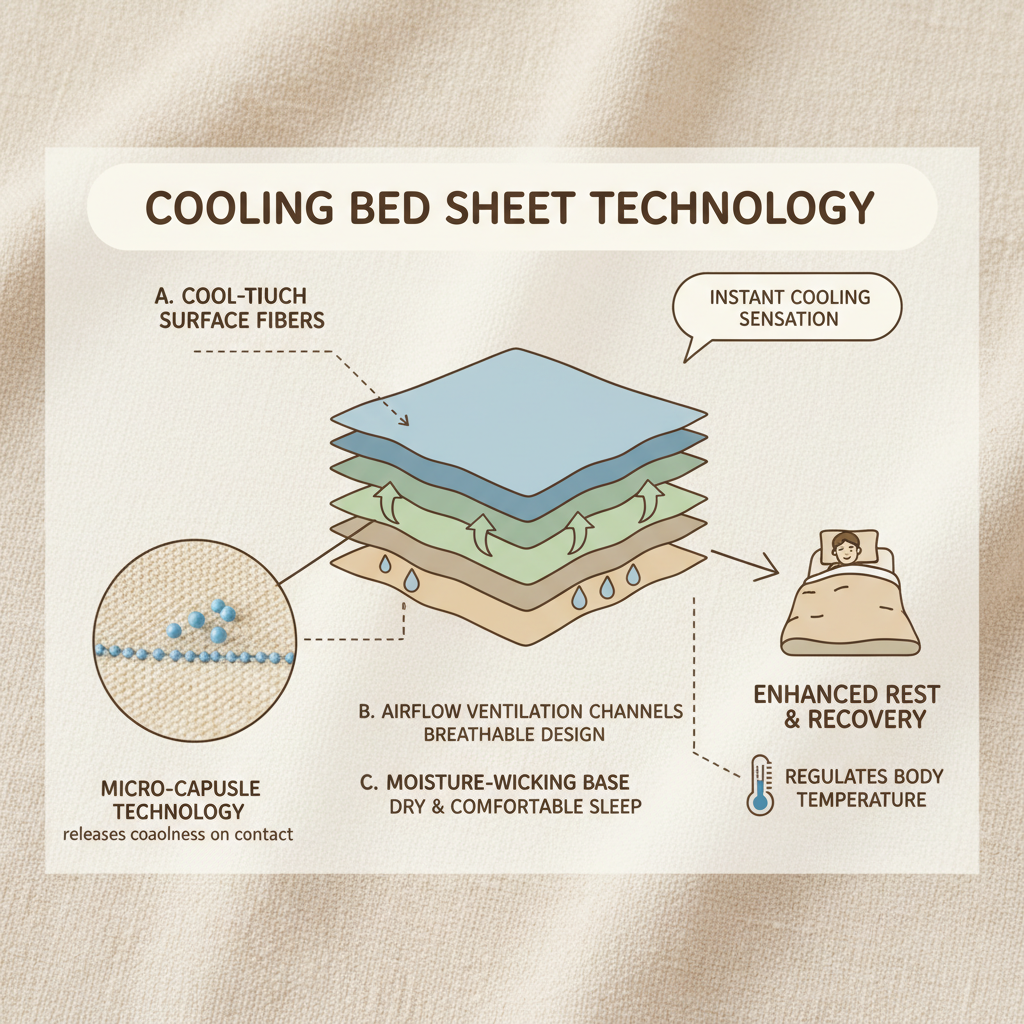
The global shift towards sustainable living has profoundly impacted the textile industry, driving demand for eco-friendly materials and processes. green bedding represents a significant response to this demand, offering consumers a responsible choice that minimizes environmental impact without compromising on comfort or quality. From organically grown cotton to innovative bamboo fabrics, the options for creating a more sustainable sleep environment are expanding rapidly.
The textile industry is a significant contributor to global pollution, through water usage, chemical dyes, and waste generation. green bedding offers a tangible solution to mitigate these issues. By prioritizing materials like organic cotton, hemp, linen, and bamboo, manufacturers are reducing their reliance on harmful pesticides, conserving water, and minimizing waste. This approach aligns with broader global sustainability goals set by organizations like the UN and ISO.
Beyond environmental benefits, green bedding also addresses growing consumer concerns about health and wellbeing. Conventional textiles can contain residual chemicals from manufacturing processes, potentially causing skin irritation or allergic reactions. Eco-friendly bedding, on the other hand, is typically made with natural, non-toxic materials, providing a healthier and more comfortable sleep experience.

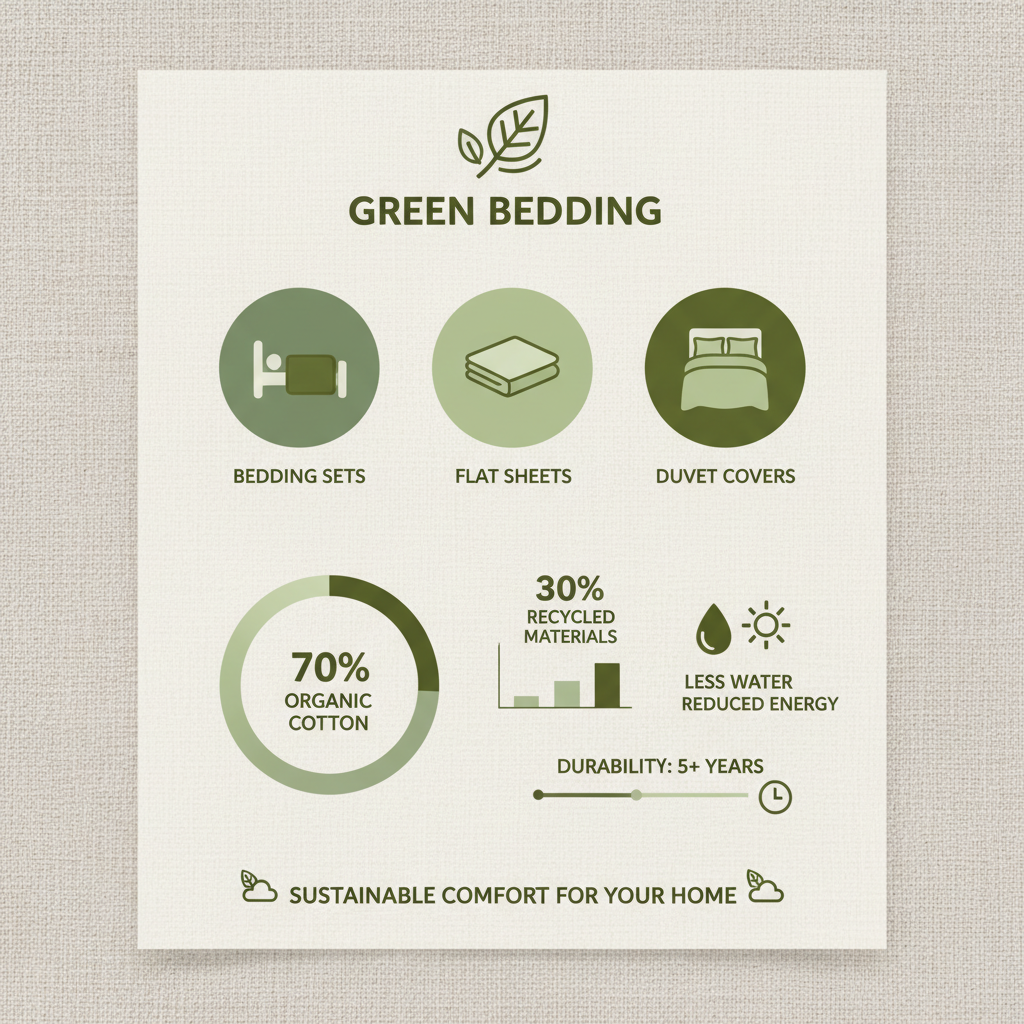
Green bedding encompasses a range of bedding products made from sustainable and eco-friendly materials, designed to minimize environmental impact and promote human health. This includes everything from sheets and pillowcases to duvet covers and mattress protectors. The growing awareness of environmental issues and the health risks associated with conventional textiles have fueled the demand for more sustainable alternatives.
The significance of green bedding extends beyond simply reducing our ecological footprint. It represents a shift towards a more circular economy, where materials are sourced responsibly, products are designed for longevity, and waste is minimized. It addresses critical issues such as water pollution, pesticide use, and greenhouse gas emissions associated with conventional textile production.
"Green" bedding refers to bedding made from environmentally sustainable materials and produced using eco-friendly practices. This includes organic cotton, bamboo, linen, and recycled fibers. Manufacturing processes that minimize water usage, chemical dyes, and waste are also key indicators. Look for certifications like GOTS or OEKO-TEX to verify sustainability claims. Choosing green bedding is a conscious step towards reducing your environmental footprint and supporting responsible textile production.
Generally, green bedding tends to have a higher upfront cost due to the more expensive sustainable materials and production methods. However, consider the long-term value. Sustainable materials are often more durable, meaning you won’t need to replace them as frequently. Furthermore, you’re investing in a healthier product and supporting environmentally responsible practices. Over time, the benefits can outweigh the initial cost difference.
Organic cotton bedding is grown without the use of harmful pesticides, herbicides, and synthetic fertilizers, making it a healthier choice for both the environment and your skin. It's also incredibly soft and breathable, providing a comfortable sleep experience. Organic cotton production promotes soil health, conserves water, and reduces exposure to toxic chemicals for farmers and workers.
Bamboo is a rapidly renewable resource, making it a potentially sustainable option. However, the process of turning bamboo into fabric (bamboo viscose/rayon) can involve harsh chemicals. Look for bamboo lyocell, a more eco-friendly process that uses a closed-loop system and minimizes chemical waste. Ensure the bamboo is sourced from responsibly managed forests to guarantee its sustainability.
To maximize the lifespan of your green bedding, follow the care instructions on the label. Generally, washing in cold water with a gentle detergent and avoiding harsh chemicals like bleach is recommended. Line drying is preferable to using a dryer, as it conserves energy and prevents shrinkage. Proper care ensures your bedding remains comfortable and sustainable for years to come.
Look for certifications like GOTS (Global Organic Textile Standard), OEKO-TEX Standard 100, and Fair Trade. GOTS ensures the organic status of textiles, from harvesting of the raw materials to environmentally and socially responsible manufacturing. OEKO-TEX certifies that textiles are free from harmful substances. Fair Trade ensures fair labor practices and sustainable farming methods. These certifications provide assurance that the bedding meets strict sustainability standards.
Green bedding represents a vital shift towards sustainability within the textile industry, offering a compelling solution to reduce environmental impact and promote human wellbeing. From the responsible sourcing of materials like organic cotton and bamboo to the adoption of eco-friendly manufacturing practices, this movement is transforming how we sleep. By prioritizing durability, transparency, and ethical production, green bedding provides a valuable alternative to conventional options.
Looking ahead, continued innovation in fiber technology, circular economy principles, and transparent supply chains will be crucial for further advancing the sustainability of the bedding industry. We encourage consumers to prioritize green bedding choices, not only for their personal health and comfort but also as a powerful statement of support for a more sustainable future. Visit our website at www.longshowtextiles.com to explore our range of eco-friendly bedding solutions.

 Afrikaans
 Albanian
 Amharic
 Arabic
 Armenian
 Azerbaijani
 Basque
 Belarusian
 Bengali
 Bosnian
 Bulgarian
 Catalan
 Cebuano
 China
China
 Corsican
 Croatian
 Czech
Czech
 Danish
 Dutch
Dutch
 Esperanto
 Estonian
 Finnish
 French
 Frisian
 Galician
 Georgian
 German
 Greek
Greek
 Gujarati
 Haitian Creole
 Hausa
Hausa
 Hawaiian
 Hebrew
 Hindi
Hindi
 Miao
Miao
 Hungarian
 Icelandic
 Igbo
Igbo
 Indonesian
 Irish
Irish
 Italian
 Japanese
 Javanese
 Kannada
 Kazakh
 Khmer
Khmer
 Rwandese
 Korean
 Kurdish
 Kyrgyz
 Lao
Lao
 Latin
Latin
 Latvian
 Lithuanian
 Luxembourgish
 Macedonian
 Malgashi
 Malay
Malay
 Malayalam
 Maltese
 Maori
Maori
 Marathi
 Mongolian
 Myanmar
 Nepali
 Norwegian
 Norwegian
 Occitan
 Pashto
 Persian
 Polish
 Portuguese
 Punjabi
 Romanian
 Russian
 Samoan
 Scottish Gaelic
 Serbian
 Sesotho
 Shona
Shona
 Sindhi
 Sinhala
 Slovak
 Slovenian
 Somali
 Spanish
 Sundanese
 Swahili
 Swedish
 Tagalog
 Tajik
Tajik
 Tamil
Tamil
 Tatar
Tatar
 Telugu
 Thai
Thai
 Turkish
 Turkmen
 Ukrainian
 Urdu
Urdu
 Uighur
 Uzbek
Uzbek
 Vietnamese
 Welsh
Welsh
 Bantu
Bantu
 Yiddish
 Yoruba
 Zulu
Zulu
 English