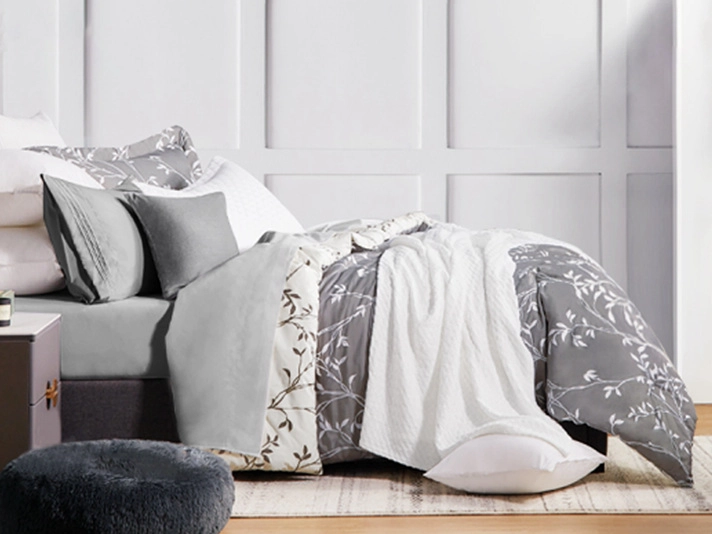
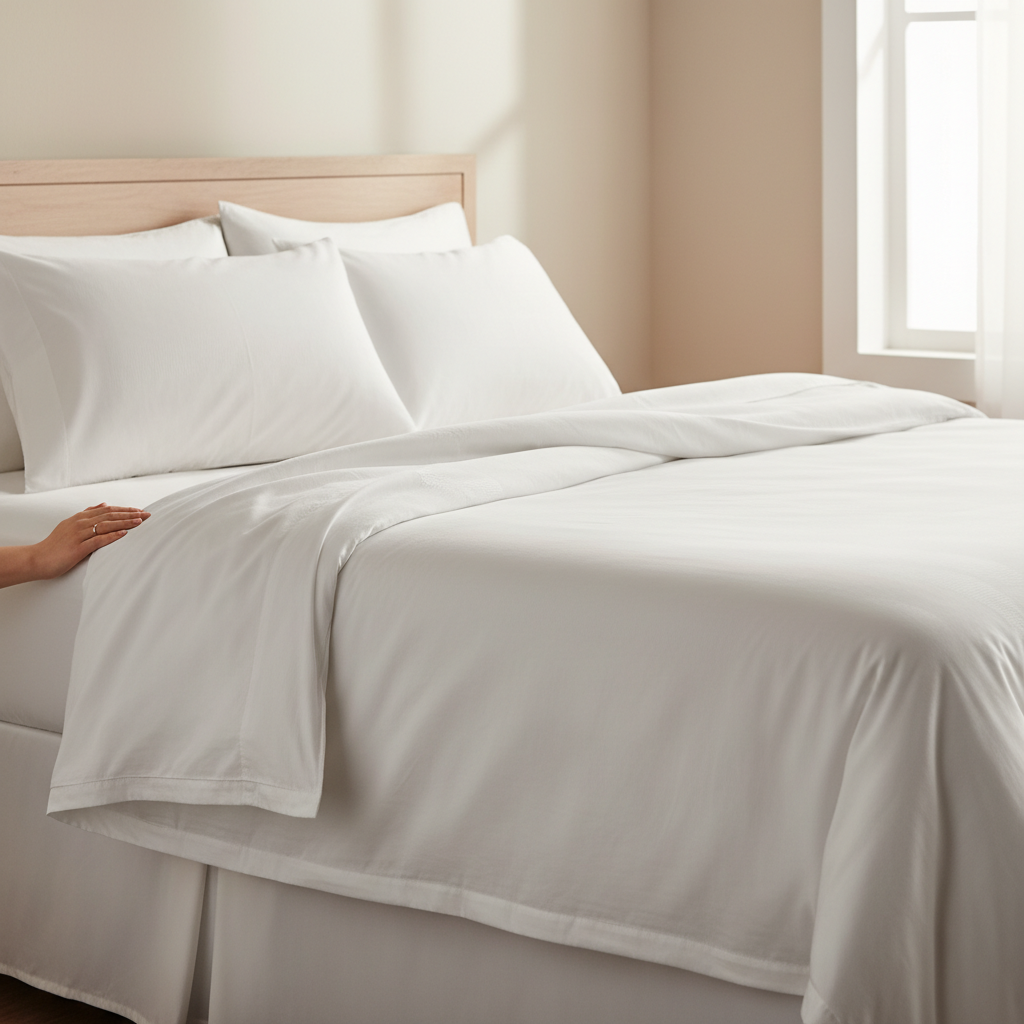
Cotton sheets have been a staple in households globally for centuries, evolving from simple linen coverings to the diverse range of materials and weaves available today. Their enduring popularity stems from a unique combination of comfort, affordability, and breathability, making them a fundamental component of restful sleep. Understanding the nuances of cotton sheets – from fiber type to weave construction – is crucial for both consumers seeking optimal sleep quality and manufacturers striving to meet evolving market demands.
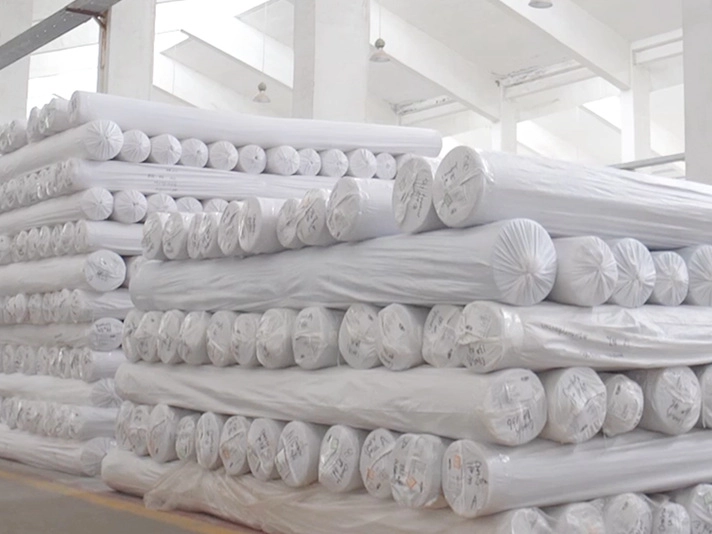
The global cotton sheet market is a significant contributor to the textile industry, with major production hubs in countries like India, China, Pakistan, and the United States. According to the International Cotton Advisory Committee (ICAC), global cotton production exceeded 25 million tonnes in 2023, a substantial portion of which is destined for the production of home textiles including sheets. This industry provides employment for millions and plays a critical role in the economies of cotton-producing regions.
However, the industry faces challenges related to sustainable farming practices, water usage, and ethical labor standards. The increasing consumer demand for eco-friendly and responsibly sourced products is driving innovation in organic cotton cultivation and manufacturing processes, ultimately influencing the future of cotton sheets.
The quality of cotton sheets directly impacts sleep quality and overall well-being. High-quality sheets are softer, more durable, and more breathable, contributing to a more comfortable and restful sleep experience. Conversely, lower-quality sheets can be scratchy, prone to pilling, and lack the breathability needed to regulate body temperature during sleep.
Investing in good quality cotton sheets is therefore an investment in health and comfort. Considering factors like thread count, fiber length, and weave type allows consumers to make informed choices and select sheets that meet their individual preferences and needs.
While higher thread counts often equate to softer sheets, it’s not the sole indicator of quality. A thread count between 300-600 generally offers a good balance of comfort and durability. Focus on the quality of the cotton itself – Egyptian or Pima cotton are preferred. Avoid sheets with extremely high thread counts (over 800) as they may be misleading or made with thinner, weaker yarns.
It’s recommended to wash your cotton sheets at least once a week, or more frequently if you sweat heavily or share your bed with pets. Washing in warm water with a mild detergent will help maintain their softness and cleanliness. Avoid using harsh chemicals or bleach, as these can damage the fibers.
Percale sheets have a crisp, cool feel due to their simple over-under weave. They are durable and breathable. Sateen sheets, on the other hand, have a silky-smooth texture resulting from a more complex weave. They are softer to the touch but may be less breathable than percale.
Organic cotton sheets are made from cotton grown without the use of harmful pesticides and fertilizers. This makes them a more sustainable and eco-friendly option. They are also often softer and gentler on the skin, making them ideal for those with sensitivities. While they may be more expensive, the long-term benefits for your health and the environment often justify the cost.
Pilling occurs when short fibers break loose from the yarn and form small balls on the surface of the sheet. To minimize pilling, choose sheets made from long-staple cotton like Egyptian or Pima. Wash your sheets inside out in a gentle cycle and avoid over-drying them. Using a fabric shaver can also help remove existing pills.
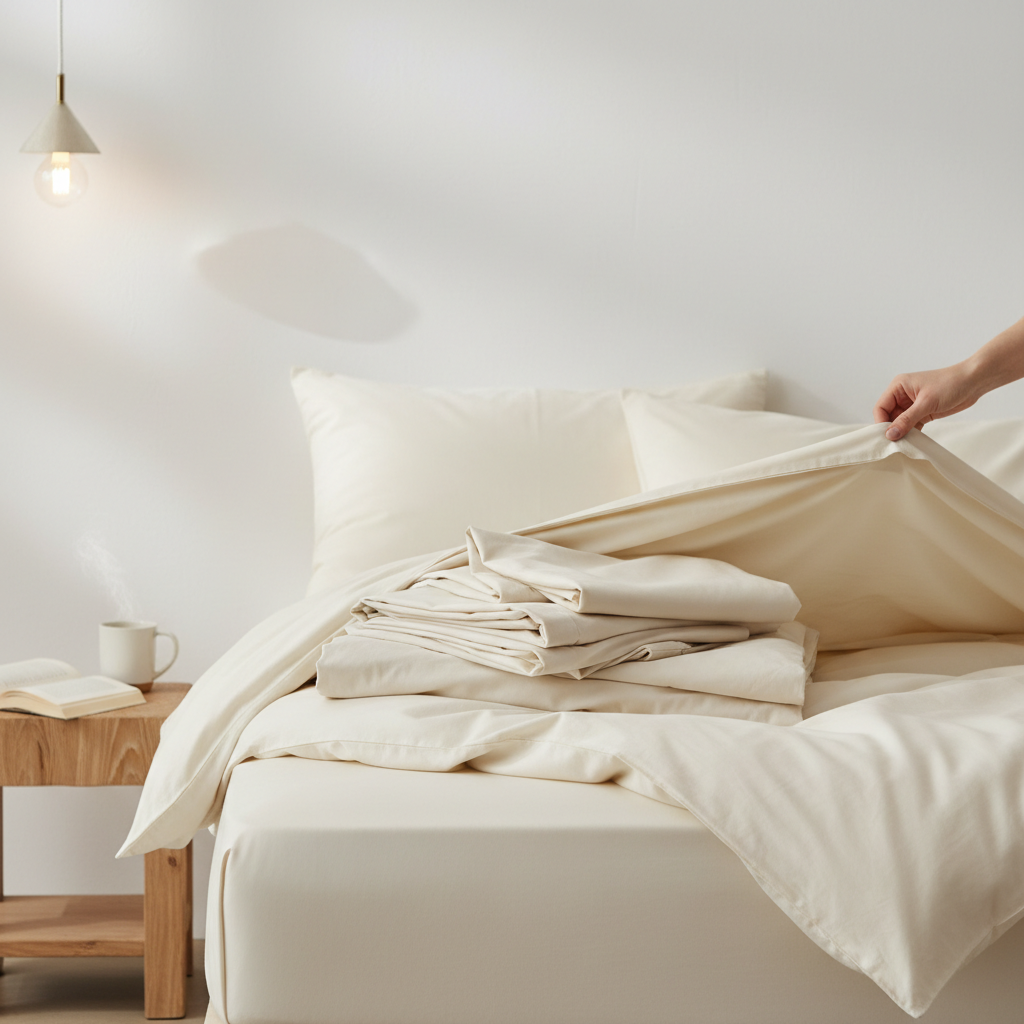
Store your cotton sheets in a cool, dry place away from direct sunlight. Avoid storing them in plastic bags, as this can trap moisture and lead to mildew. Instead, use breathable cotton storage bags or linen closet shelves. Fold them neatly to prevent wrinkles.
In conclusion, understanding the nuances of cotton sheets—from fiber type and weave construction to sustainable production practices—is crucial for making informed choices. High-quality cotton sheets offer not only superior comfort and durability but also contribute to a more sustainable and ethical textile industry. Investing in these essentials is an investment in your well-being and the planet.
As consumer awareness grows, the demand for responsibly sourced and innovative cotton sheets will continue to rise. By supporting manufacturers committed to sustainable practices and embracing new technologies, we can ensure a future where comfort and environmental responsibility go hand in hand. Visit our website at www.longshowtextiles.com to explore our collection of premium cotton sheets.

 Afrikaans
 Albanian
 Amharic
 Arabic
 Armenian
 Azerbaijani
 Basque
 Belarusian
 Bengali
 Bosnian
 Bulgarian
 Catalan
 Cebuano
 China
China
 Corsican
 Croatian
 Czech
Czech
 Danish
 Dutch
Dutch
 Esperanto
 Estonian
 Finnish
 French
 Frisian
 Galician
 Georgian
 German
 Greek
Greek
 Gujarati
 Haitian Creole
 Hausa
Hausa
 Hawaiian
 Hebrew
 Hindi
Hindi
 Miao
Miao
 Hungarian
 Icelandic
 Igbo
Igbo
 Indonesian
 Irish
Irish
 Italian
 Japanese
 Javanese
 Kannada
 Kazakh
 Khmer
Khmer
 Rwandese
 Korean
 Kurdish
 Kyrgyz
 Lao
Lao
 Latin
Latin
 Latvian
 Lithuanian
 Luxembourgish
 Macedonian
 Malgashi
 Malay
Malay
 Malayalam
 Maltese
 Maori
Maori
 Marathi
 Mongolian
 Myanmar
 Nepali
 Norwegian
 Norwegian
 Occitan
 Pashto
 Persian
 Polish
 Portuguese
 Punjabi
 Romanian
 Russian
 Samoan
 Scottish Gaelic
 Serbian
 Sesotho
 Shona
Shona
 Sindhi
 Sinhala
 Slovak
 Slovenian
 Somali
 Spanish
 Sundanese
 Swahili
 Swedish
 Tagalog
 Tajik
Tajik
 Tamil
Tamil
 Tatar
Tatar
 Telugu
 Thai
Thai
 Turkish
 Turkmen
 Ukrainian
 Urdu
Urdu
 Uighur
 Uzbek
Uzbek
 Vietnamese
 Welsh
Welsh
 Bantu
Bantu
 Yiddish
 Yoruba
 Zulu
Zulu
 English