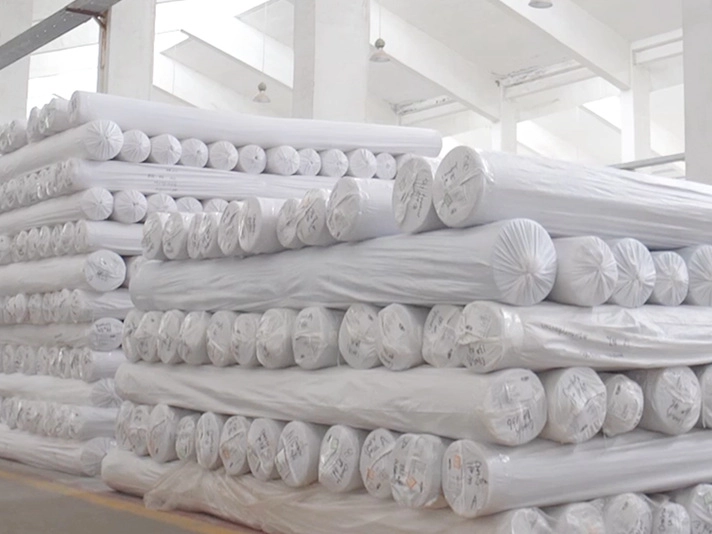
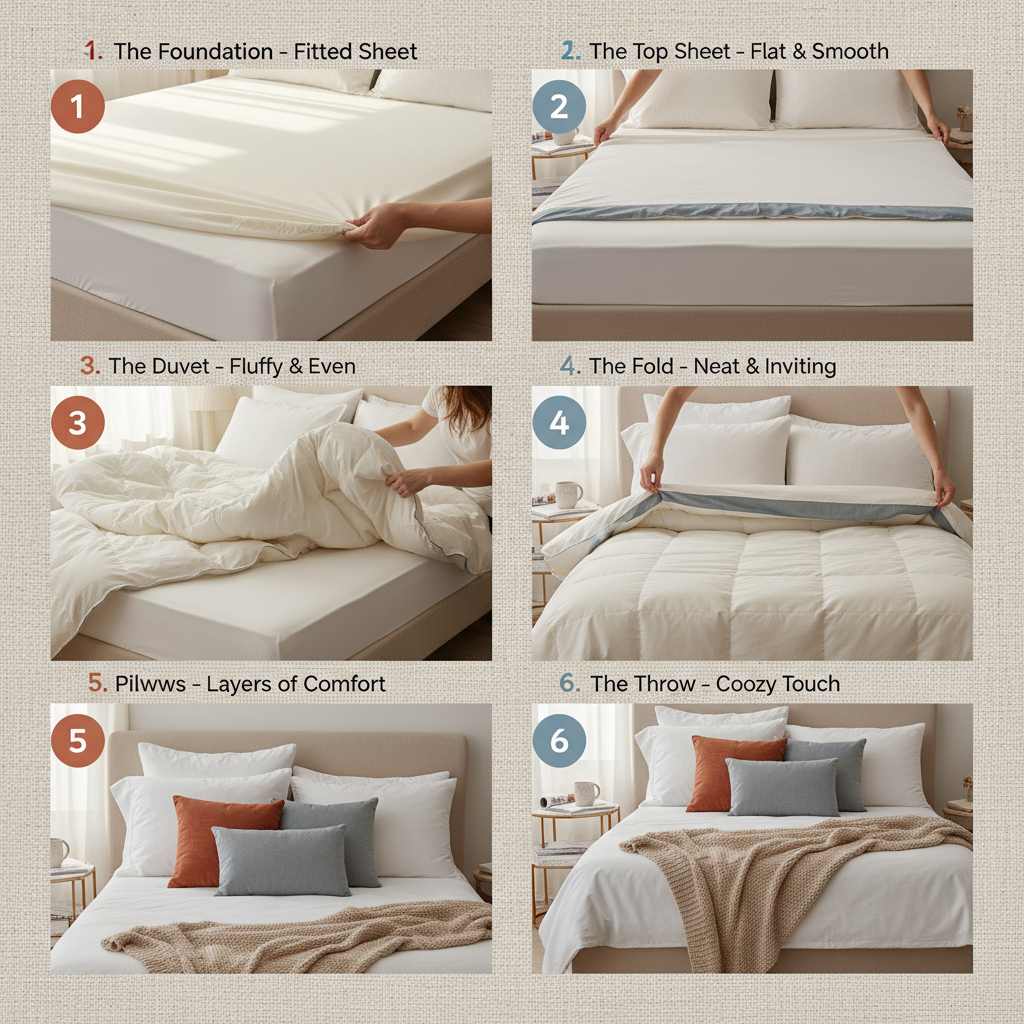
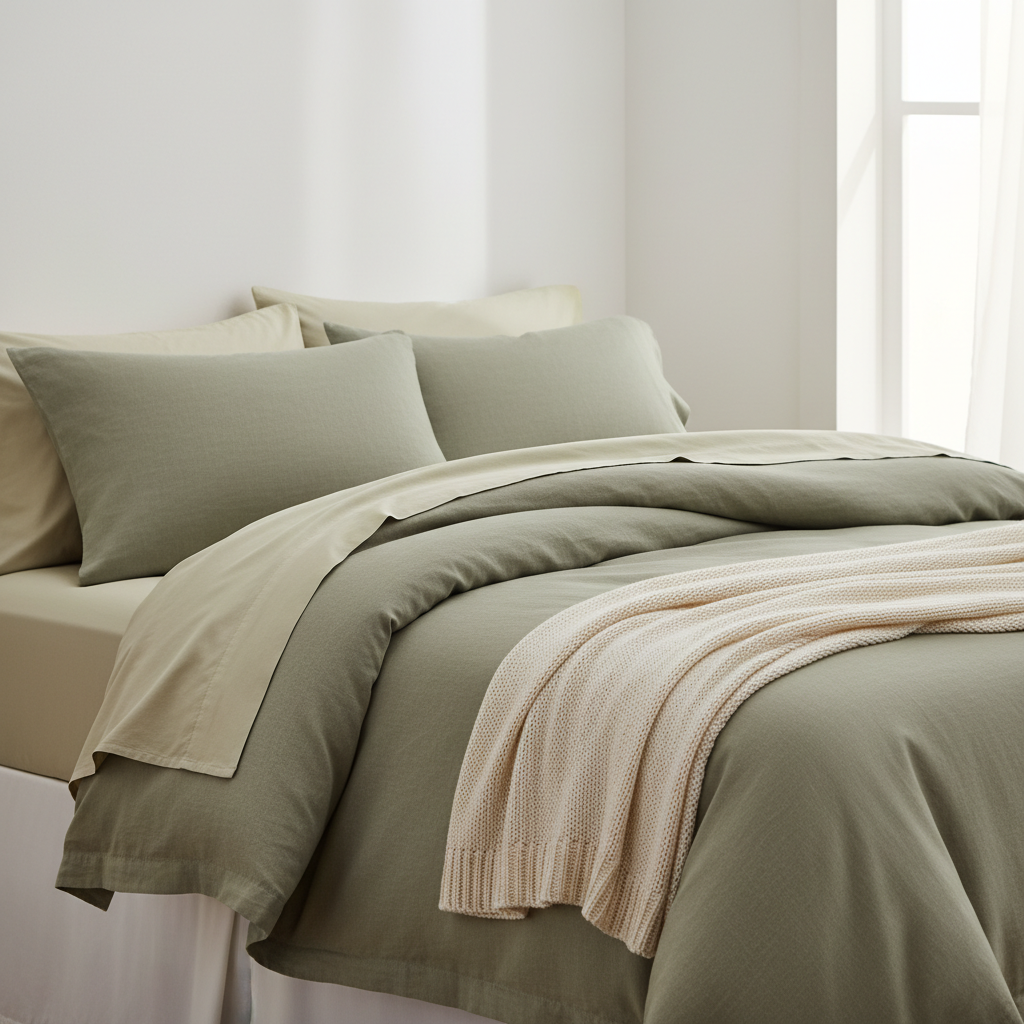
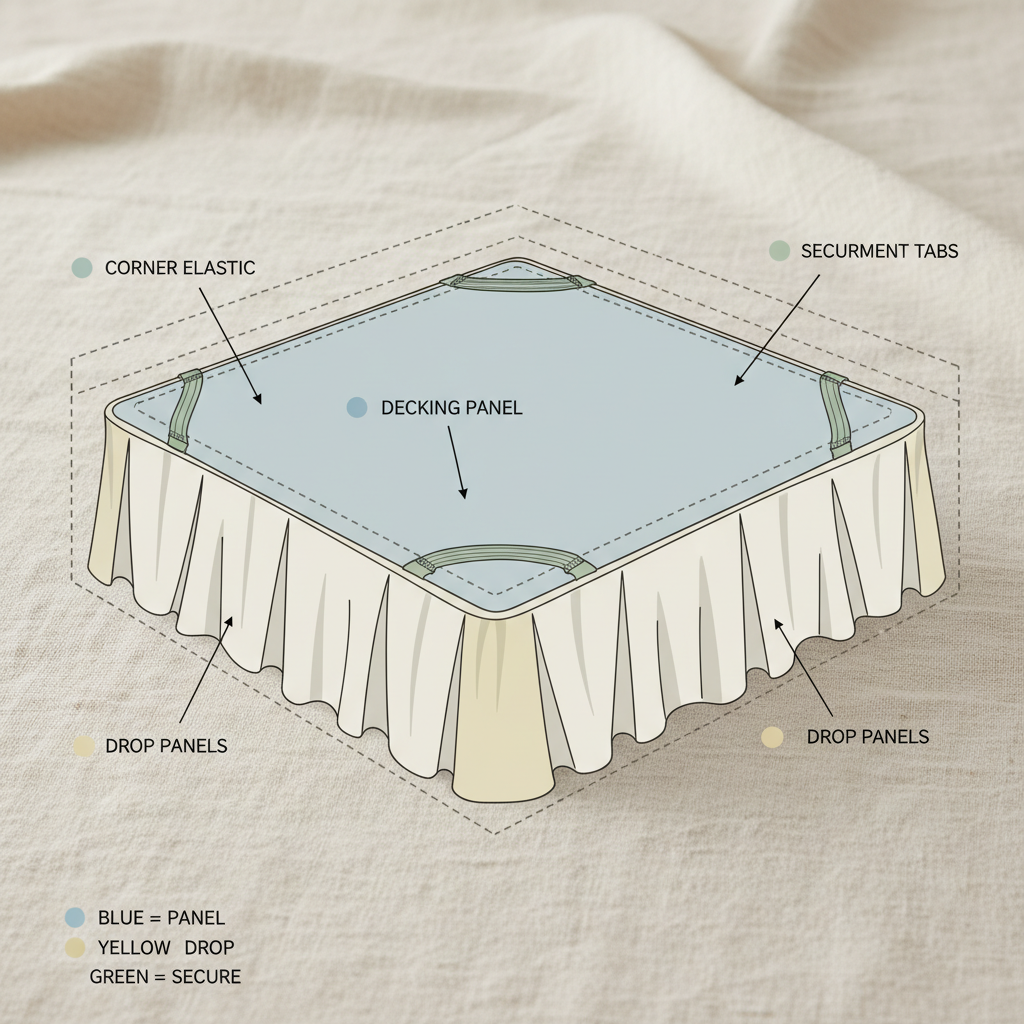
Sheet sets, encompassing fitted sheets, flat sheets, and pillowcases, represent a cornerstone of comfortable and hygienic sleep environments globally. Their prevalence isn't merely about personal preference; they are fundamental to public health initiatives in settings ranging from hospitals and hotels to disaster relief operations and individual homes. The global market for sheet sets is substantial, driven by factors like population growth, increasing disposable incomes, and a heightened awareness of sleep quality's impact on overall well-being. Understanding the nuances of sheet sets – from materials and weave types to production processes and sourcing – is increasingly crucial for businesses and consumers alike.
The demand for quality sheet sets is closely tied to the broader textile industry, a significant contributor to global economies, particularly in countries like China, India, Pakistan, and the United States. According to data from the World Trade Organization (WTO), textile and apparel accounted for approximately 5.4% of total world merchandise trade in 2022. However, the industry faces challenges related to sustainability, ethical labor practices, and supply chain disruptions. Efficient and responsible sourcing, production, and distribution of sheet sets are therefore vital considerations for maintaining market stability and consumer trust.
The ongoing evolution of consumer preferences, with a growing emphasis on eco-friendly materials and innovative textile technologies, is reshaping the sheet set landscape. This necessitates adaptability and investment in research and development to meet evolving demands while minimizing environmental impact. For example, the increasing demand for organic cotton and bamboo sheet sets reflects a broader trend towards sustainable consumption.
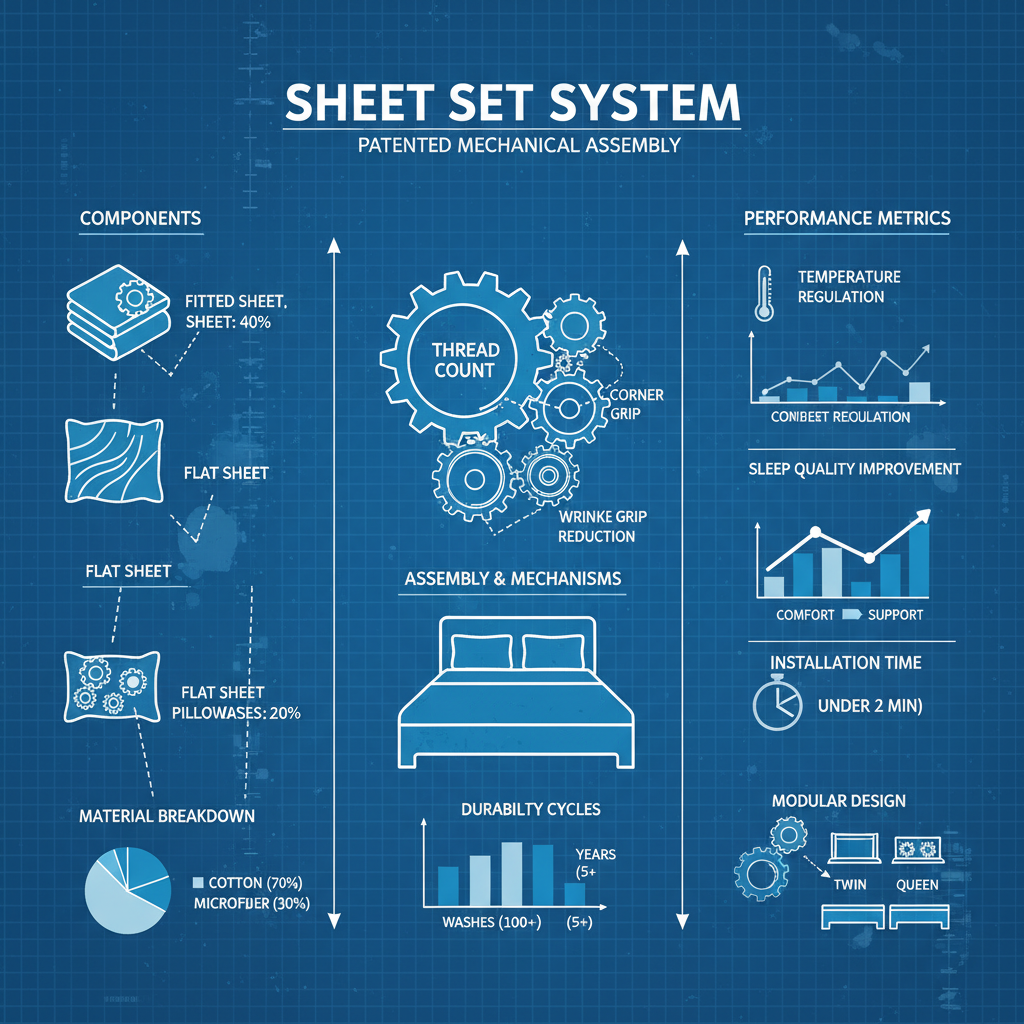
Sheet sets are more than just bedding; they represent a critical component of hygiene, comfort, and restful sleep, impacting individuals globally. From providing a clean sleeping surface in healthcare settings to offering a luxurious experience in hospitality, the versatility of sheet sets is undeniable. The market isn’t solely driven by aesthetic choices; functionality, durability, and material composition play increasingly significant roles.
The ongoing rise in awareness regarding sleep health, coupled with the demand for sustainable and ethically produced goods, has created a dynamic landscape for sheet set manufacturers. Consumers are now actively seeking out products that align with their values, driving innovation in materials and production processes. This translates to a demand for sheet sets crafted from organic cotton, bamboo, or recycled fibers, all offering distinct benefits in terms of comfort and environmental impact.
While a higher thread count often suggests softness, it isn't the sole indicator of quality. Focus on the material—long-staple cotton like Egyptian or Pima is key. A thread count between 300-600 from a quality source is generally ideal. Beyond that, the impact diminishes, and manufacturers might use techniques to artificially inflate the count. Prioritize fiber quality and weave over simply chasing a high number.
Experts recommend washing sheet sets weekly to remove dust mites, dead skin cells, and allergens. This frequency helps maintain hygiene and prolongs the life of your bedding. However, if you have allergies or sensitivities, or if you sweat heavily during the night, washing more frequently might be necessary. Always follow the care instructions on the label.
Percale is a plain weave that creates a crisp, cool feel. It's known for its durability and breathability. Sateen, on the other hand, is a weave that creates a silky-smooth, luxurious feel. It’s softer to the touch but slightly less durable than percale. Your preference depends on your desired comfort and feel.
Organic cotton sheet sets are grown without harmful pesticides or synthetic fertilizers, making them a more sustainable and eco-friendly choice. They are also often softer and gentler on sensitive skin. While they typically cost more than conventional cotton sheets, the benefits for both your health and the environment can make them a worthwhile investment.
Linen is a naturally durable fiber, but requires specific care. Wash linen sheets in cool or lukewarm water on a gentle cycle. Avoid using harsh detergents or bleach. Tumble dry on low or hang to dry. Linen softens with each wash and may wrinkle easily, which is part of its charm.
Bamboo sheets are incredibly soft, breathable, and hypoallergenic. They are also known for their moisture-wicking properties, keeping you cool and comfortable throughout the night. Bamboo is a rapidly renewable resource, making it a sustainable alternative to traditional cotton. They are a great option for those seeking a luxurious and eco-friendly sleep experience.
In conclusion, sheet sets are far more than just a bedroom necessity. They represent a confluence of comfort, hygiene, sustainability, and evolving technological innovation. From the fiber composition and weave types to the manufacturing processes and ethical considerations, understanding the nuances of sheet sets is increasingly important for both consumers and industry professionals. The ongoing emphasis on quality, durability, and eco-consciousness is driving the market towards more responsible and sustainable practices.
Looking ahead, the future of sheet sets is poised to be shaped by advancements in materials science, smart textile technologies, and a continued commitment to environmental stewardship. Choosing quality sheet sets is an investment in personal well-being, responsible consumption, and a more sustainable future. Explore our comprehensive collection of sheet sets today and discover the perfect bedding for a restful and rejuvenating sleep.

 Afrikaans
 Albanian
 Amharic
 Arabic
 Armenian
 Azerbaijani
 Basque
 Belarusian
 Bengali
 Bosnian
 Bulgarian
 Catalan
 Cebuano
 China
China
 Corsican
 Croatian
 Czech
Czech
 Danish
 Dutch
Dutch
 Esperanto
 Estonian
 Finnish
 French
 Frisian
 Galician
 Georgian
 German
 Greek
Greek
 Gujarati
 Haitian Creole
 Hausa
Hausa
 Hawaiian
 Hebrew
 Hindi
Hindi
 Miao
Miao
 Hungarian
 Icelandic
 Igbo
Igbo
 Indonesian
 Irish
Irish
 Italian
 Japanese
 Javanese
 Kannada
 Kazakh
 Khmer
Khmer
 Rwandese
 Korean
 Kurdish
 Kyrgyz
 Lao
Lao
 Latin
Latin
 Latvian
 Lithuanian
 Luxembourgish
 Macedonian
 Malgashi
 Malay
Malay
 Malayalam
 Maltese
 Maori
Maori
 Marathi
 Mongolian
 Myanmar
 Nepali
 Norwegian
 Norwegian
 Occitan
 Pashto
 Persian
 Polish
 Portuguese
 Punjabi
 Romanian
 Russian
 Samoan
 Scottish Gaelic
 Serbian
 Sesotho
 Shona
Shona
 Sindhi
 Sinhala
 Slovak
 Slovenian
 Somali
 Spanish
 Sundanese
 Swahili
 Swedish
 Tagalog
 Tajik
Tajik
 Tamil
Tamil
 Tatar
Tatar
 Telugu
 Thai
Thai
 Turkish
 Turkmen
 Ukrainian
 Urdu
Urdu
 Uighur
 Uzbek
Uzbek
 Vietnamese
 Welsh
Welsh
 Bantu
Bantu
 Yiddish
 Yoruba
 Zulu
Zulu
 English