Look, I've been running around construction sites all year, dealing with dust, concrete, and the constant yelling of foremen. You start to notice things, you know? Lately, everyone’s talking about ‘smart’ bed sheets. Smart! Like a bed needs to be any smarter than it already is… keeps you from falling on the floor, that’s smart enough. But seriously, the push for integrated sensors, temperature regulation, even vibration for… well, let’s not go there. It's all about data now, apparently. Data about your sleep. Who needs it? I need a good eight hours, that's all the data I require.
Honestly, the biggest thing I’m seeing is a move towards more sustainable materials. Everyone's scared of the "greenwashing" label, so they're really digging into the sourcing and manufacturing processes. The old days of just slapping a label on anything and calling it eco-friendly are pretty much over. Thank goodness. It was a mess.
And let me tell you, getting those "sustainable" materials to actually perform on a consistent basis? That's the real challenge.
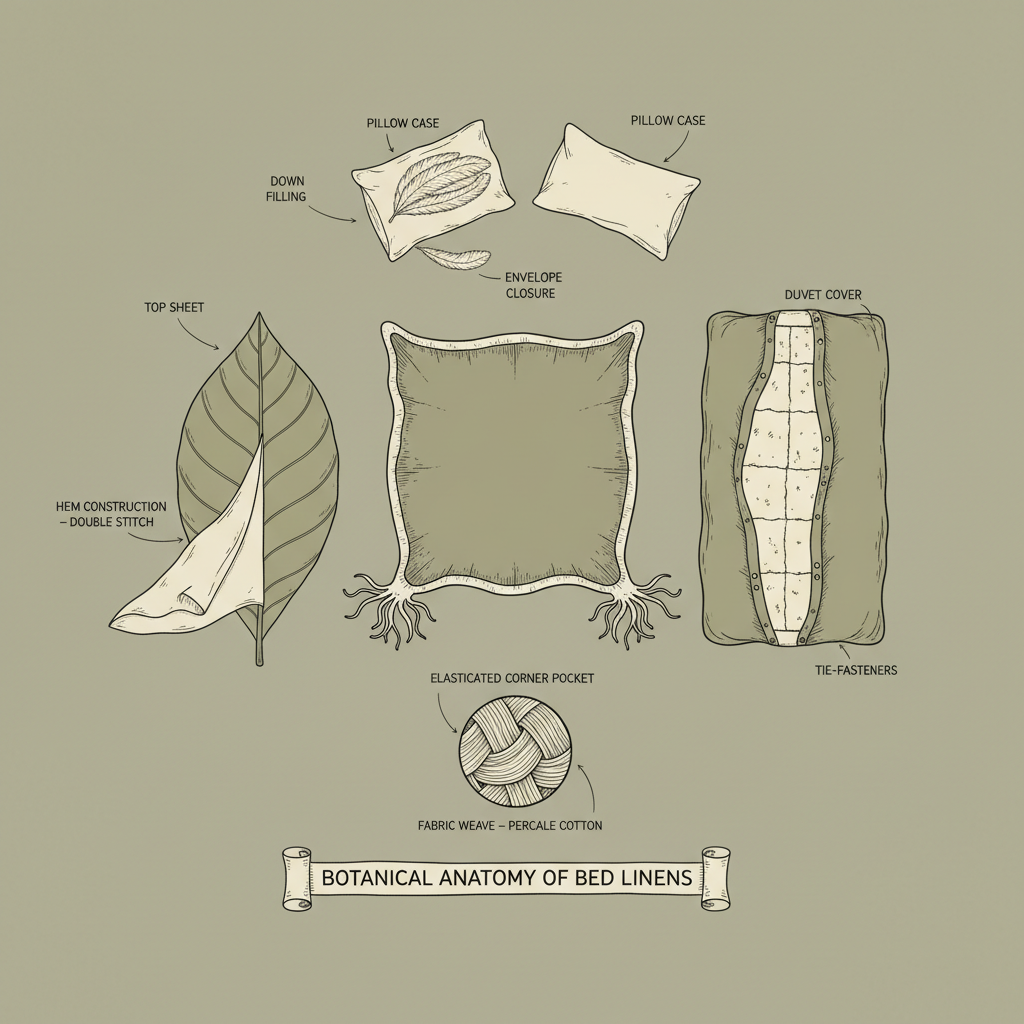
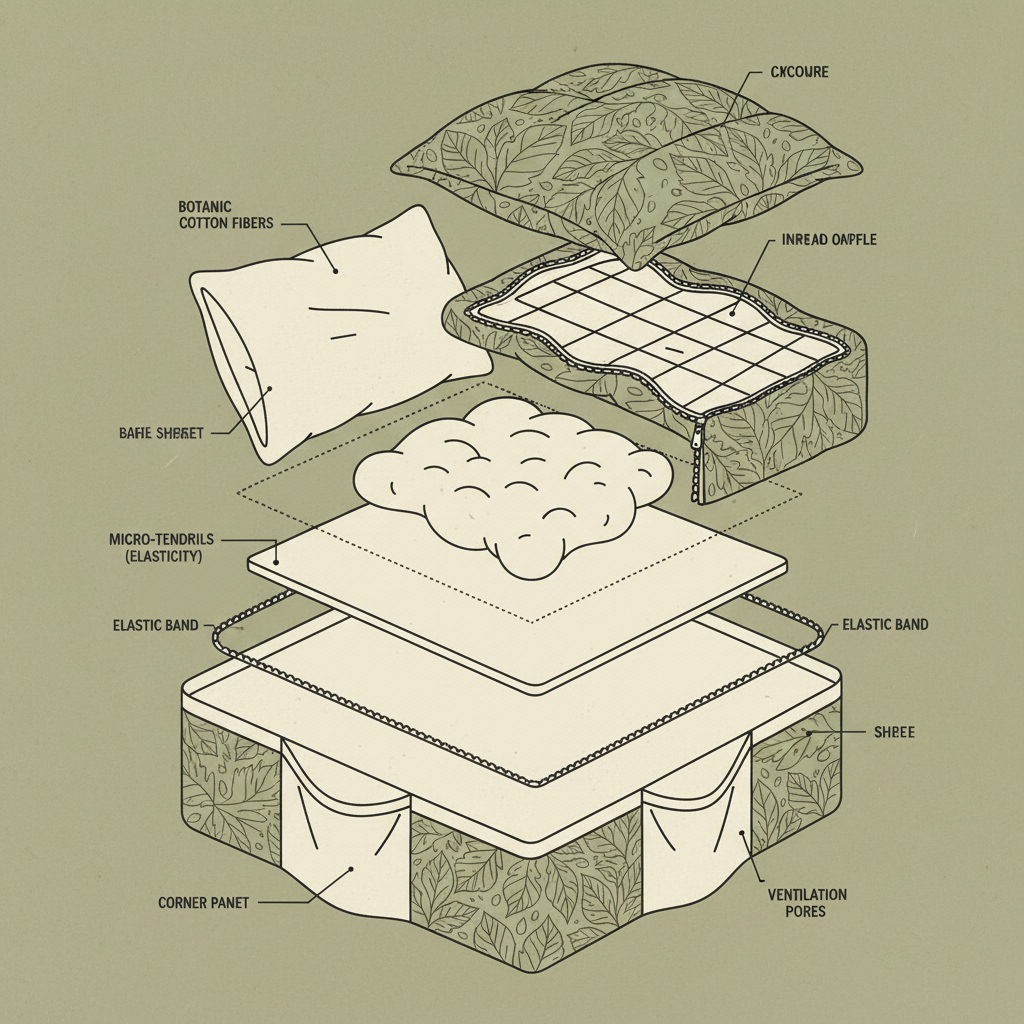
Have you noticed? It's not just about thread count anymore. It's all about integrating tech. Temperature regulation is big – folks want to stay cool in the summer, warm in the winter. And these sensors… they’re claiming to track your sleep stages, heart rate, all sorts of things. I met a guy at a textile fair who was pitching bed sheets that would automatically adjust firmness based on your sleep position. It sounded like science fiction, honestly. I think people just want a comfortable place to sleep, but hey, what do I know?
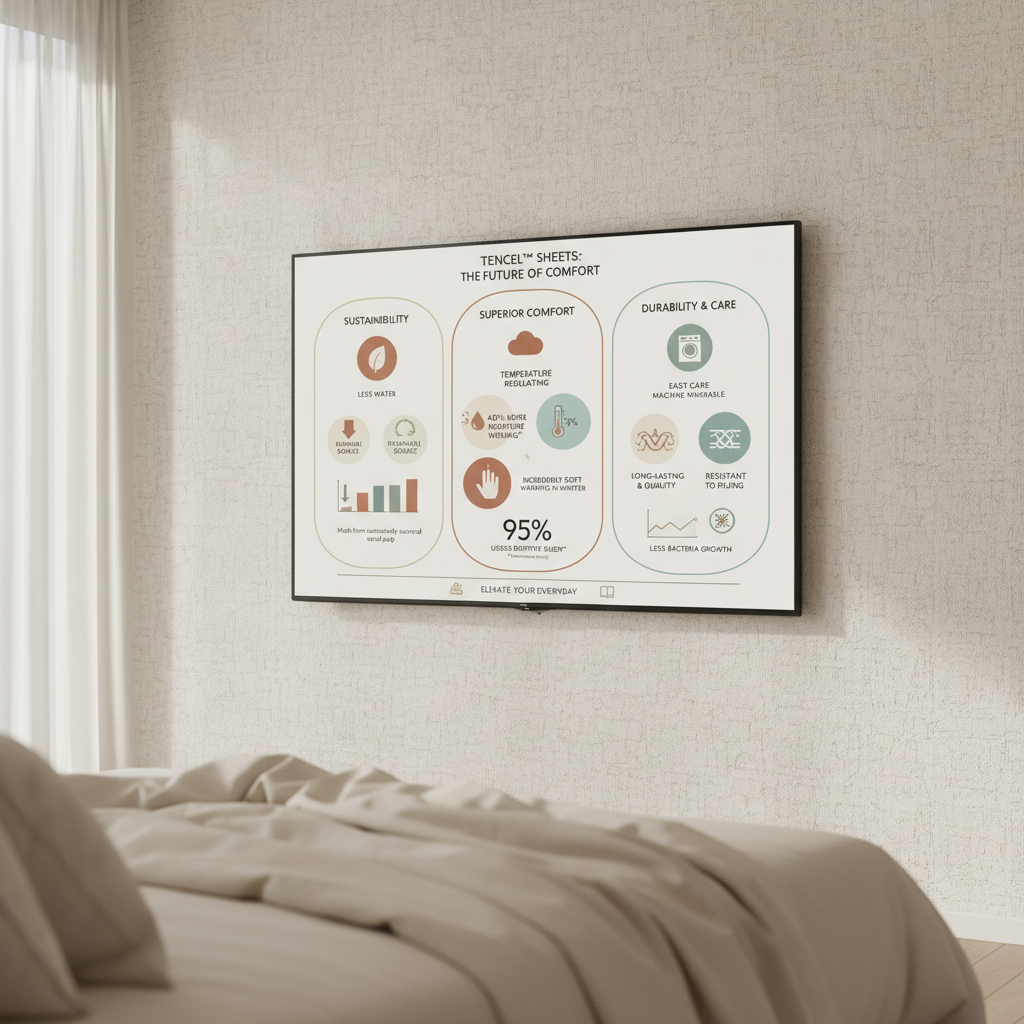
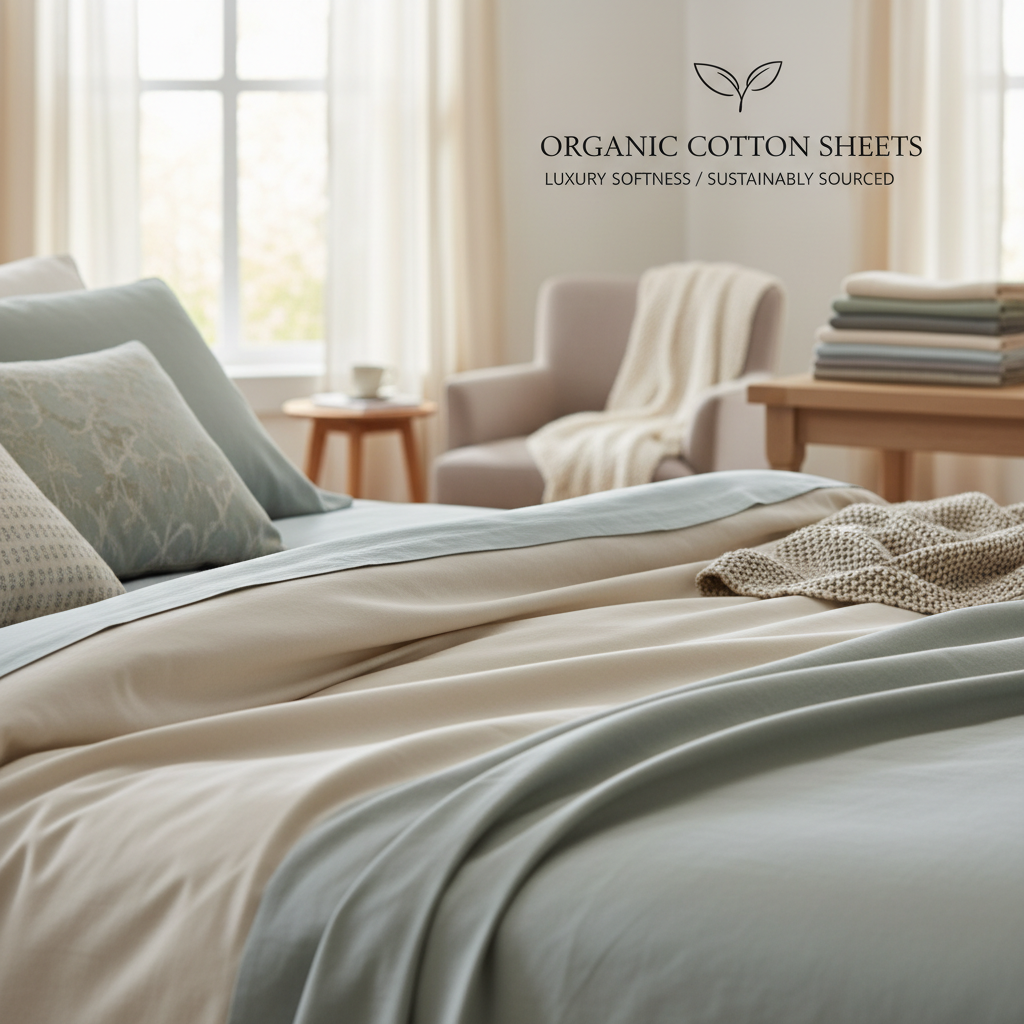
Then there's the whole sustainability push. Bamboo is everywhere. Organic cotton, too. And these new fabrics made from recycled plastic bottles… it’s good, but it feels… different. It’s not quite the same as the real thing, you know?
Honestly? It's overhyped. Anything above 400 doesn’t really make a huge difference. It’s more about the quality of the cotton. A good 300-400 thread count sheet made from long-staple cotton will feel much nicer than a cheap 800 thread count sheet made from short-staple cotton. Don't fall for the marketing hype.
Once a week is a good rule of thumb. But it depends. If you sweat a lot, or have pets, or eat in bed… you might want to wash them more often. Also, rotate your sheets. Have two or three sets so you’re not always using the same ones. That extends their lifespan.
Sateen has a silky, smooth feel. Percale is crisp and cool. Sateen is made by floating warp yarns over multiple weft yarns, which gives it that soft drape. Percale is a plain weave, so it's more durable but less luxurious feeling. It's personal preference, really. I prefer percale, personally, especially in the summer.
They’re comfortable, no doubt about it. Very soft and breathable. But they don't hold up as well as cotton. They tend to pill and lose their shape after a few washes. And the processing can be… less than eco-friendly, depending on the manufacturer. So do your research.
Linen is pretty tough, actually. You can wash it in the washing machine, but avoid bleach. And tumble dry on low heat. The wrinkles are part of the charm! Don’t try to iron them out. Just embrace the natural look. The more you wash them, the softer they get.
You can, but I wouldn’t recommend it. Bleach weakens the fibers and can yellow the sheets over time. If you need to brighten them up, try using a laundry booster like baking soda or hydrogen peroxide. Or just wash them in hot water with a good detergent. That usually does the trick.
So, yeah, the world of bed sheets is more complicated than you think. It's not just about picking a pretty color and a high thread count. It’s about materials, construction, durability, and how people actually use them. There’s a lot of hype out there, a lot of marketing spin. You gotta cut through the noise and focus on what really matters: a comfortable and restful night’s sleep.
Ultimately, whether this thing works or not, the worker will know the moment he tightens the screw. And that’s the truth of it. If the sheets feel good, wash well, and last, they’re good sheets. If they don’t, they're not. Simple as that. You can find the best selection on our website: bed sheets

 Afrikaans
 Albanian
 Amharic
 Arabic
 Armenian
 Azerbaijani
 Basque
 Belarusian
 Bengali
 Bosnian
 Bulgarian
 Catalan
 Cebuano
 China
China
 Corsican
 Croatian
 Czech
Czech
 Danish
 Dutch
Dutch
 Esperanto
 Estonian
 Finnish
 French
 Frisian
 Galician
 Georgian
 German
 Greek
Greek
 Gujarati
 Haitian Creole
 Hausa
Hausa
 Hawaiian
 Hebrew
 Hindi
Hindi
 Miao
Miao
 Hungarian
 Icelandic
 Igbo
Igbo
 Indonesian
 Irish
Irish
 Italian
 Japanese
 Javanese
 Kannada
 Kazakh
 Khmer
Khmer
 Rwandese
 Korean
 Kurdish
 Kyrgyz
 Lao
Lao
 Latin
Latin
 Latvian
 Lithuanian
 Luxembourgish
 Macedonian
 Malgashi
 Malay
Malay
 Malayalam
 Maltese
 Maori
Maori
 Marathi
 Mongolian
 Myanmar
 Nepali
 Norwegian
 Norwegian
 Occitan
 Pashto
 Persian
 Polish
 Portuguese
 Punjabi
 Romanian
 Russian
 Samoan
 Scottish Gaelic
 Serbian
 Sesotho
 Shona
Shona
 Sindhi
 Sinhala
 Slovak
 Slovenian
 Somali
 Spanish
 Sundanese
 Swahili
 Swedish
 Tagalog
 Tajik
Tajik
 Tamil
Tamil
 Tatar
Tatar
 Telugu
 Thai
Thai
 Turkish
 Turkmen
 Ukrainian
 Urdu
Urdu
 Uighur
 Uzbek
Uzbek
 Vietnamese
 Welsh
Welsh
 Bantu
Bantu
 Yiddish
 Yoruba
 Zulu
Zulu
 English