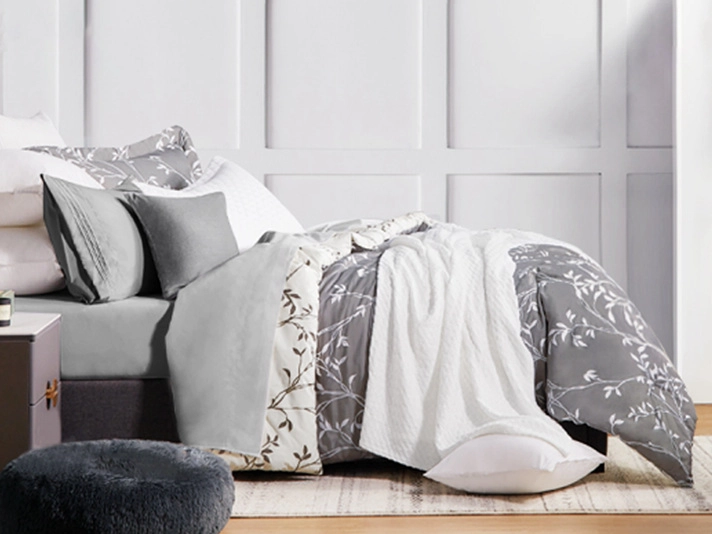
In today’s fast-paced world, prioritizing sleep quality is more crucial than ever. A key component of achieving restful sleep lies in the bedding we choose, and increasingly, consumers are turning to cooling bed sheets to combat overheating during the night. These specialized sheets are designed to regulate body temperature, promoting a more comfortable and restorative sleep experience. This isn't merely a comfort trend; it's a growing necessity given rising global temperatures and increased awareness of sleep’s impact on overall health.
The demand for cooling bed sheets is fueled by several factors, including climate change leading to warmer nights, and a greater understanding of the physiological benefits of sleeping at an optimal temperature. According to the National Sleep Foundation, the ideal bedroom temperature for sleep is between 60 and 67 degrees Fahrenheit. Maintaining this temperature can be challenging, particularly during summer months, making cooling bed sheets a practical and effective solution. The market is responding with innovative materials and technologies aimed at maximizing breathability and moisture-wicking capabilities.
Beyond individual comfort, the benefits of improved sleep extend to productivity, emotional well-being, and long-term health. Cooling bed sheets are no longer a niche product but a mainstream solution for those seeking to enhance their sleep environment and unlock the full potential of a good night's rest. Understanding the science behind these sheets and the factors that contribute to their effectiveness is key to making an informed purchasing decision.
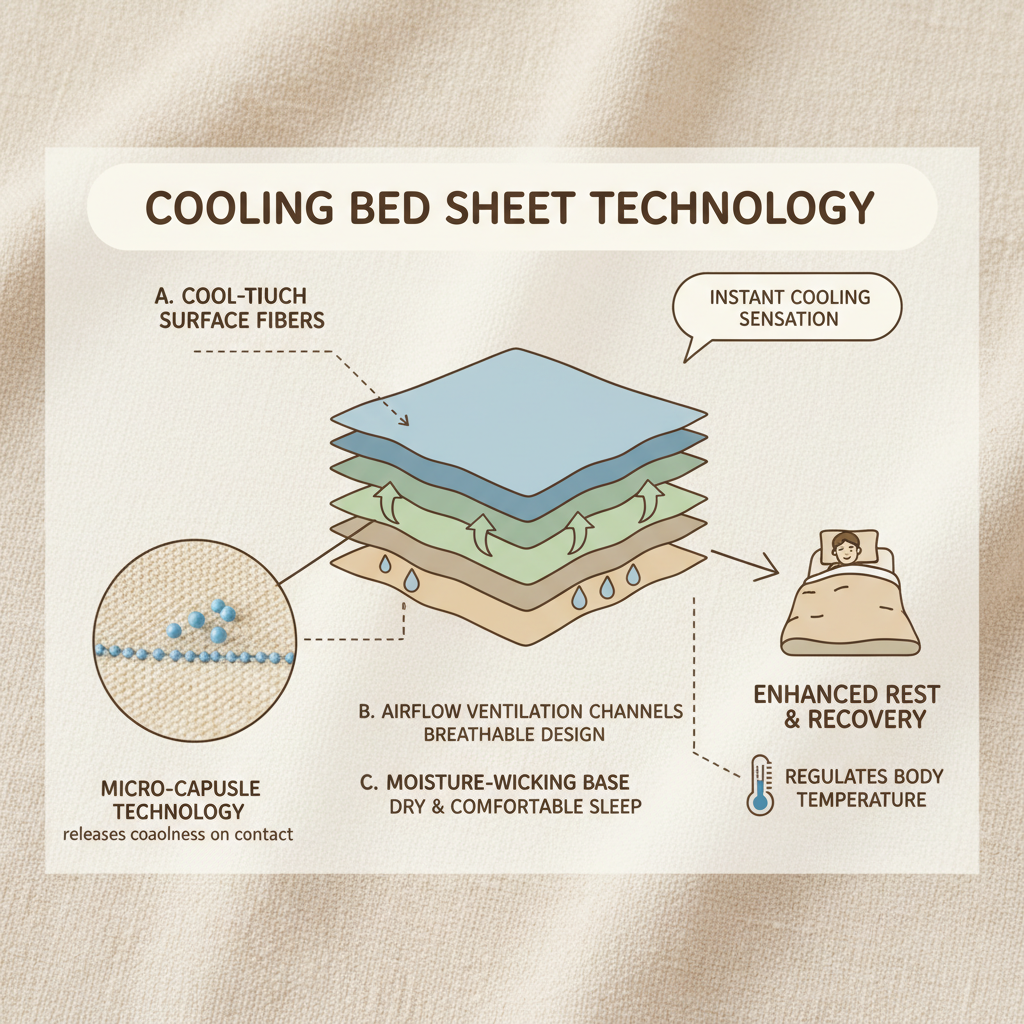
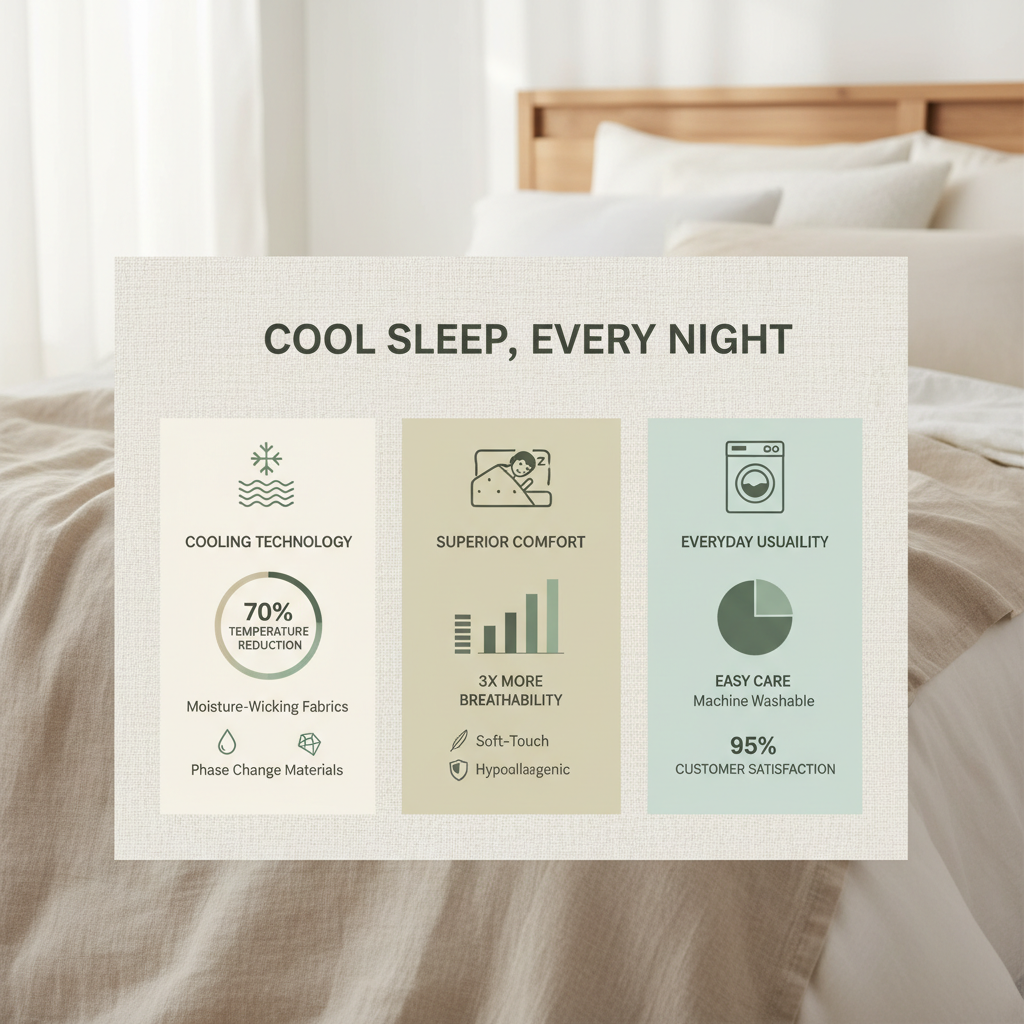
Cooling bed sheets represent a significant advancement in sleep technology, offering a proactive solution to the common issue of overheating during sleep. They are designed with specialized fabrics and construction techniques to actively dissipate heat and promote a more comfortable sleep environment. This makes them a valuable asset for individuals living in warmer climates, those who tend to sleep hot, or anyone seeking to improve their overall sleep quality.
The evolution of bedding materials has moved beyond simple comfort to encompass functional benefits like temperature regulation. Cooling bed sheets address a fundamental physiological need: maintaining a core body temperature conducive to sleep. When the body temperature drops, it signals the brain to release melatonin, the hormone that promotes sleepiness. These sheets facilitate this process, leading to faster sleep onset and improved sleep duration.
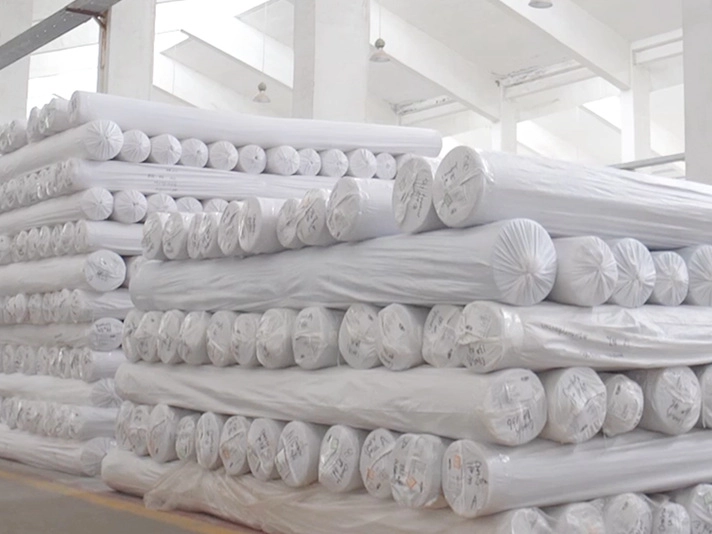
Cooling bed sheets are engineered with specialized fabrics like bamboo, Tencel, or linen, which possess inherent properties that promote airflow and moisture-wicking. Unlike traditional cotton, which can trap heat, these materials actively dissipate heat away from the body, resulting in a significantly cooler and more comfortable sleep experience. The weave structure is also typically looser, enhancing breathability.
To preserve the cooling properties of your sheets, it’s best to wash them in cold water on a gentle cycle. Avoid using harsh detergents or fabric softeners, as these can coat the fibers and reduce their breathability. Tumble dry on low heat or hang to dry. Following these care instructions will help ensure your cooling sheets remain effective for longer.
Many cooling bed sheets are made from hypoallergenic materials like bamboo and Tencel, making them a good choice for allergy sufferers. These materials are naturally resistant to dust mites and other allergens. However, it’s always advisable to check the specific fabric composition and certifications to ensure it meets your allergy needs.
The lifespan of cooling bed sheets depends on the material and care. High-quality bamboo or Tencel sheets can last for several years with proper maintenance. Linen sheets are known for their exceptional durability and can last even longer. Following the manufacturer’s care instructions will maximize the longevity of your sheets.
Yes, cooling bed sheets can significantly improve sleep quality, particularly for those who tend to overheat during the night. By regulating body temperature, they promote a more comfortable and restorative sleep cycle. Many users report falling asleep faster, experiencing fewer sleep disruptions, and waking up feeling more refreshed.
Unlike traditional cotton sheets where thread count is a key indicator of quality, it’s less crucial for cooling sheets. Lower thread counts generally promote better airflow. Focus more on the material composition and weave structure. Sheets with a thread count between 200-400 made from bamboo, Tencel, or linen are typically a good choice.
Cooling bed sheets represent a significant step forward in sleep technology, offering a practical and effective solution to the common problem of overheating during sleep. From the innovative materials used – bamboo, Tencel, and linen – to the advanced weaving techniques designed to maximize breathability, these sheets provide a demonstrable improvement in sleep comfort and quality. The benefits extend beyond individual well-being, encompassing sustainability and long-term value.
As awareness of sleep health continues to grow, the demand for cooling bed sheets is expected to rise. Future innovations will likely focus on integrating smart technology and developing even more sustainable materials. Investing in cooling bed sheets is not just about improving your sleep; it's about prioritizing your overall health and well-being. Explore the range of options available and discover the difference a cool night's sleep can make. Visit our website today to find the perfect cooling bed sheets for you!

 Afrikaans
 Albanian
 Amharic
 Arabic
 Armenian
 Azerbaijani
 Basque
 Belarusian
 Bengali
 Bosnian
 Bulgarian
 Catalan
 Cebuano
 China
China
 Corsican
 Croatian
 Czech
Czech
 Danish
 Dutch
Dutch
 Esperanto
 Estonian
 Finnish
 French
 Frisian
 Galician
 Georgian
 German
 Greek
Greek
 Gujarati
 Haitian Creole
 Hausa
Hausa
 Hawaiian
 Hebrew
 Hindi
Hindi
 Miao
Miao
 Hungarian
 Icelandic
 Igbo
Igbo
 Indonesian
 Irish
Irish
 Italian
 Japanese
 Javanese
 Kannada
 Kazakh
 Khmer
Khmer
 Rwandese
 Korean
 Kurdish
 Kyrgyz
 Lao
Lao
 Latin
Latin
 Latvian
 Lithuanian
 Luxembourgish
 Macedonian
 Malgashi
 Malay
Malay
 Malayalam
 Maltese
 Maori
Maori
 Marathi
 Mongolian
 Myanmar
 Nepali
 Norwegian
 Norwegian
 Occitan
 Pashto
 Persian
 Polish
 Portuguese
 Punjabi
 Romanian
 Russian
 Samoan
 Scottish Gaelic
 Serbian
 Sesotho
 Shona
Shona
 Sindhi
 Sinhala
 Slovak
 Slovenian
 Somali
 Spanish
 Sundanese
 Swahili
 Swedish
 Tagalog
 Tajik
Tajik
 Tamil
Tamil
 Tatar
Tatar
 Telugu
 Thai
Thai
 Turkish
 Turkmen
 Ukrainian
 Urdu
Urdu
 Uighur
 Uzbek
Uzbek
 Vietnamese
 Welsh
Welsh
 Bantu
Bantu
 Yiddish
 Yoruba
 Zulu
Zulu
 English