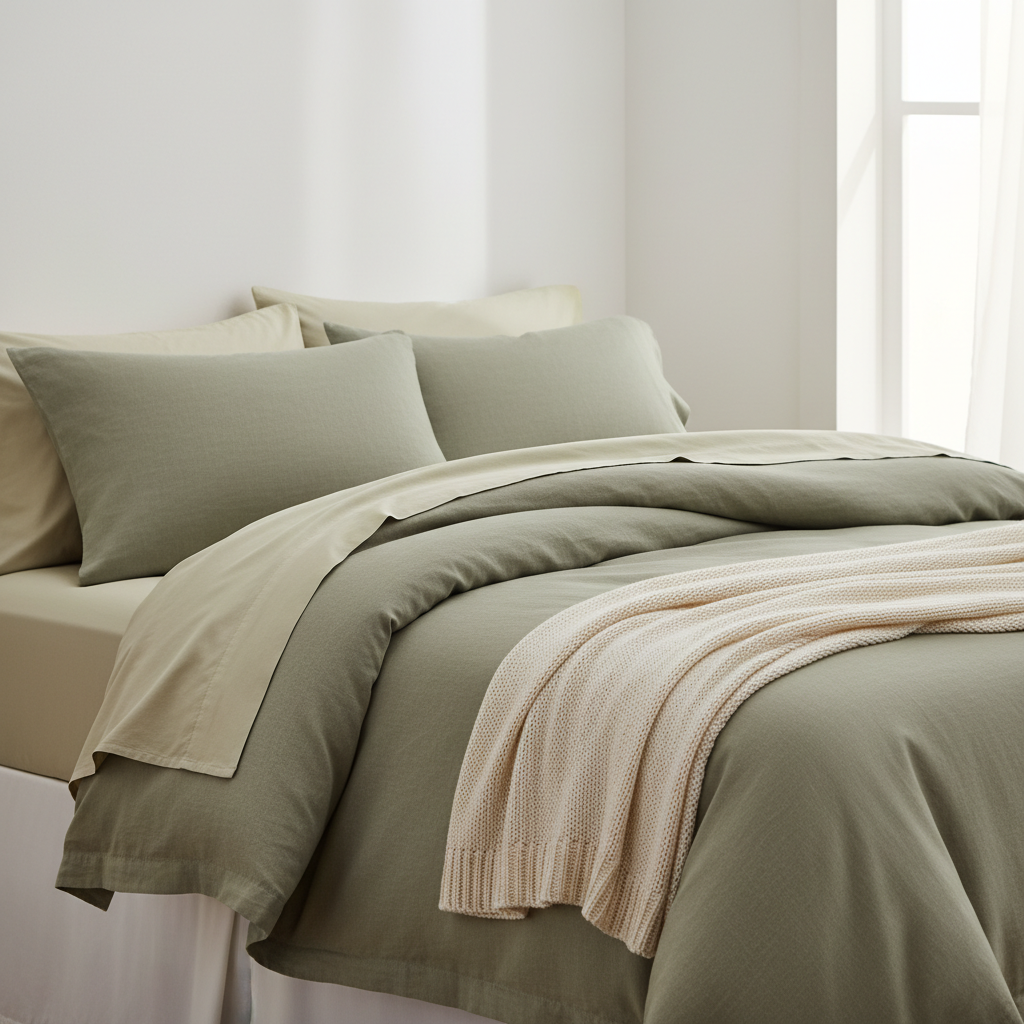
Silk bedding, encompassing items like sheets, pillowcases, and duvets crafted from silk fibers, represents a luxurious and increasingly popular choice for discerning consumers worldwide. The global market for silk bedding is experiencing substantial growth, driven by a heightened awareness of the material’s inherent benefits – its hypoallergenic properties, temperature regulation, and incredibly soft texture. This isn't merely a trend; it’s a shift towards prioritizing sleep quality and personal wellbeing.
The demand for silk bedding is intrinsically linked to rising disposable incomes and a growing focus on sustainable and ethical consumerism. While historically associated with high-end markets, innovation in silk production and processing are making it more accessible. Organizations like the United Nations advocate for sustainable textile practices, creating a favourable climate for ethically sourced silk. The global silk market, valued at billions of dollars, is poised for continued expansion.
Understanding the nuances of silk bedding – from its different grades (Mulberry, Charmeuse, Dupioni) to its proper care – is crucial for both consumers and industry professionals. This knowledge empowers informed purchasing decisions and ensures the longevity of these delicate yet durable products. Furthermore, it enables businesses to cater to a more sophisticated and demanding customer base with confidence, building brand loyalty through quality and transparency.
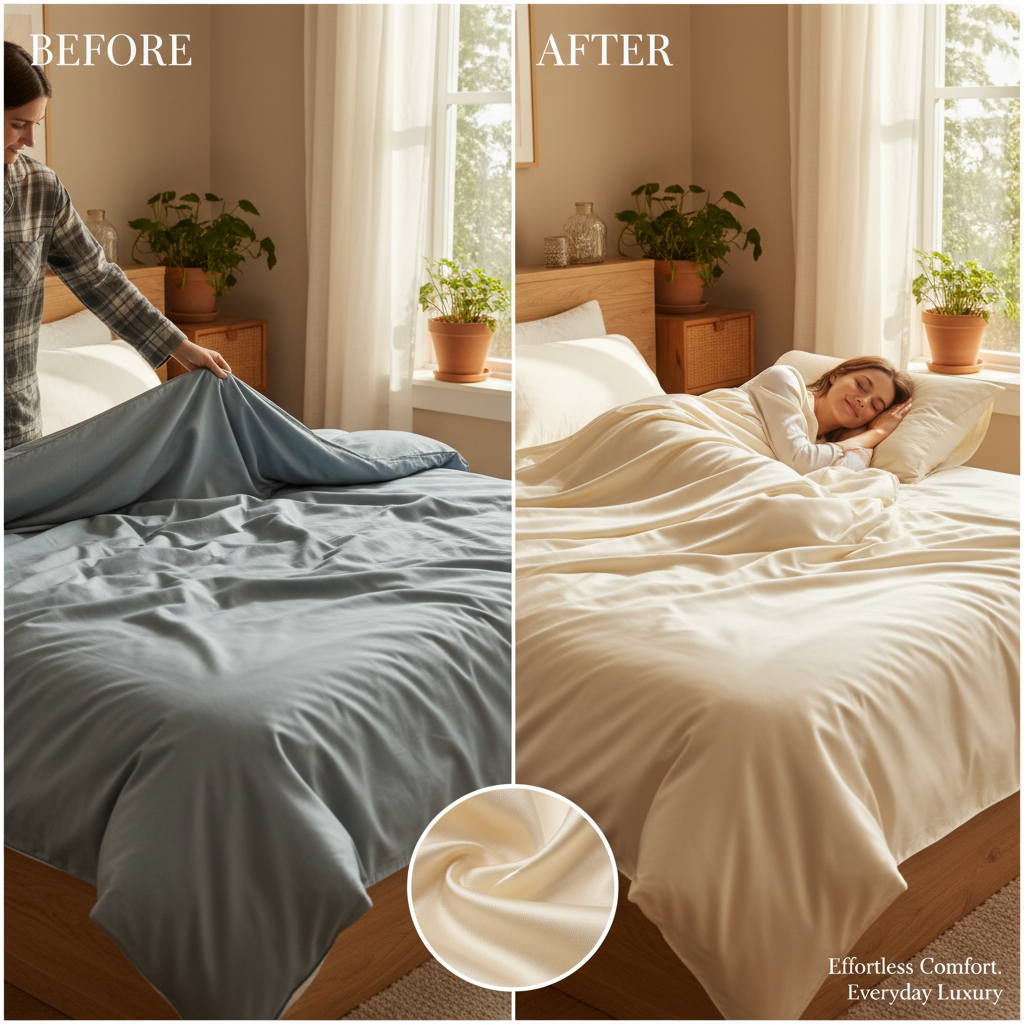
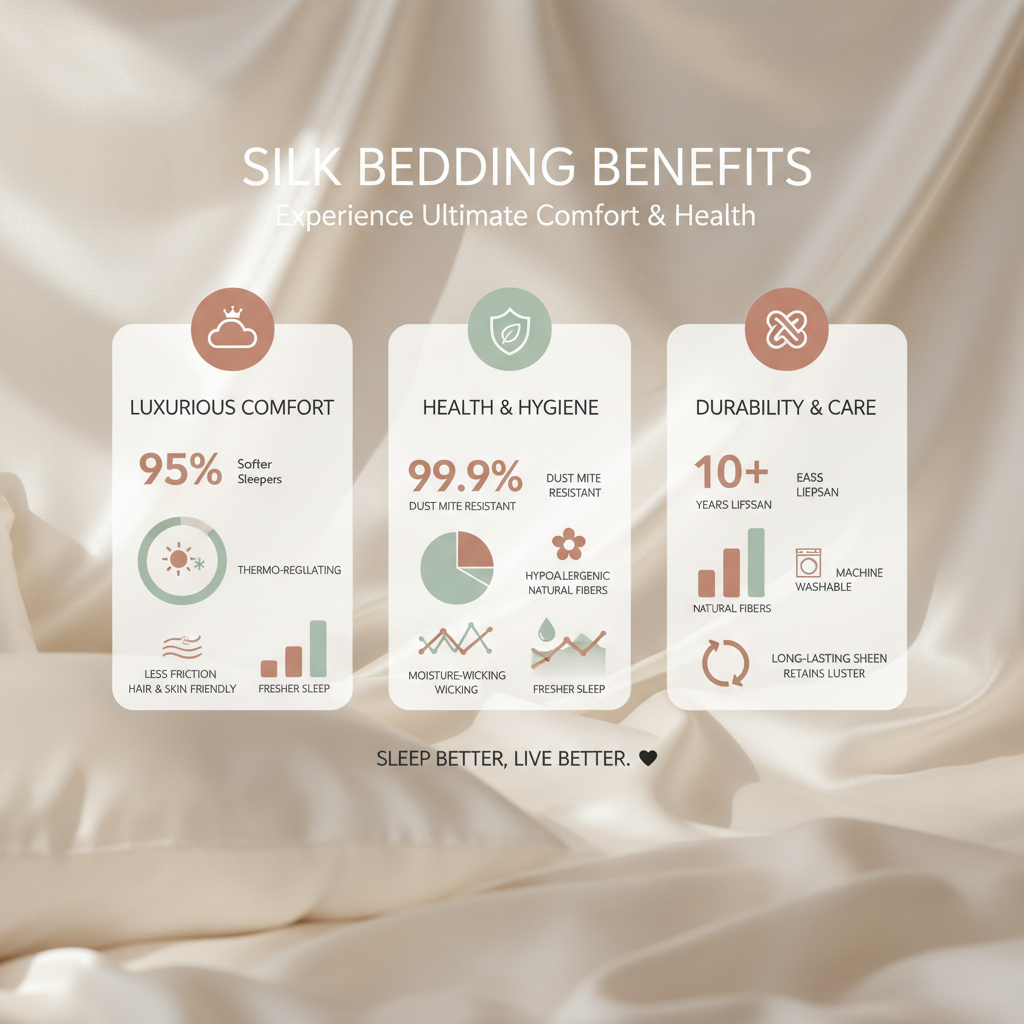
The primary draw of silk bedding lies in its luxurious feel and numerous health benefits. Unlike many synthetic materials, silk is naturally breathable, allowing air to circulate and prevent overheating during sleep. This contributes to a more comfortable and restful night, and it's a key reason why silk bedding is gaining popularity.
Beyond comfort, silk is incredibly gentle on the skin and hair. Its smooth surface reduces friction, minimizing wrinkles and preventing hair breakage. This makes it an ideal choice for individuals with sensitive skin or those prone to allergies. Choosing silk bedding is an investment in both immediate comfort and long-term well-being.
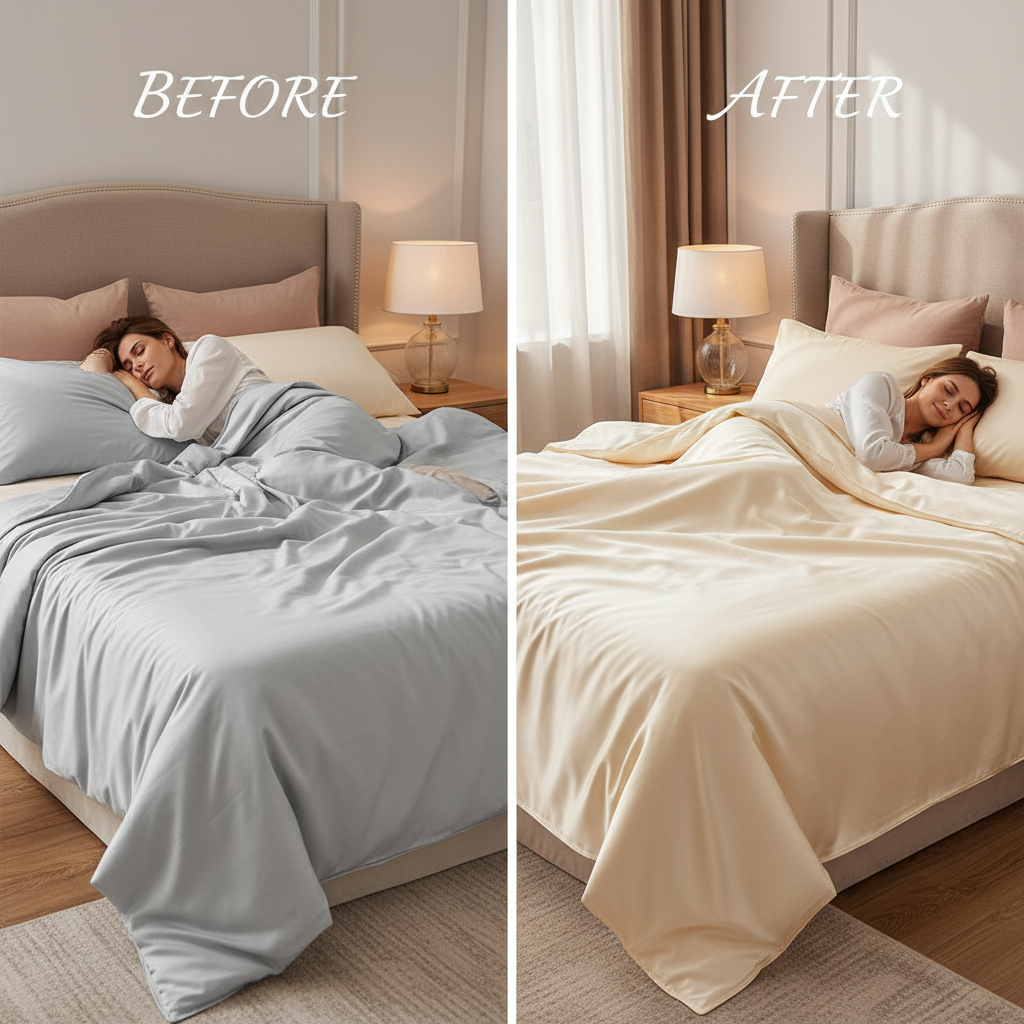
Switching to silk bedding offers a multitude of benefits, including improved sleep quality due to its temperature-regulating properties, hypoallergenic benefits for sensitive skin and allergy sufferers, and a luxurious feel that enhances overall comfort. Silk’s smooth surface also minimizes friction, reducing wrinkles and hair breakage. It’s an investment in your well-being.
To prolong the life of your silk bedding, hand wash or machine wash on a delicate cycle with a pH-neutral, mild detergent. Avoid bleach and harsh chemicals. Air dry away from direct sunlight. When storing, use a breathable garment bag to protect from dust and moths. Iron on a low setting while slightly damp.
While silk bedding typically has a higher upfront cost, the long-term value is significant. Silk is incredibly durable, lasting much longer than cotton with proper care. The health benefits, superior comfort, and temperature-regulating properties contribute to a better night’s sleep, making it a worthwhile investment for those prioritizing quality and well-being.
Look for certifications like OEKO-TEX®, which verify the absence of harmful chemicals and environmentally responsible production. Research the brand and its commitment to ethical labor practices. Transparency about the silk’s origin and production process is a good indicator of responsible sourcing.
Absolutely. Silk’s natural protein structure makes it hypoallergenic and gentle on the skin. It minimizes friction, reducing irritation and redness. The smooth surface is less likely to trigger allergic reactions compared to synthetic materials, making it an excellent choice for those with eczema or sensitive skin conditions.
Mulberry silk is considered the highest quality silk, derived from silkworms fed exclusively on mulberry leaves. It features long, strong fibers, resulting in a luxurious and durable fabric. Other types, like Charmeuse or Dupioni, offer different textures and characteristics, but Mulberry silk generally provides the best combination of quality, softness, and longevity.
Silk bedding represents more than just a luxurious upgrade to your sleep environment; it’s an investment in your health, well-being, and a commitment to sustainable practices. From its hypoallergenic properties and temperature regulation to its exceptional durability and comfort, silk offers a compelling array of benefits that justify its cost. Understanding the nuances of silk grades, weaves, and care ensures you make an informed decision and maximize the longevity of your investment.
As consumer awareness of the importance of sleep quality and ethical sourcing continues to grow, the demand for silk bedding is poised for continued expansion. Embracing this natural and luxurious material is not only a choice for personal comfort but also a step towards a more sustainable and mindful lifestyle. Visit our website at www.longshowtextiles.com to explore our exquisite collection of silk bedding and experience the difference for yourself.

 Afrikaans
 Albanian
 Amharic
 Arabic
 Armenian
 Azerbaijani
 Basque
 Belarusian
 Bengali
 Bosnian
 Bulgarian
 Catalan
 Cebuano
 China
China
 Corsican
 Croatian
 Czech
Czech
 Danish
 Dutch
Dutch
 Esperanto
 Estonian
 Finnish
 French
 Frisian
 Galician
 Georgian
 German
 Greek
Greek
 Gujarati
 Haitian Creole
 Hausa
Hausa
 Hawaiian
 Hebrew
 Hindi
Hindi
 Miao
Miao
 Hungarian
 Icelandic
 Igbo
Igbo
 Indonesian
 Irish
Irish
 Italian
 Japanese
 Javanese
 Kannada
 Kazakh
 Khmer
Khmer
 Rwandese
 Korean
 Kurdish
 Kyrgyz
 Lao
Lao
 Latin
Latin
 Latvian
 Lithuanian
 Luxembourgish
 Macedonian
 Malgashi
 Malay
Malay
 Malayalam
 Maltese
 Maori
Maori
 Marathi
 Mongolian
 Myanmar
 Nepali
 Norwegian
 Norwegian
 Occitan
 Pashto
 Persian
 Polish
 Portuguese
 Punjabi
 Romanian
 Russian
 Samoan
 Scottish Gaelic
 Serbian
 Sesotho
 Shona
Shona
 Sindhi
 Sinhala
 Slovak
 Slovenian
 Somali
 Spanish
 Sundanese
 Swahili
 Swedish
 Tagalog
 Tajik
Tajik
 Tamil
Tamil
 Tatar
Tatar
 Telugu
 Thai
Thai
 Turkish
 Turkmen
 Ukrainian
 Urdu
Urdu
 Uighur
 Uzbek
Uzbek
 Vietnamese
 Welsh
Welsh
 Bantu
Bantu
 Yiddish
 Yoruba
 Zulu
Zulu
 English