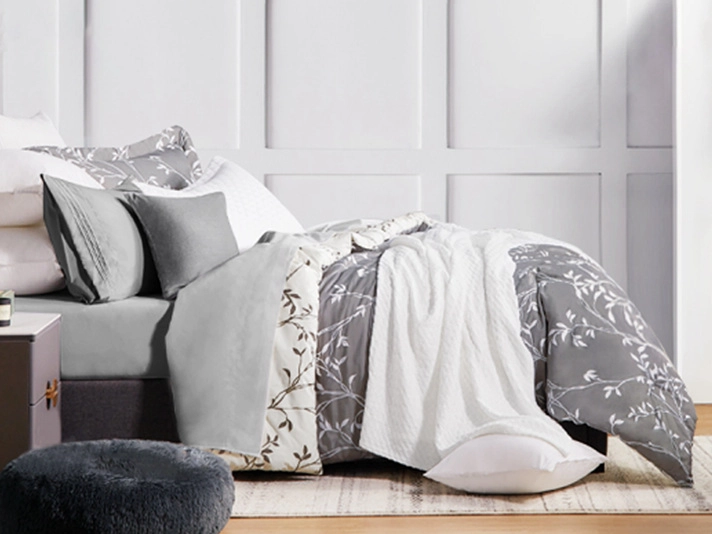
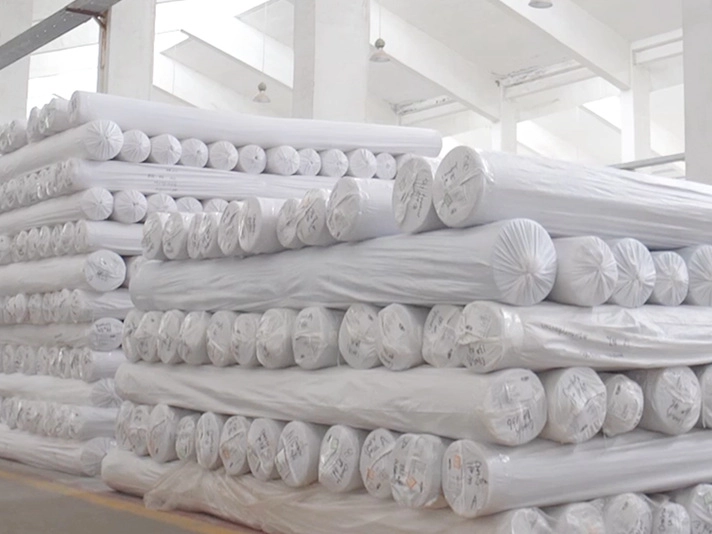
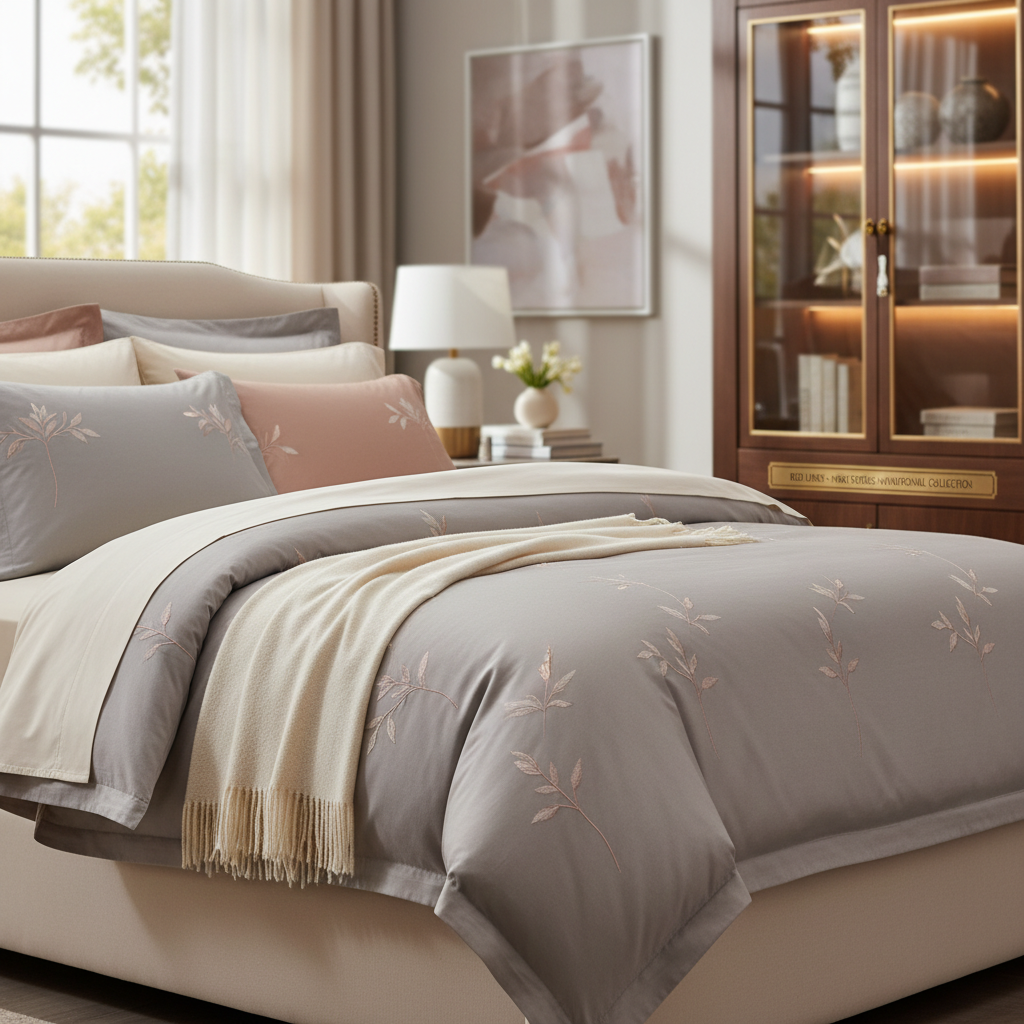
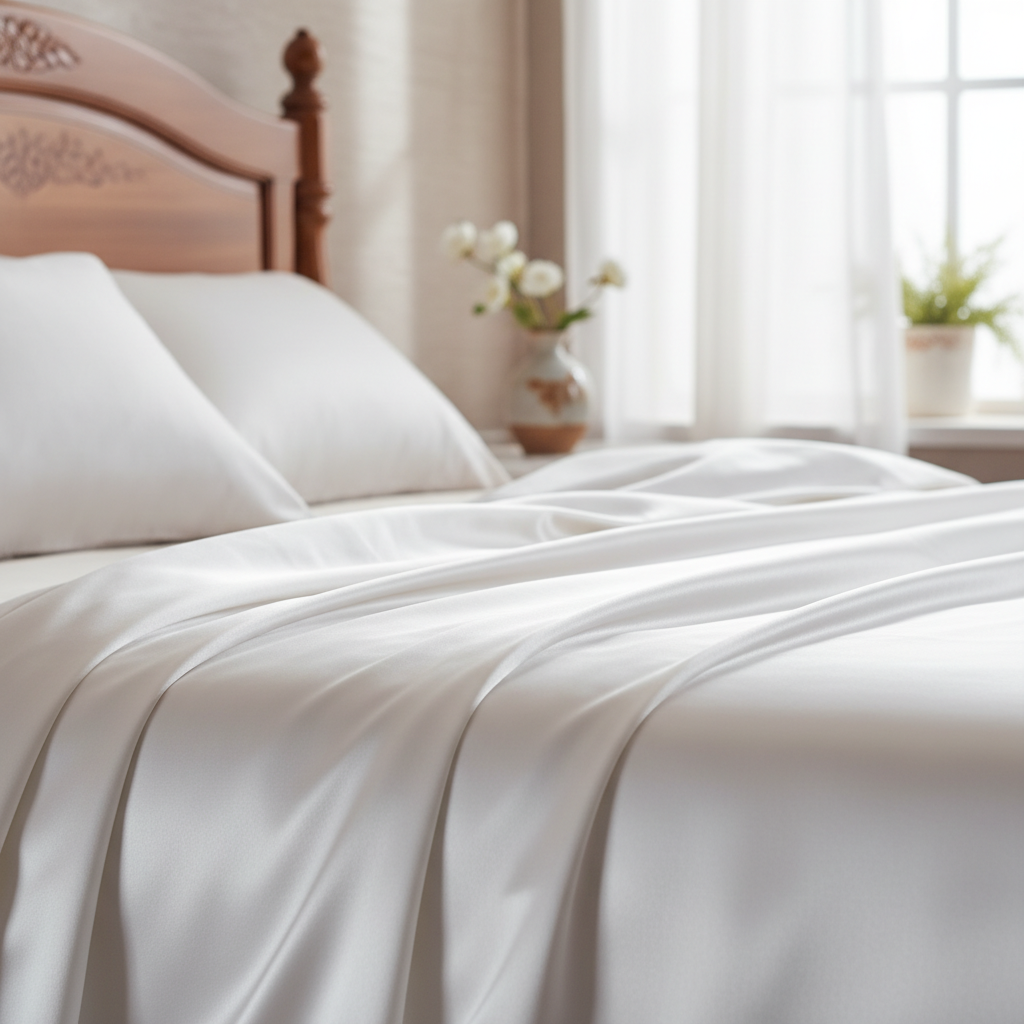
Queen sheets are a fundamental component of comfortable and restorative sleep, impacting millions globally. The quality of these sheets directly influences sleep hygiene, contributing to overall health and well-being. From the selection of raw materials like cotton, linen, or silk, to the weaving process and finishing techniques, every aspect of queen sheet production impacts its performance and longevity. Understanding the nuances of queen sheets is crucial for consumers seeking optimal sleep and durable bedding solutions.
The global bedding market, particularly the segment for queen sheets, is experiencing substantial growth driven by increasing disposable incomes, a heightened awareness of sleep health, and a rising demand for premium comfort. According to Statista, the global home textiles market was valued at approximately $95 billion in 2023 and is projected to reach $125 billion by 2028. However, challenges persist, including sustainable sourcing of materials, ethical labor practices in manufacturing, and the increasing prevalence of counterfeit products.
Investing in quality queen sheets isn’t merely about aesthetics; it’s about prioritizing health, comfort, and long-term value. Choosing the right sheets can minimize allergies, regulate body temperature, and create a more inviting sleep environment. This is especially important in a world where stress and sleep deprivation are increasingly common, making the role of queen sheets in fostering restful sleep more significant than ever.
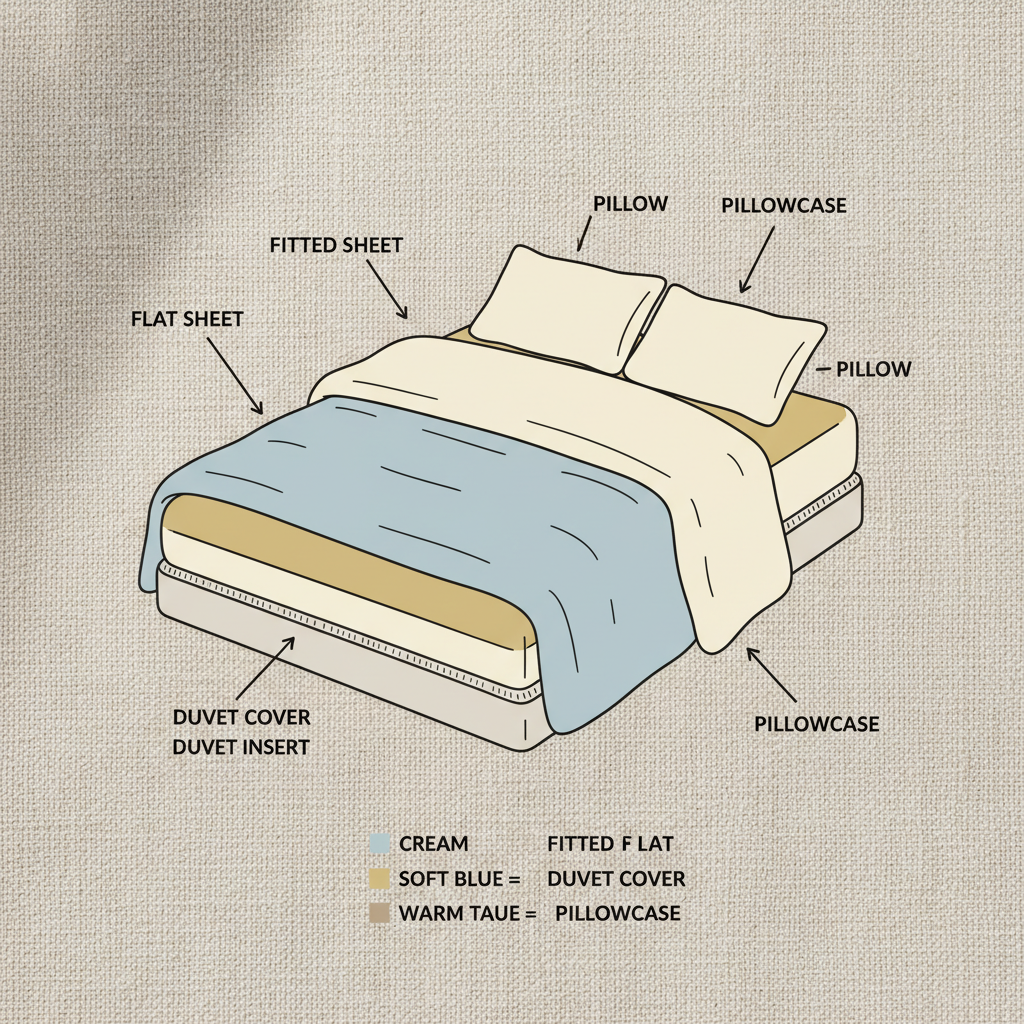
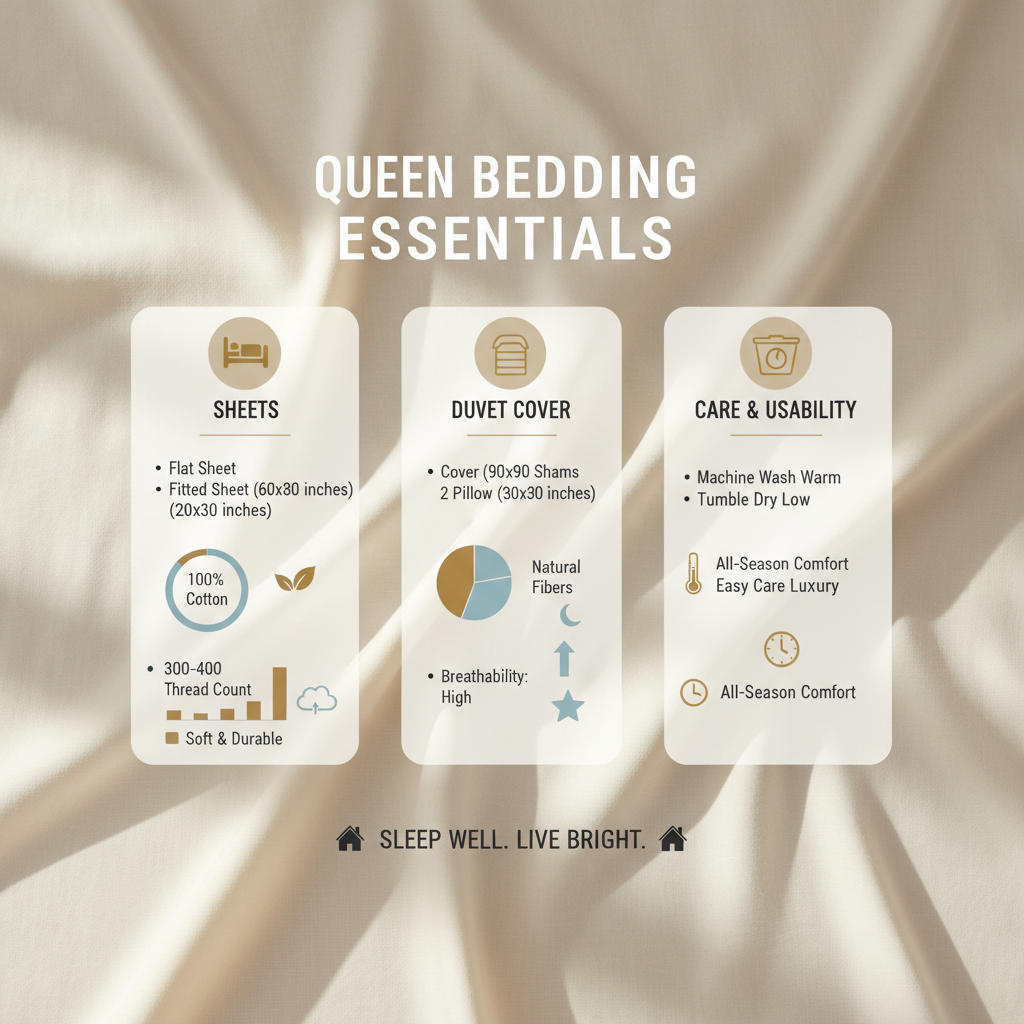
Queen sheets, sized at approximately 60 x 80 inches, are designed to fit standard queen-sized mattresses. Their popularity stems from offering a comfortable balance of space and affordability, making them an ideal choice for couples and individuals alike. The selection of queen sheets isn’t simply about size, though; it's about the weave, material, and thread count contributing to the overall sleep experience.
The evolution of queen sheets reflects broader trends in the textile industry, including a growing emphasis on sustainable practices, innovative materials, and consumer-driven design. From traditional cotton percale to luxurious Egyptian cotton sateen and increasingly popular microfiber options, the market provides a diverse range of choices to cater to varying preferences and budgets.
While a higher thread count was once considered the gold standard, a thread count between 300 and 800 generally indicates good quality. Focus more on the quality of the yarn itself – long-staple cotton is preferable – rather than solely relying on thread count. Sheets with excessively high thread counts may use thinner, weaker yarns or deceptive manufacturing practices to inflate the number. Ultimately, the best thread count is a matter of personal preference, but quality construction is paramount.
It's recommended to wash your queen sheets once a week, or more frequently if you sweat heavily or have allergies. Regular washing removes dead skin cells, dust mites, and other allergens that can accumulate in the fabric. Always follow the care instructions on the label, and avoid using harsh detergents or bleach, as these can damage the fibers and reduce the lifespan of your sheets.
Percale and sateen are two common weaves for queen sheets. Percale is a plain weave that results in a crisp, cool, and breathable feel, often compared to the feel of a classic button-down shirt. Sateen, on the other hand, is a weave that exposes more yarn surface, creating a silky-smooth and luxurious feel. Sateen sheets tend to be warmer and have a slight sheen. The best choice depends on your personal preference and sleep temperature.
Yes, queen sheets made from bamboo and Tencel are generally considered more sustainable than those made from conventional cotton. Bamboo is a fast-growing resource that requires minimal water and pesticides. Tencel is a lyocell fiber made from sustainably sourced wood pulp using a closed-loop process that minimizes waste and water usage. However, it’s important to look for certifications like OEKO-TEX to ensure responsible production practices.
To prolong the life of your queen sheets, wash them in cool water with a mild detergent, avoid harsh chemicals and bleach, and tumble dry on low heat. Consider rotating between two sets of sheets to reduce wear and tear on each set. Storing your sheets in a cool, dry place when not in use will also help prevent damage. Also avoid overstuffing your washing machine.
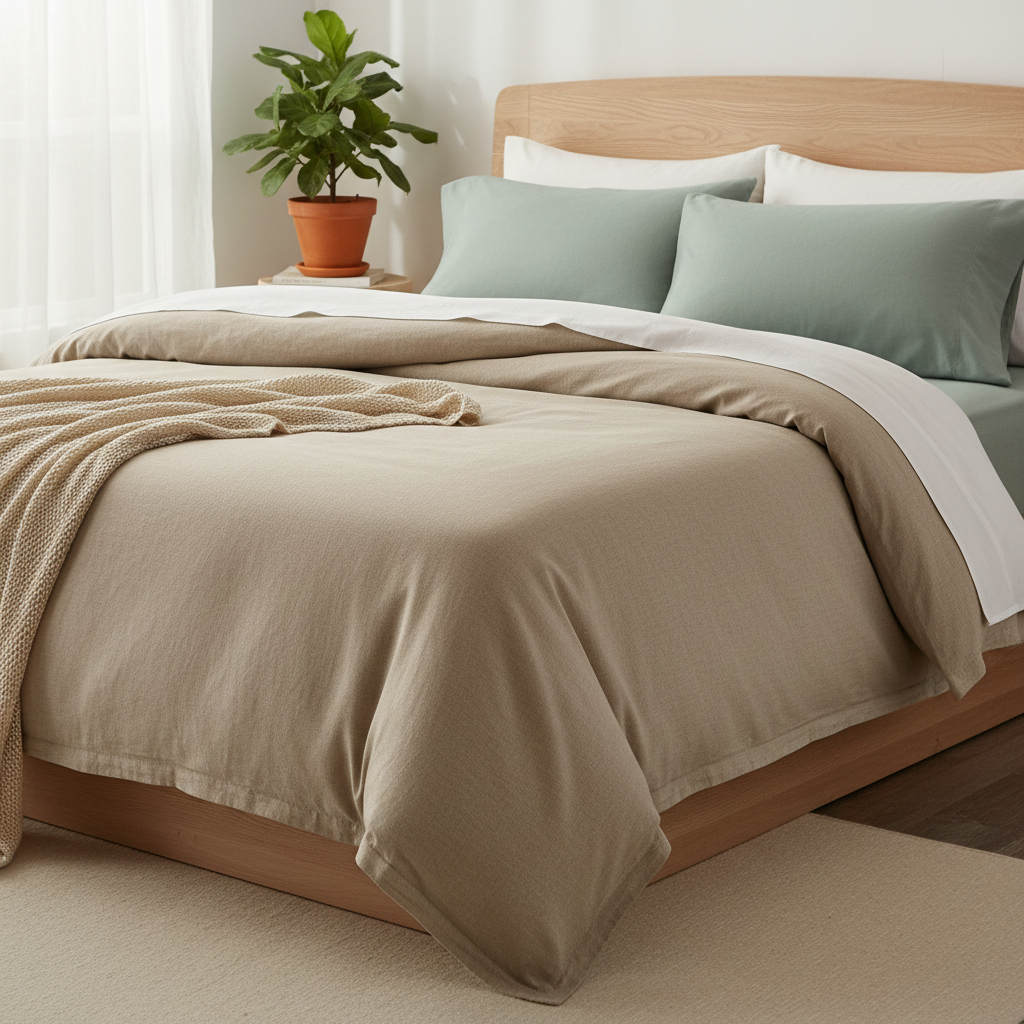
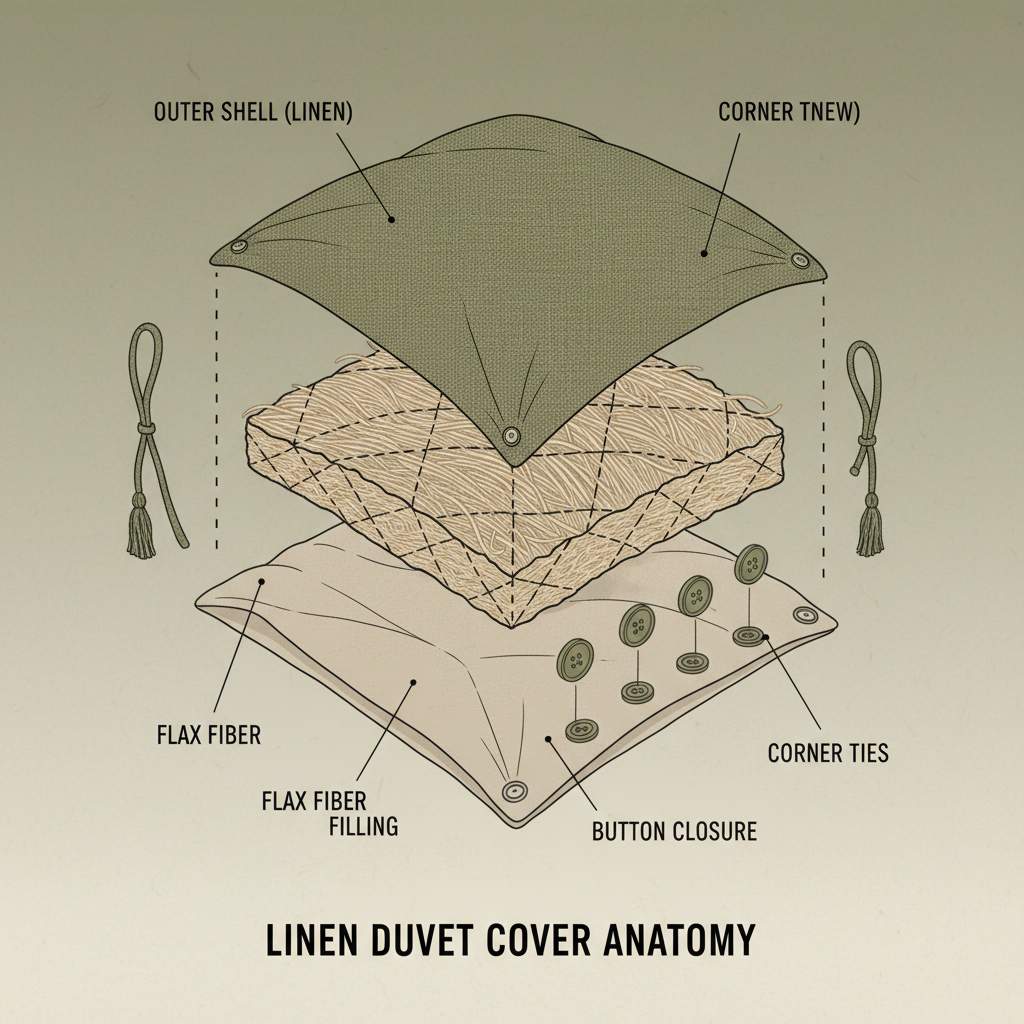
Linen queen sheets are known for their durability and unique texture, but they require specific care. Wash them in cool water on a gentle cycle, and avoid using fabric softener. Tumble dry on low heat or hang to dry. Linen tends to wrinkle easily, but this is part of its natural charm. Embrace the relaxed look or iron them while slightly damp for a smoother finish. Linen actually gets softer with each wash!
In conclusion, understanding the nuances of queen sheets – from materials and weaves to thread count and sustainability – empowers consumers to make informed choices that prioritize comfort, health, and long-term value. Quality queen sheets are more than just bedding; they are an investment in restorative sleep and overall well-being. The ever-evolving landscape of the textile industry promises continued innovation in materials and manufacturing processes, leading to even more sustainable and luxurious options in the future.
Looking ahead, embracing eco-friendly materials, supporting ethical manufacturing practices, and prioritizing durability will be crucial for creating a more responsible and sustainable queen sheet industry. By making conscious choices, consumers can contribute to a healthier planet and enjoy the benefits of a truly restful night’s sleep. For a wide selection of high-quality queen sheets, visit our website: queen sheets.

 Afrikaans
 Albanian
 Amharic
 Arabic
 Armenian
 Azerbaijani
 Basque
 Belarusian
 Bengali
 Bosnian
 Bulgarian
 Catalan
 Cebuano
 China
China
 Corsican
 Croatian
 Czech
Czech
 Danish
 Dutch
Dutch
 Esperanto
 Estonian
 Finnish
 French
 Frisian
 Galician
 Georgian
 German
 Greek
Greek
 Gujarati
 Haitian Creole
 Hausa
Hausa
 Hawaiian
 Hebrew
 Hindi
Hindi
 Miao
Miao
 Hungarian
 Icelandic
 Igbo
Igbo
 Indonesian
 Irish
Irish
 Italian
 Japanese
 Javanese
 Kannada
 Kazakh
 Khmer
Khmer
 Rwandese
 Korean
 Kurdish
 Kyrgyz
 Lao
Lao
 Latin
Latin
 Latvian
 Lithuanian
 Luxembourgish
 Macedonian
 Malgashi
 Malay
Malay
 Malayalam
 Maltese
 Maori
Maori
 Marathi
 Mongolian
 Myanmar
 Nepali
 Norwegian
 Norwegian
 Occitan
 Pashto
 Persian
 Polish
 Portuguese
 Punjabi
 Romanian
 Russian
 Samoan
 Scottish Gaelic
 Serbian
 Sesotho
 Shona
Shona
 Sindhi
 Sinhala
 Slovak
 Slovenian
 Somali
 Spanish
 Sundanese
 Swahili
 Swedish
 Tagalog
 Tajik
Tajik
 Tamil
Tamil
 Tatar
Tatar
 Telugu
 Thai
Thai
 Turkish
 Turkmen
 Ukrainian
 Urdu
Urdu
 Uighur
 Uzbek
Uzbek
 Vietnamese
 Welsh
Welsh
 Bantu
Bantu
 Yiddish
 Yoruba
 Zulu
Zulu
 English