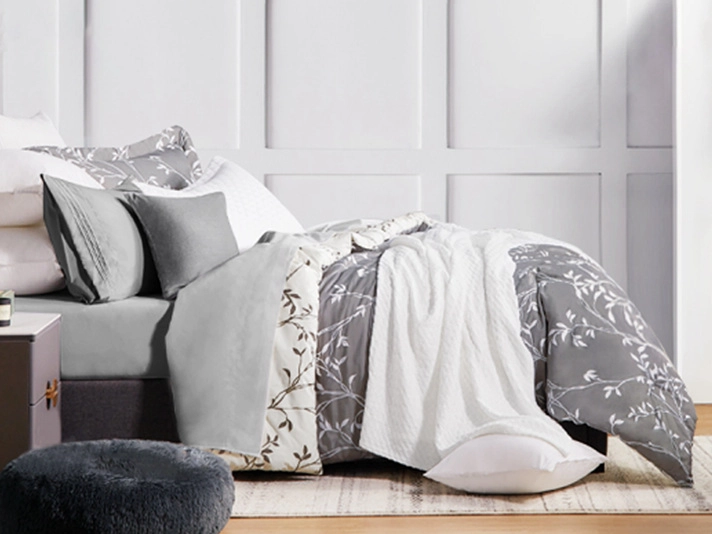
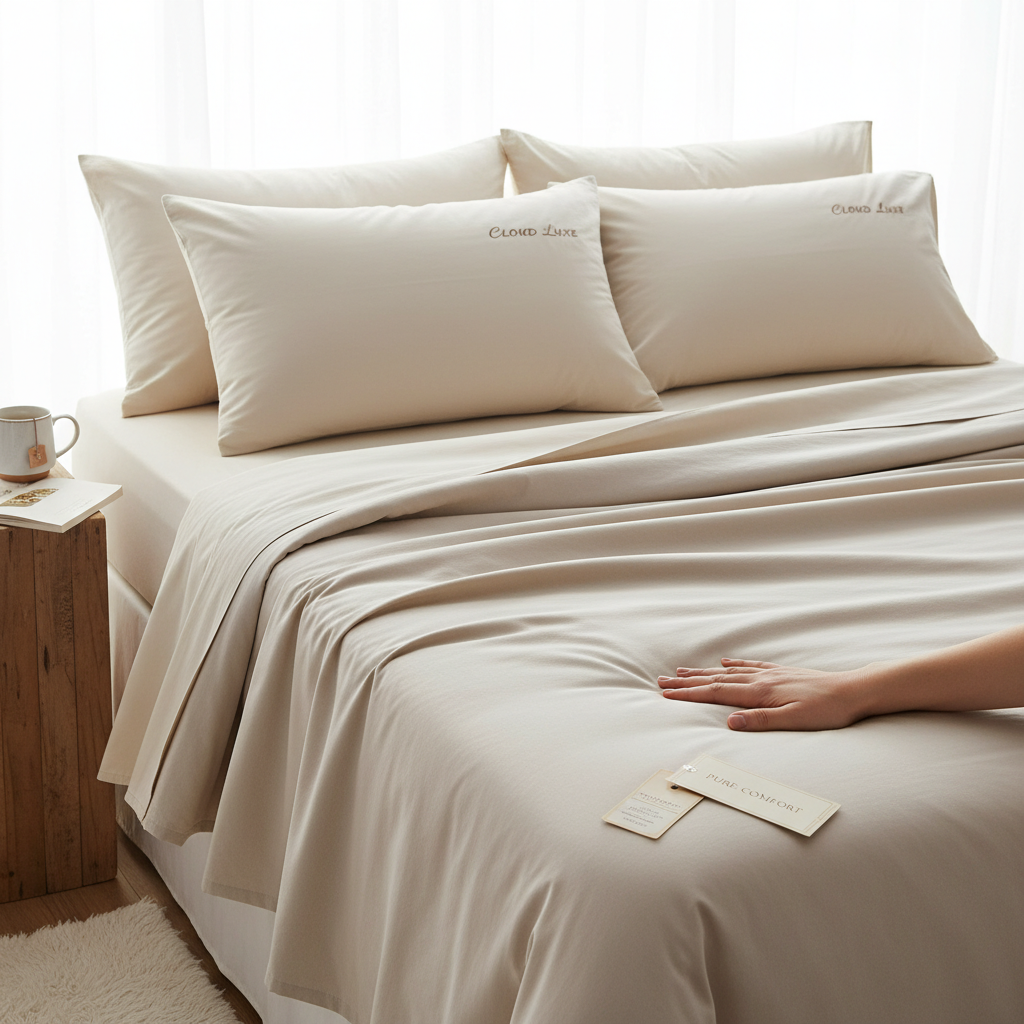
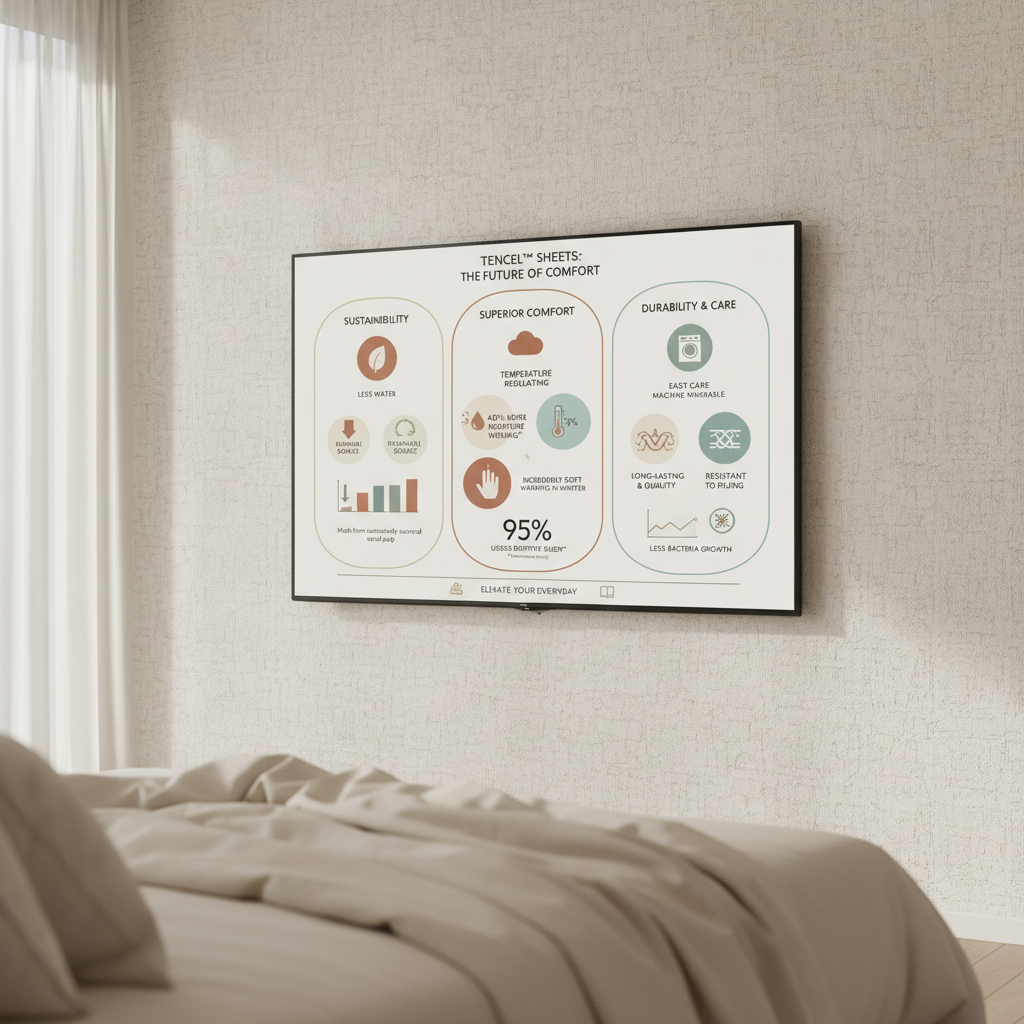
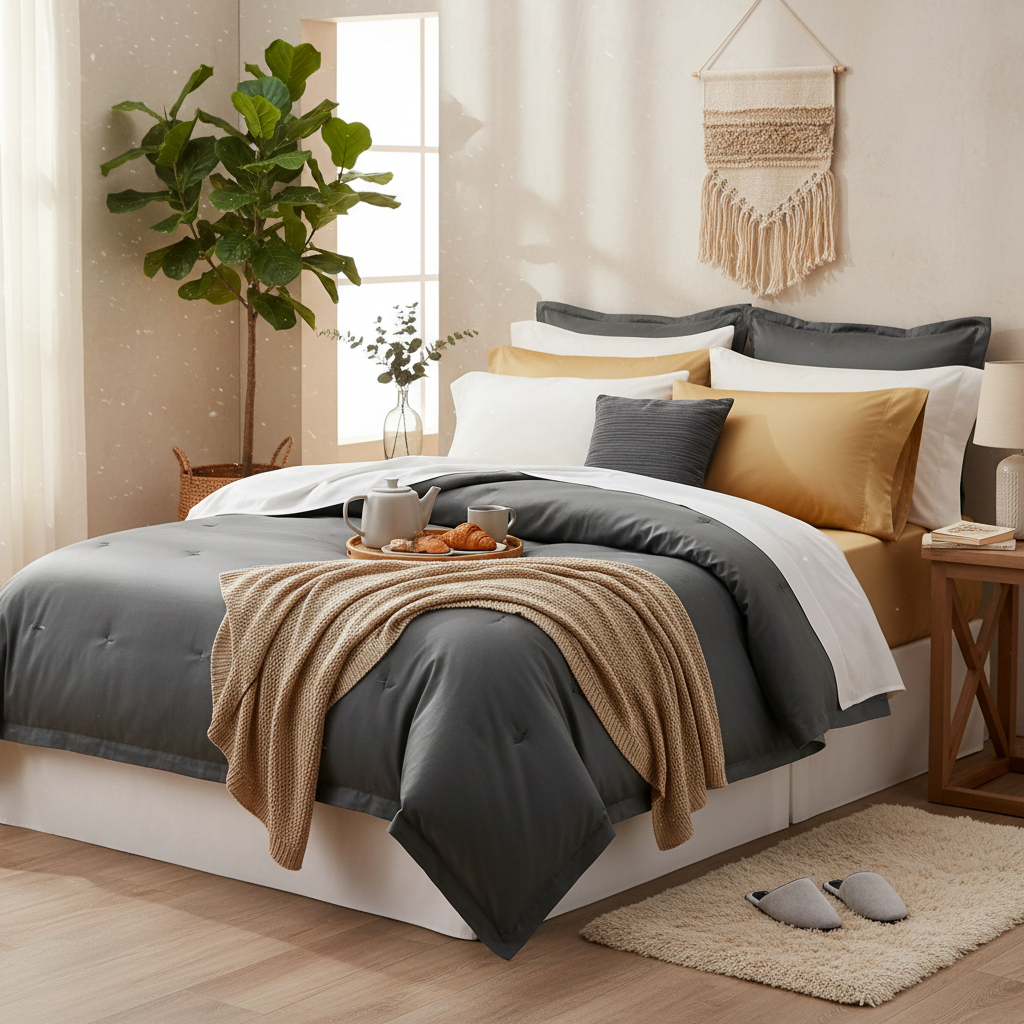
When it comes to optimizing sleep hygiene, the choice of bedding is often underestimated, yet queen size sheets serve as the foundational layer for restorative rest. For millions of households worldwide, the queen size is the gold standard of mattress dimensions, balancing individual space with partner comfort. Understanding the technical nuances of fabric weave, thread count, and material composition is essential for anyone looking to elevate their bedroom environment from a mere sleeping area to a sanctuary of wellness.
The global demand for high-quality home textiles has surged as consumers shift toward "slow living" and health-conscious interior design. This trend has placed queen size sheets at the center of a broader conversation about sustainability and skin health. From the breathable properties of bamboo to the classic crispness of Egyptian cotton, the materials we choose directly impact our thermoregulation and sleep depth, making the selection process a matter of both luxury and biological necessity.
Navigating the vast array of options in the bedding market can be overwhelming, with confusing terminology like "sateen," "percale," and "GSM" dominating product descriptions. This guide aims to demystify the technical specifications of queen size sheets, providing an educational framework to help you choose fabrics that align with your climate, skin sensitivity, and aesthetic preferences while ensuring long-term durability.
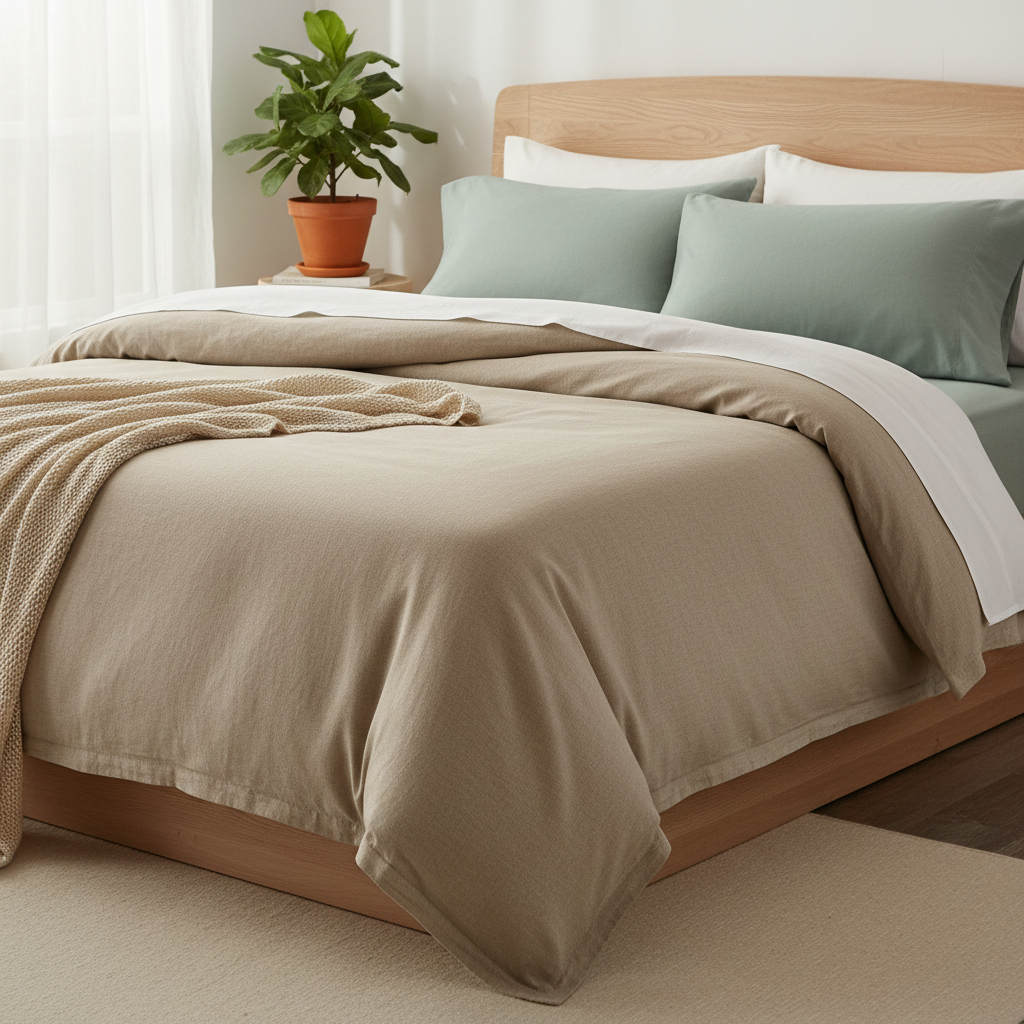
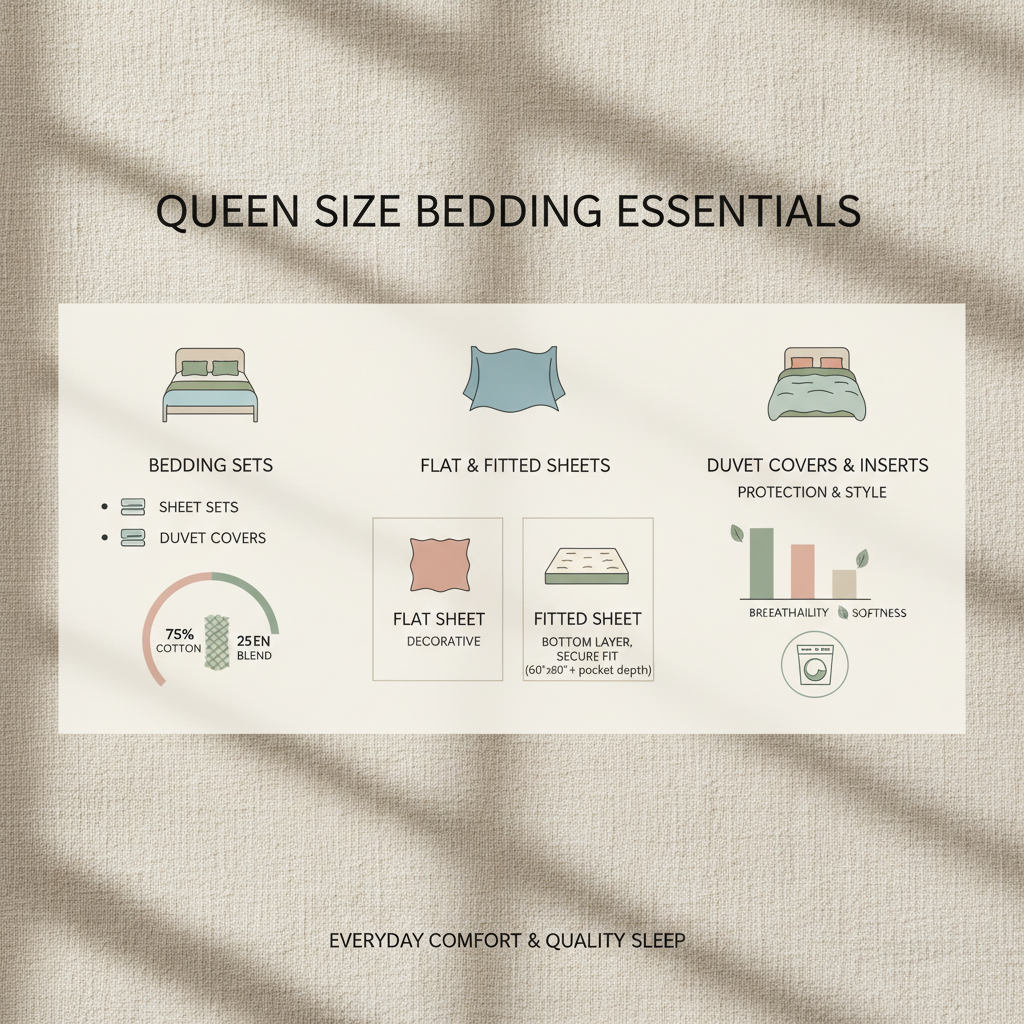
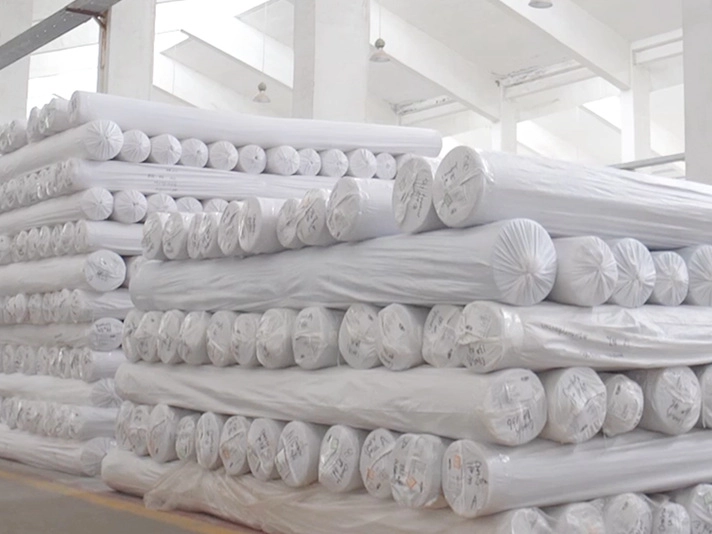
The prevalence of queen size sheets in the global market reflects a standardization of living spaces across North America, Europe, and Asia. According to industry trends aligned with ISO textile standards, the queen size offers the optimal balance between footprint and functionality, making it the most sought-after dimension for couples and individuals seeking extra room. This universality has driven manufacturers to innovate more efficient weaving processes to meet the massive volume of demand.
However, the challenge remains in the consistency of "queen" dimensions across different regions. A queen mattress in the US may differ slightly from one in the UK or Australia, which often leads to consumer frustration when sheets do not fit securely. This discrepancy has pushed the industry toward "deep pocket" designs and elasticated corners, ensuring that queen size sheets remain taut and comfortable regardless of the mattress height or regional manufacturing variance.
While many brands market extremely high thread counts, the "sweet spot" for most consumers is between 300 and 600. Beyond this, the fabric can actually become less breathable and heavier, which may lead to overheating. The quality of the fiber (e.g., long-staple cotton) is far more important than the numerical thread count itself.
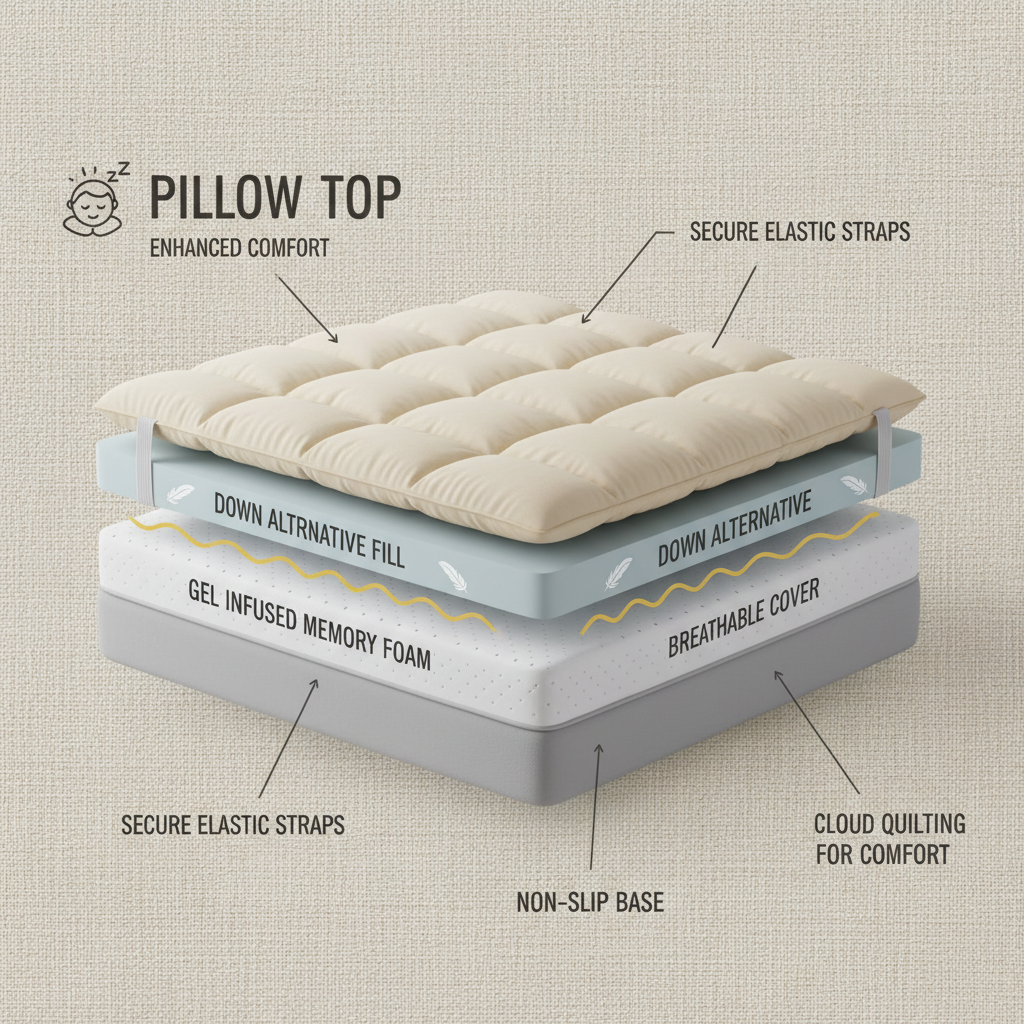
The best way to ensure a secure fit is to choose sheets with "deep pockets" and high-quality elastic bands that wrap entirely around the mattress. If you have an exceptionally thick mattress or topper, using sheet suspenders (elastic straps that clip under the mattress) can provide an extra layer of security and keep the surface smooth.
Yes, generally bamboo is superior for thermoregulation. Bamboo fibers have a natural cross-section that allows for better moisture wicking and air circulation compared to traditional cotton. This helps in pulling heat away from the body, making them an excellent choice for those who experience night sweats or live in warm climates.
While you should wash your sheets weekly, the entire set should be replaced every 2 to 5 years depending on the material. Silk and microfiber tend to wear out faster, while high-quality linen and Egyptian cotton can last much longer. Replace them when you notice significant thinning, persistent pilling, or a loss of elasticity in the fitted sheet.
It depends on your preference. Percale is a one-over-one weave that feels crisp, cool, and matte—perfect for summer. Sateen is a four-over-one weave that feels silky, heavier, and has a slight sheen—ideal for winter or those who prefer a smoother, more luxurious feel. Both are excellent, but percale is generally more breathable.
While you can technically use them, it is not recommended. King size sheets will have excessive fabric, leading to unsightly wrinkles and bunches that can interfere with sleep quality and comfort. For a professional, tailored look and optimal skin contact, it is always best to use sheets specifically sized for your mattress.
In summary, the selection of queen size sheets is a critical intersection of textile science and personal wellness. From the thermal regulation provided by bamboo and linen to the durability of long-staple cotton, the materials we choose directly impact our quality of sleep and long-term health. By focusing on breathability, skin compatibility, and sustainable manufacturing, consumers can transform their bedding from a simple commodity into a strategic investment in their daily recovery.
Looking forward, the integration of smart technology and eco-circular materials promises to make our sleeping environments more responsive and less damaging to the planet. Whether you are upgrading for a luxury hotel project or enhancing your home sanctuary, prioritizing quality over marketing jargon ensures a restful, dignified sleep experience. To explore the finest options in textile manufacturing and professional bedding solutions, we invite you to visit our website: www.longshowtextile.com.

 Afrikaans
 Albanian
 Amharic
 Arabic
 Armenian
 Azerbaijani
 Basque
 Belarusian
 Bengali
 Bosnian
 Bulgarian
 Catalan
 Cebuano
 China
China
 Corsican
 Croatian
 Czech
Czech
 Danish
 Dutch
Dutch
 Esperanto
 Estonian
 Finnish
 French
 Frisian
 Galician
 Georgian
 German
 Greek
Greek
 Gujarati
 Haitian Creole
 Hausa
Hausa
 Hawaiian
 Hebrew
 Hindi
Hindi
 Miao
Miao
 Hungarian
 Icelandic
 Igbo
Igbo
 Indonesian
 Irish
Irish
 Italian
 Japanese
 Javanese
 Kannada
 Kazakh
 Khmer
Khmer
 Rwandese
 Korean
 Kurdish
 Kyrgyz
 Lao
Lao
 Latin
Latin
 Latvian
 Lithuanian
 Luxembourgish
 Macedonian
 Malgashi
 Malay
Malay
 Malayalam
 Maltese
 Maori
Maori
 Marathi
 Mongolian
 Myanmar
 Nepali
 Norwegian
 Norwegian
 Occitan
 Pashto
 Persian
 Polish
 Portuguese
 Punjabi
 Romanian
 Russian
 Samoan
 Scottish Gaelic
 Serbian
 Sesotho
 Shona
Shona
 Sindhi
 Sinhala
 Slovak
 Slovenian
 Somali
 Spanish
 Sundanese
 Swahili
 Swedish
 Tagalog
 Tajik
Tajik
 Tamil
Tamil
 Tatar
Tatar
 Telugu
 Thai
Thai
 Turkish
 Turkmen
 Ukrainian
 Urdu
Urdu
 Uighur
 Uzbek
Uzbek
 Vietnamese
 Welsh
Welsh
 Bantu
Bantu
 Yiddish
 Yoruba
 Zulu
Zulu
 English