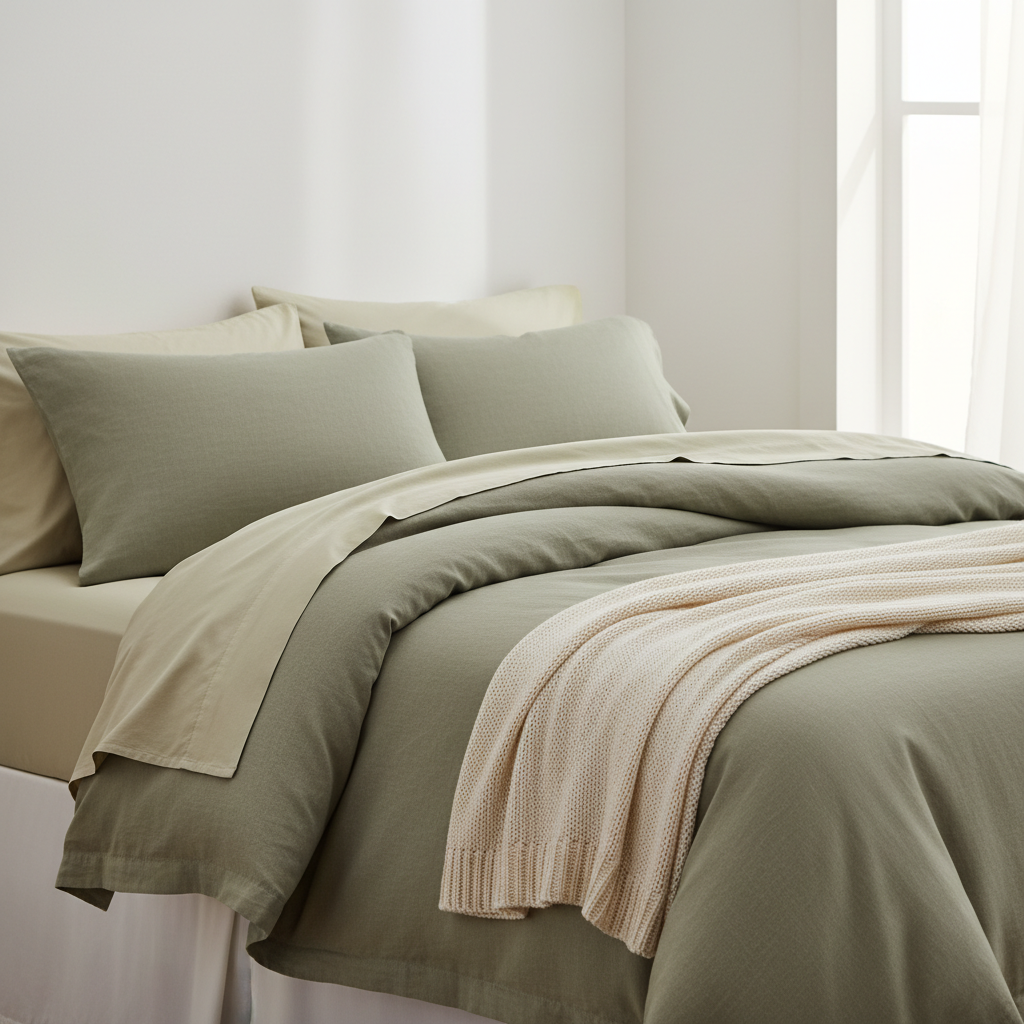
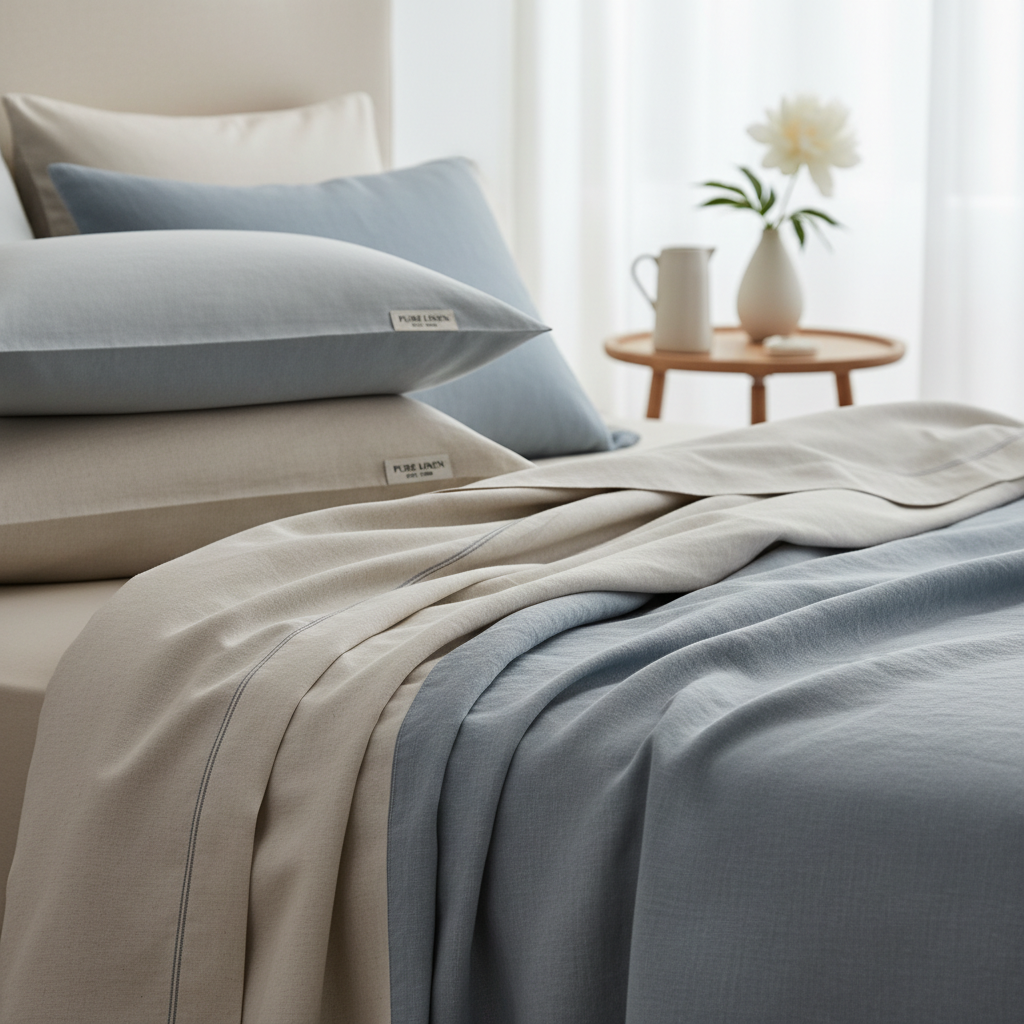
The search for the perfect night's sleep often leads back to a timeless classic: the cotton quilt. In an era dominated by synthetic fibers and complex sleep gadgets, the inherent breathability and purity of natural cotton offer a sanctuary for the skin and a stable thermal environment for the body. Understanding the nuances of cotton quilting—from thread count to batting density—is essential for anyone looking to balance luxury with functional health benefits in their bedroom.
Globally, the demand for high-quality cotton bedding is driven by an increasing awareness of hypoallergenic materials and sustainable living. As consumers pivot away from "fast furniture" and disposable home goods, the longevity and biodegradable nature of a well-crafted cotton quilt make it a strategic investment for both the household budget and the planet. It is not merely a coverlet but a tool for temperature regulation that adapts to the sleeper's needs throughout the seasons.
Whether you are outfitting a boutique hotel or upgrading a master bedroom, the choice of a cotton quilt impacts everything from REM cycle quality to overall skin health. By blending traditional craftsmanship with modern textile engineering, today's cotton quilts provide a sophisticated solution to the universal challenge of achieving deep, restorative sleep without the overheating common in polyester alternatives.
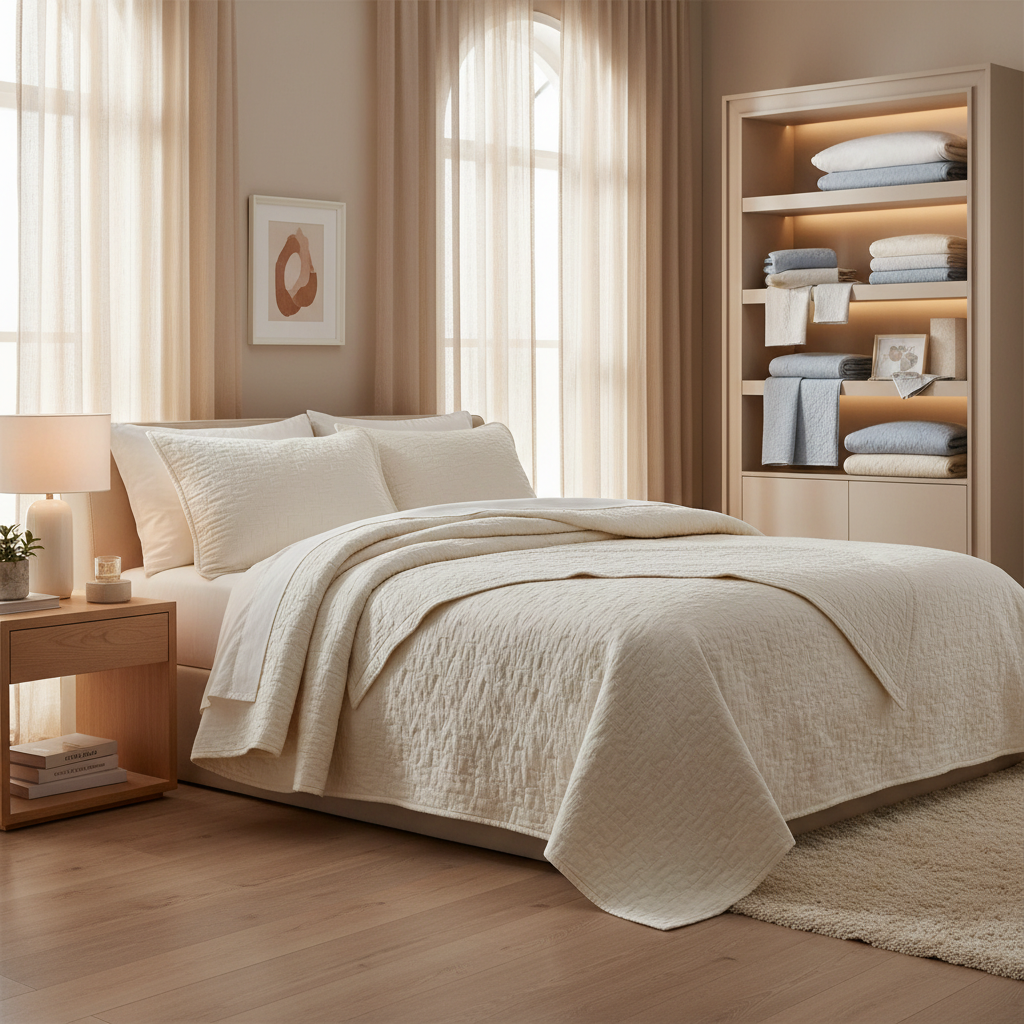
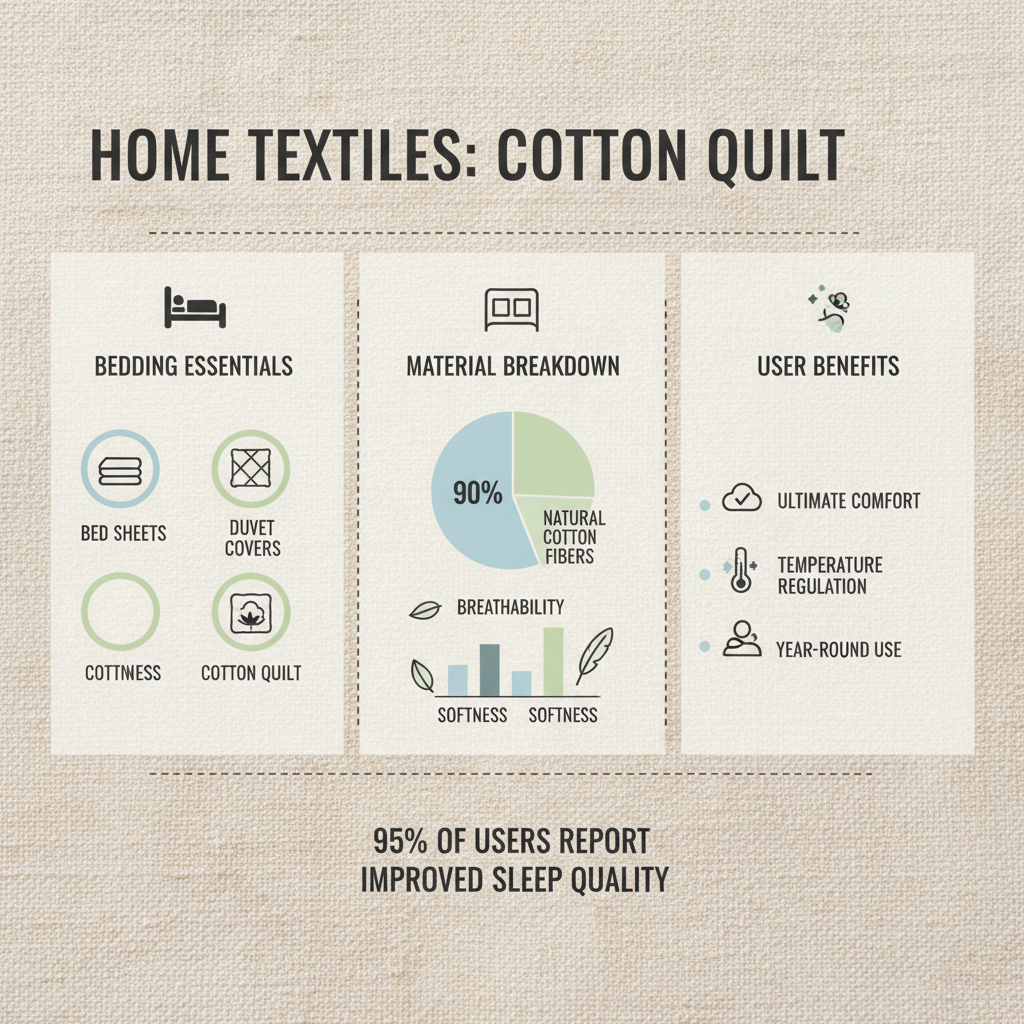
The global textile industry has seen a significant resurgence in the preference for natural fibers, with the cotton quilt standing as a primary example of "slow living" trends. According to international trade data, the shift toward organic cotton certifications (such as GOTS) reflects a worldwide movement toward ethical sourcing and chemical-free manufacturing. This is particularly evident in North American and European markets, where consumers are increasingly wary of the microplastics associated with synthetic bedding.
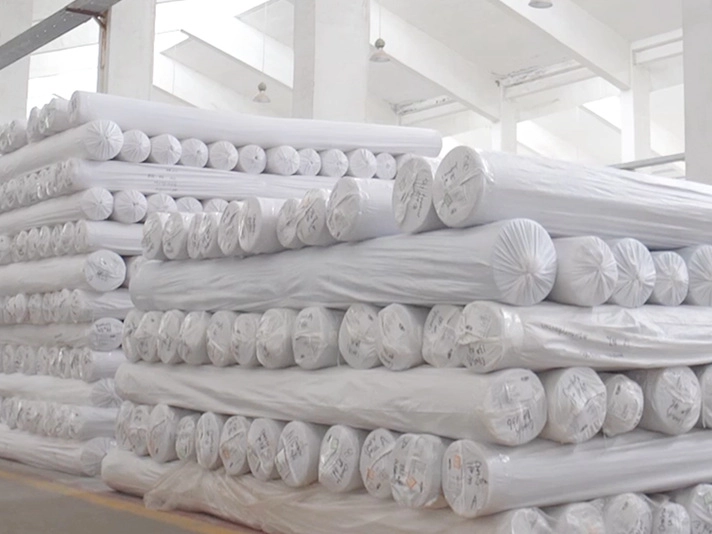
Despite the rise of high-tech memory foams and cooling gels, the fundamental physics of cotton—its ability to wick moisture away from the body while retaining warmth—remains unmatched. The challenge for the modern manufacturer is to maintain this traditional breathability while implementing industrial scales of production that ensure consistency in weight, stitching, and durability across millions of units.
Choosing the weight depends on your local climate and personal sleep temperature. For year-round use, a medium-weight quilt with a balanced batting is ideal. If you are a "hot sleeper," look for a lightweight percale cotton quilt which maximizes airflow. For colder climates, a heavyweight quilt with a denser cotton fill provides the necessary insulation. Always check the GSM (grams per square meter) of the filling to gauge the warmth level before purchasing.
Yes, generally. Pure cotton is naturally hypoallergenic and breathable, which prevents the buildup of moisture and dust mites. Unlike synthetic duvets that may use polyester fillings which can trap allergens, a high-quality cotton quilt allows for better ventilation. For those with severe allergies, we recommend choosing GOTS-certified organic cotton to ensure no chemical residues from pesticides are present in the fabric.
To maintain the loft and softness, wash your cotton quilt in cold or lukewarm water using a mild, pH-neutral detergent. Avoid bleach, as it breaks down the cotton fibers. If using a machine, select a gentle cycle to prevent the stitching from straining. Tumble dry on low heat or air dry in the shade. Periodically fluffing the quilt by hand helps redistribute the cotton batting and prevents clumping.
Absolutely. One of the primary advantages of a cotton quilt is its breathability. Unlike synthetic materials that trap heat, cotton wicks moisture away from the skin. For summer, we recommend a "summer-weight" or lightweight cotton quilt. These provide a comforting layer of weight without causing overheating, making them perfect for air-conditioned rooms or warm tropical nights.
The difference lies in the weave. Sateen is woven with more threads on the surface, resulting in a silky, lustrous finish and a heavier feel. Percale is a simple one-over-one-under weave that creates a matte finish and a crisp, cool feel. If you prefer a luxurious, smooth touch, go for sateen; if you prefer a breathable, crisp feel that stays cool, percale is the better choice.
Check three things: the stitching, the fill, and the fabric. High-quality quilts have tight, consistent stitching with no loose threads. When you press the quilt, the filling should spring back and feel evenly distributed without lumps. Finally, the fabric should feel soft but substantial; a quick "stretch test" should show minimal elasticity, indicating a dense, high-quality weave rather than a thin, synthetic blend.
The cotton quilt represents the perfect marriage of traditional comfort and modern textile science. By prioritizing natural breathability, structural durability, and hypoallergenic properties, it solves the fundamental problem of temperature regulation during sleep. From the luxury of five-star hotels to the critical needs of humanitarian aid, the versatility of cotton ensures that it remains the most trusted material for bedding worldwide.
As we move toward a more sustainable future, the importance of choosing biodegradable, high-quality textiles cannot be overstated. We encourage consumers and business owners alike to invest in certified cotton products that offer both longevity and environmental responsibility. By choosing a superior cotton quilt, you are not just buying bedding—you are investing in the quality of your health and the health of the planet. For premium solutions, visit our website: www.longshowtextile.com

 Afrikaans
 Albanian
 Amharic
 Arabic
 Armenian
 Azerbaijani
 Basque
 Belarusian
 Bengali
 Bosnian
 Bulgarian
 Catalan
 Cebuano
 China
China
 Corsican
 Croatian
 Czech
Czech
 Danish
 Dutch
Dutch
 Esperanto
 Estonian
 Finnish
 French
 Frisian
 Galician
 Georgian
 German
 Greek
Greek
 Gujarati
 Haitian Creole
 Hausa
Hausa
 Hawaiian
 Hebrew
 Hindi
Hindi
 Miao
Miao
 Hungarian
 Icelandic
 Igbo
Igbo
 Indonesian
 Irish
Irish
 Italian
 Japanese
 Javanese
 Kannada
 Kazakh
 Khmer
Khmer
 Rwandese
 Korean
 Kurdish
 Kyrgyz
 Lao
Lao
 Latin
Latin
 Latvian
 Lithuanian
 Luxembourgish
 Macedonian
 Malgashi
 Malay
Malay
 Malayalam
 Maltese
 Maori
Maori
 Marathi
 Mongolian
 Myanmar
 Nepali
 Norwegian
 Norwegian
 Occitan
 Pashto
 Persian
 Polish
 Portuguese
 Punjabi
 Romanian
 Russian
 Samoan
 Scottish Gaelic
 Serbian
 Sesotho
 Shona
Shona
 Sindhi
 Sinhala
 Slovak
 Slovenian
 Somali
 Spanish
 Sundanese
 Swahili
 Swedish
 Tagalog
 Tajik
Tajik
 Tamil
Tamil
 Tatar
Tatar
 Telugu
 Thai
Thai
 Turkish
 Turkmen
 Ukrainian
 Urdu
Urdu
 Uighur
 Uzbek
Uzbek
 Vietnamese
 Welsh
Welsh
 Bantu
Bantu
 Yiddish
 Yoruba
 Zulu
Zulu
 English