Procuring linens for high-turnover environments often leads to a critical conflict between initial capital expenditure and long-term operational durability. For hotel managers and procurement officers, the primary challenge is not finding the lowest unit cost, but identifying the optimal value point where fabric resilience minimizes replacement cycles.
The volatility of raw material costs, coupled with the varying requirements of hospitality standards, means that a standard bed sheet price is rarely a fixed figure. Instead, it is a variable influenced by thread count, material blends, and the intended frequency of industrial laundering.
To navigate these variables, it is essential to analyze the technical specifications that actually drive cost and performance, moving beyond surface-level pricing to a total-cost-of-ownership model.


In the commercial textile sector, pricing is not merely a reflection of the fabric's feel but a calculation of its expected lifespan. The hospitality industry operates on a high-frequency wash cycle, which accelerates fiber degradation. Therefore, the most cost-effective solution is often a mid-range fabric that balances softness with structural integrity.
Companies like Longshow Textiles manage this balance by integrating vertically, controlling the process from raw fabric production to the finished sheet. This allows for the creation of specific blends, such as the T200 percale, which are engineered specifically for the rigors of hotel laundry environments.
The cost of a bed sheet is fundamentally tied to the yarn count and the weaving technique. For instance, a 4040s yarn count provides a stable foundation that resists pilling and thinning over time. When combined with a percale weave—a plain weave that produces a matte finish and a crisp feel—the result is a fabric that is both breathable and durable.
Beyond the weave, the finishing process plays a significant role. The application of industrial-grade hems (such as a 2-inch top hem for flat sheets) prevents fraying during aggressive mechanical washing. These small structural details add to the initial price but significantly extend the time between replacements.
Customization also impacts the final quote. While standard white is the industry benchmark for cleanliness and bleaching compatibility, customized colors or specific size adjustments for non-standard mattresses require separate production runs, influencing the minimum order quantity (MOQ) and the unit price.
Pure cotton is prized for comfort but can be prone to excessive wrinkling and slower drying times in industrial dryers. To optimize the cost-to-performance ratio, a blend of 60% cotton and 40% polyester is frequently employed. This hybrid approach leverages the breathability of cotton and the tensile strength and wrinkle-resistance of polyester.
The strategic use of Polycotton blends reduces the energy cost of drying and ironing while maintaining a high perception of quality for the end guest, effectively lowering the total operational cost per room.
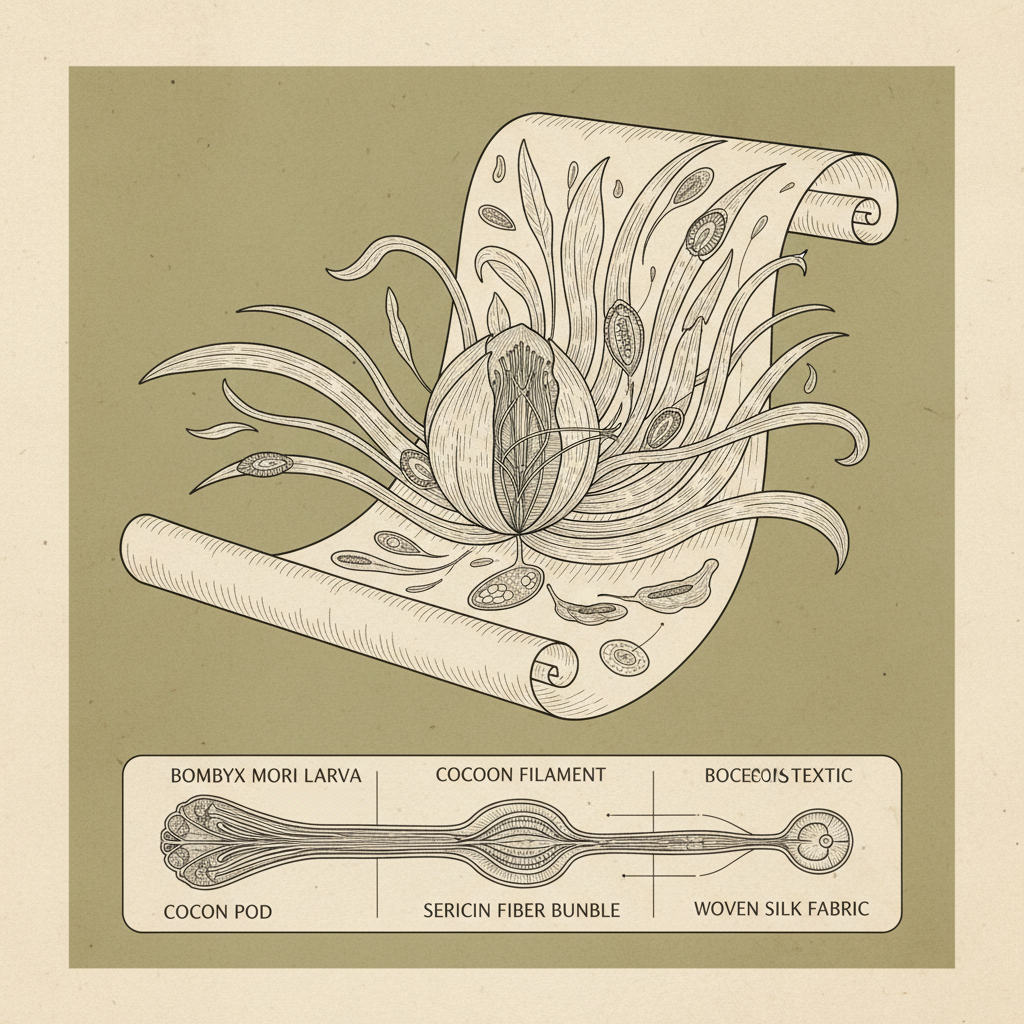
For specialized environments, such as healthcare or high-end spas, the material requirements shift. Bamboo or silk bedding offers different hypoallergenic and aesthetic properties, though they often come with higher price points and more restrictive laundering requirements compared to standard hospitality blends.
There is a common misconception that a higher thread count (TC) always equals higher quality. In professional settings, an excessively high TC can lead to a heavier fabric that retains more moisture and takes longer to dry, increasing utility costs. A 200TC percale is often the "sweet spot" for high-performance hospitality supplies.
When evaluating the value index, one must consider the relationship between the thread count and the yarn quality. A 200TC sheet made with high-quality 40s yarn can outlast a 400TC sheet made with inferior, multi-ply yarns that are designed only to inflate the TC number.
In a typical industrial hotel setting, the usage of fitted sheets with elastic overlock around four sides is critical for maintaining a tight, professional appearance and reducing the time staff spend on bed-making. This functional design reduces labor costs over thousands of room turnovers.
For larger procurement orders, such as those requiring 500+ pieces, the ability to customize the hem color lines becomes a logistical advantage. These lines allow laundry staff to instantly distinguish between King, Queen, and Twin sizes, preventing sorting errors and ensuring that the right linens return to the correct room types.
Modern procurement is moving toward "sustainable durability." There is a growing demand for Oeko-Tex Standard 100 and SGS certifications, as hotels seek to prove that their linens are free from harmful substances and produced in environmentally responsible factories.
We are also seeing a shift toward vertically integrated supply chains. By partnering with manufacturers who own their factories—similar to Longshow's model of four automated facilities—buyers can secure a more consistent supply and avoid the price fluctuations common in multi-tiered sourcing.
Furthermore, the rise of "functional fabrics" is influencing the market. Fabrics that offer antimicrobial properties or enhanced moisture-wicking are becoming more prevalent in healthcare and luxury wellness settings, shifting the focus from simple aesthetics to clinical performance.
Choosing the right linen requires a trade-off analysis between the initial purchase price and the expected replacement rate. A low-cost, low-thread-count sheet may seem attractive but often fails after a few months of industrial washing, leading to a higher annual spend.
The most successful procurement strategies involve sampling a variety of blends to test "wash-and-wear" resilience. Factors such as shrinkage rates, colorfastness, and the ability to withstand high-temperature sterilization are the true metrics of quality.
The following framework provides a relative comparison of common hospitality fabric choices to help buyers align their selection with their specific operational goals.
| Material Blend | Durability Index | Comfort Level | Operational Fit |
|---|---|---|---|
| 60% Cotton / 40% Poly | High | Moderate | High-Volume Hotels |
| 100% Cotton Percale | Moderate | High | Boutique/Luxury |
| Bamboo Blend | Moderate | Very High | Eco-Resorts/Spas |
| Microfiber | Moderate | Low | Budget/Hostels |
| Flax Linen | Very High | High | High-End Residential |
| Mulberry Silk | Low | Premium | Ultra-Luxury Suites |
The price is primarily driven by raw material costs (cotton vs. polyester blends), thread count, and yarn quality. Additionally, the construction details—such as the size of the hems and the type of elastic used in fitted sheets—impact the cost. Manufacturing scale also plays a role; orders with higher MOQs typically benefit from lower unit costs due to production efficiencies in automated factories.
This specific blend is engineered for the hospitality industry to balance guest comfort with operational reality. Cotton provides the necessary breathability and soft touch, while polyester adds tensile strength, reduces shrinkage, and accelerates drying times. This results in a product that withstands frequent industrial laundering far better than 100% cotton, reducing the overall replacement frequency.
Not necessarily. In professional linens, "quality" refers to durability and breathability. An excessively high thread count can make the fabric too dense, trapping heat and increasing drying times. A 200TC percale using high-quality 40s yarn is often more durable and comfortable for guests than a 500TC sheet made from inferior, thinner yarns designed only to inflate the count.
Custom OEM/ODM services allow for specific fabric blends and dimensions, but they typically require a longer lead time than off-the-shelf products. This includes time for fabric sourcing, sample approval, and specialized dyeing. However, working with a vertically integrated manufacturer can streamline this process by reducing the number of intermediaries between the yarn mill and the sewing line.
Oeko-Tex Standard 100 certification ensures that every component of the bed sheet—from the thread to the dyes—has been tested for harmful substances. For hotels, this certification serves as a trust signal for guests, confirming that the linens are safe for skin contact and produced under environmentally responsible conditions, which is increasingly important for corporate social responsibility (CSR) goals.
Professional manufacturers implement "color-coded hems." By sewing different colored lines into the hem of the sheets, laundry staff can instantly identify the size (e.g., blue for King, green for Queen) without having to physically measure the fabric. This small detail significantly reduces sorting errors and improves the efficiency of the linen supply chain.
Optimizing the cost of hospitality linens requires moving beyond the initial invoice and analyzing the long-term operational impact of fabric choice. The ideal solution lies in the intersection of material science—such as the durable 60/40 polycotton blend—and precise manufacturing specifications like the percale weave.
By focusing on total lifecycle value rather than just the lowest unit price, procurement managers can ensure a consistent guest experience while maintaining a sustainable and efficient supply chain.

 Afrikaans
 Albanian
 Amharic
 Arabic
 Armenian
 Azerbaijani
 Basque
 Belarusian
 Bengali
 Bosnian
 Bulgarian
 Catalan
 Cebuano
 China
 Corsican
 Croatian
 Czech
 Danish
 Dutch
 Esperanto
 Estonian
 Finnish
 French
 Frisian
 Galician
 Georgian
 German
 Greek
 Gujarati
 Haitian Creole
 Hausa
 Hawaiian
 Hebrew
 Hindi
 Miao
 Hungarian
 Icelandic
 Igbo
 Indonesian
 Irish
 Italian
 Japanese
 Javanese
 Kannada
 Kazakh
 Khmer
 Rwandese
 Korean
 Kurdish
 Kyrgyz
 Lao
 Latin
 Latvian
 Lithuanian
 Luxembourgish
 Macedonian
 Malgashi
 Malay
 Malayalam
 Maltese
 Maori
 Marathi
 Mongolian
 Myanmar
 Nepali
 Norwegian
 Norwegian
 Occitan
 Pashto
 Persian
 Polish
 Portuguese
 Punjabi
 Romanian
 Russian
 Samoan
 Scottish Gaelic
 Serbian
 Sesotho
 Shona
 Sindhi
 Sinhala
 Slovak
 Slovenian
 Somali
 Spanish
 Sundanese
 Swahili
 Swedish
 Tagalog
 Tajik
 Tamil
 Tatar
 Telugu
 Thai
 Turkish
 Turkmen
 Ukrainian
 Urdu
 Uighur
 Uzbek
 Vietnamese
 Welsh
 Bantu
 Yiddish
 Yoruba
 Zulu
 English