

Selecting high-quality home linen products is a critical decision for both residential comfort and commercial hospitality standards. In the specialized field of bedding manufacturing, the intersection of material science and textile engineering determines whether a product offers mere coverage or a genuine sleep-enhancing experience.
Procurement managers and homeowners often struggle to balance breathability, durability, and tactile softness, especially when navigating the complex variety of blends like Tencel and polyester. The challenge lies in identifying fabrics that maintain their structural integrity after repeated industrial laundering without sacrificing the luxurious feel expected in modern interiors.
This analysis provides a technical and procurement-focused framework to evaluate the performance of various textile compositions, exploring the specific benefits of advanced physical treatments and how to select the right linen specifications for different application environments.

The Fundamentals of High-Performance Home Linen

High-performance home linen products are defined by their ability to maintain a balance between moisture management, thermal regulation, and tensile strength. In the bedding industry, this balance is achieved through the careful selection of yarn counts and thread counts (TC), which directly influence the fabric's density and hand-feel. For instance, a 285TC fabric provides a dense enough weave to be durable while remaining soft enough for direct skin contact.
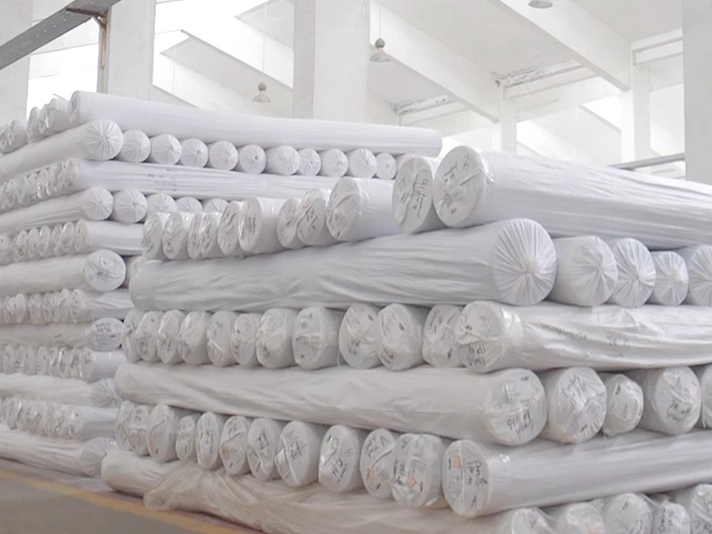
From a manufacturing perspective, the integration of automated production lines ensures that these specifications remain consistent across thousands of meters of fabric. Consistency in width—such as the standard 250cm used for versatile bedding sizes—is essential for reducing waste during the cutting and sewing phases of duvet and pillow production.
Material Synergy: Analyzing Polyester and Tencel Blends
The combination of 84% polyester and 16% Tencel creates a hybrid textile that leverages the strengths of both synthetic and cellulosic fibers. Polyester provides the necessary resilience, wrinkle resistance, and longevity required for products subjected to frequent washing, while Tencel (a brand of lyocell) introduces superior breathability and a silk-like softness that enhances the overall sleep experience.
This specific blend is particularly effective for duvet fabrics because it prevents the stiffness often associated with pure polyester while avoiding the excessive shrinkage or fragility of 100% natural fibers. By optimizing the yarn count, such as 65D45S Tencel, manufacturers can produce a lightweight fabric (approximately 118g) that feels airy without compromising the fabric's structural integrity.
Downproof Technology and Physical Treatment Processes
A critical requirement for duvet and pillow covers is "downproof" capability—the ability to prevent feathers or synthetic fills from leaking through the weave. Traditionally, this was achieved through chemical coatings, which often reduced the fabric's breathability and gave it a plastic-like feel. Modern textile engineering now employs advanced physical treatment processes to achieve this goal.
Physical treatment involves manipulating the weave structure and fiber orientation to close gaps in the fabric, ensuring a downproof rating without the need for coatings. This allows the fabric to maintain a high breathability rating (such as an 8-rated scale), ensuring that air can circulate while the filling remains securely contained. This approach is essential for eco-friendly production and improved user comfort.
Comparative Performance Indicators for Bedding Fabrics
When evaluating home linen products, it is helpful to use a normalized scoring system to compare different material compositions across key performance dimensions. The following data represents a conceptual comparison of how blended fabrics perform relative to traditional 100% cotton or pure synthetic options.
The data illustrates that blended fabrics (like the Polyester-Tencel mix) often provide a more balanced profile, offering high scores in both durability and breathability, whereas pure synthetics excel in durability but fail in air permeability, and pure naturals excel in comfort but may lag in long-term resilience.
Selection Criteria for Different Hospitality Tiers
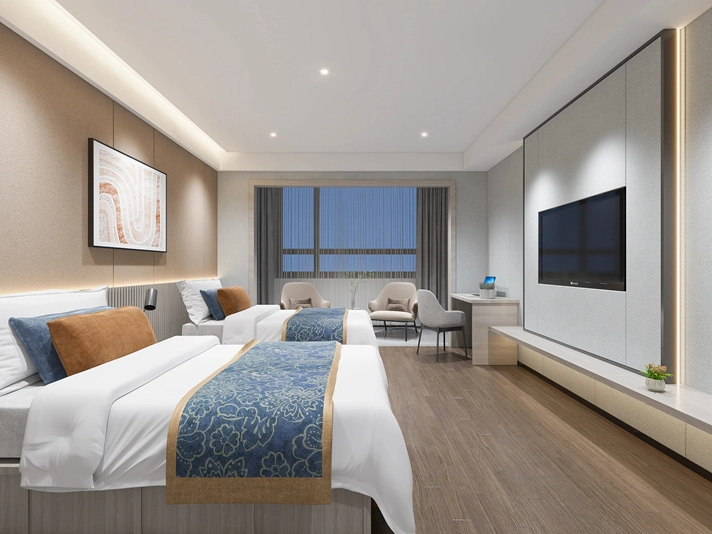
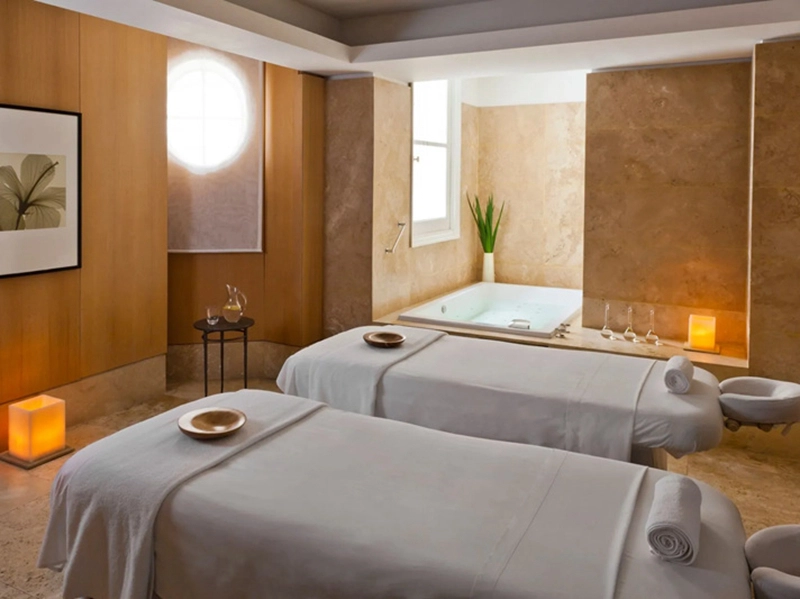
The requirements for home linen products vary significantly depending on the end-use environment. In luxury hotel settings, the focus is on a high thread count and a perceived "crispness," often favoring higher Tencel or Egyptian cotton blends. In healthcare or spa environments, the priority shifts toward functional fabrics that can withstand aggressive sterilization processes while remaining gentle on sensitive skin.
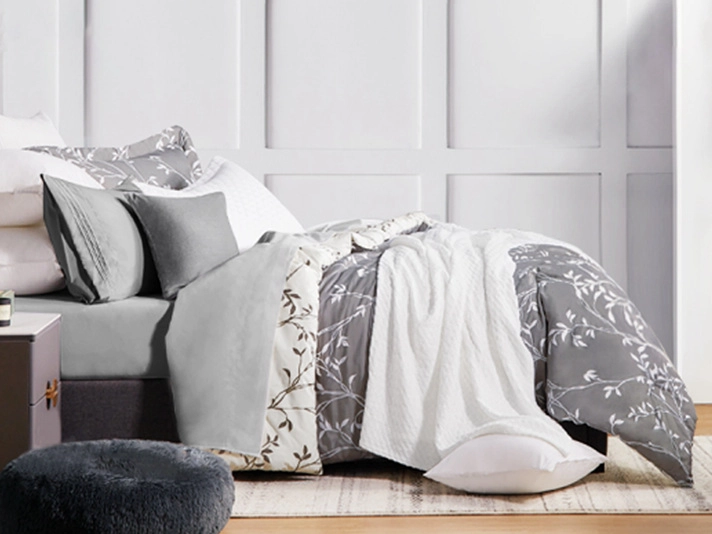
For standard residential use, the balance shifts toward a "soft-touch" experience and ease of maintenance. Buyers should consider the weight of the fabric; for instance, a 118g fabric is ideal for summer duvets or lightweight pillows, whereas heavier weaves are preferred for winter bedding. Matching the material composition to the regional climate and expected usage frequency is key to maximizing the product's lifecycle.
Risk Mitigation in Bulk Textile Procurement
Procuring textiles in bulk carries inherent risks, primarily related to shade variation, shrinkage, and certification compliance. To mitigate these, buyers must demand standardized sampling and certification verification. Utilizing materials certified by Oeko-Tex Standard 100 ensures that the home linen products are free from harmful substances, which is a non-negotiable requirement for international markets.
Another significant risk is the "surprise" in the supply chain—delayed deliveries or inconsistent quality between the sample and the bulk order. Working with vertically integrated manufacturers who control the process from fabric weaving to final stitching reduces these risks. A professional management system that guarantees on-time delivery is as important as the technical specifications of the fabric itself.
A Decision Framework for Fabric Specification
To simplify the selection process, buyers can use the following framework to match their specific needs with the most appropriate textile approach. This table compares the common categories of home linen products based on their functional attributes.
| Fabric Type | Primary Strength | Best Application | Main Consideration |
|---|---|---|---|
| Poly-Tencel Blend | Balanced Softness/Durability | Premium Duvets | Thread Count Stability |
| 100% Cotton | High Breathability | Standard Sheets | Wrinkle Tendency |
| Microfiber | Low Cost/High Durability | Budget Hospitality | Lower Breathability |
| Mulberry Silk | Extreme Luxury/Skin Care | High-End Pillowcases | Fragile Maintenance |
| Bamboo Fiber | Eco-Friendly/Cooling | Summer Bedding | Drying Time |
| Flax Linen | Texture/Thermal Control | Rustic Home Decor | Initial Stiffness |
By aligning the "Primary Strength" with the "Best Application," procurement officers can ensure that the chosen fabric meets the operational demands of the environment while satisfying the end-user's comfort expectations.
Frequently Asked Questions
TC stands for Thread Count, referring to the number of horizontal and vertical threads per square inch. A 285TC indicates a dense, durable weave that provides a smooth surface and prevents filling leakage in duvets.
Tencel adds moisture-wicking properties and a softer, more natural feel to the fabric, reducing the "sweaty" sensation sometimes associated with pure synthetic polyester blends.
Chemical coatings seal the fabric with a layer of resin, which can reduce air flow. Physical treatment uses high-precision weaving and finishing to close gaps, maintaining high breathability while keeping the fill inside.
A weight of around 118g is typically ideal for creating an airy, lightweight feel that is suitable for spring or summer bedding without sacrificing the strength of the material.
Yes, blends featuring a high percentage of polyester are specifically designed for hospitality use, offering the resilience needed to withstand high-temperature industrial washing cycles.
Oeko-Tex Standard 100 is the primary global certification ensuring the fabric is tested for harmful substances and is safe for human use.
Conclusion
The quality of home linen products is determined by the synergy between material composition, weaving density, and the precision of the finishing process. By transitioning from chemical coatings to physical treatments and leveraging the benefits of Tencel-polyester blends, manufacturers can provide textiles that are both durable for commercial use and luxurious for home environments.
For organizations seeking customized fabric solutions or high-volume bedding supplies that meet international standards, reviewing technical specifications and certifications is the first step. Professional procurement guidance can be found at www.longshowtextiles.com to ensure the chosen materials align with specific application requirements.




 English
 Afrikaans
 Albanian
 Amharic
 Arabic
 Armenian
 Azerbaijani
 Basque
 Belarusian
 Bengali
 Bosnian
 Bulgarian
 Catalan
 Cebuano
 China
 Corsican
 Croatian
 Czech
 Danish
 Dutch
 Esperanto
 Estonian
 Finnish
 French
 Frisian
 Galician
 Georgian
 German
 Greek
 Gujarati
 Haitian Creole
 Hausa
 Hawaiian
 Hebrew
 Hindi
 Miao
 Hungarian
 Icelandic
 Igbo
 Indonesian
 Irish
 Italian
 Japanese
 Javanese
 Kannada
 Kazakh
 Khmer
 Rwandese
 Korean
 Kurdish
 Kyrgyz
 Lao
 Latin
 Latvian
 Lithuanian
 Luxembourgish
 Macedonian
 Malgashi
 Malay
 Malayalam
 Maltese
 Maori
 Marathi
 Mongolian
 Myanmar
 Nepali
 Norwegian
 Norwegian
 Occitan
 Pashto
 Persian
 Polish
 Portuguese
 Punjabi
 Romanian
 Russian
 Samoan
 Scottish Gaelic
 Serbian
 Sesotho
 Shona
 Sindhi
 Sinhala
 Slovak
 Slovenian
 Somali
 Spanish
 Sundanese
 Swahili
 Swedish
 Tagalog
 Tajik
 Tamil
 Tatar
 Telugu
 Thai
 Turkish
 Turkmen
 Ukrainian
 Urdu
 Uighur
 Uzbek
 Vietnamese
 Welsh
 Bantu
 Yiddish
 Yoruba
 Zulu