




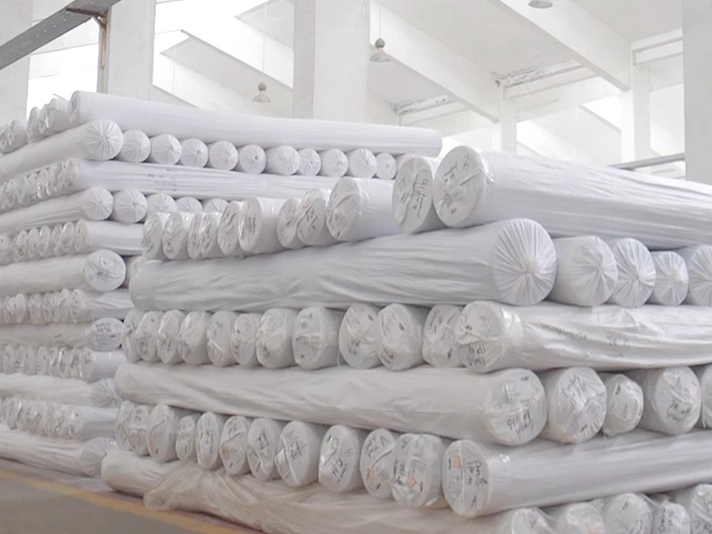
When businesses look to bulk buy bedding, they are typically seeking a strategic balance between wholesale cost efficiency and high-performance textile quality. Whether for luxury hotels, healthcare facilities, or retail distribution, sourcing bedding in volume requires a deep understanding of fabric durability, thread counts, and sustainable material sourcing to ensure long-term operational viability.
The primary challenge in large-scale procurement is avoiding the "commodity trap," where low costs lead to rapid fabric degradation and poor guest experiences. High-volume buyers must evaluate materials like Bamboo Viscose, Tencel, and high-grade Cotton to determine which fibers provide the necessary cooling properties and tensile strength to withstand industrial laundering cycles without losing their luxurious feel.
This guide provides a professional framework for evaluating wholesale bedding options, analyzing the technical specifications of cooling fabrics, and establishing a reliable supply chain. By the end of this analysis, procurement officers will be able to identify the key indicators of premium bulk bedding and implement a selection process that optimizes both budget and quality.

1Fundamentals of Wholesale Bedding Procurement

Procuring bedding in bulk is not merely about reducing the unit price but about securing a consistent quality standard across thousands of units. For professional buyers, the focus shifts from aesthetic appeal to functional longevity. This involves analyzing the yarn count and weaving techniques—such as sateen or percale—which determine how the fabric handles moisture, heat, and friction over hundreds of wash cycles.
A critical factor in the procurement process is the Minimum Order Quantity (MOQ). While lower MOQs provide flexibility, higher volume commitments often unlock access to customized fabric blends and specialized finishes, such as antimicrobial treatments or enhanced cooling coatings, which are essential for high-turnover environments.
Furthermore, the integration of vertical manufacturing reduces lead times and minimizes the risk of mid-batch quality variance. When a supplier controls the process from yarn spinning to final stitching, the buyer gains greater transparency regarding the origin of the fibers and the ethical standards of the production facility.
2Technical Analysis of Bamboo and Tencel Blends
Modern bulk bedding has moved beyond 100% cotton. The emergence of organic eucalyptus lyocell and bamboo viscose has revolutionized temperature regulation. These materials are naturally more breathable and moisture-wicking than traditional cotton, making them ideal for "hot sleepers" and high-humidity climates. The molecular structure of lyocell allows it to absorb moisture more efficiently, keeping the skin dry and cool.
Specifically, blends such as 85% Viscose from Bamboo and 15% Linen combine the silkiness of bamboo with the inherent strength and crispness of linen. This hybrid approach prevents the bedding from becoming too limp over time, a common issue with pure viscose fabrics, while maintaining a luxurious, cooling touch that enhances the user experience.
From a technical standpoint, the yarn count (e.g., 6060S) indicates the fineness of the thread. Higher quality yarns result in a denser, smoother fabric that resists pilling. For wholesale buyers, specifying the yarn count is the only way to ensure they are not receiving inferior, loosely woven fabrics that will tear under industrial stress.
3Operational Use Cases: Hospitality vs. Healthcare
In the hospitality sector, the priority is "perceived luxury" combined with durability. Hotels require bedding that feels opulent upon first touch but can survive the harsh chemistry of industrial bleach and high-temperature drying. Sateen weaves are preferred here for their slight sheen and smooth drape, which signal high-end service to the guest.
Conversely, healthcare environments prioritize hygiene and skin sensitivity. In hospitals or spas, the focus shifts toward hypoallergenic materials and high breathability to prevent skin irritation for patients with limited mobility. Here, the moisture-wicking properties of Tencel and Bamboo are not just a luxury but a functional requirement for skin health.
Regardless of the industry, the implementation of a 4-piece coordinated set—including a fitted sheet, flat sheet, and pillowcases—simplifies inventory management. Standardizing sizes (e.g., King or Queen) across the facility reduces the complexity of the supply chain and ensures that replacement units are always compatible.
4Comparative Performance Metrics for Bulk Textiles
When analyzing the performance of bulk bedding, quantitative metrics provide a more reliable basis for decision-making than qualitative descriptions. Key performance indicators (KPIs) include the tensile strength of the fabric, the rate of moisture evaporation, and the color fastness after 50+ industrial wash cycles.
Comparison data suggests that eucalyptus-derived lyocell outperforms traditional cotton in thermal conductivity, meaning it moves heat away from the body more rapidly. This is particularly evident in cooling sheet sets designed for warm weather, where the fabric maintains a lower surface temperature than synthetic polyester blends.
bulk buy bedding Performance Metrics
The chart above illustrates the performance gap between standard industry averages and premium bulk bedding specifications. The significant lead in "Cooling Effect" and "Softness" is a direct result of using high-purity organic lyocell and a precise T300 fabric technology, ensuring that the end-user experiences a consistent level of comfort.
5Supply Chain Optimization and Quality Control
The stability of a supply chain is as important as the quality of the product. For those who bulk buy bedding, a disruption in delivery can lead to operational downtime in hotels or clinics. A vertically integrated supplier, owning multiple automated factories, can mitigate these risks by streamlining the manufacturing process from raw fiber to finished product.
Quality control must be rigorous and multi-staged. This includes raw material inspection, in-process monitoring of the weaving looms, and final quality audits of the stitched sets. Certifications such as Oeko-Tex Standard 100 and SGS provide third-party verification that the textiles are free from harmful substances, which is a mandatory requirement for international exports.
Furthermore, the ability to offer OEM and ODM services allows businesses to customize their bedding to specific brand standards. Whether it is a custom thread count, a specific color palette, or bespoke packaging, customization ensures that the product aligns perfectly with the company's market positioning.
6Sustainable Sourcing and Eco-Certifications
Sustainability is no longer optional in the textile industry; it is a core requirement for modern procurement. Organic eucalyptus lyocell is a prime example of sustainable innovation. The trees are sourced from responsibly managed forests and regrown after harvesting, creating a closed-loop production cycle that minimizes environmental impact.
Compared to conventional cotton, which requires vast amounts of water and pesticides, bamboo and lyocell production is significantly more resource-efficient. For brands focusing on "green" hospitality or eco-friendly home goods, these certifications provide the necessary evidence to support their sustainability claims to consumers.
The transition to sustainable bulk bedding also involves evaluating the end-of-life cycle of the product. Biodegradable fibers reduce the long-term waste footprint of the hospitality industry, aligning corporate social responsibility (CSR) goals with operational procurement strategies.
7Procurement Decision Matrix for Bedding Sets
To make an informed decision when you bulk buy bedding, it is helpful to compare different material options across several critical dimensions. The choice between a bamboo-linen blend and a standard cotton set depends on the specific environment, the expected lifespan of the product, and the target guest profile.
While bamboo blends offer superior cooling and softness, they may require more specific laundering instructions than polyester-cotton blends. However, the investment in premium materials typically pays off through higher customer satisfaction scores and a reduction in the frequency of replacement cycles.
| Material Blend | Primary Strength | Durability | Cooling Level |
|---|---|---|---|
| Bamboo/Linen Mix | Luxurious Softness | High | Exceptional |
| 100% Organic Cotton | Breathability | Very High | Moderate |
| Tencel Lyocell | Temperature Control | Medium-High | High |
| Polycotton Blend | Cost Efficiency | High | Low |
| Mulberry Silk | Skin Health | Low (Delicate) | High |
| Microfiber | Wrinkle Resistance | Medium | Low |
Ultimately, the best selection depends on the balance of your budget and your performance requirements. For those prioritizing a high-end, cooling experience, the Bamboo/Linen sateen weave is the industry gold standard, providing a sensory experience that differentiates a brand in a competitive market.
Frequently Asked Questions
Conclusion
Sourcing the right materials when you bulk buy bedding is a strategic decision that directly impacts operational costs and user satisfaction. By prioritizing technical specifications—such as the T300 fabric technology and organic lyocell blends—businesses can secure products that offer both luxury and long-term durability. The shift toward sustainable, cooling fabrics not only meets modern environmental standards but also solves the practical problem of temperature regulation for the end-user.
For procurement teams looking to optimize their supply chain with certified, high-performance textiles, reviewing detailed specifications and manufacturer capabilities is essential. Those evaluating suitable bedding solutions can review the available product information and professional manufacturing services at www.longshowtextiles.com.



 English
 Afrikaans
 Albanian
 Amharic
 Arabic
 Armenian
 Azerbaijani
 Basque
 Belarusian
 Bengali
 Bosnian
 Bulgarian
 Catalan
 Cebuano
 China
 Corsican
 Croatian
 Czech
 Danish
 Dutch
 Esperanto
 Estonian
 Finnish
 French
 Frisian
 Galician
 Georgian
 German
 Greek
 Gujarati
 Haitian Creole
 Hausa
 Hawaiian
 Hebrew
 Hindi
 Miao
 Hungarian
 Icelandic
 Igbo
 Indonesian
 Irish
 Italian
 Japanese
 Javanese
 Kannada
 Kazakh
 Khmer
 Rwandese
 Korean
 Kurdish
 Kyrgyz
 Lao
 Latin
 Latvian
 Lithuanian
 Luxembourgish
 Macedonian
 Malgashi
 Malay
 Malayalam
 Maltese
 Maori
 Marathi
 Mongolian
 Myanmar
 Nepali
 Norwegian
 Norwegian
 Occitan
 Pashto
 Persian
 Polish
 Portuguese
 Punjabi
 Romanian
 Russian
 Samoan
 Scottish Gaelic
 Serbian
 Sesotho
 Shona
 Sindhi
 Sinhala
 Slovak
 Slovenian
 Somali
 Spanish
 Sundanese
 Swahili
 Swedish
 Tagalog
 Tajik
 Tamil
 Tatar
 Telugu
 Thai
 Turkish
 Turkmen
 Ukrainian
 Urdu
 Uighur
 Uzbek
 Vietnamese
 Welsh
 Bantu
 Yiddish
 Yoruba
 Zulu