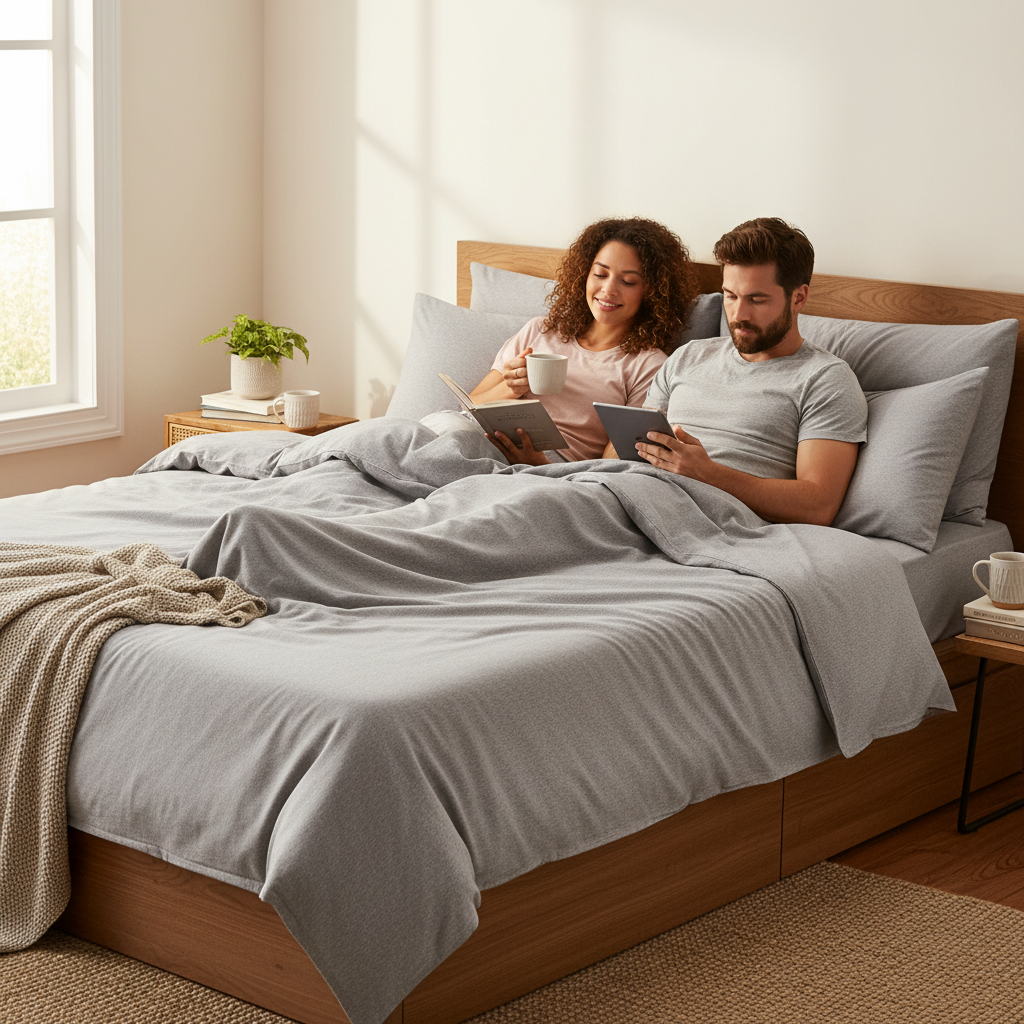
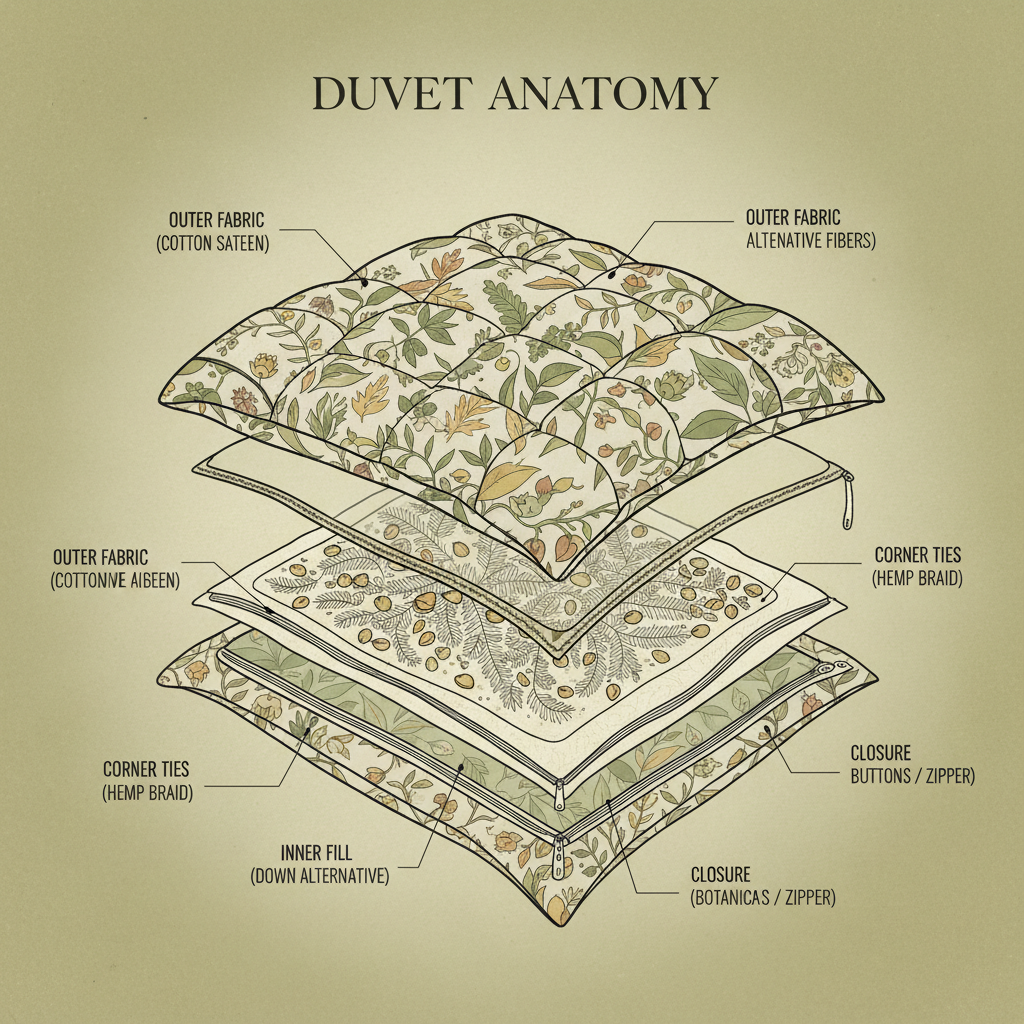
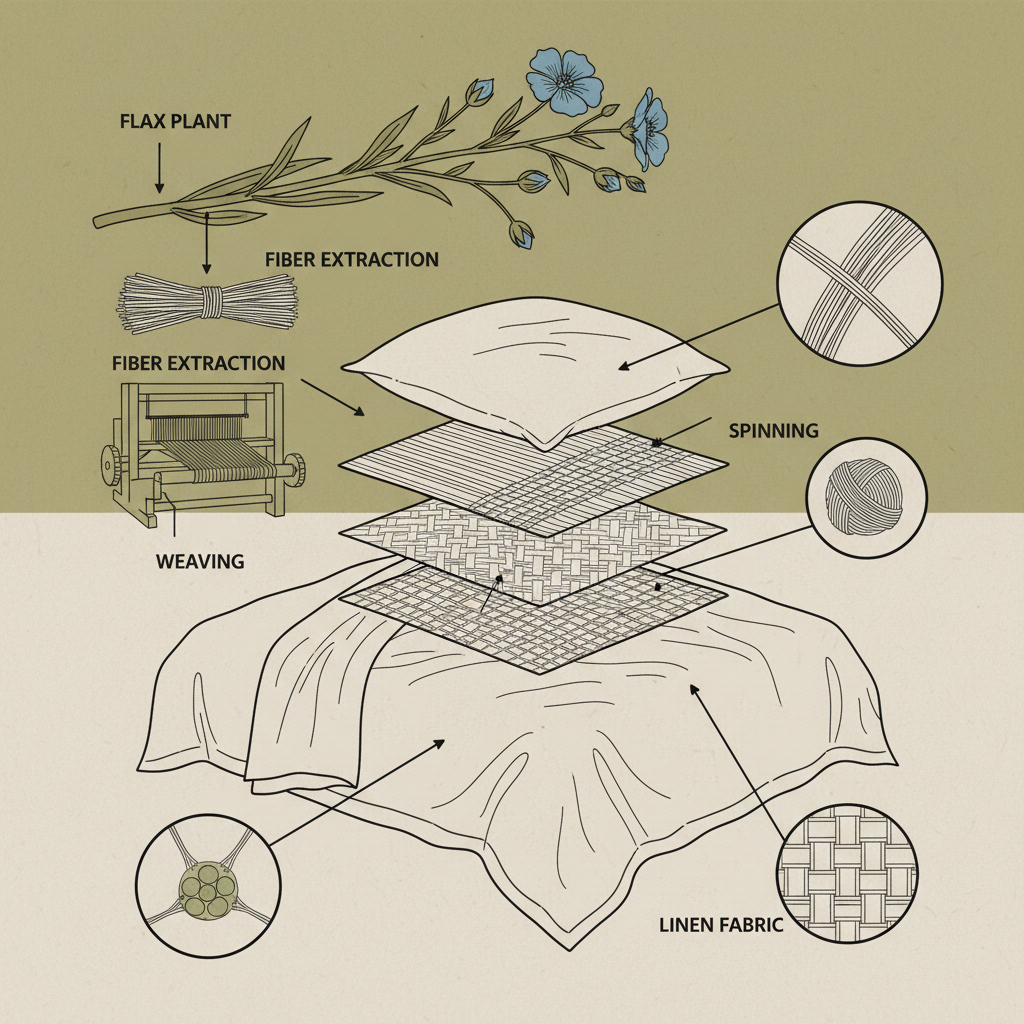
Linen bed sheets have a rich history, originating thousands of years ago in ancient Egypt. Revered for their exceptional quality, breathability, and durability, linen has consistently been a fabric of choice for discerning individuals. Today, the demand for linen bed sheets is experiencing a resurgence globally, driven by increasing consumer awareness of sustainable and natural materials. This rising popularity isn’t simply a trend; it’s a reflection of a wider shift toward mindful consumption and a desire for products that offer both comfort and environmental responsibility.
The global linen market is steadily expanding, projected to reach significant growth in the coming years (estimated at a CAGR of around 6% according to recent industry reports). This growth is fueled by factors such as rising disposable incomes in emerging economies, increasing health consciousness, and a growing preference for eco-friendly products. Linen’s unique properties – its inherent coolness, moisture-wicking abilities, and hypoallergenic nature – make it an ideal choice for bedding, especially in warmer climates.
Understanding the nuances of linen bed sheets – from fiber sourcing and weaving techniques to care instructions and quality assessment – empowers consumers to make informed purchasing decisions. Choosing high-quality linen bedding not only enhances sleep comfort but also contributes to a more sustainable lifestyle, supporting ethical production practices and reducing environmental impact.
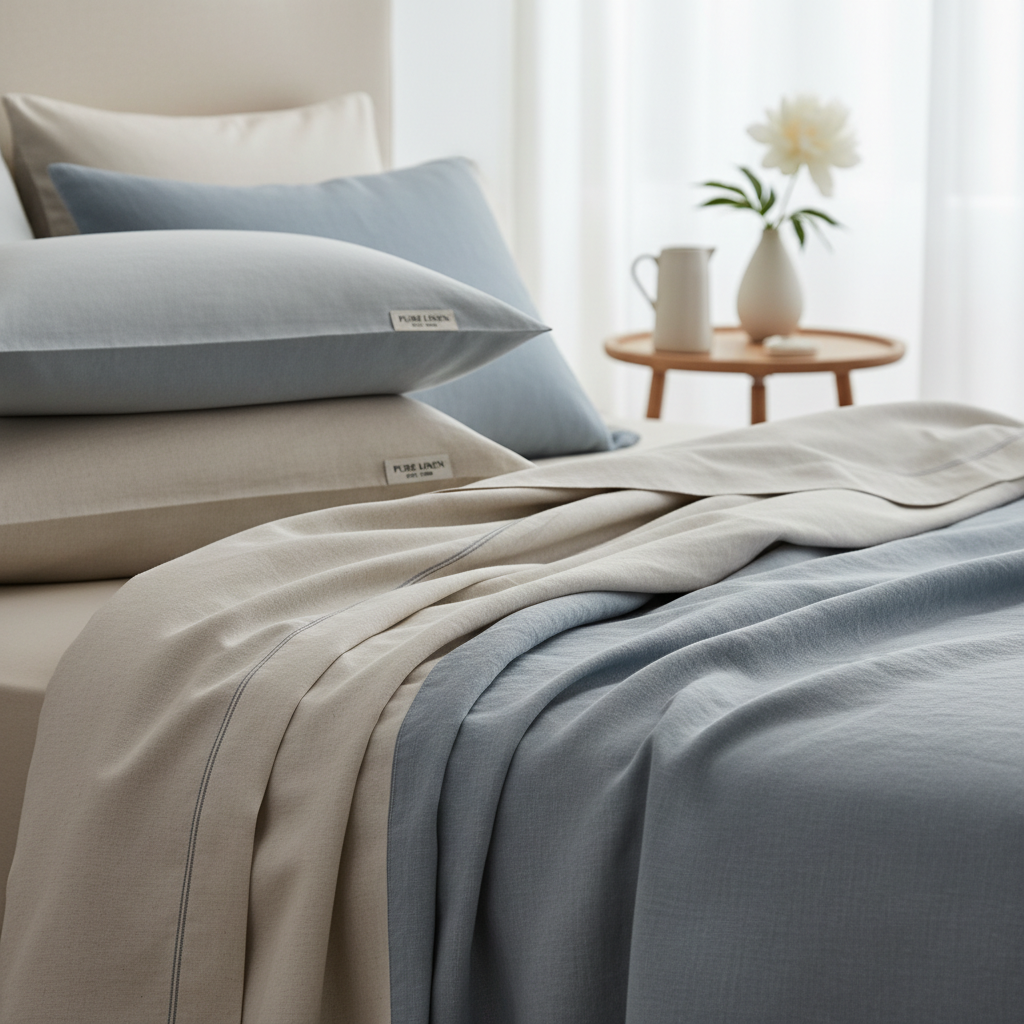
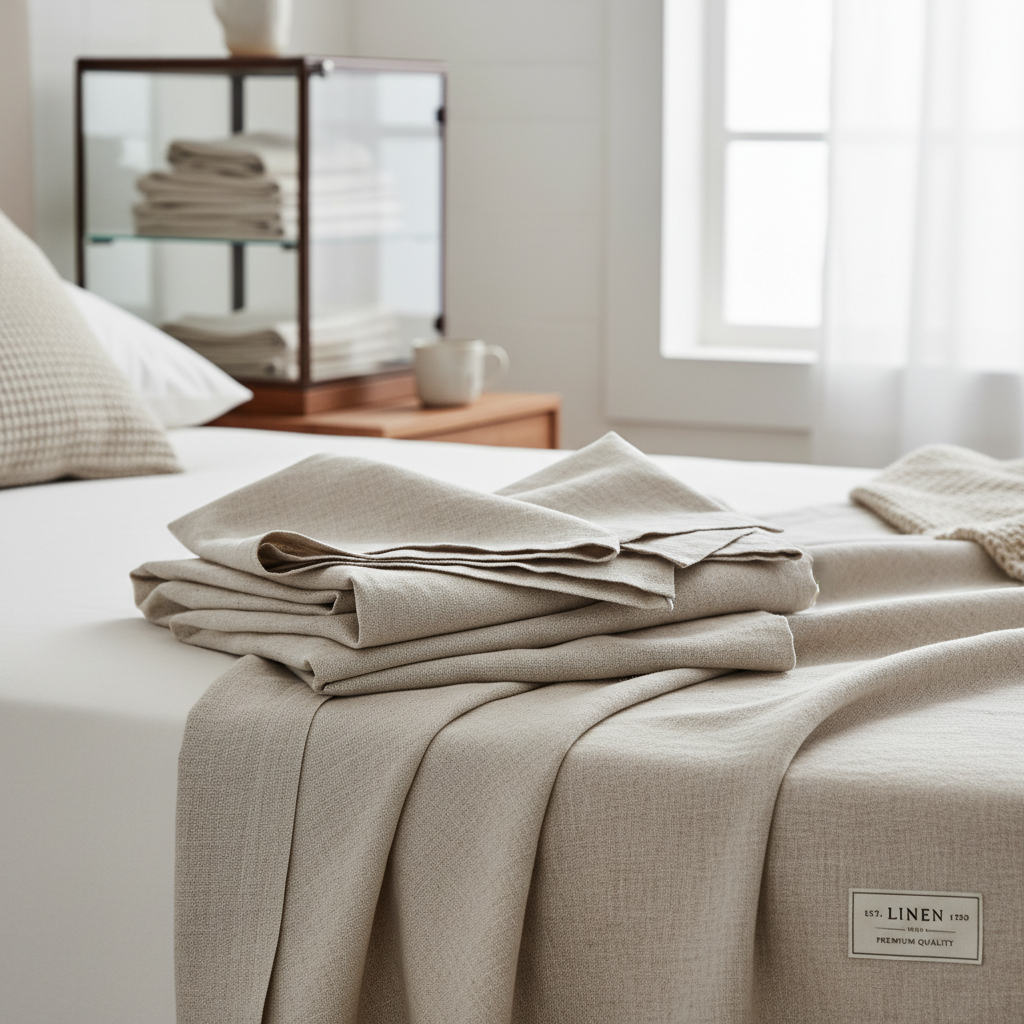
The story of linen bed sheets is deeply intertwined with the history of civilization. Originating in the fertile lands of ancient Egypt over 5,000 years ago, linen was initially valued for its strength and durability, used for everything from clothing to sails. Its use in bedding gradually evolved as weaving techniques improved and its comfort became appreciated. The ancient Egyptians used linen extensively, believing it had protective qualities, even wrapping mummies in it for the afterlife.
Throughout history, linen remained a prized possession, often associated with wealth and status. The Phoenicians, Greeks, and Romans all embraced linen, recognizing its superior qualities. During the Middle Ages, linen production flourished in Europe, becoming a key industry in regions like Ireland and Belgium. The tradition of using linen bed sheets was passed down through generations, becoming a symbol of luxury and refinement.
Linen is made from flax fibers, while cotton comes from the cotton plant. Linen is significantly more durable, breathable, and moisture-wicking than cotton. It also has a unique texture that softens with each wash. While cotton is generally more affordable initially, linen's longevity makes it a cost-effective choice over time. Furthermore, flax cultivation is generally more sustainable than cotton production, requiring less water and fewer pesticides.
Linen is surprisingly easy to care for. Machine wash in cold or lukewarm water on a gentle cycle. You can use a mild detergent. Avoid bleach. Tumble dry on low heat or hang to dry. Linen naturally wrinkles, which is part of its charm, but you can iron it if desired. With each wash, linen becomes softer and more comfortable.
Yes, linen is naturally hypoallergenic, making it an excellent choice for people with allergies or sensitive skin. The smooth flax fibers are less likely to trap dust mites and allergens compared to other fabrics. Linen's breathability also helps to regulate temperature and reduce sweating, further minimizing irritation.
Linen can shrink slightly after the first wash, typically around 3-5%. This is normal and to be expected. To minimize shrinkage, wash in cold water on a gentle cycle and avoid high heat when drying. Pre-washed linen bed sheets are available and offer minimal shrinkage.
Our standard linen bed sheets have a GSM (grams per square meter) of 160-180, which provides a perfect balance between softness, durability, and breathability. A higher GSM indicates a heavier fabric, while a lower GSM is lighter and more airy. We find this range offers optimal comfort and longevity.
Linen bed sheets typically have a higher upfront cost than cotton sheets, but they are a worthwhile investment. Their exceptional durability means they will last for many years, offering long-term value. Additionally, the environmental benefits and luxurious comfort make them a sustainable and enjoyable choice. Consider it an investment in your sleep and the planet.
In conclusion, linen bed sheets represent more than just a bedding choice; they are a commitment to quality, sustainability, and comfort. From their rich historical roots to their modern-day benefits, linen offers a unique combination of durability, breathability, and environmental responsibility. Investing in linen is investing in a better night’s sleep and a more sustainable future.
As consumer awareness continues to grow, we anticipate further innovation in linen production, leading to even more sustainable and ethically sourced products. Exploring the world of linen bed sheets is not only a step towards enhancing your personal well-being but also supporting a more conscious and responsible approach to textile consumption.

 Afrikaans
 Albanian
 Amharic
 Arabic
 Armenian
 Azerbaijani
 Basque
 Belarusian
 Bengali
 Bosnian
 Bulgarian
 Catalan
 Cebuano
 China
China
 Corsican
 Croatian
 Czech
Czech
 Danish
 Dutch
Dutch
 Esperanto
 Estonian
 Finnish
 French
 Frisian
 Galician
 Georgian
 German
 Greek
Greek
 Gujarati
 Haitian Creole
 Hausa
Hausa
 Hawaiian
 Hebrew
 Hindi
Hindi
 Miao
Miao
 Hungarian
 Icelandic
 Igbo
Igbo
 Indonesian
 Irish
Irish
 Italian
 Japanese
 Javanese
 Kannada
 Kazakh
 Khmer
Khmer
 Rwandese
 Korean
 Kurdish
 Kyrgyz
 Lao
Lao
 Latin
Latin
 Latvian
 Lithuanian
 Luxembourgish
 Macedonian
 Malgashi
 Malay
Malay
 Malayalam
 Maltese
 Maori
Maori
 Marathi
 Mongolian
 Myanmar
 Nepali
 Norwegian
 Norwegian
 Occitan
 Pashto
 Persian
 Polish
 Portuguese
 Punjabi
 Romanian
 Russian
 Samoan
 Scottish Gaelic
 Serbian
 Sesotho
 Shona
Shona
 Sindhi
 Sinhala
 Slovak
 Slovenian
 Somali
 Spanish
 Sundanese
 Swahili
 Swedish
 Tagalog
 Tajik
Tajik
 Tamil
Tamil
 Tatar
Tatar
 Telugu
 Thai
Thai
 Turkish
 Turkmen
 Ukrainian
 Urdu
Urdu
 Uighur
 Uzbek
Uzbek
 Vietnamese
 Welsh
Welsh
 Bantu
Bantu
 Yiddish
 Yoruba
 Zulu
Zulu
 English