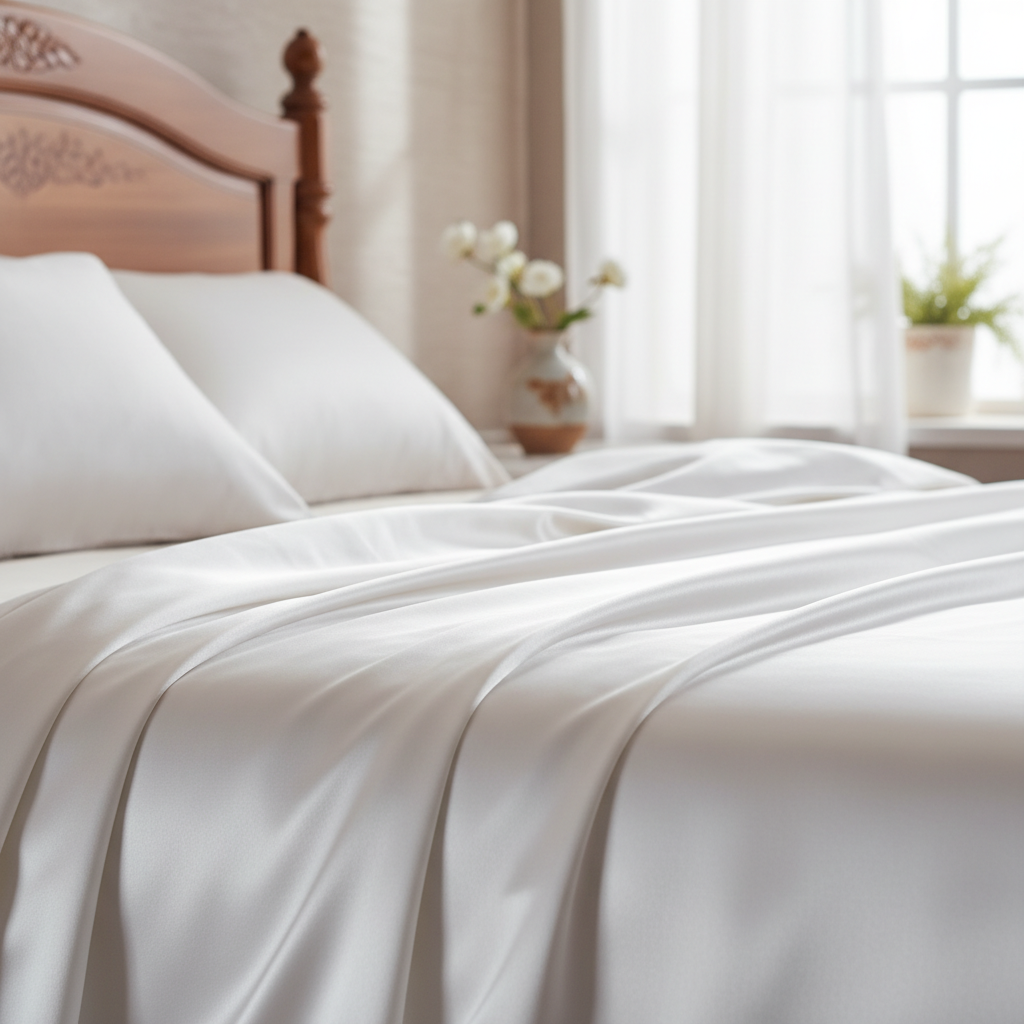
Look, I’ve been on more construction sites than I’ve had hot dinners. Years in this game, and you learn a thing or two about what works, and what absolutely doesn’t. Hotel sheets, you might think they're just linens, but they're a critical component of the whole guest experience. They're the quiet workhorse behind a good night’s sleep, and frankly, they can make or break a property’s reputation. We’re talking about daily wear and tear, intense laundering cycles, and a whole lot of expectation from travelers. It’s not just about comfort, it's about resilience, cost-effectiveness, and the impact on a hotel’s bottom line. hotel sheets are more than just thread count; they’re a logistical operation.
What I’ve seen time and again is that cheaping out on hotel sheets is a false economy. You end up replacing them more often, dealing with guest complaints, and ultimately, hurting your brand. But going for the ultra-luxury stuff isn't always practical either. You need something that strikes a balance between quality, durability, and cost. It's about understanding the volumes a hotel goes through, the industrial washing they endure, and how those factors impact the lifespan of the product. We're talking about a significant investment, and it needs to be a smart one.
And it’s not just about the initial purchase. The whole supply chain matters. Lead times, consistency of quality, and a reliable supplier are crucial. I've dealt with enough delayed deliveries and inconsistent batches to know that a solid partnership with a textile manufacturer is worth its weight in gold. hotel sheets, when you break it down, are a complex supply chain problem wrapped up in a comfortable package.
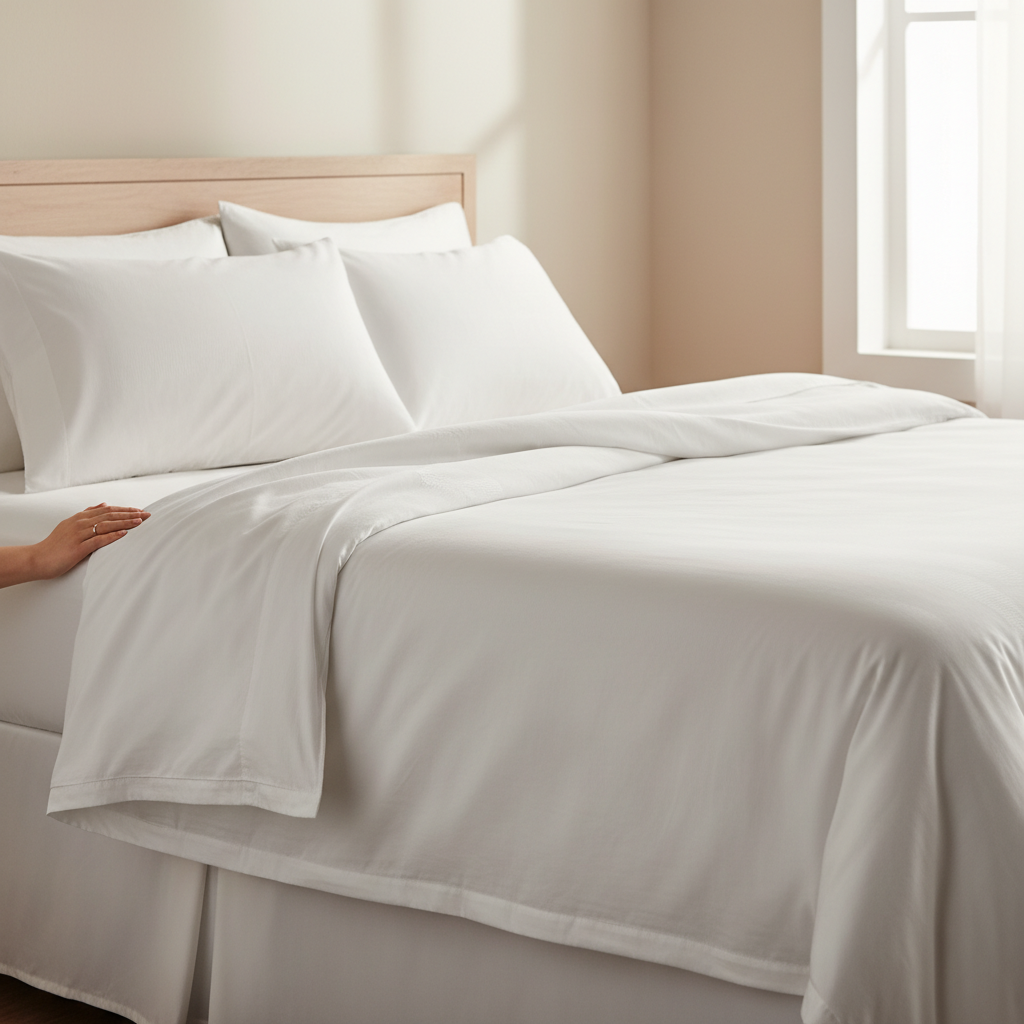
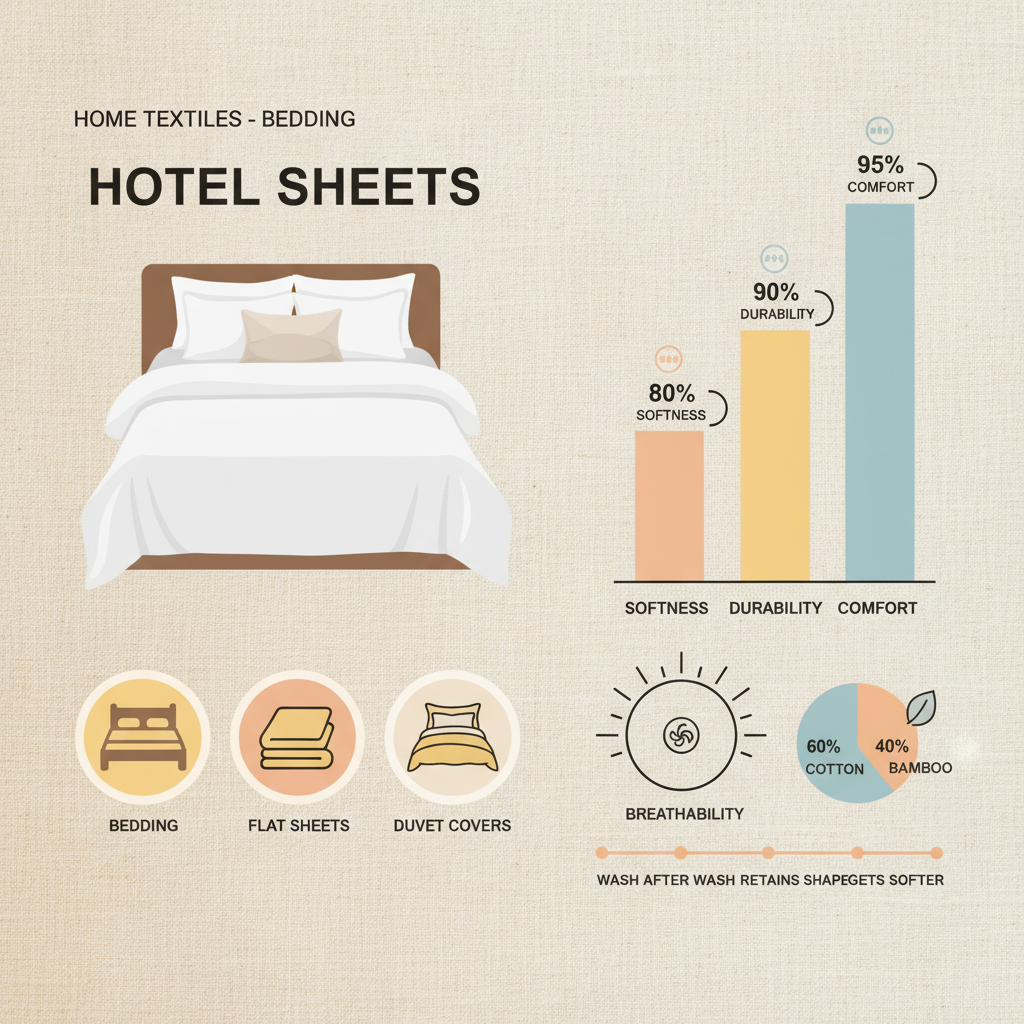
Let’s be real: hotels are hard on linens. Constant washing, bleaching, and the sheer volume of use take a toll. Durable hotel sheets aren’t a luxury; they're a necessity. I’ve seen hotels go through multiple sets a year with cheap options, racking up costs that quickly outweigh the initial savings. It's about choosing materials that can withstand the abuse, and construction methods that prevent premature wear and tear.
From a practical standpoint, durable sheets reduce replacement frequency, minimizing downtime for housekeeping and preventing disruptions in service. A consistent supply of quality linens is essential for maintaining a positive guest experience. Nobody wants to check into a room and find stained, threadbare sheets – it sends a message that the hotel doesn’t care about the details.
While higher thread counts sound better, a range of 200-400 with quality yarn and a tight weave offers the best balance of comfort, durability, and cost for most hotels. Don't be fooled by inflated numbers – focus on the feel and construction of the sheet.
That depends on the quality of the sheets and the volume of use, but generally, you can expect to replace hotel sheets every 2-3 years with regular laundering. Consistent monitoring for wear and tear is essential.
A poly-cotton blend (typically 65% polyester/35% cotton) offers excellent durability and wrinkle resistance, making it a great choice for high-volume hotels. It's a practical, cost-effective option.
Invest in quality sheets, establish proper laundry procedures (avoid harsh chemicals and overloading), rotate sheet sets to distribute wear, and regularly inspect for damage.
Yes! Look for sheets made from recycled cotton, bamboo, or organic cotton. These options are more environmentally friendly, but they may come at a higher price point.
OEKO-TEX certification ensures that the fabric is free from harmful chemicals. GOTS (Global Organic Textile Standard) certification guarantees the organic status of the cotton. These certifications can provide peace of mind.
So, there you have it. hotel sheets are a seemingly simple component of the hospitality industry, but they have a significant impact on guest experience, operational costs, and brand reputation. Choosing the right sheets requires careful consideration of material, weave, durability, and ethical sourcing. It’s not just about buying linens; it’s about investing in the long-term success of your hotel.
Don’t fall for marketing hype or cut corners on quality. Do your research, talk to experienced suppliers, and prioritize a total cost of ownership approach. A little extra investment upfront can save you a lot of headaches – and money – down the road. For more information and to discuss your specific needs, visit our website: www.longshowtextiles.com

 Afrikaans
 Albanian
 Amharic
 Arabic
 Armenian
 Azerbaijani
 Basque
 Belarusian
 Bengali
 Bosnian
 Bulgarian
 Catalan
 Cebuano
 China
China
 Corsican
 Croatian
 Czech
Czech
 Danish
 Dutch
Dutch
 Esperanto
 Estonian
 Finnish
 French
 Frisian
 Galician
 Georgian
 German
 Greek
Greek
 Gujarati
 Haitian Creole
 Hausa
Hausa
 Hawaiian
 Hebrew
 Hindi
Hindi
 Miao
Miao
 Hungarian
 Icelandic
 Igbo
Igbo
 Indonesian
 Irish
Irish
 Italian
 Japanese
 Javanese
 Kannada
 Kazakh
 Khmer
Khmer
 Rwandese
 Korean
 Kurdish
 Kyrgyz
 Lao
Lao
 Latin
Latin
 Latvian
 Lithuanian
 Luxembourgish
 Macedonian
 Malgashi
 Malay
Malay
 Malayalam
 Maltese
 Maori
Maori
 Marathi
 Mongolian
 Myanmar
 Nepali
 Norwegian
 Norwegian
 Occitan
 Pashto
 Persian
 Polish
 Portuguese
 Punjabi
 Romanian
 Russian
 Samoan
 Scottish Gaelic
 Serbian
 Sesotho
 Shona
Shona
 Sindhi
 Sinhala
 Slovak
 Slovenian
 Somali
 Spanish
 Sundanese
 Swahili
 Swedish
 Tagalog
 Tajik
Tajik
 Tamil
Tamil
 Tatar
Tatar
 Telugu
 Thai
Thai
 Turkish
 Turkmen
 Ukrainian
 Urdu
Urdu
 Uighur
 Uzbek
Uzbek
 Vietnamese
 Welsh
Welsh
 Bantu
Bantu
 Yiddish
 Yoruba
 Zulu
Zulu
 English