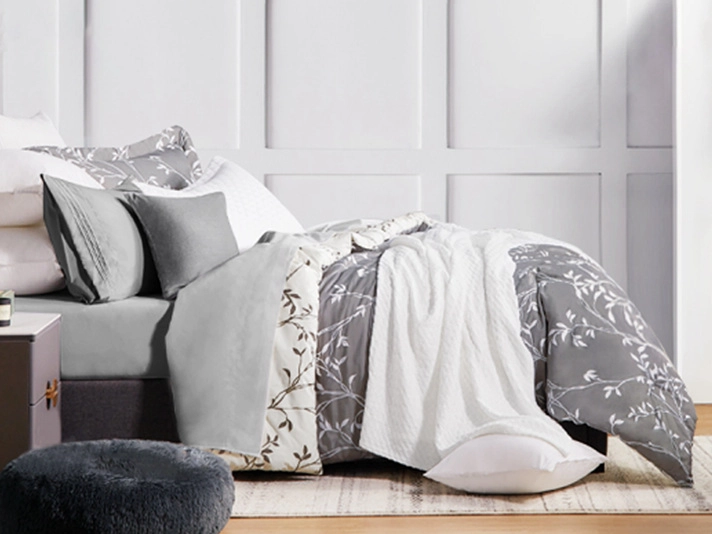
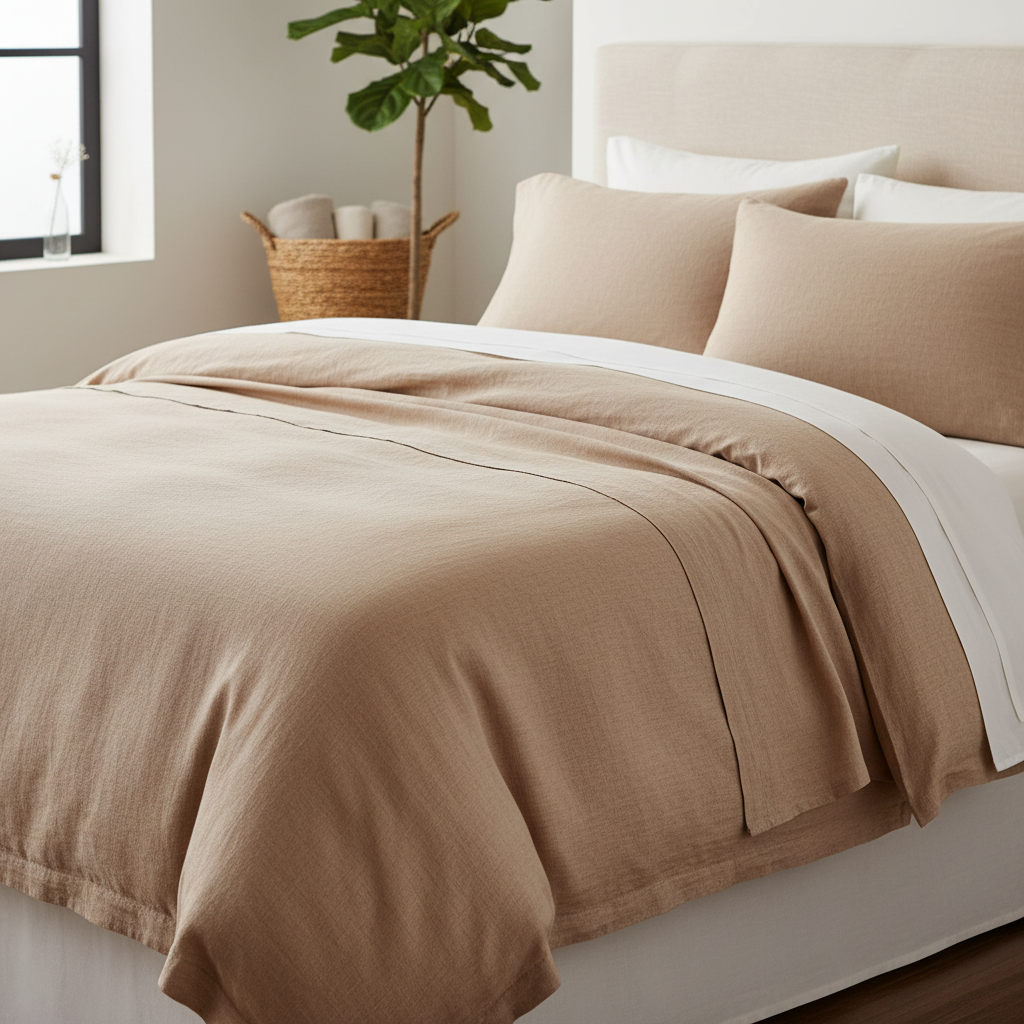
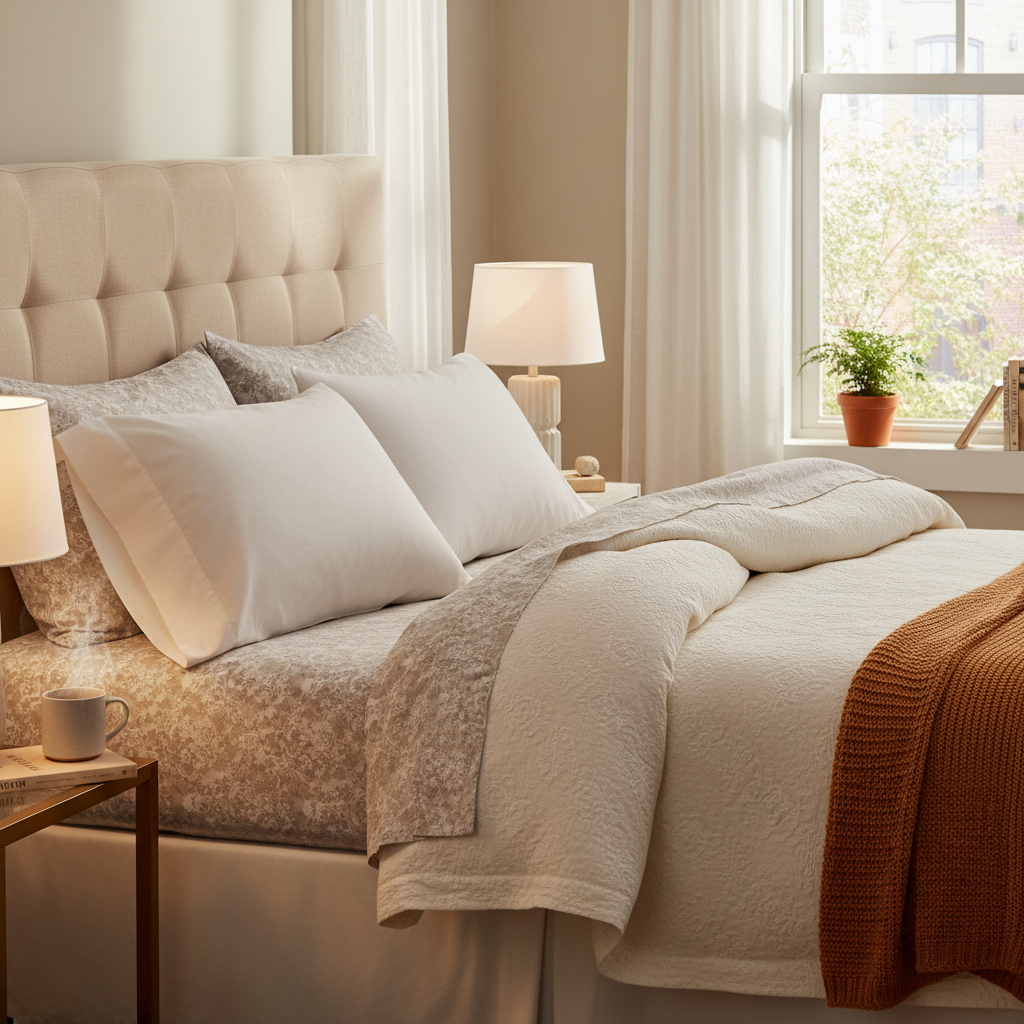
A queen bed set isn’t merely bedding; it's a cornerstone of restful sleep and a significant element in bedroom aesthetics. Globally, the demand for quality bedding, particularly queen-sized sets, continues to rise with increasing disposable incomes and a growing emphasis on well-being. These sets, typically including a duvet cover, fitted sheet, flat sheet, and pillowcases, represent a substantial market segment within the broader home textiles industry. Understanding the nuances of queen bed sets – from materials and construction to design and price point – is crucial for both consumers seeking the perfect night’s sleep and businesses operating within this competitive landscape.
The global home textile market, valued at billions of dollars, is experiencing consistent growth driven by factors such as urbanization, population increase, and evolving consumer preferences. Queen bed sets hold a significant share of this market, representing a balance between affordability and comfort for many households. Data from the World Bank indicates a strong correlation between rising middle-class populations in emerging economies and increased spending on home furnishings. However, challenges such as supply chain disruptions and sustainability concerns necessitate innovation and responsible manufacturing practices within the industry.
The increasing awareness of sleep health and its impact on overall well-being is further fueling the demand for premium queen bed set options. Consumers are no longer simply looking for functional bedding; they're seeking sets that contribute to a relaxing and restorative sleep environment. This demand for quality drives a focus on innovative materials, sustainable production methods, and aesthetically pleasing designs, ultimately shaping the future of the bedding industry.
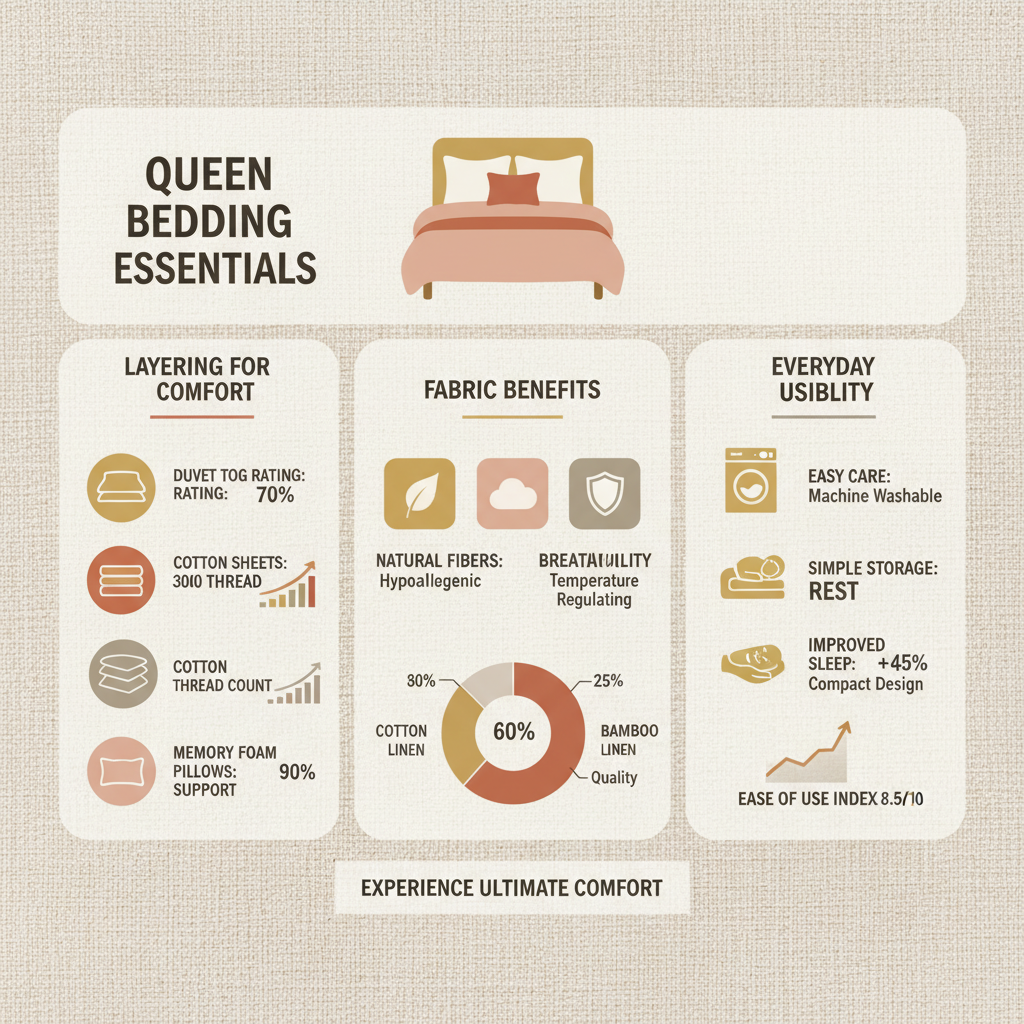
The queen bed set occupies a unique space in the home goods market, representing a blend of functionality, comfort, and style. It’s often the first investment many people make when setting up a new bedroom, and it’s a key element in creating a welcoming and relaxing personal sanctuary. The significance extends beyond mere aesthetics; a quality queen bed set directly impacts sleep quality, influencing overall health and well-being.
The importance of investing in a durable and comfortable queen bed set is underscored by the amount of time we spend in bed. On average, individuals spend roughly a third of their lives sleeping, making the bedding a critical factor in promoting restorative rest and physical recovery. Choosing the right materials and construction ensures a comfortable sleep experience and contributes to long-term health.
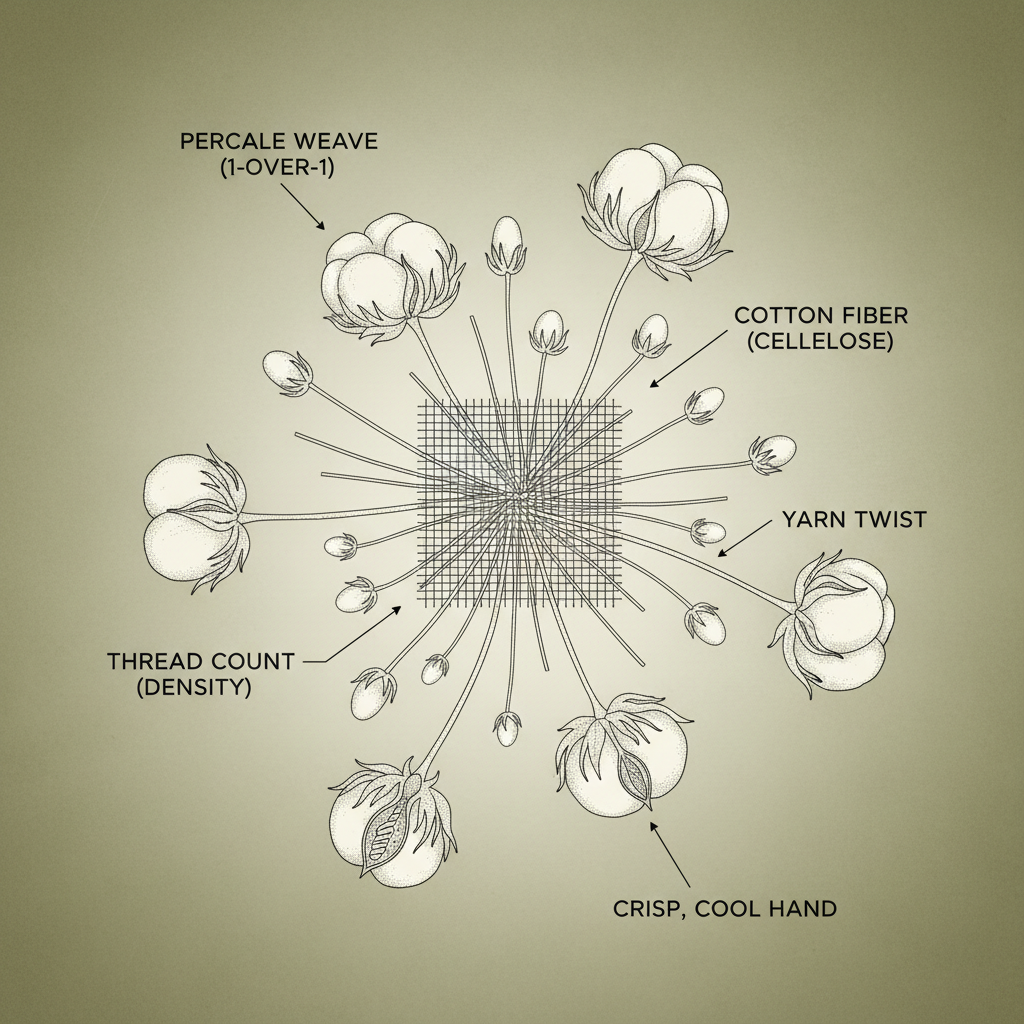
Thread count refers to the number of horizontal and vertical threads per square inch of fabric. Generally, a thread count between 200-800 is considered good quality. Higher thread counts don’t always equal better quality, and can sometimes indicate misleading marketing. Focus on the material quality and weave along with thread count. For a comfortable queen bed set, 300-600 is usually ideal, balancing softness and durability.
It's recommended to wash your queen bed set every 1-2 weeks. However, frequency depends on personal habits and environmental factors. Consider washing sheets weekly if you sweat heavily, have allergies, or allow pets in your bed. Always follow the care instructions on the label to avoid damaging the fabric.
Sateen weaves have a silky-smooth feel and a lustrous appearance due to their over-under weave pattern. Percale weaves, on the other hand, have a crisp, cool feel and are more durable due to their plain weave. Sateen is softer initially but can be more prone to snags, while percale gets softer with each wash. The choice depends on your personal preference for texture.
Linen is a durable but delicate fabric. Wash linen queen bed set in cool or lukewarm water on a gentle cycle. Avoid using bleach or harsh detergents. Tumble dry on low or hang to dry. Linen wrinkles easily, which is part of its natural charm, but you can iron it on a low setting if desired.
The choice between a duvet cover and a comforter depends on your preferences. A duvet cover protects a comforter insert, allowing you to easily change the style of your bedding without replacing the entire comforter. Comforters are typically pre-filled and can be washed as a single unit. A duvet offers greater versatility in terms of styling and cleaning.
If you suffer from allergies, look for a queen bed set made from hypoallergenic materials like bamboo, Tencel, or tightly woven cotton. Avoid down or feather-filled comforters, as they can harbor allergens. Washing your bedding frequently in hot water also helps to reduce allergens.
In conclusion, the queen bed set represents more than just bedding; it’s an investment in sleep quality, comfort, and well-being. From understanding the nuances of materials and weaves to considering consumer preferences and emerging trends, making an informed choice ensures a restful and restorative sleep experience. The long-term benefits, including durability, sustainability, and improved health, make a quality queen bed set a valuable addition to any home.
Looking ahead, the bedding industry will continue to innovate, focusing on sustainability, smart technology, and personalized designs. As consumers become increasingly aware of the impact of their choices, prioritizing ethically sourced and environmentally friendly queen bed sets will become increasingly important. Visit our website at www.longshowtextiles.com to explore our wide range of high-quality queen bed sets and find the perfect fit for your needs.

 Afrikaans
 Albanian
 Amharic
 Arabic
 Armenian
 Azerbaijani
 Basque
 Belarusian
 Bengali
 Bosnian
 Bulgarian
 Catalan
 Cebuano
 China
China
 Corsican
 Croatian
 Czech
Czech
 Danish
 Dutch
Dutch
 Esperanto
 Estonian
 Finnish
 French
 Frisian
 Galician
 Georgian
 German
 Greek
Greek
 Gujarati
 Haitian Creole
 Hausa
Hausa
 Hawaiian
 Hebrew
 Hindi
Hindi
 Miao
Miao
 Hungarian
 Icelandic
 Igbo
Igbo
 Indonesian
 Irish
Irish
 Italian
 Japanese
 Javanese
 Kannada
 Kazakh
 Khmer
Khmer
 Rwandese
 Korean
 Kurdish
 Kyrgyz
 Lao
Lao
 Latin
Latin
 Latvian
 Lithuanian
 Luxembourgish
 Macedonian
 Malgashi
 Malay
Malay
 Malayalam
 Maltese
 Maori
Maori
 Marathi
 Mongolian
 Myanmar
 Nepali
 Norwegian
 Norwegian
 Occitan
 Pashto
 Persian
 Polish
 Portuguese
 Punjabi
 Romanian
 Russian
 Samoan
 Scottish Gaelic
 Serbian
 Sesotho
 Shona
Shona
 Sindhi
 Sinhala
 Slovak
 Slovenian
 Somali
 Spanish
 Sundanese
 Swahili
 Swedish
 Tagalog
 Tajik
Tajik
 Tamil
Tamil
 Tatar
Tatar
 Telugu
 Thai
Thai
 Turkish
 Turkmen
 Ukrainian
 Urdu
Urdu
 Uighur
 Uzbek
Uzbek
 Vietnamese
 Welsh
Welsh
 Bantu
Bantu
 Yiddish
 Yoruba
 Zulu
Zulu
 English