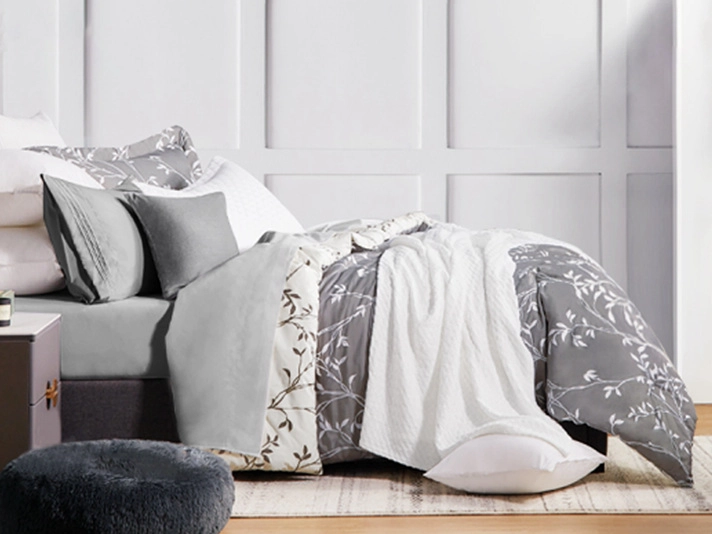
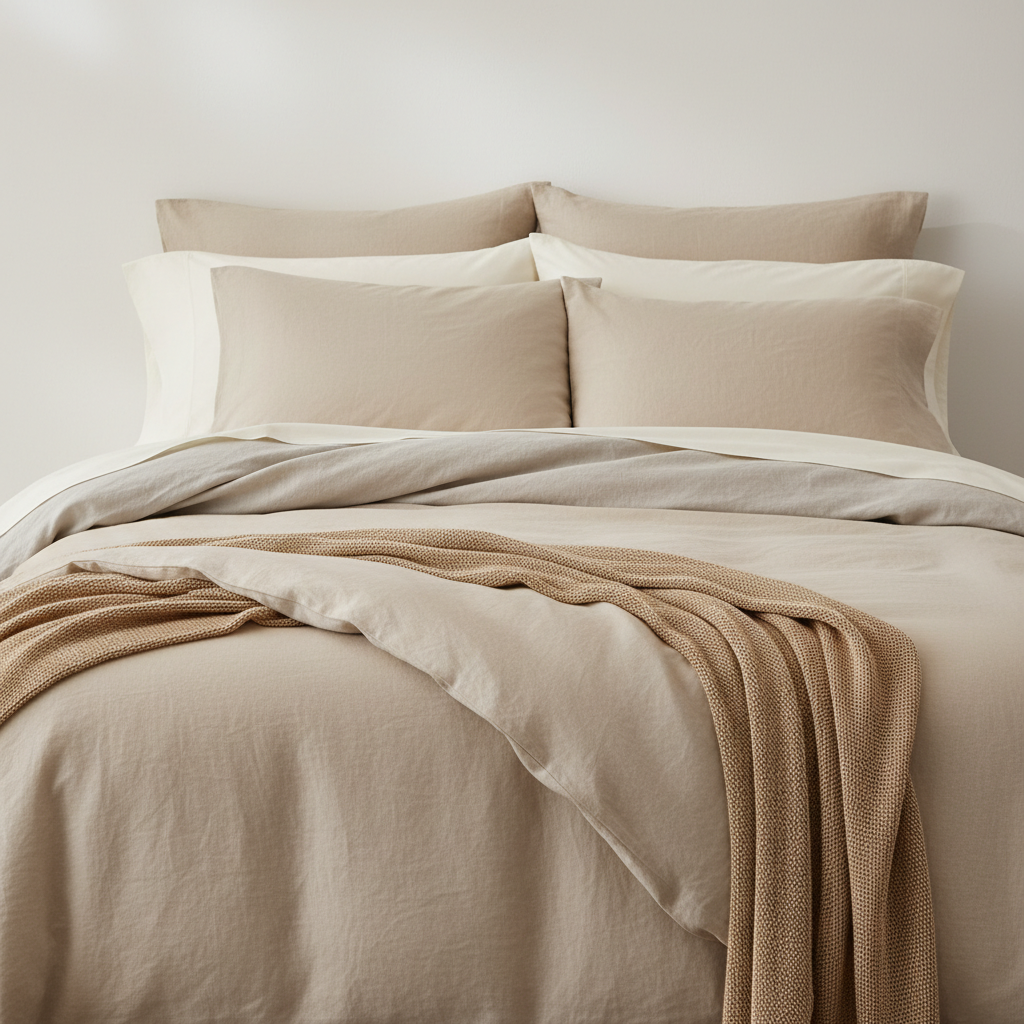
Tencel sheets are rapidly gaining popularity as a sustainable and luxurious bedding option. Derived from sustainably sourced wood pulp, primarily eucalyptus, Tencel offers a unique combination of softness, breathability, and environmental responsibility. As consumers become increasingly aware of the impact of their purchasing decisions, the demand for eco-friendly textiles like Tencel is steadily rising, transforming the bedding industry.
The global textile industry faces mounting pressure to reduce its environmental footprint. Traditional cotton production, for example, requires significant amounts of water and pesticides. Tencel production, utilizing a closed-loop process, drastically minimizes waste and water usage. This makes tencel sheets an attractive alternative for environmentally conscious consumers and a key driver in the shift towards a more sustainable textile landscape.
Beyond its ecological benefits, Tencel boasts exceptional performance characteristics. Its smooth fibers provide a silky-soft feel, while its excellent moisture-wicking properties ensure a comfortable night's sleep. The durability of Tencel also makes it a long-lasting investment, further enhancing its appeal in a market saturated with fast fashion and disposable products.
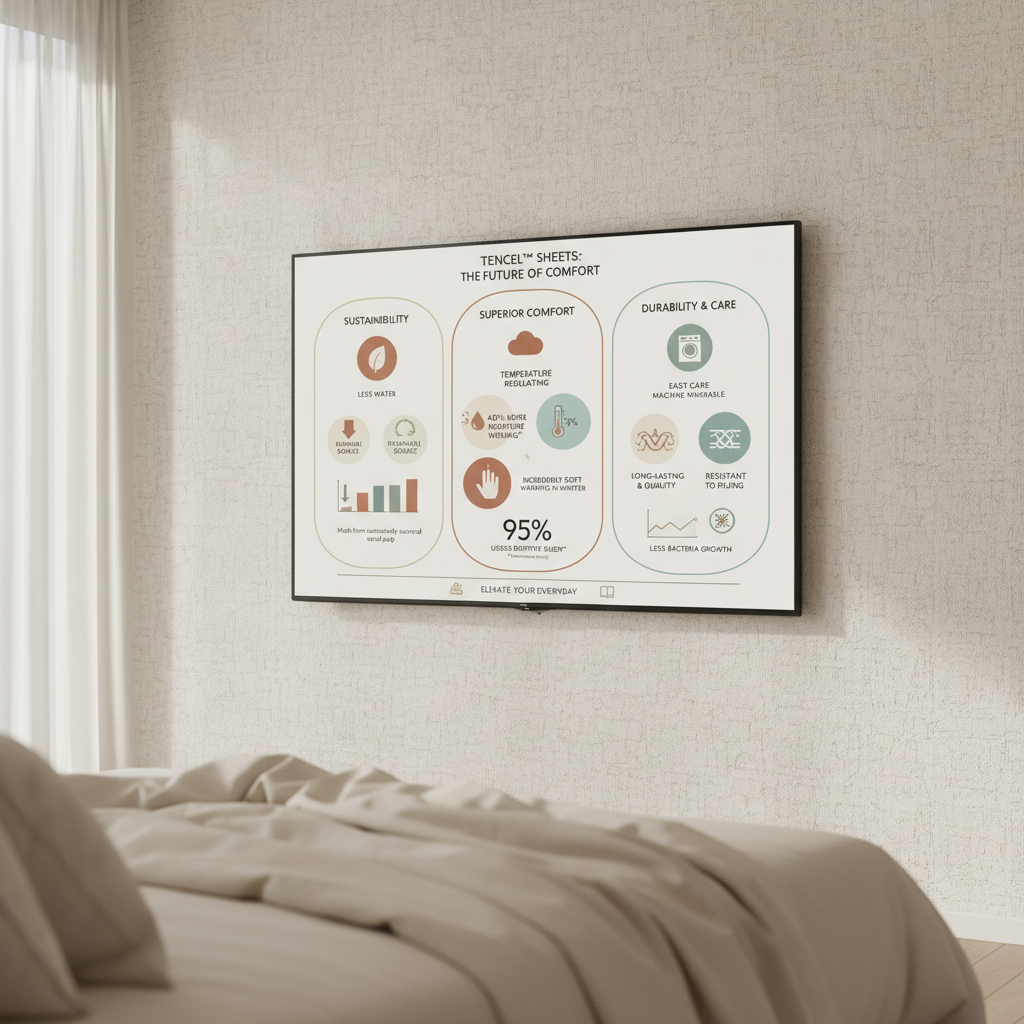
Tencel sheets represent a significant advancement in bedding technology, offering a compelling alternative to traditional materials like cotton and linen. Their production process, rooted in sustainability, and their inherent qualities – softness, breathability, and durability – position them as a premium choice for discerning consumers. This has led to a surging demand for tencel sheets globally.
The rise of Tencel isn't just a trend; it's a response to a growing awareness of the environmental and social costs associated with conventional textile production. Consumers are actively seeking products that align with their values, and Tencel sheets provide a tangible way to contribute to a more responsible and sustainable lifestyle.
Tencel sheets naturally have a smoother drape compared to cotton, which means they tend to wrinkle less. While they may not be completely wrinkle-free, they require less ironing and maintain a more presentable appearance with minimal effort. The smooth fiber structure contributes to this natural wrinkle resistance, making them a convenient choice for busy individuals.
Tencel sheets are relatively easy to care for. Machine wash them in cold water on a gentle cycle, using a mild detergent. Avoid bleach and fabric softeners, as these can damage the fibers. Tumble dry on low heat or hang to dry. Proper care will help maintain the softness and durability of your tencel sheets for years to come.
Yes, tencel sheets are an excellent choice for individuals with sensitive skin or allergies. The smooth fibers minimize friction and irritation, while the fabric's breathability and moisture-wicking properties help prevent overheating and discomfort. Tencel is also naturally hypoallergenic, making it less likely to trigger allergic reactions.
Tencel production is significantly more environmentally friendly than traditional textile production methods. The closed-loop process recovers and reuses over 99% of the solvents, minimizing waste. It requires less water and energy, and the eucalyptus trees used as raw material are fast-growing and require minimal pesticides and fertilizers.
Tencel sheets generally have a higher upfront cost than conventional cotton sheets, but often comparable to high-quality linen or Egyptian cotton. However, their durability and long lifespan often make them a more cost-effective choice in the long run. Investing in tencel sheets is an investment in both comfort and sustainability.
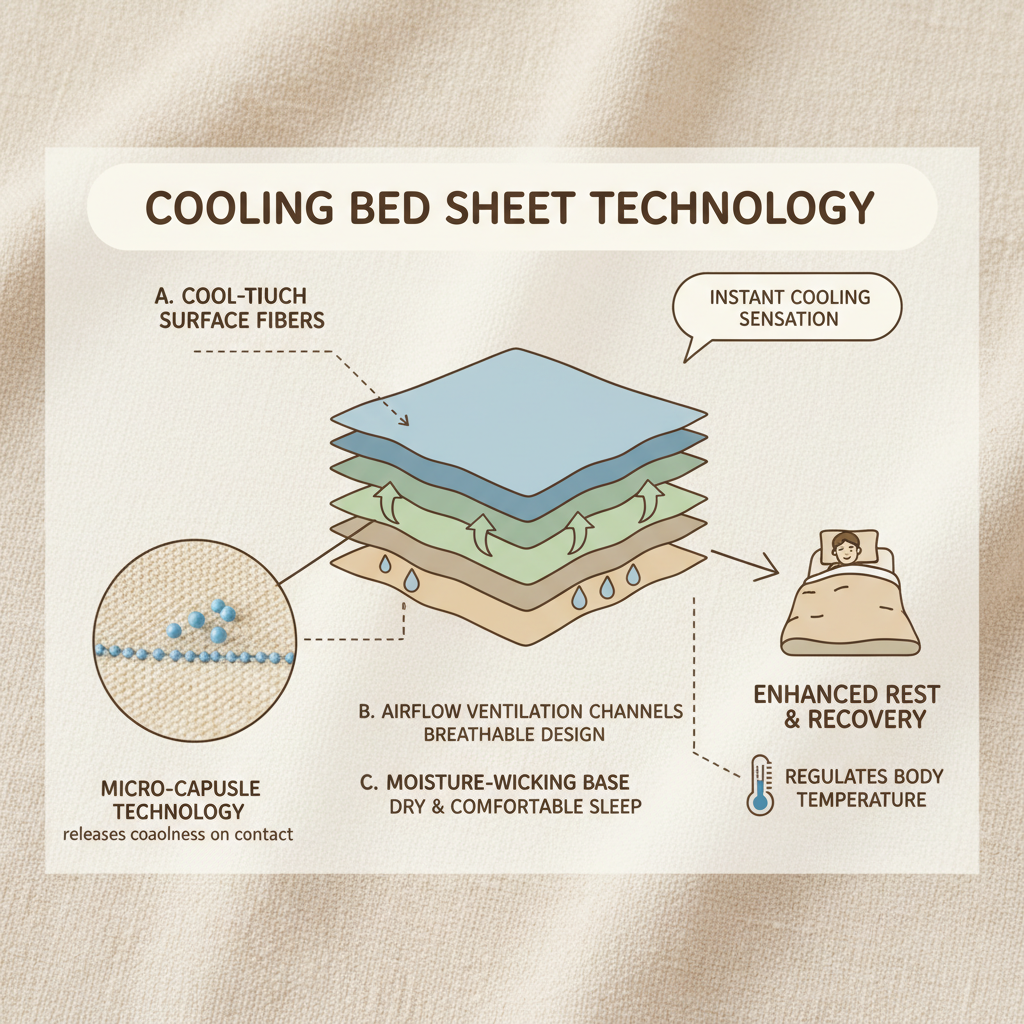
Yes, Tencel sheets are known for their exceptional breathability and moisture-wicking properties. This makes them an excellent choice for warm sleepers and those living in hot climates. The fibers draw moisture away from the body, keeping you cool and comfortable throughout the night. They are significantly cooler to sleep on than polyester or traditional cotton.
In conclusion, tencel sheets offer a compelling combination of sustainability, comfort, and durability. From their eco-friendly production process to their luxuriously soft feel and impressive performance characteristics, they represent a significant advancement in bedding technology. The rising demand for tencel sheets reflects a growing consumer awareness of the environmental and social impact of their purchasing decisions.
Looking ahead, continued innovation in Tencel production and the development of blended fabrics promise to further enhance the benefits of this remarkable material. Choosing tencel sheets is not simply a matter of upgrading your bedding; it’s a step towards a more sustainable and responsible lifestyle. We encourage you to explore the possibilities and experience the difference for yourself.

 Afrikaans
 Albanian
 Amharic
 Arabic
 Armenian
 Azerbaijani
 Basque
 Belarusian
 Bengali
 Bosnian
 Bulgarian
 Catalan
 Cebuano
 China
China
 Corsican
 Croatian
 Czech
Czech
 Danish
 Dutch
Dutch
 Esperanto
 Estonian
 Finnish
 French
 Frisian
 Galician
 Georgian
 German
 Greek
Greek
 Gujarati
 Haitian Creole
 Hausa
Hausa
 Hawaiian
 Hebrew
 Hindi
Hindi
 Miao
Miao
 Hungarian
 Icelandic
 Igbo
Igbo
 Indonesian
 Irish
Irish
 Italian
 Japanese
 Javanese
 Kannada
 Kazakh
 Khmer
Khmer
 Rwandese
 Korean
 Kurdish
 Kyrgyz
 Lao
Lao
 Latin
Latin
 Latvian
 Lithuanian
 Luxembourgish
 Macedonian
 Malgashi
 Malay
Malay
 Malayalam
 Maltese
 Maori
Maori
 Marathi
 Mongolian
 Myanmar
 Nepali
 Norwegian
 Norwegian
 Occitan
 Pashto
 Persian
 Polish
 Portuguese
 Punjabi
 Romanian
 Russian
 Samoan
 Scottish Gaelic
 Serbian
 Sesotho
 Shona
Shona
 Sindhi
 Sinhala
 Slovak
 Slovenian
 Somali
 Spanish
 Sundanese
 Swahili
 Swedish
 Tagalog
 Tajik
Tajik
 Tamil
Tamil
 Tatar
Tatar
 Telugu
 Thai
Thai
 Turkish
 Turkmen
 Ukrainian
 Urdu
Urdu
 Uighur
 Uzbek
Uzbek
 Vietnamese
 Welsh
Welsh
 Bantu
Bantu
 Yiddish
 Yoruba
 Zulu
Zulu
 English