




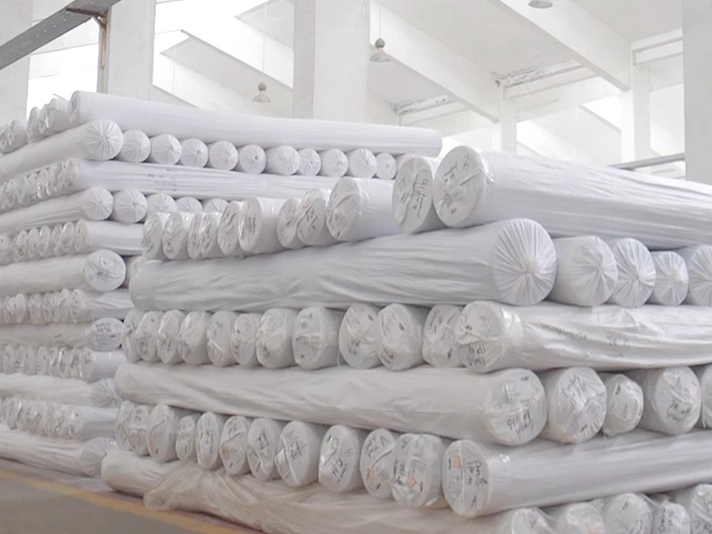

Sourcing high-quality linens from professional double bed manufacturers requires a deep understanding of textile engineering and supply chain logistics. For B2B buyers in the hospitality, healthcare, and retail sectors, the focus extends beyond mere aesthetics to include durability, thread count, and the ability to maintain consistency across massive order volumes. This guide analyzes the critical factors that define a reliable manufacturing partner in the modern textile landscape.
The global demand for specialized bedding has shifted toward vertically integrated production models. By controlling everything from raw material sourcing to final stitching, companies can mitigate the risks of supply chain disruptions and quality fluctuations. Whether you are equipping a luxury hotel chain or managing a home textile brand, understanding the technical specifications of fabrics like cotton, bamboo, and microfiber is essential for optimizing the total cost of ownership.
In the following sections, we explore the benchmarks for evaluating production facilities, the impact of automation on delivery timelines, and how to navigate the complexities of OEM/ODM customization. Readers will gain a framework for assessing supplier capabilities, ensuring that the final product meets both international safety standards and specific commercial requirements for high-turnover environments.
B2B Procurement Standards for Bedding Supply
Procuring bed linens at scale is not a simple purchase but a strategic partnership. Professional buyers must evaluate suppliers based on their "vertical integration" capability. A vertically integrated manufacturer reduces reliance on third-party fabric mills, which directly translates to better quality control and faster response times to market changes. For instance, having in-house automation allows for tighter tolerances in dimensions and stitching, which is critical for products that must fit standard double bed manufacturers specifications globally.
Furthermore, the transition toward sustainable materials—such as Oeko-Tex certified cotton and bamboo blends—has become a non-negotiable requirement for many Western markets. Buyers must verify that certifications are not just claimed but are active and audited by recognized bodies like SGS. This ensures that the products are free from harmful substances and meet the rigorous safety standards required for hospital and hotel use. A robust procurement strategy also involves analyzing the supplier's history at international trade shows, which serves as a proxy for their global operational experience and commitment to industry innovation.
Evaluating Industrial-Scale Bedding Production
When auditing a bedding producer, the focus should shift from the sales pitch to the actual factory floor and management systems. A high-performance facility is characterized by a balance of advanced automation and skilled craftsmanship, ensuring that bulk orders do not suffer from "batch variance." The following analysis breaks down the seven key dimensions of professional textile production.
Material Integrity and Fabric Selection
The choice of material dictates the product's lifecycle and user experience. High-grade 100% cotton is preferred for luxury segments due to breathability, while microfiber and polyester blends are often selected for their durability and quick-drying properties in commercial laundries. Professional producers offer a spectrum of options including linen, bamboo, and specialized blends to match specific climate or luxury requirements.
| Material Type | Key Property | Primary Application | Maintenance Level |
|---|---|---|---|
| Long-staple Cotton | High Breathability | Luxury Hotels | Medium |
| Bamboo Fiber | Hypoallergenic | Eco-friendly Brands | Medium |
| Microfiber | High Durability | Budget Hospitality | Low |
| Linen | Texture & Coolness | High-end Home Decor | High |
| Cotton-Poly Blend | Wrinkle Resistance | Healthcare/Clinics | Low |
| Silk Blends | Lustrous Finish | Ultra-luxury Suites | Very High |
Production Capacity and Automation
Capacity is measured not just by total output but by "reliable output." A facility utilizing highly automated factories can process hundreds of thousands of sheet sets per month with minimal error rates. Automation in cutting and sewing reduces waste and ensures that every piece in a 40ft container maintains identical dimensions, preventing the common industry problem of inconsistent sizing in bulk shipments.
Quality Certification and Compliance
Compliance acts as the primary risk mitigation tool in B2B sourcing. Certifications such as Oeko-Tex Standard 100 guarantee that the textile has been tested for harmful substances. For global exporters, these certifications are essential for clearing customs in the EU and North America and for securing contracts with corporate procurement departments that mandate strict environmental and health safety audits.
Customization and OEM Capabilities
True OEM capability means the manufacturer can handle everything from custom yarn-dyeing to specific GSM (grams per square meter) adjustments. For example, a 650gsm weight is ideal for high-absorbency towels, while a lower GSM might be chosen for lightweight summer bedding. The ability to customize colors and patterns without compromising fabric strength is a mark of a sophisticated production line.
Supply Chain Reliability and Lead Times
In the B2B world, an "on-time delivery" rate of 98% or higher is the industry gold standard. Reliability is achieved through professional management systems that track raw material arrivals and production milestones. This transparency prevents surprises in the supply chain, allowing buyers to maintain lean inventories without risking stockouts during peak seasonal demands.
Hospitality vs. Residential Specifications
Commercial grade bedding differs from residential products in its resistance to industrial laundering. Hotel linens are designed to withstand high-temperature washes and chemical treatments without losing their structural integrity or whitening. This requires specific weave densities and reinforced stitching that residential-grade products typically lack, emphasizing the need for a specialized commercial partner.
Sustainability in Textile Manufacturing
Modern manufacturing is shifting toward reducing water consumption and chemical runoff. Integrated factories that implement water recycling and use organic fibers help their clients meet corporate social responsibility (CSR) goals. Evaluating a supplier's commitment to environmental standards is now a core part of the long-term value analysis for global brands.
FAQ
What are the key differences between OEM and ODM in bedding manufacturing?
OEM (Original Equipment Manufacturing) involves producing goods based on the buyer's exact specifications and designs. In contrast, ODM (Original Design Manufacturing) is where the manufacturer designs the product and the buyer re-brands it. For B2B buyers, OEM is preferred for unique brand positioning, while ODM is faster for entering a market with proven product designs.
How does GSM affect the quality of towels and linens?
GSM stands for grams per square meter and measures the fabric's density. A higher GSM, such as 650gsm for bath towels, generally indicates a thicker, more absorbent, and more luxurious feel. For bedding, the focus is more on thread count and weave, but GSM remains a critical metric for absorbent textiles like towels and mattress protectors.
What certifications should I look for in a textile supplier?
The most critical certifications include Oeko-Tex Standard 100, which ensures the textile is free from harmful chemicals, and SGS certification for general quality and safety. Additionally, ISO certifications for management systems and GOTS (Global Organic Textile Standard) for organic products are highly valued in the international B2B market.
How can I ensure consistent quality across large bulk orders?
Consistency is ensured by partnering with manufacturers who use highly automated production lines and strict quality control systems. Requesting a pre-production sample and a final random inspection (AQL - Acceptable Quality Level) before shipment are standard industry practices to ensure that the bulk delivery matches the approved sample.
What is the typical lead time for custom bedding orders?
Lead times vary based on order volume and material availability. Standard orders from vertically integrated factories typically take several weeks, but custom OEM projects involving specific yarn-dyeing or unique blends may take longer. A professional supplier will provide a clear production timeline and a guaranteed delivery date to avoid supply chain gaps.
Why is vertical integration important for a bedding supplier?
Vertical integration means the company owns multiple stages of production, such as weaving, dyeing, and sewing. This reduces the number of intermediaries, lowers costs, speeds up lead times, and allows for absolute control over quality at every stage, which is vital for maintaining the standards required by luxury hotels and hospitals.
References and further reading
- Oeko-Tex Standard 100: International Certification for Textile Safety.
- Global Hospitality Linen Standards: Material Durability and Laundering Requirements.
- SGS Group: Textile Testing and Inspection Protocols.
Related Articles



 English
 Afrikaans
 Albanian
 Amharic
 Arabic
 Armenian
 Azerbaijani
 Basque
 Belarusian
 Bengali
 Bosnian
 Bulgarian
 Catalan
 Cebuano
 China
 Corsican
 Croatian
 Czech
 Danish
 Dutch
 Esperanto
 Estonian
 Finnish
 French
 Frisian
 Galician
 Georgian
 German
 Greek
 Gujarati
 Haitian Creole
 Hausa
 Hawaiian
 Hebrew
 Hindi
 Miao
 Hungarian
 Icelandic
 Igbo
 Indonesian
 Irish
 Italian
 Japanese
 Javanese
 Kannada
 Kazakh
 Khmer
 Rwandese
 Korean
 Kurdish
 Kyrgyz
 Lao
 Latin
 Latvian
 Lithuanian
 Luxembourgish
 Macedonian
 Malgashi
 Malay
 Malayalam
 Maltese
 Maori
 Marathi
 Mongolian
 Myanmar
 Nepali
 Norwegian
 Norwegian
 Occitan
 Pashto
 Persian
 Polish
 Portuguese
 Punjabi
 Romanian
 Russian
 Samoan
 Scottish Gaelic
 Serbian
 Sesotho
 Shona
 Sindhi
 Sinhala
 Slovak
 Slovenian
 Somali
 Spanish
 Sundanese
 Swahili
 Swedish
 Tagalog
 Tajik
 Tamil
 Tatar
 Telugu
 Thai
 Turkish
 Turkmen
 Ukrainian
 Urdu
 Uighur
 Uzbek
 Vietnamese
 Welsh
 Bantu
 Yiddish
 Yoruba
 Zulu