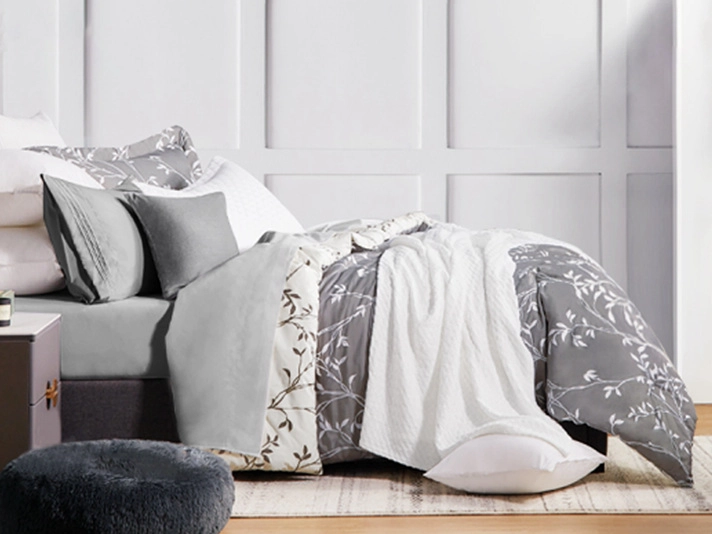
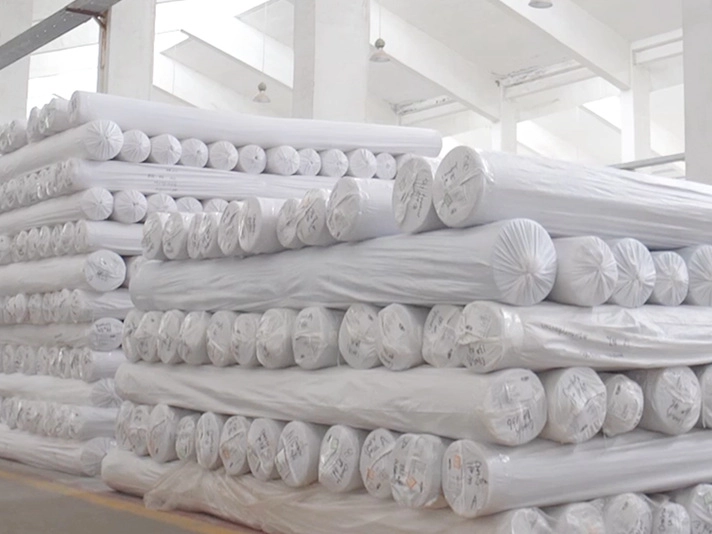
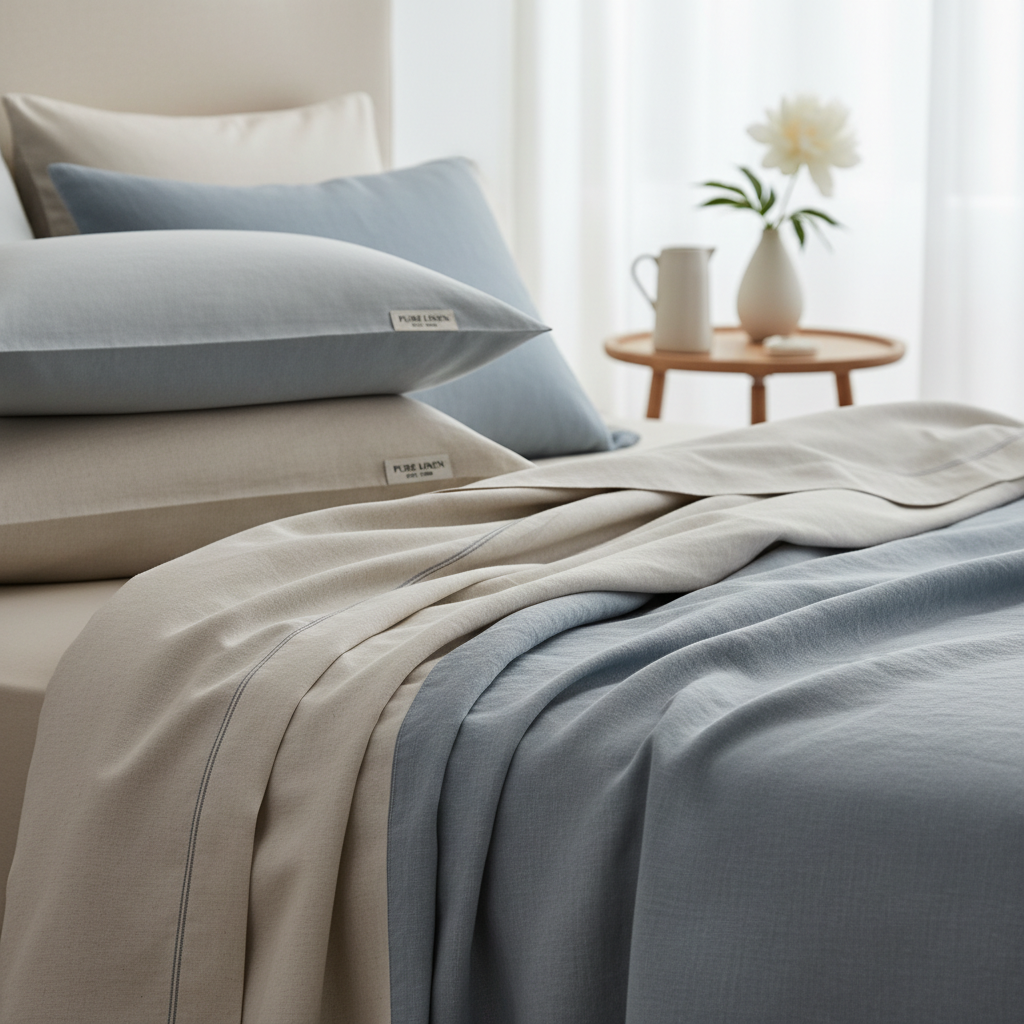
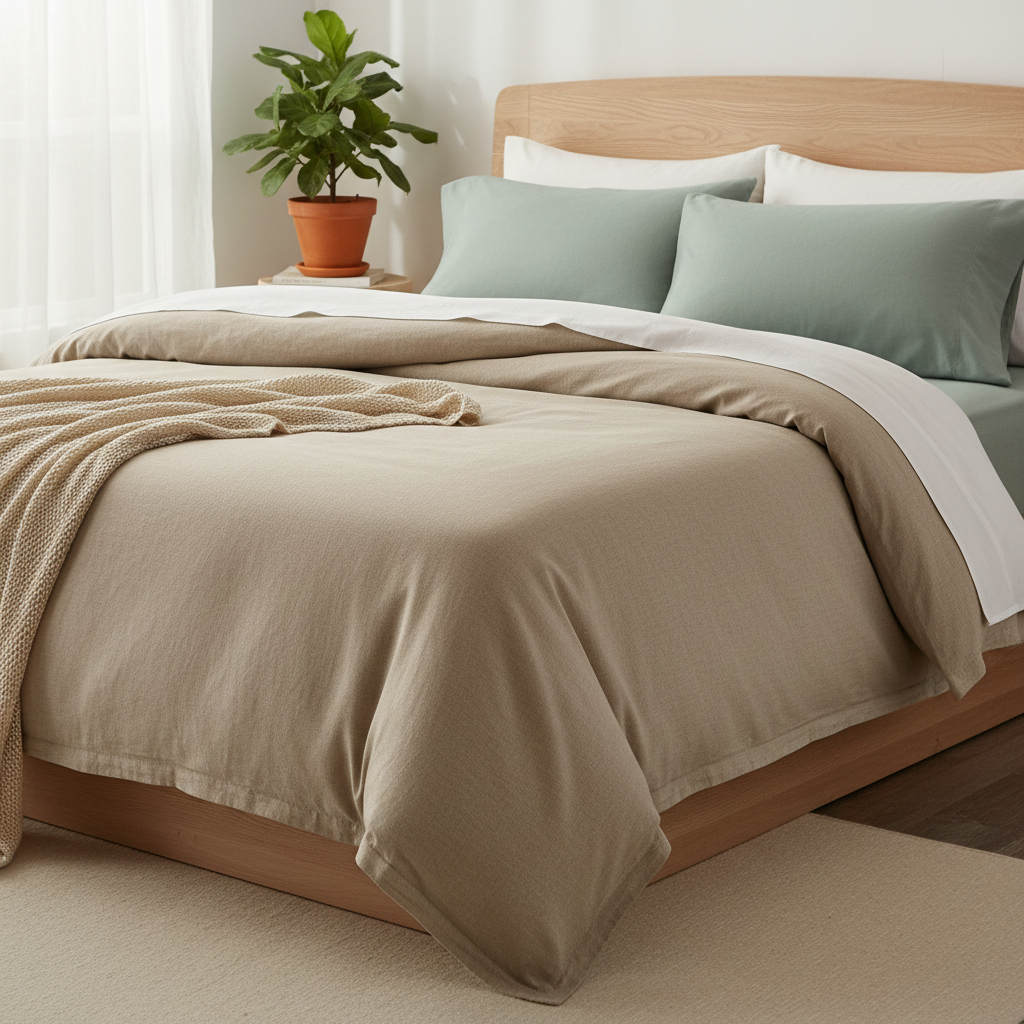
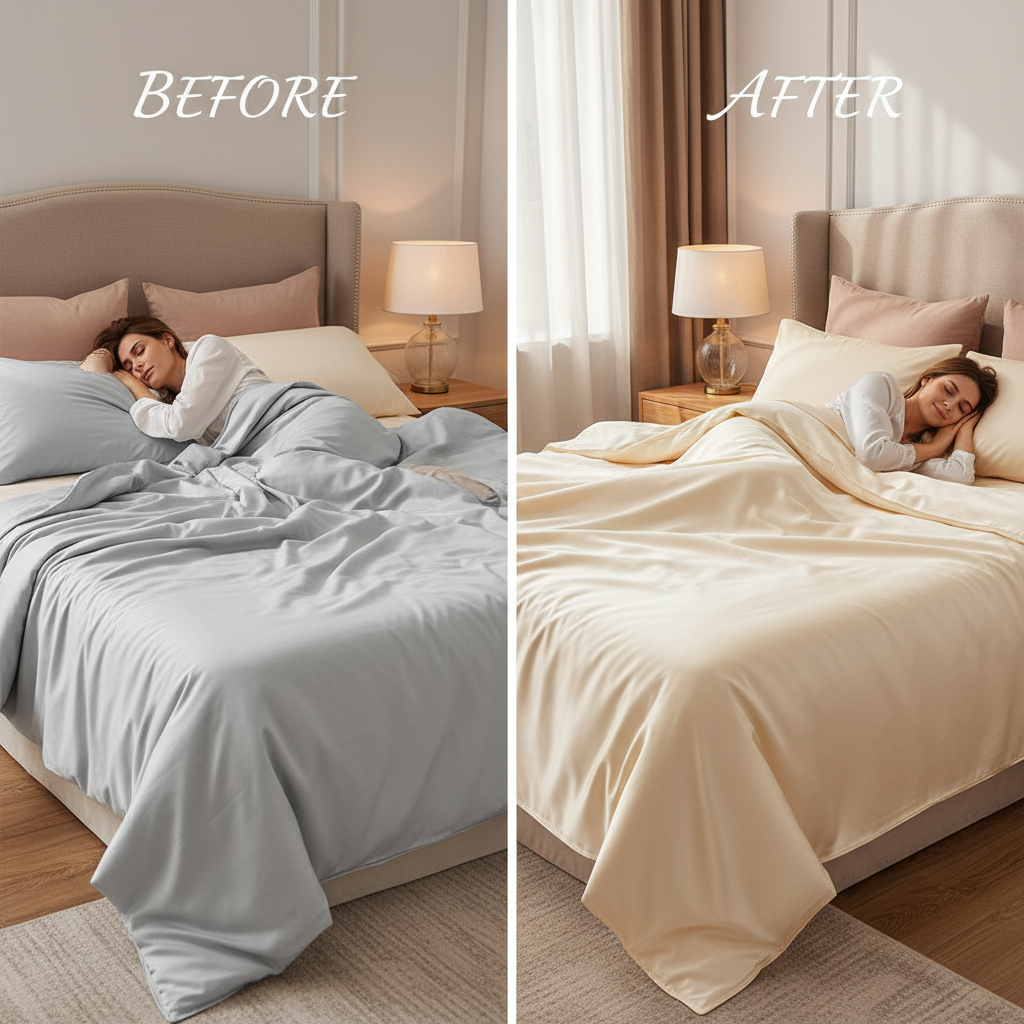
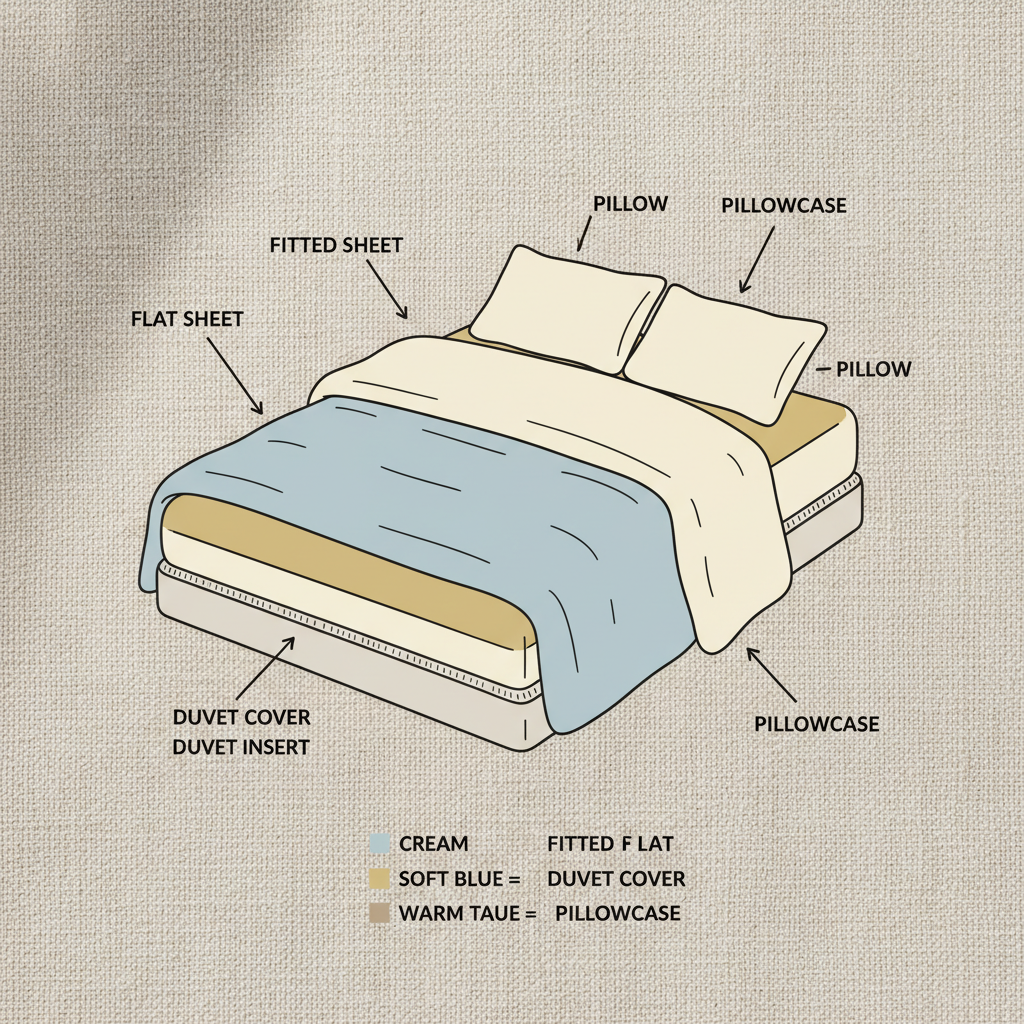
Satin sheets, renowned for their luxurious feel and lustrous sheen, have become a globally sought-after bedding choice. Beyond their aesthetic appeal, they offer a unique combination of comfort and temperature regulation, making them increasingly popular across diverse climates and cultures. The demand for satin sheets reflects a growing consumer focus on quality sleep and a desire for indulgent self-care.
The global textile industry, valued at over $1 trillion, sees satin as a significant segment, fueled by rising disposable incomes and a broader awareness of sleep health. According to the World Sleep Society, approximately 30-40% of adults worldwide experience some form of sleep disturbance, leading to increased interest in bedding materials that promote restful sleep. Satin sheets are positioned to capitalize on this trend, offering a perceived solution to improving sleep quality.
However, the production and accessibility of high-quality satin sheets also present challenges. Sustainability concerns surrounding raw material sourcing and manufacturing processes are becoming paramount, driving demand for eco-friendly alternatives and transparent supply chains. The increasing market is, therefore, pushing innovation in sustainable satin production, balancing luxury with environmental responsibility.
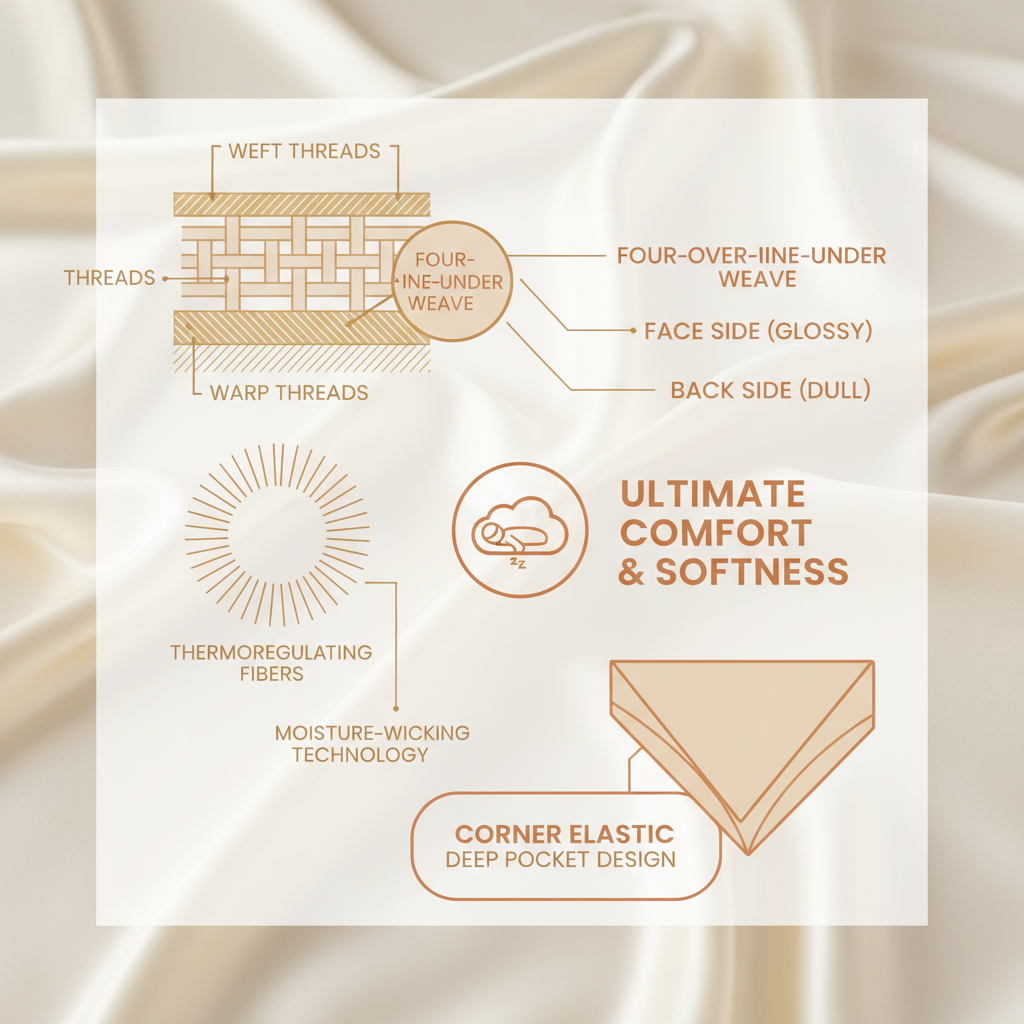
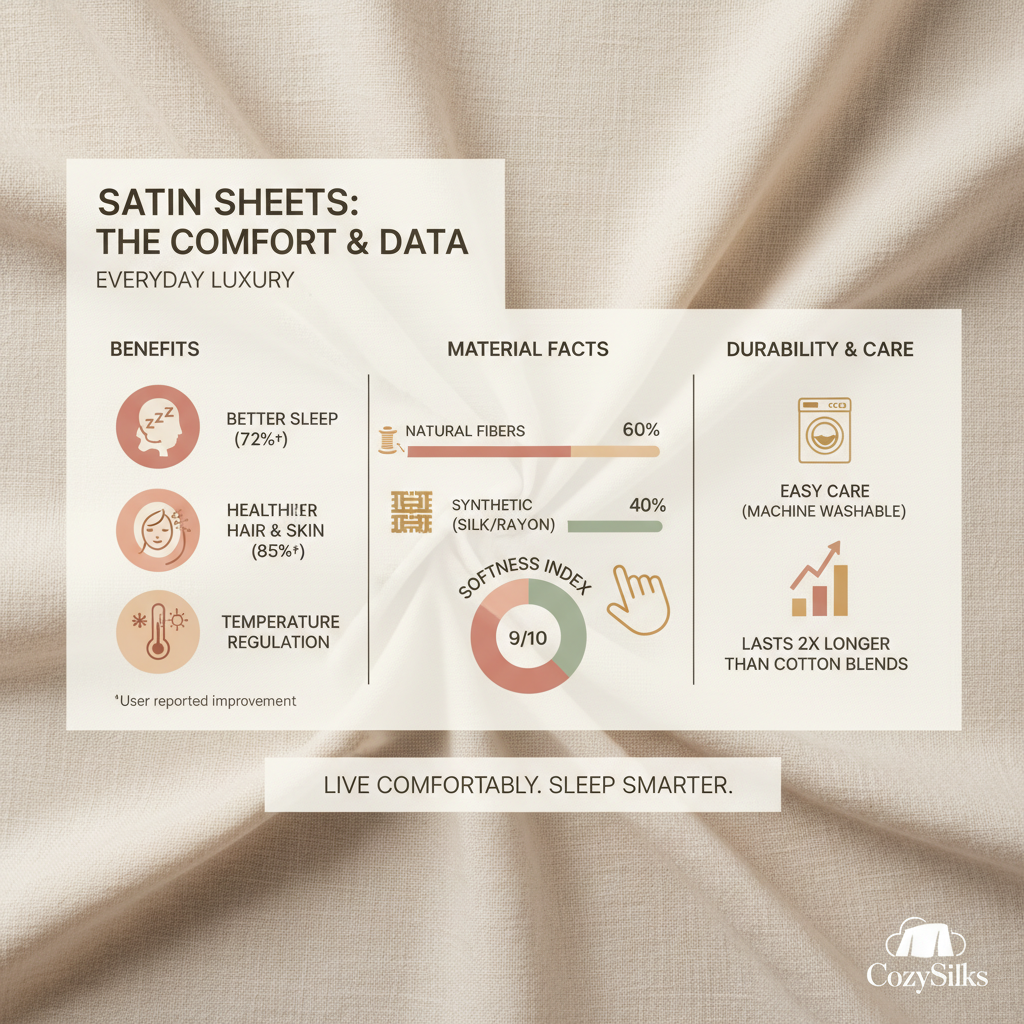
Satin sheets are woven using a specific type of weave—the satin weave—that creates a characteristically smooth, lustrous surface. Unlike other weaves, satin uses a floating warp yarn, resulting in minimal interlacing. This construction lends itself to the fabric's signature drape and silky texture. This is what differentiates them from other sheet materials like percale or flannel.
The global relevance of satin sheets lies in their widespread appeal across diverse cultural contexts. They are frequently associated with luxury and comfort, making them a popular choice for high-end hotels and discerning consumers globally. Regions such as Europe and North America represent significant markets, while emerging economies in Asia-Pacific are witnessing rapid growth in demand due to rising living standards and a greater emphasis on lifestyle products.
While often used interchangeably, satin is a weave, and silk is a fiber. Satin can be made from silk, polyester, rayon, or other fibers. Silk satin is exceptionally luxurious and breathable, while polyester satin is more affordable and durable. The primary difference lies in the origin of the material and its inherent properties; silk is a natural protein fiber, while polyester is synthetic.
Generally, yes. Satin’s smooth texture and potential for breathability (especially silk satin) can help regulate body temperature during sleep. However, polyester satin is less breathable than silk. Look for satin sheets with a lower thread count and consider the fiber composition when selecting sheets for hot weather or if you tend to overheat at night.
Care requirements vary depending on the fiber content. Silk satin typically requires hand washing or a delicate cycle with mild detergent. Polyester and rayon satin can usually be machine washed, but avoid harsh chemicals and high heat. Tumble drying on low or hang drying is recommended to prevent damage and maintain the fabric’s luster.
Yes, particularly lower-quality polyester satin sheets can be prone to pilling over time. Pilling occurs when fibers break and tangle on the surface of the fabric. Investing in higher-quality satin sheets with a tighter weave and longer fiber length can help minimize pilling. Regular gentle washing can also help.
Satin sheets are known for their smooth, slippery texture, which is a key characteristic of the satin weave. Some people enjoy this sensation, while others may find it takes some getting used to. The slipperiness is due to the reduced friction between the fabric and the skin or hair. This is also why they're favored for hair and skin health.
While thread count isn't the sole indicator of quality, a thread count between 300-600 is generally considered good for satin sheets. Higher thread counts don't always equate to better quality, especially with synthetic fibers. Focus on the fiber content and weave quality alongside the thread count to ensure a luxurious and durable product.
In conclusion, satin sheets represent a compelling blend of luxury, comfort, and practicality. From their unique weave and versatile fiber options to their wide-ranging applications and growing sustainability initiatives, satin sheets continue to evolve and adapt to changing consumer demands. Understanding the nuances of satin—from fiber composition to care instructions—empowers consumers to make informed choices and enjoy the benefits of this beloved bedding material.
Looking ahead, we anticipate further innovations in sustainable satin production, the integration of smart textile technologies, and a continued emphasis on personalized sleep experiences. By prioritizing quality, durability, and environmental responsibility, the future of satin sheets promises to be even more radiant and rewarding. For a wide selection of high-quality satin sheets, visit our website today.

 Afrikaans
 Albanian
 Amharic
 Arabic
 Armenian
 Azerbaijani
 Basque
 Belarusian
 Bengali
 Bosnian
 Bulgarian
 Catalan
 Cebuano
 China
China
 Corsican
 Croatian
 Czech
Czech
 Danish
 Dutch
Dutch
 Esperanto
 Estonian
 Finnish
 French
 Frisian
 Galician
 Georgian
 German
 Greek
Greek
 Gujarati
 Haitian Creole
 Hausa
Hausa
 Hawaiian
 Hebrew
 Hindi
Hindi
 Miao
Miao
 Hungarian
 Icelandic
 Igbo
Igbo
 Indonesian
 Irish
Irish
 Italian
 Japanese
 Javanese
 Kannada
 Kazakh
 Khmer
Khmer
 Rwandese
 Korean
 Kurdish
 Kyrgyz
 Lao
Lao
 Latin
Latin
 Latvian
 Lithuanian
 Luxembourgish
 Macedonian
 Malgashi
 Malay
Malay
 Malayalam
 Maltese
 Maori
Maori
 Marathi
 Mongolian
 Myanmar
 Nepali
 Norwegian
 Norwegian
 Occitan
 Pashto
 Persian
 Polish
 Portuguese
 Punjabi
 Romanian
 Russian
 Samoan
 Scottish Gaelic
 Serbian
 Sesotho
 Shona
Shona
 Sindhi
 Sinhala
 Slovak
 Slovenian
 Somali
 Spanish
 Sundanese
 Swahili
 Swedish
 Tagalog
 Tajik
Tajik
 Tamil
Tamil
 Tatar
Tatar
 Telugu
 Thai
Thai
 Turkish
 Turkmen
 Ukrainian
 Urdu
Urdu
 Uighur
 Uzbek
Uzbek
 Vietnamese
 Welsh
Welsh
 Bantu
Bantu
 Yiddish
 Yoruba
 Zulu
Zulu
 English