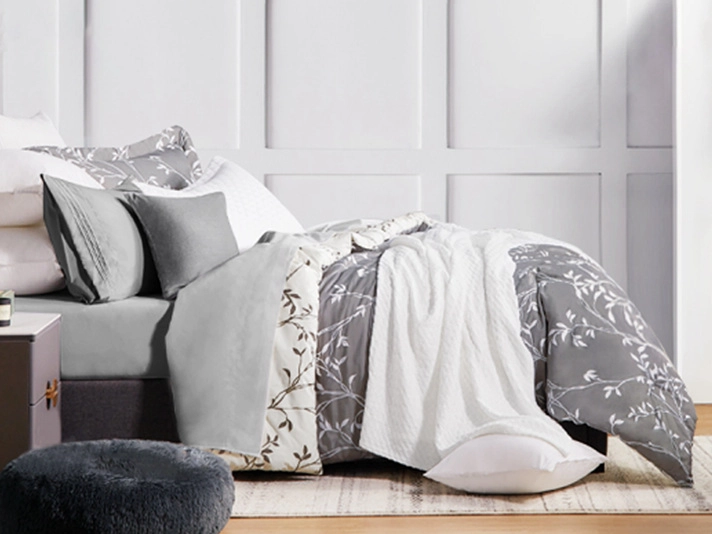
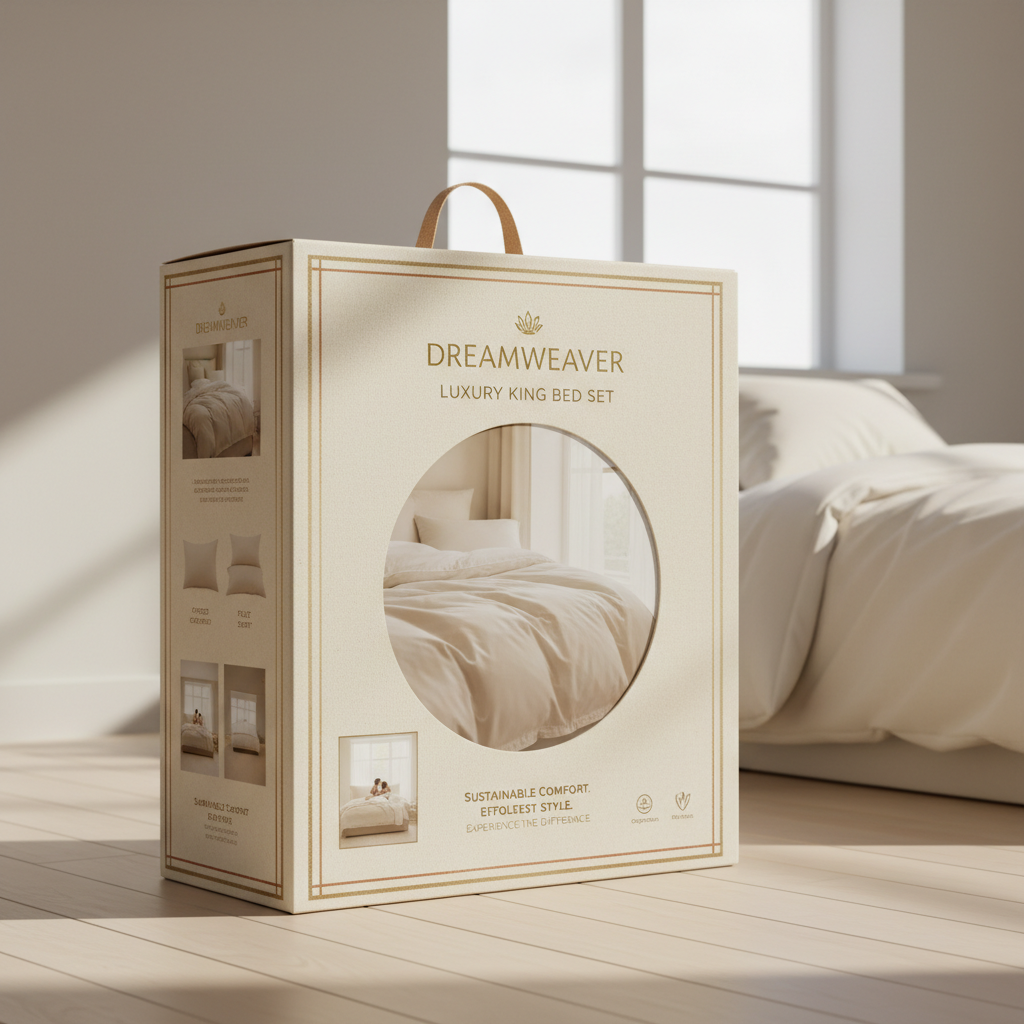
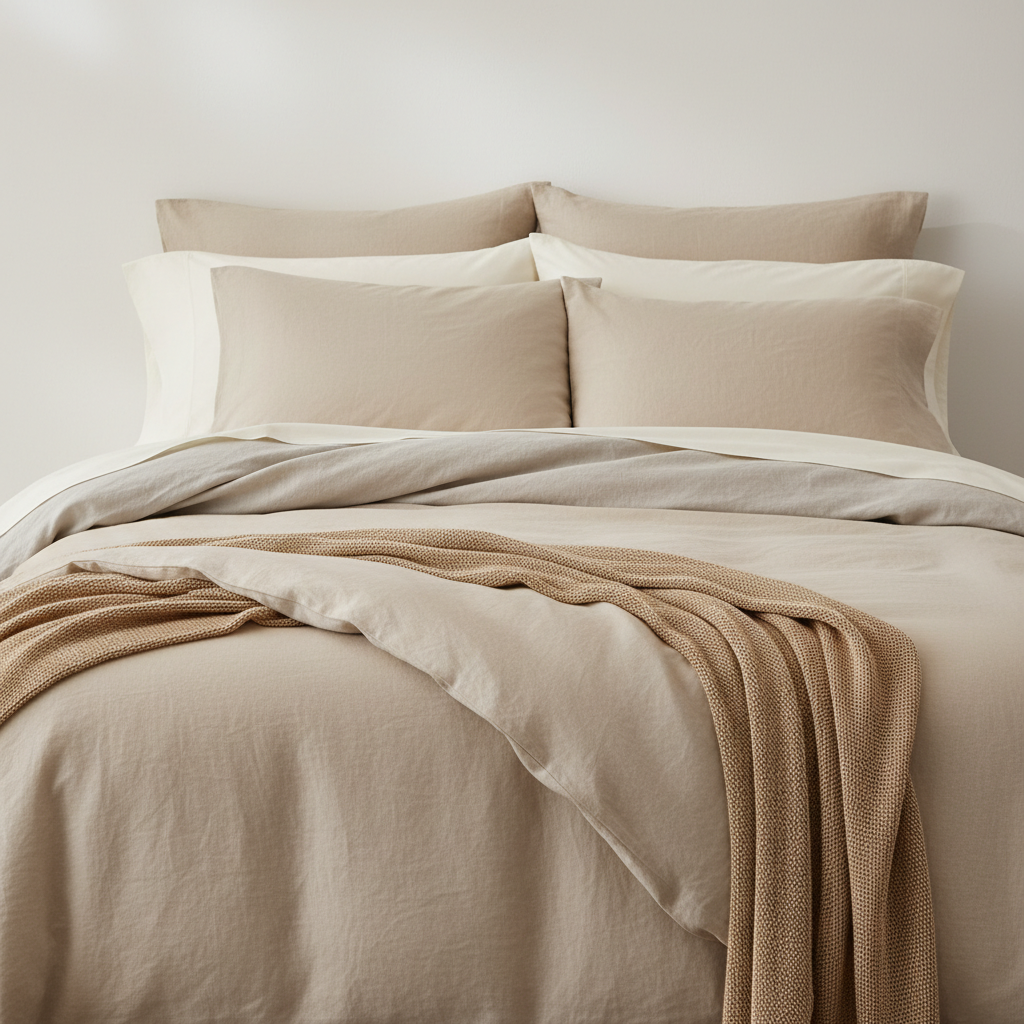
The world of textiles is constantly evolving, with innovations focusing on comfort, practicality, and sustainability. Among these advancements, the coverless duvet stands out as a versatile and increasingly popular option. Unlike traditional duvets requiring separate covers, a coverless duvet offers a streamlined bedding solution, promising ease of use and a unique aesthetic. Understanding the benefits and applications of this design is crucial for both consumers and industry professionals alike, particularly as demand for simplified and efficient home textile solutions grows.
Globally, the bedding industry is a multi-billion dollar market driven by consumer preferences for comfort, style, and convenience. The rise of minimalist lifestyles and the demand for low-maintenance products are driving innovation in bedding designs. According to Statista, the global home textile market was valued at approximately $94.4 billion in 2022 and is projected to reach $125.4 billion by 2027. This growth is fueled by factors such as increasing disposable incomes, urbanization, and a growing focus on home improvement. The coverless duvet taps into this demand for simplicity and efficiency.
A key challenge within the bedding industry is the logistical complexity of coordinating duvet inserts with covers. Traditional duvets often require frequent re-stuffing and cleaning, a process many find cumbersome. The coverless duvet addresses this by integrating the aesthetic outer layer directly into the construction of the duvet itself, creating a unified and user-friendly bedding solution. This innovation simplifies bedding routines and offers a more modern approach to bedroom decor.
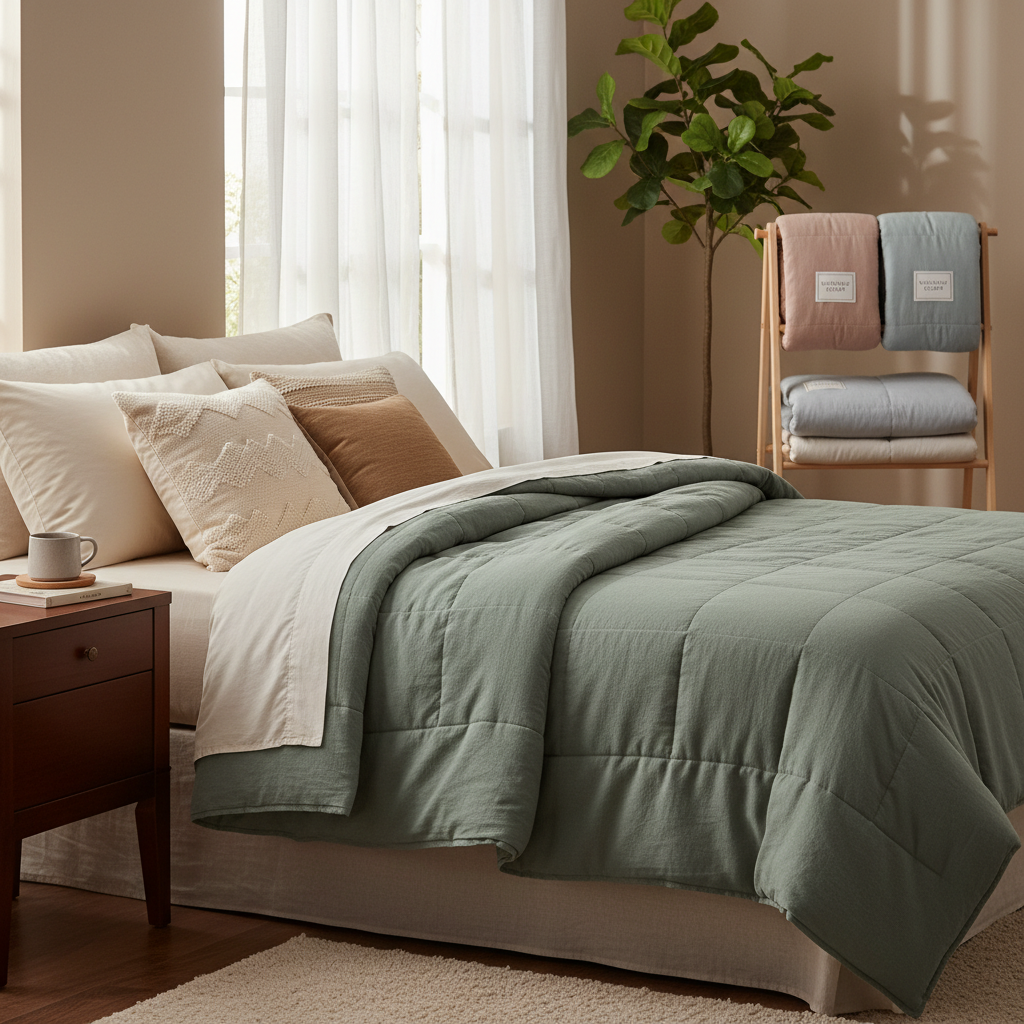
The growing popularity of the coverless duvet is a testament to evolving consumer preferences. The demand stems from a desire for simplified bedding solutions, particularly among younger generations who prioritize convenience and minimalist aesthetics. Across Europe and North America, we're seeing an increased interest in 'bed-in-a-bag' style bedding sets, which often incorporate the coverless duvet concept. This trend is also gaining traction in Asia, where space-saving solutions are highly valued.
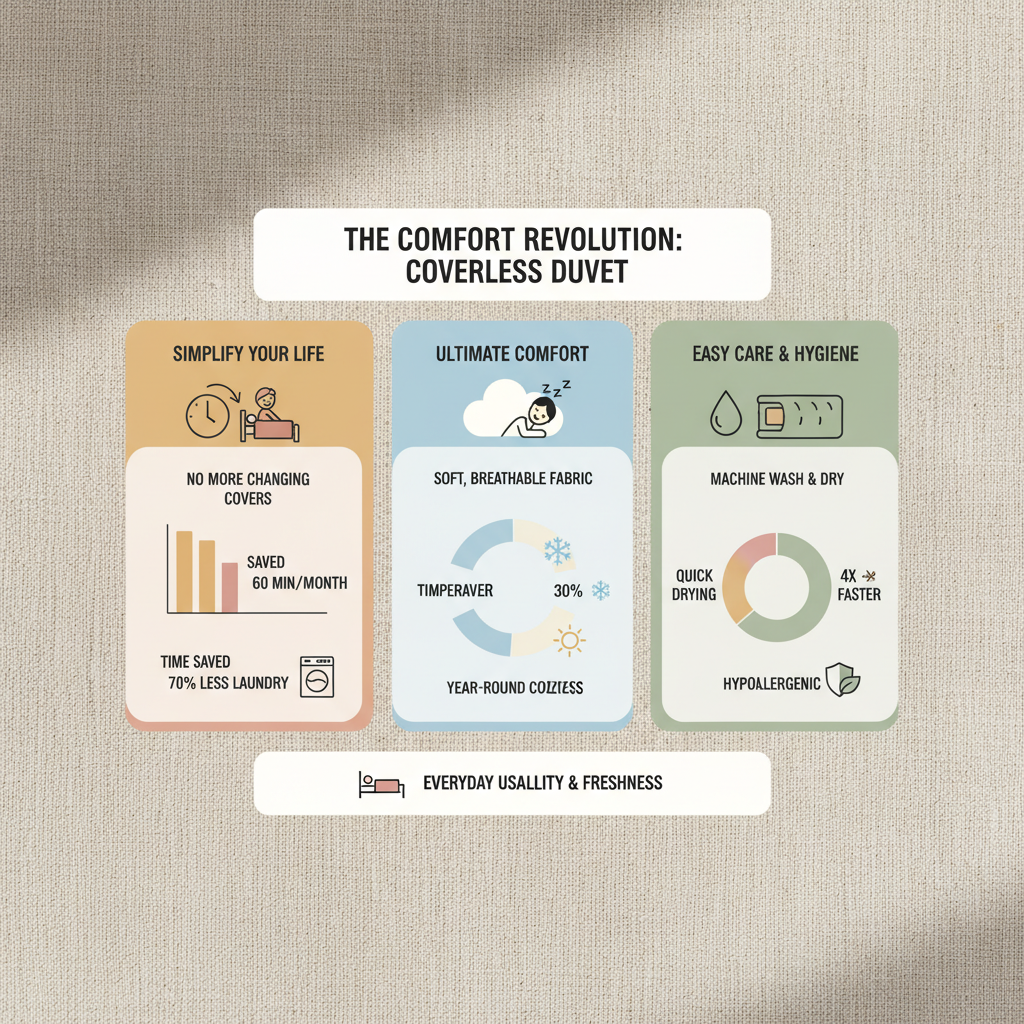
This shift is also driven by the increasing emphasis on practicality. Consumers are looking for bedding that is easy to care for, requiring less time and effort to maintain. Traditional duvets with separate covers often necessitate frequent washing and re-stuffing, a task that many find inconvenient. The all-in-one design of the coverless duvet streamlines this process, offering a more efficient and user-friendly experience.
A coverless duvet offers several advantages over a traditional duvet. Primarily, it eliminates the hassle of constantly re-stuffing covers, simplifying bed-making and reducing laundry frequency. It’s often more convenient for individuals with limited mobility or those seeking a more streamlined bedroom aesthetic. They also tend to be easier to store due to their all-in-one construction. Finally, the integrated design often results in a more consistent and comfortable feel.
Cleaning a coverless duvet depends on the fill material and outer fabric. Many are machine washable, though it's essential to check the care label for specific instructions. Larger duvets may require professional cleaning. The advantage is that you're cleaning the entire bedding unit, rather than coordinating separate covers and inserts. Regular fluffing and airing can also help maintain freshness between washes.
Coverless duvets are available in a wide range of tog ratings (warmth levels) making them suitable for all seasons. Lighter weight duvets are ideal for summer, while heavier weight duvets provide warmth during colder months. It’s important to choose a tog rating that suits your climate and personal preference. Many retailers offer seasonal collections catering to various weather conditions.
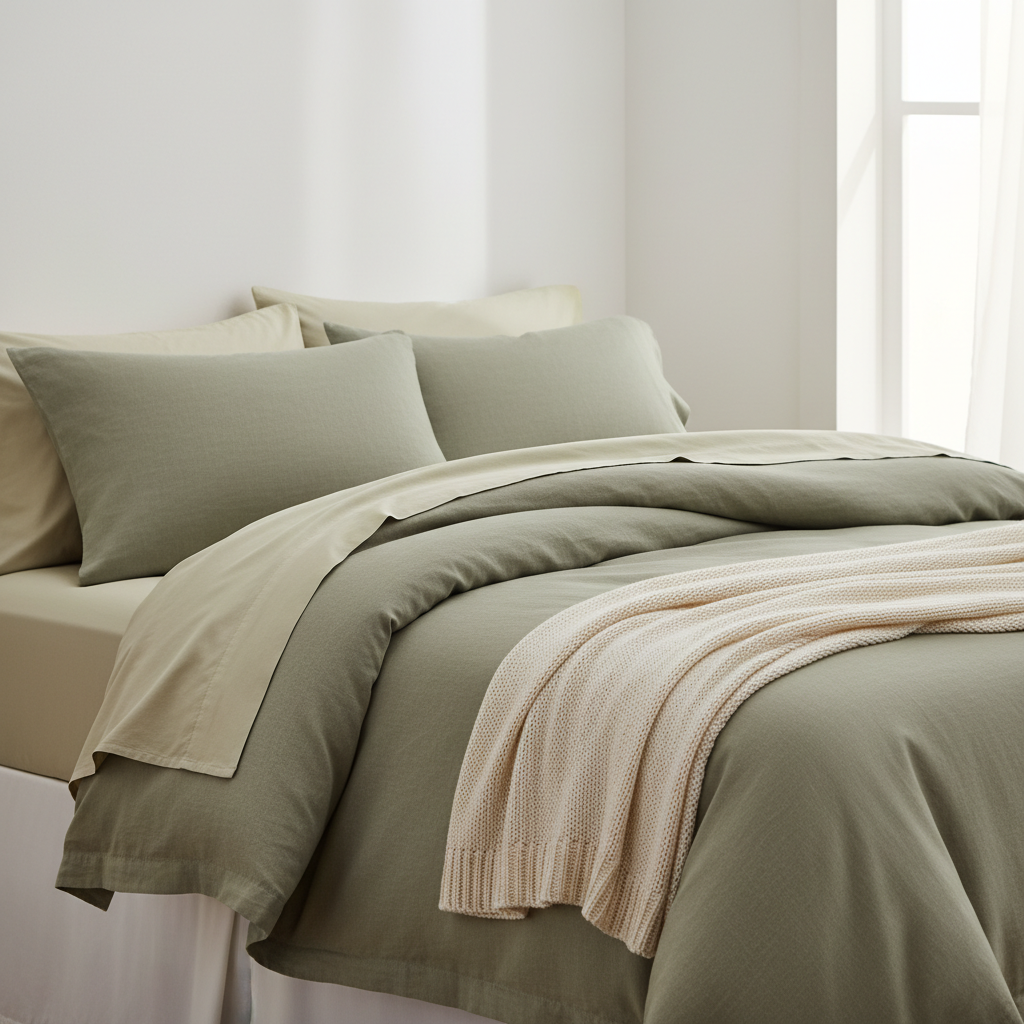
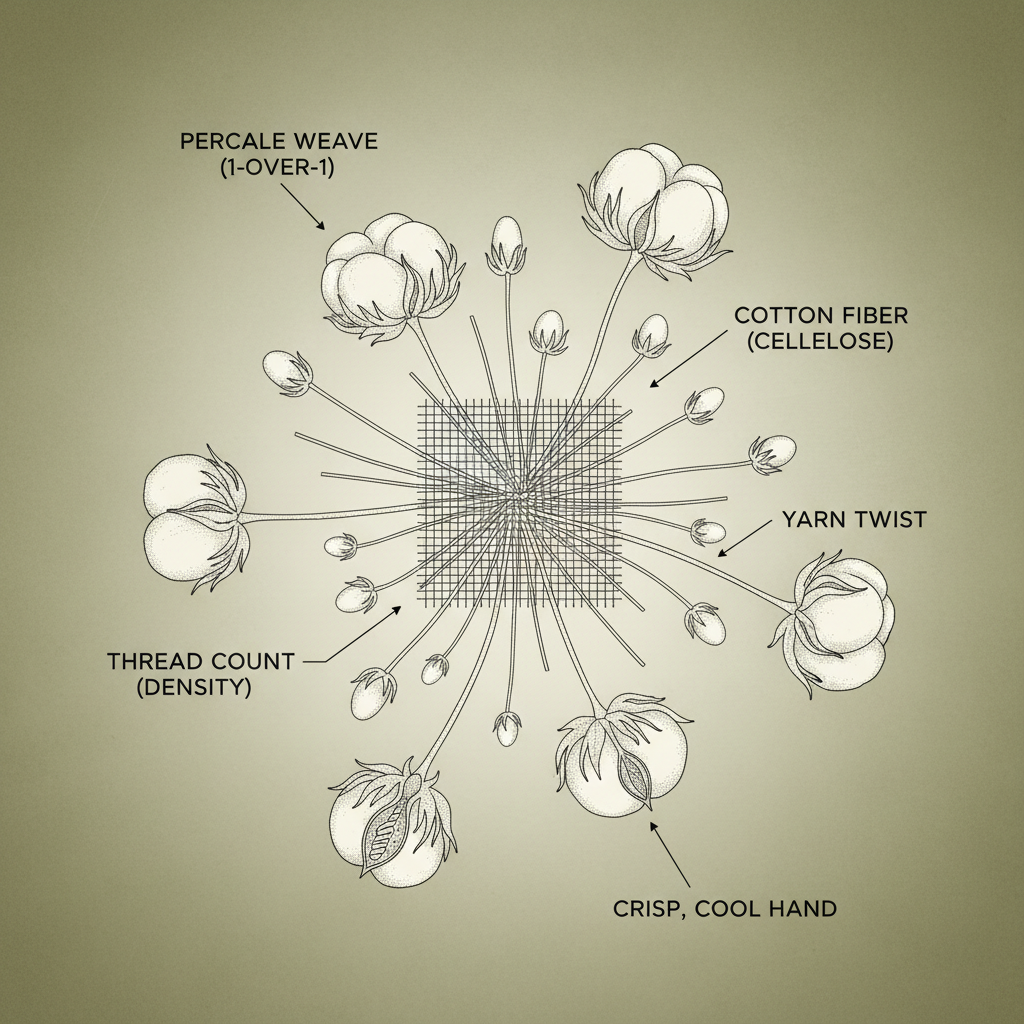
Common fill materials include down, down alternative (typically polyester fibers), and wool. Outer fabrics often consist of cotton, microfiber, or linen. The choice of material influences the duvet’s comfort, breathability, and durability. Higher-quality materials generally offer superior performance and longevity. Sustainable options like organic cotton and recycled polyester are also becoming increasingly popular.
The durability of a coverless duvet can be comparable to, or even exceed, a traditional duvet, provided it’s constructed with high-quality materials and stitching. Because the outer fabric is integral to the construction, it’s less prone to shifting or wear and tear. However, regular care and adherence to washing instructions are essential to maintaining its longevity.
The cost of a coverless duvet can vary depending on the fill material, outer fabric, and construction quality. Generally, they may be slightly more expensive upfront than a basic traditional duvet and cover combination. However, considering the elimination of the need to purchase a separate cover and the potential for longer lifespan, they can offer a more cost-effective solution in the long run.
In conclusion, the coverless duvet represents a significant innovation in bedding technology, offering a compelling combination of convenience, practicality, and aesthetic appeal. From simplifying household routines to providing efficient solutions for hospitality and emergency relief, its versatility is undeniable. The trend towards minimalist lifestyles and the growing demand for sustainable products further solidify its position as a prominent force in the bedding industry.
Looking ahead, continued advancements in materials science and manufacturing techniques promise to enhance the performance and functionality of coverless duvets even further. Embracing innovation and prioritizing quality will be key to unlocking the full potential of this evolving bedding solution. To explore our range of high-quality coverless duvets and learn more about the benefits they offer, visit our website: www.longshowtextiles.com

 Afrikaans
 Albanian
 Amharic
 Arabic
 Armenian
 Azerbaijani
 Basque
 Belarusian
 Bengali
 Bosnian
 Bulgarian
 Catalan
 Cebuano
 China
China
 Corsican
 Croatian
 Czech
Czech
 Danish
 Dutch
Dutch
 Esperanto
 Estonian
 Finnish
 French
 Frisian
 Galician
 Georgian
 German
 Greek
Greek
 Gujarati
 Haitian Creole
 Hausa
Hausa
 Hawaiian
 Hebrew
 Hindi
Hindi
 Miao
Miao
 Hungarian
 Icelandic
 Igbo
Igbo
 Indonesian
 Irish
Irish
 Italian
 Japanese
 Javanese
 Kannada
 Kazakh
 Khmer
Khmer
 Rwandese
 Korean
 Kurdish
 Kyrgyz
 Lao
Lao
 Latin
Latin
 Latvian
 Lithuanian
 Luxembourgish
 Macedonian
 Malgashi
 Malay
Malay
 Malayalam
 Maltese
 Maori
Maori
 Marathi
 Mongolian
 Myanmar
 Nepali
 Norwegian
 Norwegian
 Occitan
 Pashto
 Persian
 Polish
 Portuguese
 Punjabi
 Romanian
 Russian
 Samoan
 Scottish Gaelic
 Serbian
 Sesotho
 Shona
Shona
 Sindhi
 Sinhala
 Slovak
 Slovenian
 Somali
 Spanish
 Sundanese
 Swahili
 Swedish
 Tagalog
 Tajik
Tajik
 Tamil
Tamil
 Tatar
Tatar
 Telugu
 Thai
Thai
 Turkish
 Turkmen
 Ukrainian
 Urdu
Urdu
 Uighur
 Uzbek
Uzbek
 Vietnamese
 Welsh
Welsh
 Bantu
Bantu
 Yiddish
 Yoruba
 Zulu
Zulu
 English