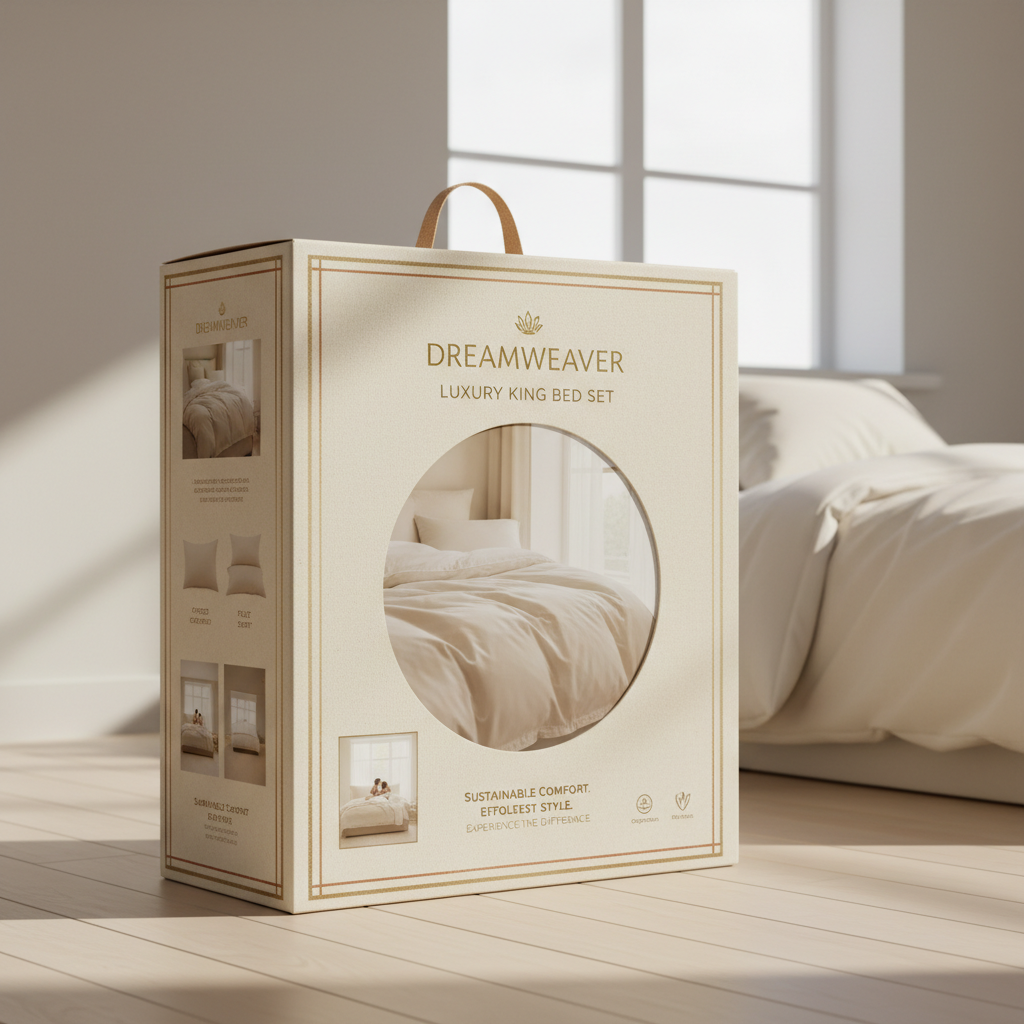
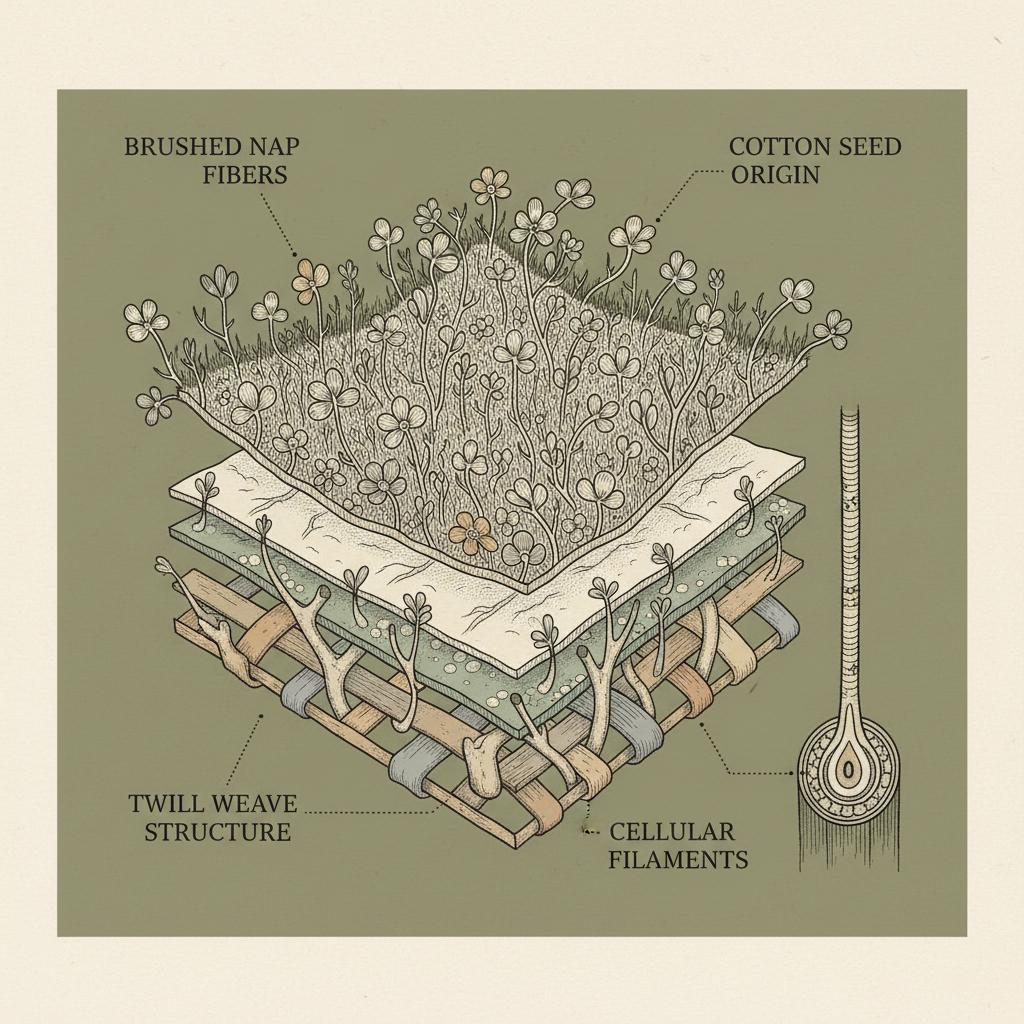
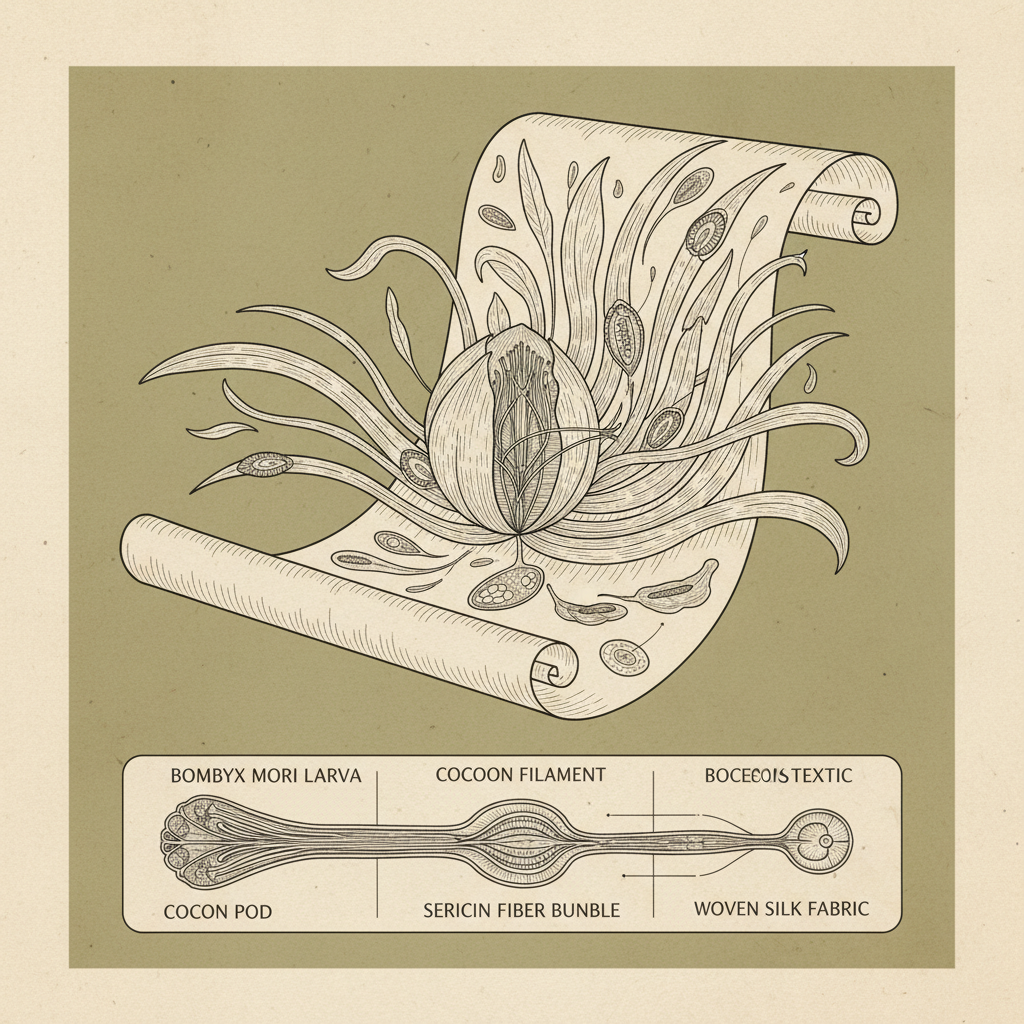
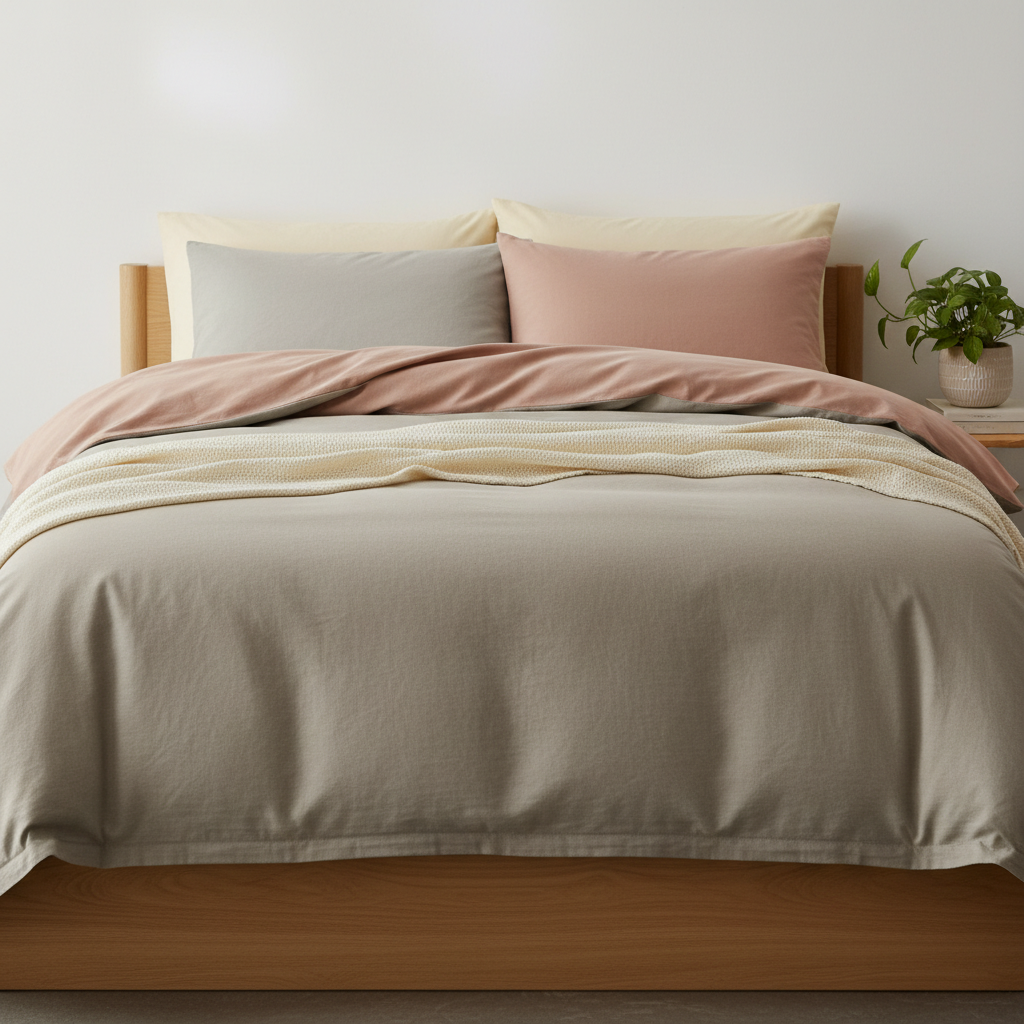
The pursuit of a perfect night's sleep has evolved from a simple necessity into a sophisticated science of comfort, where luxury bed sheets serve as the foundational element. In the modern era, the intersection of textile engineering and interior design has transformed the bedroom into a sanctuary, emphasizing that the quality of one's linens directly correlates with the quality of their restorative rest.
Globally, the demand for high-end bedding is driven by an increasing awareness of sleep hygiene and a desire for sustainable, skin-friendly materials. Whether it is the crisp feel of high-thread-count Egyptian cotton or the silky drape of bamboo viscose, these textiles are no longer just about aesthetics; they are about thermal regulation, hypoallergenic properties, and long-term durability.
Understanding the nuances of premium fabrics allows consumers and hospitality professionals alike to make informed decisions that balance opulence with practicality. By exploring the technical specifications and artisanal methods behind the finest linens, we can unlock a deeper level of comfort that enhances overall well-being and mental clarity.
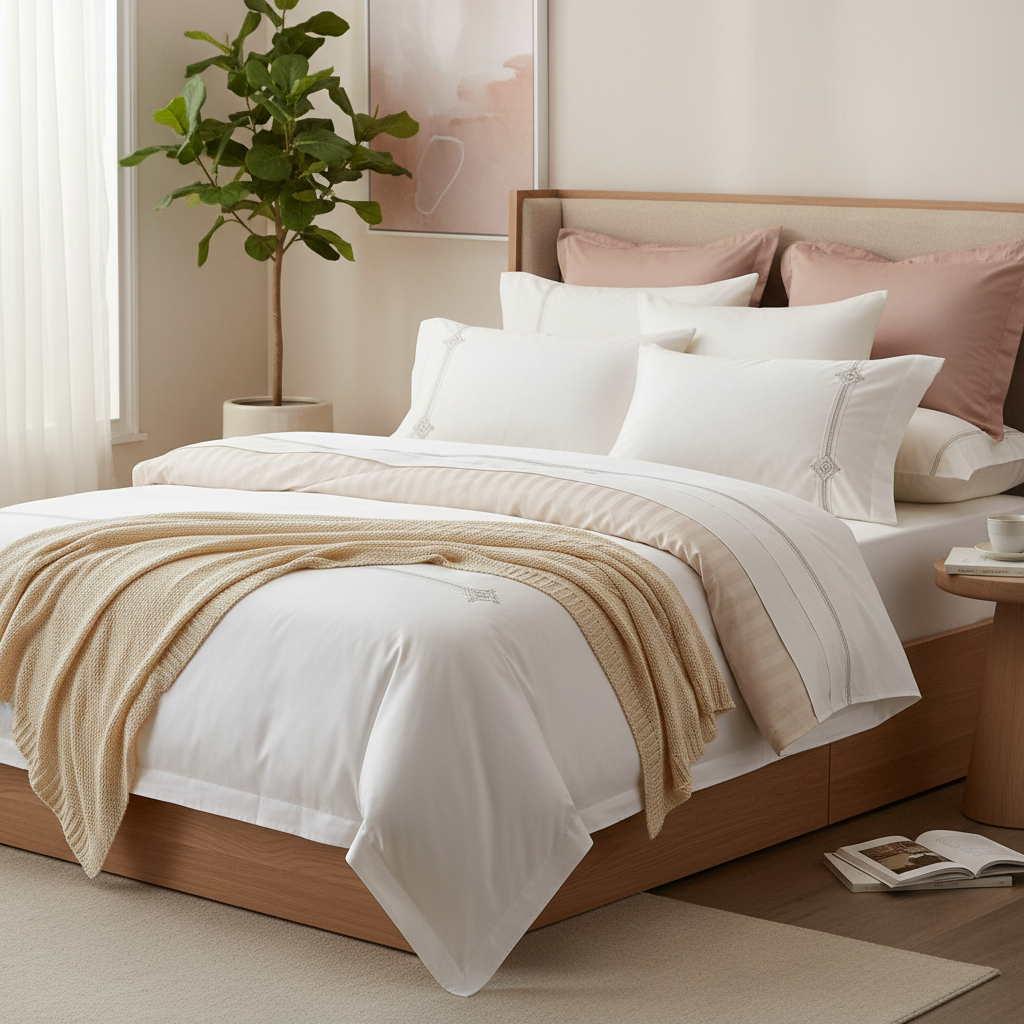
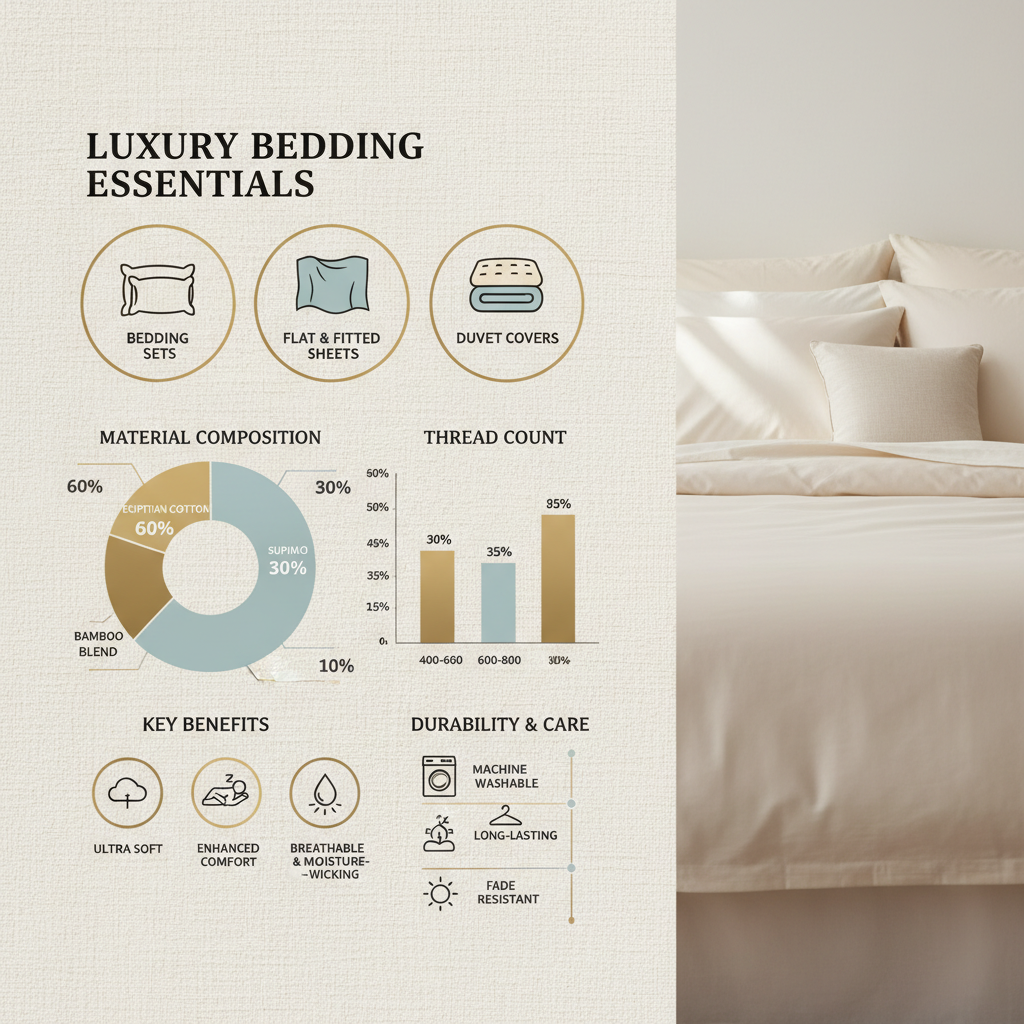
The global landscape for luxury bed sheets has shifted from exclusive royal chambers to a widespread consumer movement toward "wellness living." According to international trade data and ISO textile standards, there has been a significant rise in the adoption of organic certifications (such as GOTS), reflecting a global pivot toward ethical sourcing and environmental responsibility in home textiles.
This evolution is not merely about wealth, but about the democratization of quality. As manufacturing processes in the textile industry become more efficient, the precision of long-staple cotton cultivation and the refinement of mulberry silk weaving have allowed more people to experience the physical and psychological benefits of superior bedding.
Luxury bed sheets are distinguished by the quality of the raw fibers—specifically the use of long-staple or extra-long-staple cotton—and the precision of the weave. Unlike standard sheets that use shorter fibers (which can lead to pilling and a rougher texture), luxury linens utilize refined materials and higher weaving standards to ensure superior softness, breathability, and a much longer lifespan.
Not necessarily. While thread count is a common metric, "too high" a count can actually make sheets heavier and less breathable. The key is the quality of the yarn. A 400-thread-count sheet made from premium Egyptian cotton is often far more comfortable and durable than a 1000-thread-count sheet made from low-grade cotton with multi-ply yarns designed to inflate the number.
For those who experience night sweats or prefer a cool environment, bamboo viscose and linen are the top choices. Bamboo is naturally moisture-wicking and breathable, while linen has a unique open-weave structure that allows maximum airflow. Both materials are highly effective at regulating body temperature throughout the night compared to synthetic blends.
To preserve the integrity of premium linens, wash them in cool or lukewarm water using a mild, pH-neutral detergent. Avoid bleach and harsh chemicals, which break down natural fibers. We recommend tumbling on low heat or air-drying, and avoiding over-drying, which can cause fibers to become brittle and lose their signature softness.
Generally, yes. Bamboo grows faster, requires significantly less water, and needs no pesticides compared to traditional cotton. However, the sustainability also depends on the processing method (closed-loop vs. open-loop). Organic Egyptian cotton is also a sustainable choice, but bamboo typically has a smaller overall environmental footprint per square meter of fabric.
Yes, through the optimization of the sleep microclimate. By regulating temperature and reducing skin friction, luxury sheets minimize the physical disruptions that cause "tossing and turning." When the body can maintain a stable temperature and the skin feels comforted, it is easier to enter and remain in deep sleep stages, leading to better overall recovery.
The integration of luxury bed sheets into the home is far more than a decorative choice; it is an investment in the fundamental human need for restorative sleep. By prioritizing fiber purity, technical weave precision, and sustainable sourcing, we can transform the bedroom into a powerful tool for health and well-being. From the cooling properties of bamboo to the timeless elegance of long-staple cotton, the right bedding provides the tangible comfort and psychological peace necessary for a balanced life.
As we look toward the future, the synergy between textile craftsmanship and smart technology will continue to redefine our sleep experience. We encourage you to move beyond superficial metrics like thread count and instead focus on the material science and ethical production of your linens. Investing in quality today ensures a lifetime of better nights and more energized mornings. Visit our website to explore the pinnacle of textile comfort: www.longshowtextile.com

 Afrikaans
 Albanian
 Amharic
 Arabic
 Armenian
 Azerbaijani
 Basque
 Belarusian
 Bengali
 Bosnian
 Bulgarian
 Catalan
 Cebuano
 China
China
 Corsican
 Croatian
 Czech
Czech
 Danish
 Dutch
Dutch
 Esperanto
 Estonian
 Finnish
 French
 Frisian
 Galician
 Georgian
 German
 Greek
Greek
 Gujarati
 Haitian Creole
 Hausa
Hausa
 Hawaiian
 Hebrew
 Hindi
Hindi
 Miao
Miao
 Hungarian
 Icelandic
 Igbo
Igbo
 Indonesian
 Irish
Irish
 Italian
 Japanese
 Javanese
 Kannada
 Kazakh
 Khmer
Khmer
 Rwandese
 Korean
 Kurdish
 Kyrgyz
 Lao
Lao
 Latin
Latin
 Latvian
 Lithuanian
 Luxembourgish
 Macedonian
 Malgashi
 Malay
Malay
 Malayalam
 Maltese
 Maori
Maori
 Marathi
 Mongolian
 Myanmar
 Nepali
 Norwegian
 Norwegian
 Occitan
 Pashto
 Persian
 Polish
 Portuguese
 Punjabi
 Romanian
 Russian
 Samoan
 Scottish Gaelic
 Serbian
 Sesotho
 Shona
Shona
 Sindhi
 Sinhala
 Slovak
 Slovenian
 Somali
 Spanish
 Sundanese
 Swahili
 Swedish
 Tagalog
 Tajik
Tajik
 Tamil
Tamil
 Tatar
Tatar
 Telugu
 Thai
Thai
 Turkish
 Turkmen
 Ukrainian
 Urdu
Urdu
 Uighur
 Uzbek
Uzbek
 Vietnamese
 Welsh
Welsh
 Bantu
Bantu
 Yiddish
 Yoruba
 Zulu
Zulu
 English