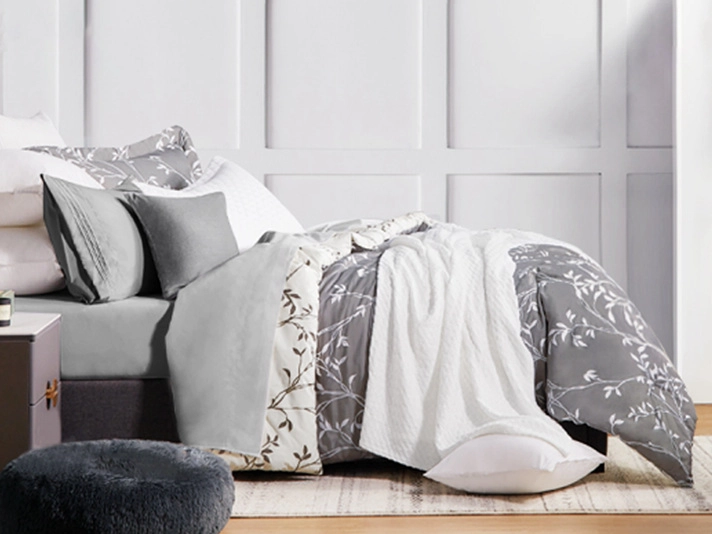
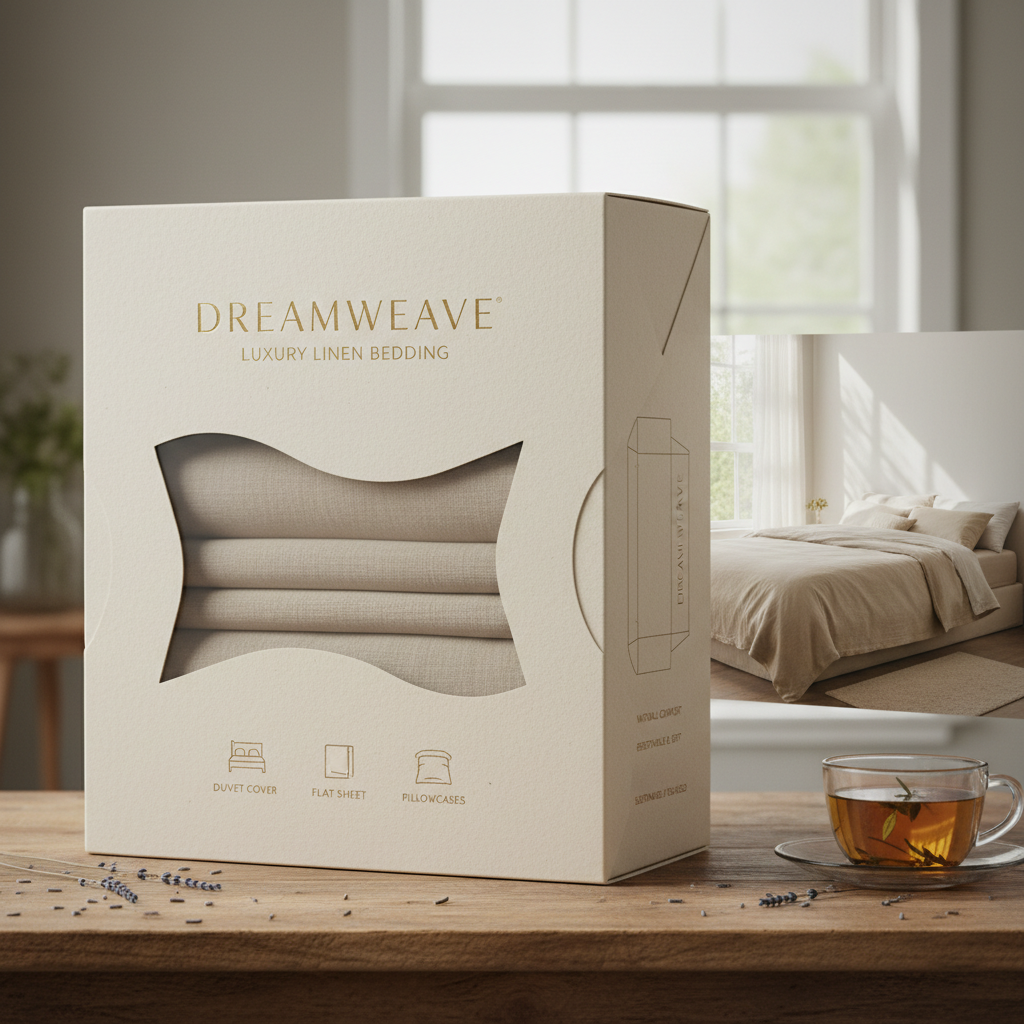
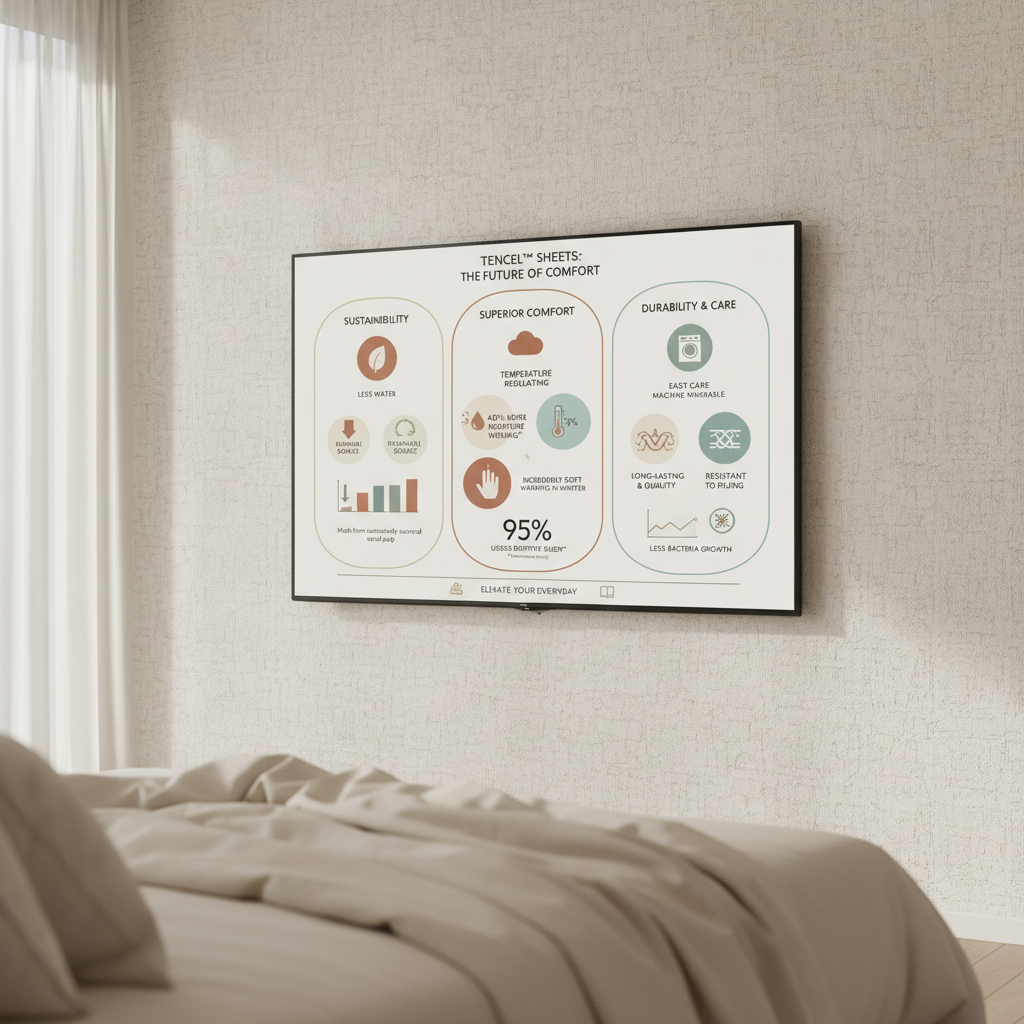
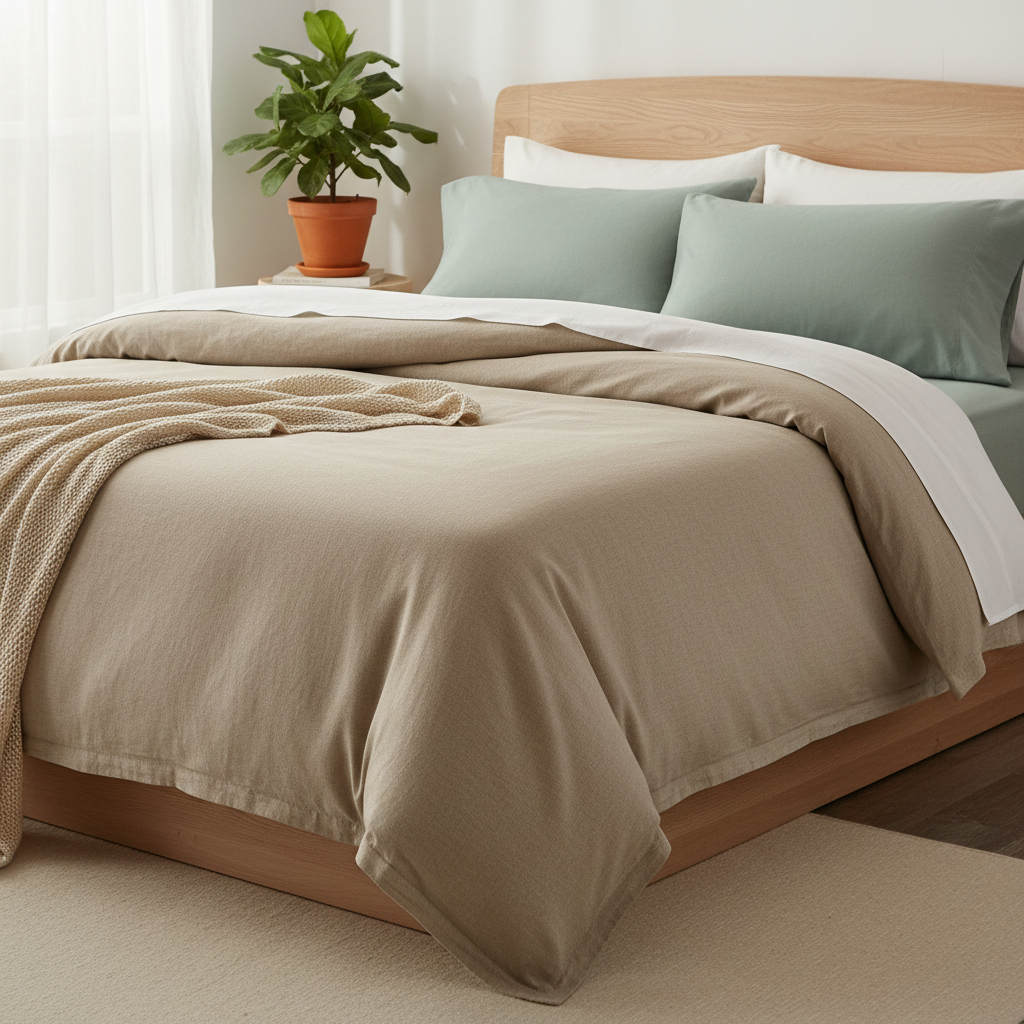
Bed linen, encompassing sheets, pillowcases, duvet covers, and fitted or flat sheets, is a fundamental aspect of daily life globally. From the simplest cotton weave to luxurious silk blends, it provides comfort, hygiene, and aesthetic appeal within the domestic sphere. Understanding the nuances of bed linen – its materials, production processes, and evolving consumer preferences – is crucial not only for the textile industry but also for sectors like hospitality, healthcare, and even emergency relief efforts. The quality of sleep directly impacts wellbeing, and bed linen plays a significant role in achieving restorative rest.
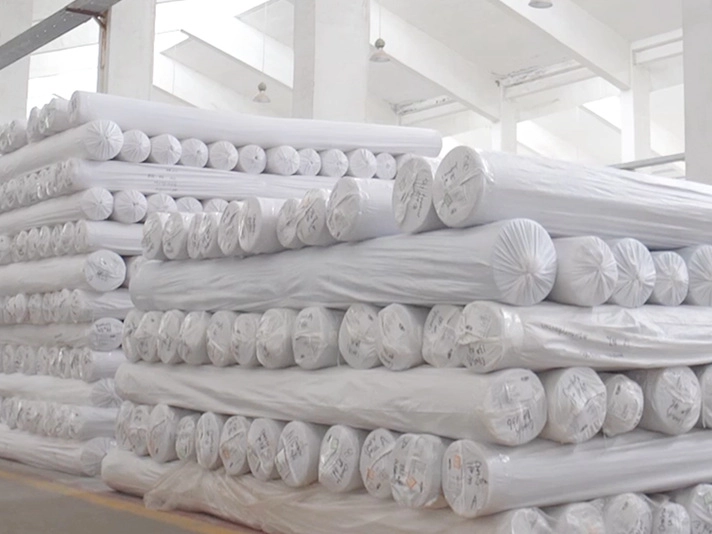
The global bed linen market is a multi-billion dollar industry, with significant production hubs in countries like China, India, Pakistan, and Turkey. Demand is driven by population growth, rising disposable incomes, and increased awareness of the importance of sleep hygiene. However, the industry faces challenges related to sustainable sourcing, ethical manufacturing practices, and the need for innovation in materials and technologies. Addressing these concerns is essential for long-term growth and consumer trust.
Furthermore, the proliferation of e-commerce has transformed how consumers purchase bed linen, offering greater choice and convenience. This shift has also intensified competition and placed greater emphasis on branding, customer service, and supply chain efficiency. A thorough understanding of these dynamics is vital for businesses operating within this dynamic market.
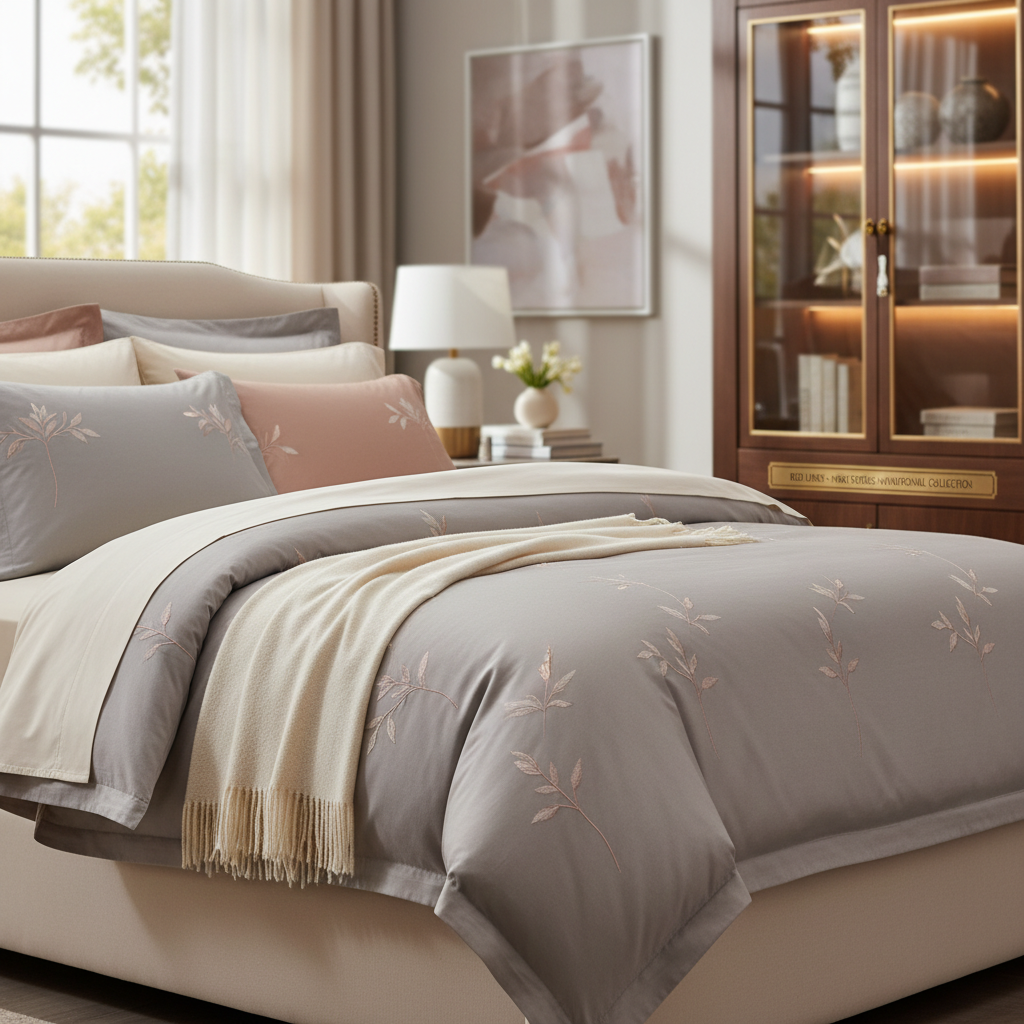
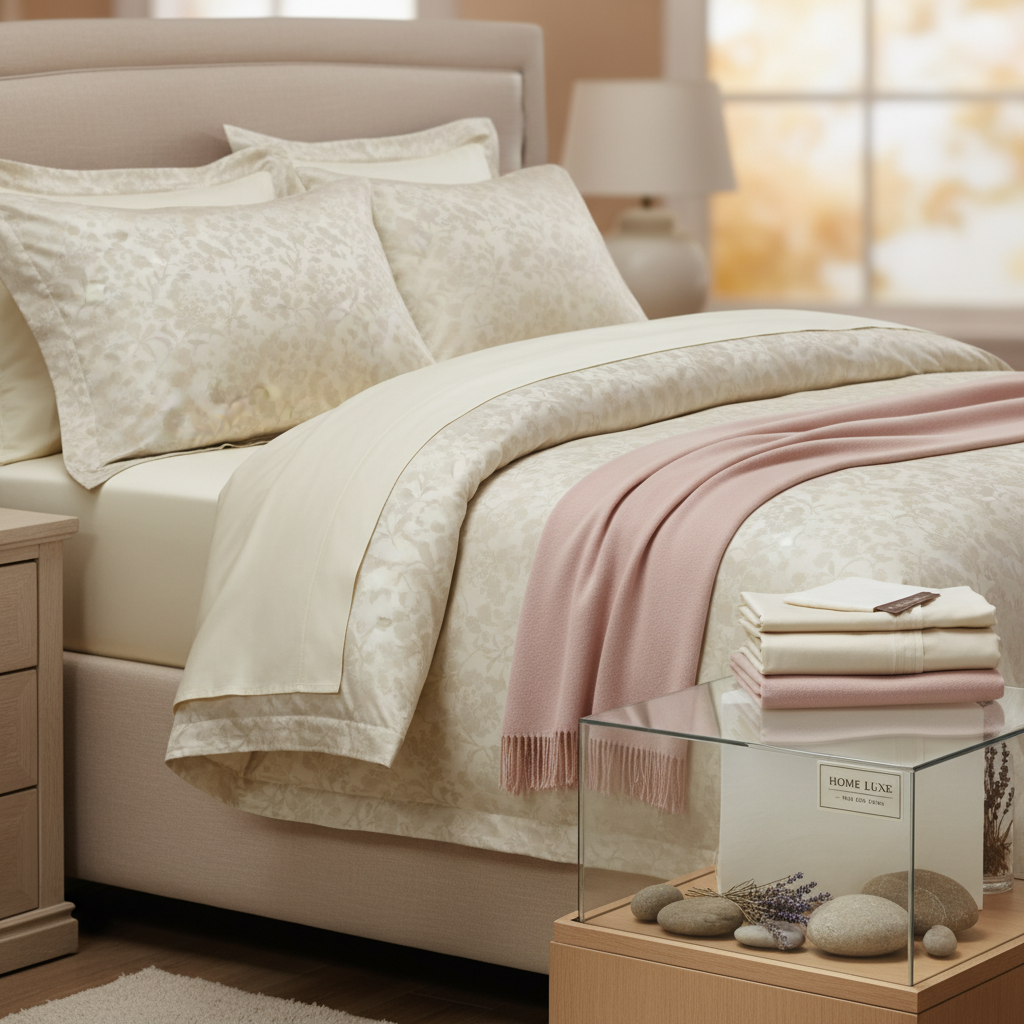
Bed linen isn't simply a household commodity; it's a globally traded good with significant economic and social implications. According to the World Trade Organization, textiles – including bed linen – account for a substantial portion of international trade. The industry provides employment for millions worldwide, particularly in developing countries. The demand for quality bed linen is consistently high, driven by the universal need for comfortable and hygienic sleep.
However, the industry also faces challenges. Fast fashion trends and a drive for lower prices can lead to exploitative labor practices and unsustainable production methods. The United Nations Sustainable Development Goals emphasize responsible consumption and production, putting pressure on the bed linen industry to adopt more ethical and environmentally friendly approaches.
While higher thread counts are often marketed as superior, a range of 200-800 is generally considered optimal. Above 800, the quality of the yarn becomes more important than the thread count itself. Focus on the type of cotton and weave, as these contribute more significantly to softness and durability. Ultimately, personal preference plays a big role.
It's recommended to wash your bed linen weekly to remove dust mites, allergens, and body oils. Pillowcases should be washed more frequently – every 2-3 days – as they accumulate more oils and bacteria. Always follow the care instructions on the label to avoid damaging the fabric.
Percale is a plain weave that creates a crisp, cool, and matte finish. It’s known for its durability and breathability. Sateen, on the other hand, is a weave that exposes more surface area of the yarn, resulting in a silky-smooth, soft, and slightly lustrous finish. Sateen tends to be more prone to snagging.
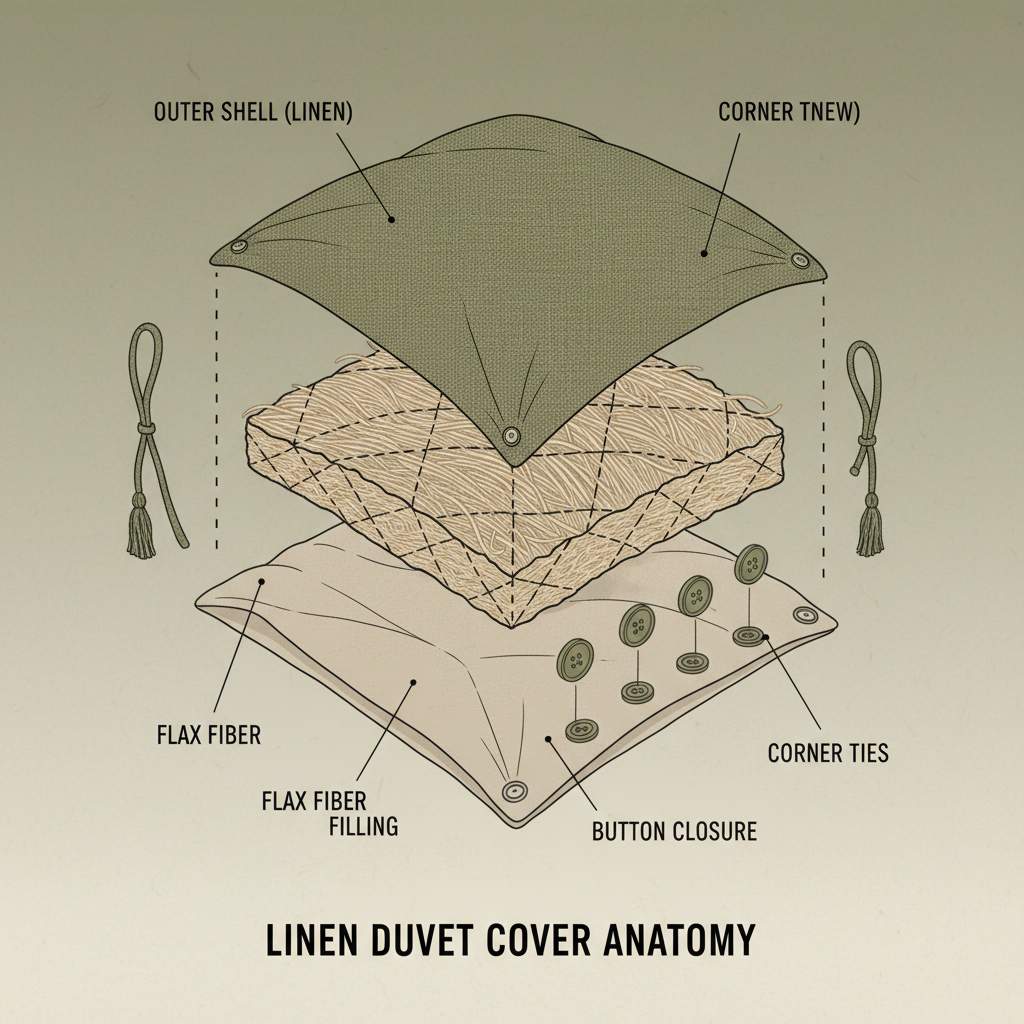
Linen is durable but can wrinkle easily. It benefits from being washed in cool water and line-dried. It's also recommended to iron linen while it’s still slightly damp. With proper care, linen can last for many years and actually become softer with each wash.
Organic cotton is grown without the use of harmful pesticides and synthetic fertilizers, making it a more sustainable and eco-friendly choice. It's also gentler on the skin, making it ideal for people with sensitivities or allergies.
Wash your bed linen inside out in cool water with a mild detergent. Avoid using bleach or fabric softeners, as they can damage the fibers. Line-dry whenever possible, or tumble dry on low heat. Rotate your sets to distribute wear evenly and store unused sets in a cool, dry place.
In conclusion, bed linen is far more than just a functional necessity. It represents a significant economic sector, a cornerstone of comfort and hygiene, and a reflection of evolving consumer values. Understanding the nuances of materials, weaves, durability, and sustainable production practices is crucial for both businesses and consumers navigating this dynamic market. The choices we make regarding bed linen have far-reaching implications, impacting not only our personal wellbeing but also the health of the planet.
Looking ahead, innovation will continue to drive the bed linen industry, with a focus on sustainable materials, smart technologies, and personalized comfort. By embracing these advancements and prioritizing ethical sourcing, we can ensure that bed linen remains a symbol of rest, rejuvenation, and responsible consumption. For high-quality and ethically sourced bed linen, visit our website: www.longshowtextiles.com

 Afrikaans
 Albanian
 Amharic
 Arabic
 Armenian
 Azerbaijani
 Basque
 Belarusian
 Bengali
 Bosnian
 Bulgarian
 Catalan
 Cebuano
 China
China
 Corsican
 Croatian
 Czech
Czech
 Danish
 Dutch
Dutch
 Esperanto
 Estonian
 Finnish
 French
 Frisian
 Galician
 Georgian
 German
 Greek
Greek
 Gujarati
 Haitian Creole
 Hausa
Hausa
 Hawaiian
 Hebrew
 Hindi
Hindi
 Miao
Miao
 Hungarian
 Icelandic
 Igbo
Igbo
 Indonesian
 Irish
Irish
 Italian
 Japanese
 Javanese
 Kannada
 Kazakh
 Khmer
Khmer
 Rwandese
 Korean
 Kurdish
 Kyrgyz
 Lao
Lao
 Latin
Latin
 Latvian
 Lithuanian
 Luxembourgish
 Macedonian
 Malgashi
 Malay
Malay
 Malayalam
 Maltese
 Maori
Maori
 Marathi
 Mongolian
 Myanmar
 Nepali
 Norwegian
 Norwegian
 Occitan
 Pashto
 Persian
 Polish
 Portuguese
 Punjabi
 Romanian
 Russian
 Samoan
 Scottish Gaelic
 Serbian
 Sesotho
 Shona
Shona
 Sindhi
 Sinhala
 Slovak
 Slovenian
 Somali
 Spanish
 Sundanese
 Swahili
 Swedish
 Tagalog
 Tajik
Tajik
 Tamil
Tamil
 Tatar
Tatar
 Telugu
 Thai
Thai
 Turkish
 Turkmen
 Ukrainian
 Urdu
Urdu
 Uighur
 Uzbek
Uzbek
 Vietnamese
 Welsh
Welsh
 Bantu
Bantu
 Yiddish
 Yoruba
 Zulu
Zulu
 English