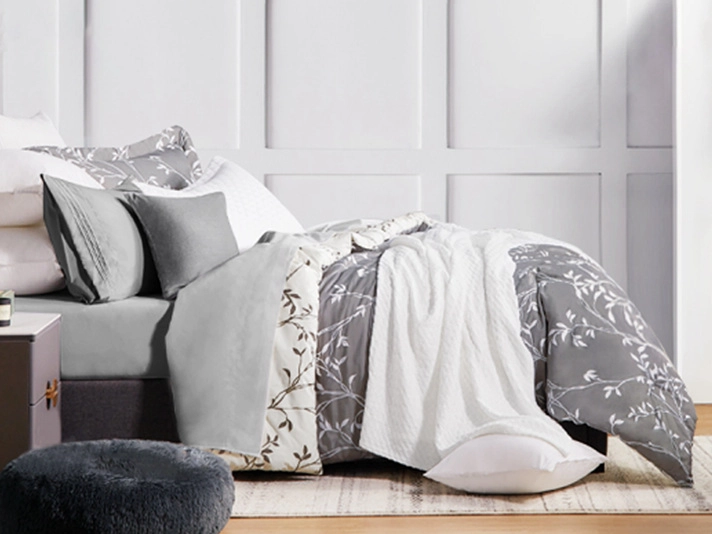
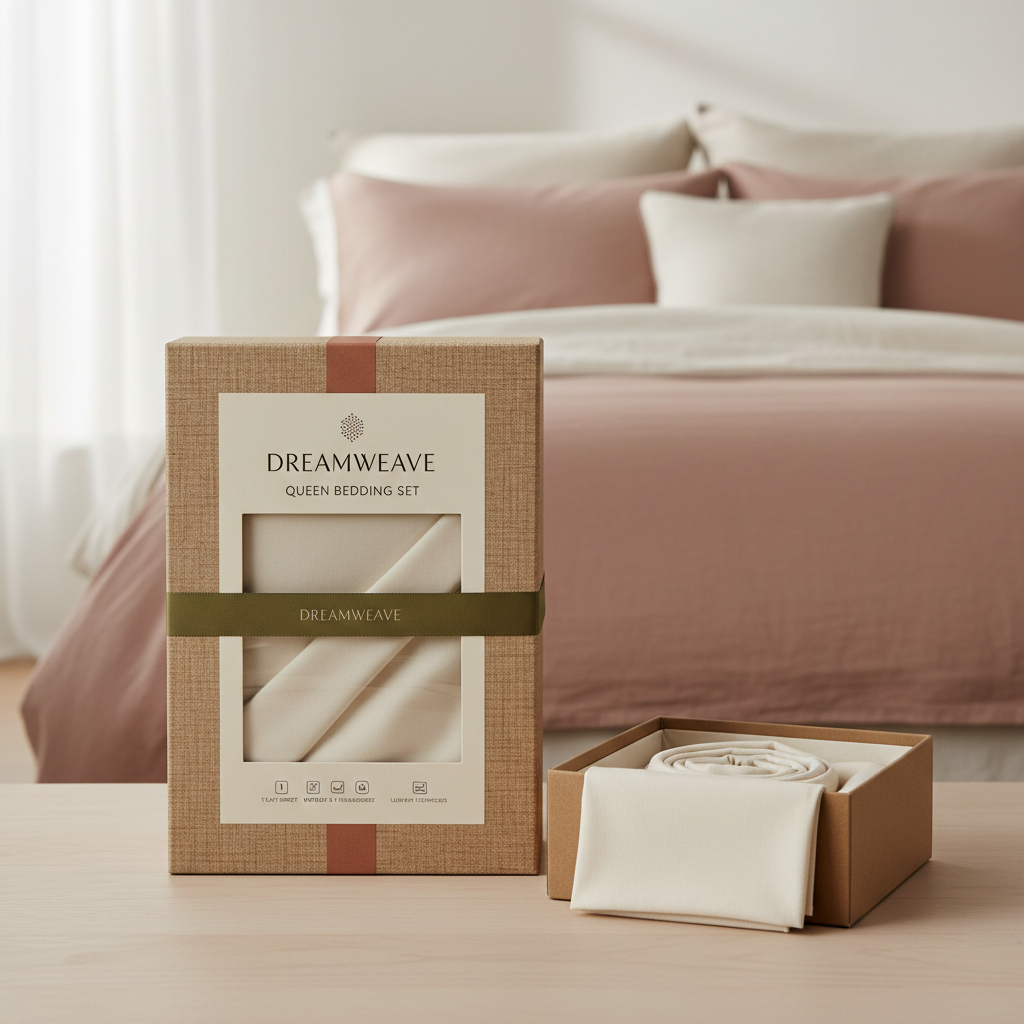
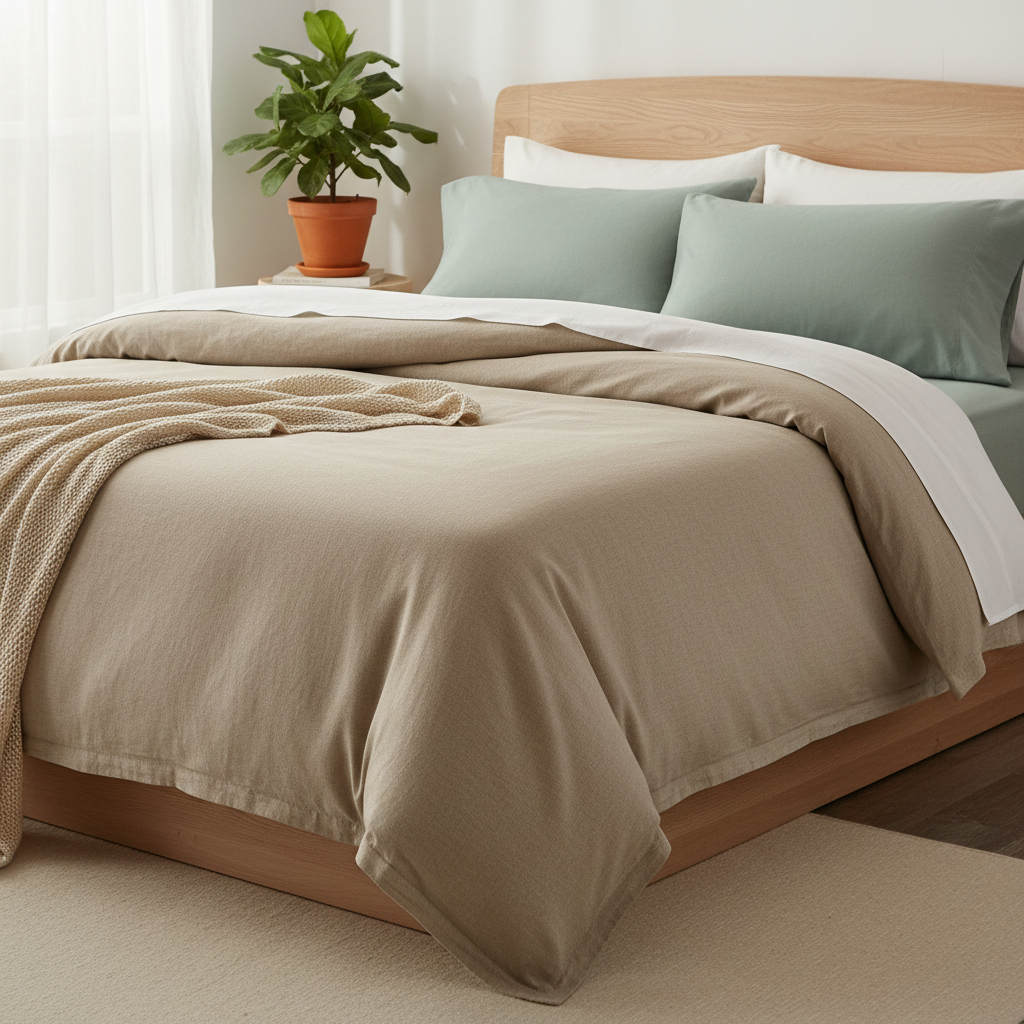
Look, I’ve spent the last fifteen years breathing concrete dust and wrestling with blueprints. I’m not some desk jockey; I’m on site, every day, making sure things actually work. And let me tell you, a good night’s sleep is critical. That’s where a quality linen duvet comes in. It’s not about luxury, it’s about recovery. When you’re pushing your body all day, you need something that regulates temperature, breathes, and just lets you shut down. It’s a fundamental piece of kit, just like your steel-toed boots.
We’re not talking about your grandma's heirloom here. Modern linen duvets have come a long way. They're built to withstand serious use – guys are throwing tools around, spilling coffee, the whole nine yards. The key is durability and washability. Forget those delicate, high-maintenance covers. A good linen duvet can handle a beating and still look decent. And it's not just about the fabric, it’s about the construction, the fill, the whole package.
Honestly, I used to scoff at the idea of paying extra for bedding. Then I tried a linen duvet. The difference in sleep quality was night and day. It's a game changer for anyone who spends their day doing physical work. It’s about investing in your recovery, and that translates directly into better performance on the job. It's simple math, really.
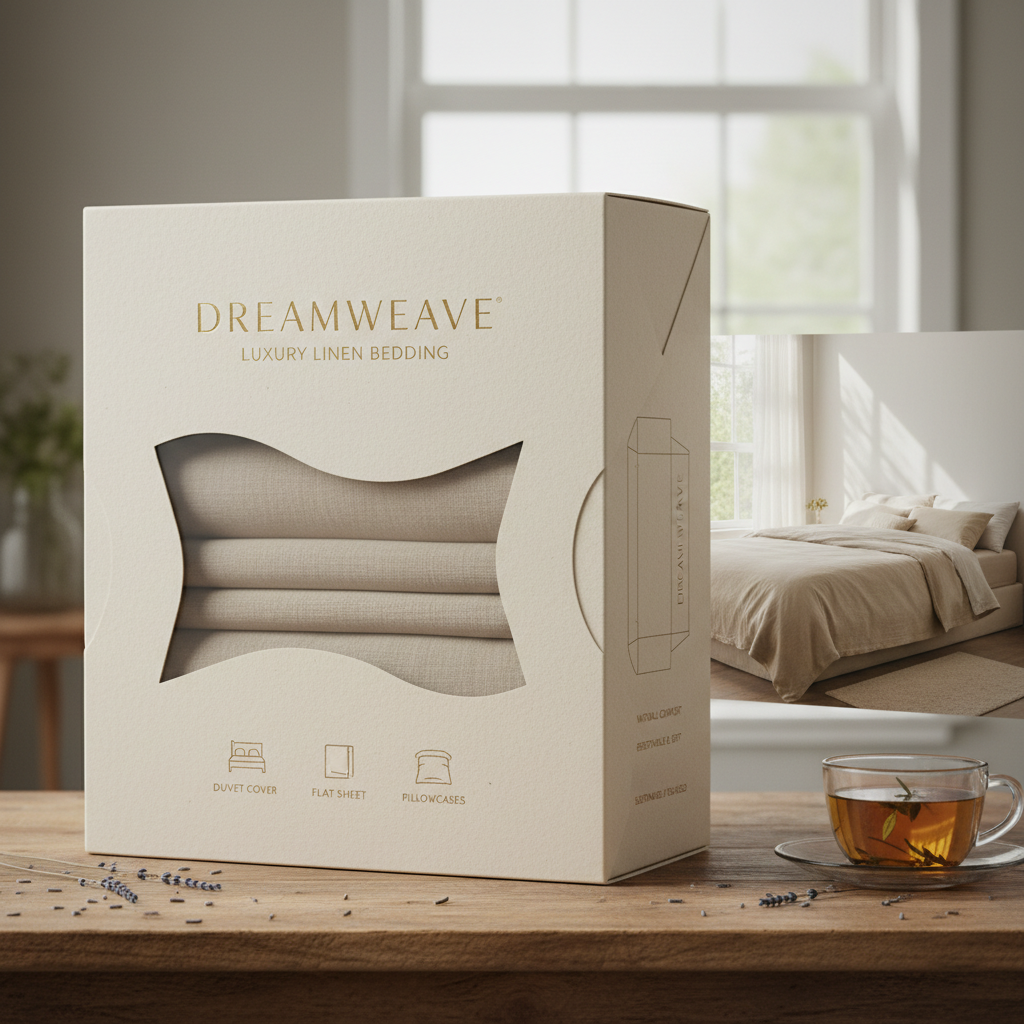
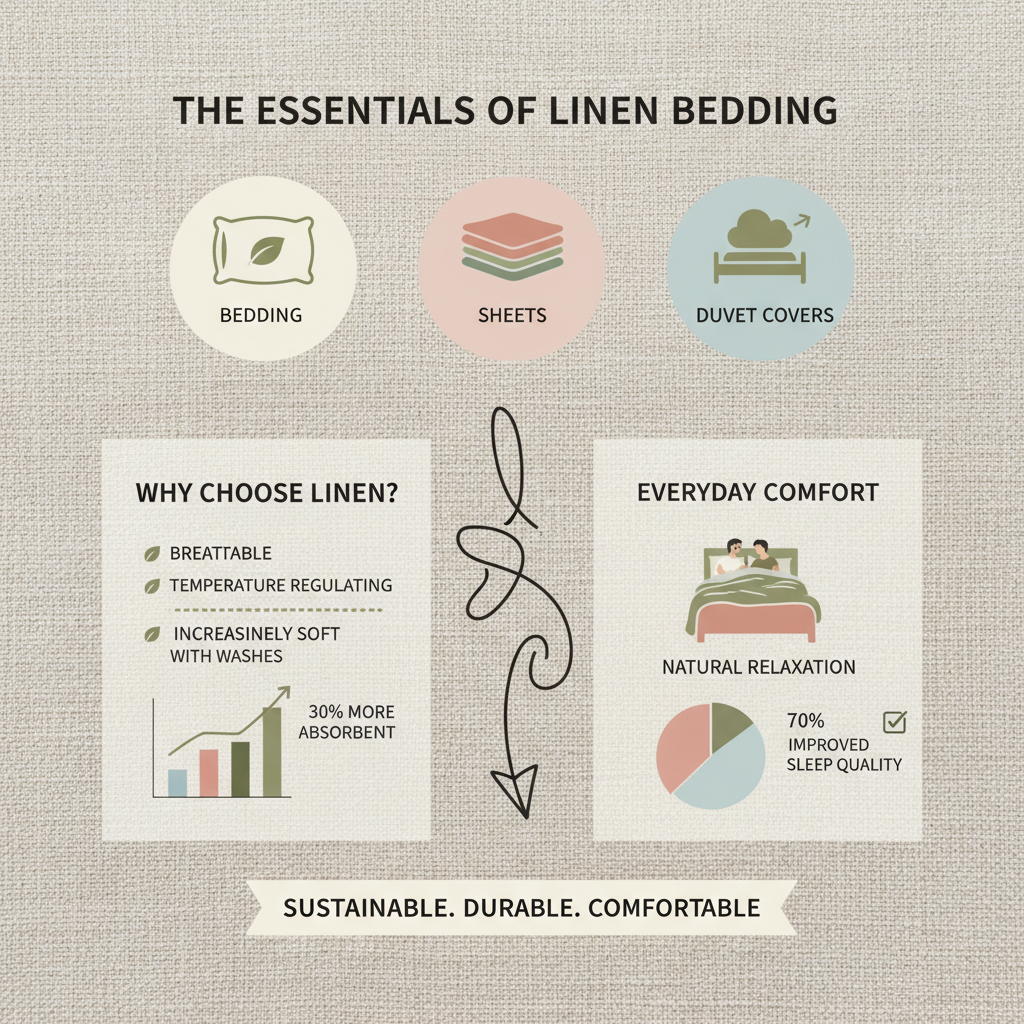
I’ve seen guys try to save money on bedding, thinking it doesn't matter. They'll grab the cheapest synthetic thing they can find. But that’s a false economy. Those materials trap heat, make you sweat, and leave you feeling restless. With a linen duvet, you get breathability. It wicks away moisture, keeping you cool and dry even when you're exhausted. It's a small detail that makes a huge difference in your recovery.
And it’s not just about comfort. It's about preventing those little aches and pains from turning into serious injuries. When you sleep well, your body repairs itself more effectively. That means less downtime and more productivity. Trust me, I've seen it happen firsthand. Investing in a good linen duvet is an investment in your health and your livelihood.
It’s about breathability and temperature regulation. When you're exerting yourself all day, you need bedding that wicks away moisture and prevents overheating. Linen's natural fibers allow for better airflow than synthetic materials, leading to a more comfortable and restorative sleep. A cooler body temperature equates to better recovery.
Linen is surprisingly resilient. Generally, you can wash your linen duvet cover every 2-3 weeks, or as needed. Avoid harsh detergents and bleach, as these can damage the fibers. A gentle cycle with cold water is best. And don't be afraid to tumble dry on low – it actually helps to soften the linen over time.
Upfront, linen can be a bit more pricey than cotton or polyester. However, consider the long-term value. Linen is incredibly durable and can last for years with proper care. You won't need to replace it as often, making it a more cost-effective option in the long run. It's an investment in your sleep and your well-being.
Linen can shrink slightly after the first wash, but pre-shrunk linen options are available to minimize this. To further prevent shrinkage, wash in cold water and tumble dry on low heat. A little bit of shrinkage actually contributes to the relaxed, comfortable feel of linen.
Yes, linen is naturally hypoallergenic, making it a great choice for people with allergies or sensitive skin. Its smooth fibers are less likely to trap dust mites and allergens compared to other materials. It’s also breathable, which helps to prevent overheating and sweating, further reducing allergy symptoms.
Wash in cold water on a gentle cycle, avoid harsh detergents and bleach, and tumble dry on low heat. Ironing is optional, as linen naturally has a relaxed, slightly wrinkled look. Store your linen duvet cover in a cool, dry place when not in use. With proper care, it will last for years.
Ultimately, a linen duvet isn’t just about comfort; it’s about performance. It's about investing in your recovery so you can tackle whatever the day throws at you. From its exceptional durability and breathability to its sustainable qualities, it’s a bedding choice that makes sense for anyone who demands the best from themselves.
Don’t underestimate the power of a good night's sleep. It’s the foundation for everything else. And if you’re going to invest in your sleep, invest in something that’s built to last, something that's comfortable, and something that's good for the planet. Visit our website at www.longshowtextiles.com to learn more and find the perfect linen duvet for your needs.

 Afrikaans
 Albanian
 Amharic
 Arabic
 Armenian
 Azerbaijani
 Basque
 Belarusian
 Bengali
 Bosnian
 Bulgarian
 Catalan
 Cebuano
 China
China
 Corsican
 Croatian
 Czech
Czech
 Danish
 Dutch
Dutch
 Esperanto
 Estonian
 Finnish
 French
 Frisian
 Galician
 Georgian
 German
 Greek
Greek
 Gujarati
 Haitian Creole
 Hausa
Hausa
 Hawaiian
 Hebrew
 Hindi
Hindi
 Miao
Miao
 Hungarian
 Icelandic
 Igbo
Igbo
 Indonesian
 Irish
Irish
 Italian
 Japanese
 Javanese
 Kannada
 Kazakh
 Khmer
Khmer
 Rwandese
 Korean
 Kurdish
 Kyrgyz
 Lao
Lao
 Latin
Latin
 Latvian
 Lithuanian
 Luxembourgish
 Macedonian
 Malgashi
 Malay
Malay
 Malayalam
 Maltese
 Maori
Maori
 Marathi
 Mongolian
 Myanmar
 Nepali
 Norwegian
 Norwegian
 Occitan
 Pashto
 Persian
 Polish
 Portuguese
 Punjabi
 Romanian
 Russian
 Samoan
 Scottish Gaelic
 Serbian
 Sesotho
 Shona
Shona
 Sindhi
 Sinhala
 Slovak
 Slovenian
 Somali
 Spanish
 Sundanese
 Swahili
 Swedish
 Tagalog
 Tajik
Tajik
 Tamil
Tamil
 Tatar
Tatar
 Telugu
 Thai
Thai
 Turkish
 Turkmen
 Ukrainian
 Urdu
Urdu
 Uighur
 Uzbek
Uzbek
 Vietnamese
 Welsh
Welsh
 Bantu
Bantu
 Yiddish
 Yoruba
 Zulu
Zulu
 English