




Apr.04, 2026 02:05
Back to list
Choosing the Best Hypoallergenic Duvet Insert for a Comfortable and Healthy Sleep
Choosing the Right Hypoallergenic Duvet Insert for a Comfortable Sleep
A good night’s sleep is crucial for overall health and well-being. For many, allergies and sensitivities can disrupt sleep quality. Choosing a hypoallergenic duvet insert is a significant step towards creating a sleep environment that’s both comfortable and healthy. This article will explore the benefits of hypoallergenic duvet inserts, materials to look for, and factors to consider when making your purchase. We'll cover everything from fill materials to weave densities to help you find the perfect insert for a restful night's sleep.

What Makes a Duvet Insert Hypoallergenic?
The term "hypoallergenic" doesn't mean allergy-proof, but rather that a product is less likely to trigger an allergic reaction. In the context of duvet inserts, this primarily relates to the materials used. Common allergens found in bedding include dust mites, mold, and certain proteins in natural materials like down and feathers. A truly hypoallergenic duvet insert minimizes these risks through carefully selected materials and construction techniques. Look for inserts that are specifically designed to resist dust mite colonization and are free of irritating chemicals and dyes. Understanding these elements is the first step toward a better night’s rest.
Key Considerations: Materials resistant to dust mites, mold, and irritants are key. Construction techniques that minimize allergen accumulation are also vital.
Popular Hypoallergenic Fill Materials
Several materials excel as hypoallergenic fills for duvet inserts. Each offers a unique blend of comfort, warmth, and price. Here’s a breakdown of some popular options:
Beyond the Fill: Cover Materials Matter Too
The fill material isn’t the only factor determining a duvet insert's hypoallergenic properties. The cover material plays a crucial role. Look for tightly woven fabrics like cotton (especially organic cotton), bamboo, or Tencel. These materials create a barrier against dust mites and allergens. A higher thread count generally indicates a tighter weave, offering better protection. Avoid synthetic covers that can trap moisture and promote mold growth. The quality of the cover directly impacts the overall hypoallergenic performance and comfort of the insert. Longshow Textile offers a wide selection of hypoallergenic duvet inserts with high-quality covers.
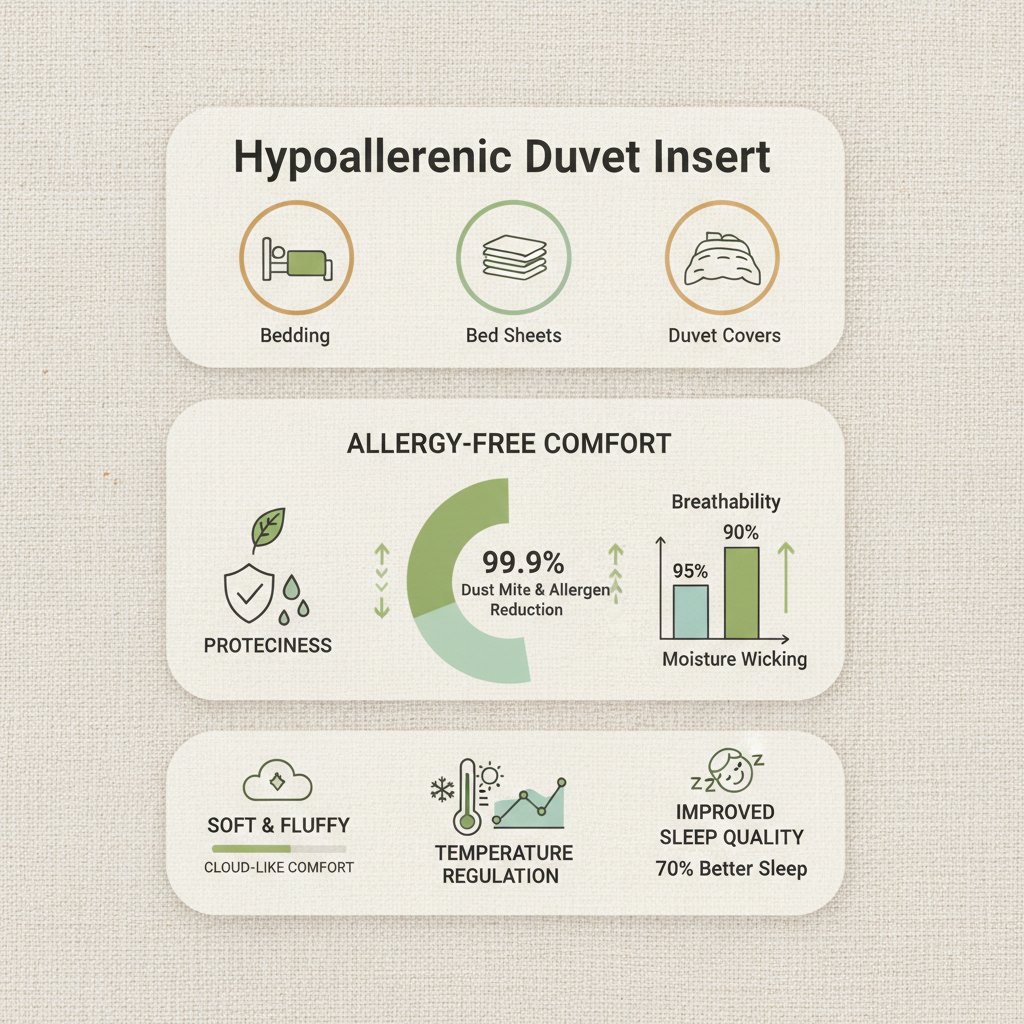
Hypoallergenic Duvet Insert: A Comparison to Down & Feather
Traditionally, down and feather duvet inserts were popular choices, but they often cause allergic reactions in sensitive individuals. Down and feathers contain proteins that trigger allergies, and they can also harbor dust mites. Hypoallergenic alternatives, like those listed above, offer a safer and more comfortable option for allergy sufferers. While down offers excellent warmth, synthetic fills have significantly improved in recent years, providing comparable warmth and comfort without the allergen risk. Choosing a hypoallergenic insert allows you to enjoy a cozy night’s sleep without compromising your health.
Caring for Your Hypoallergenic Duvet Insert
Proper care is essential to maintain the hypoallergenic properties of your duvet insert. Regularly wash the duvet cover according to the manufacturer's instructions. Air out the insert frequently, especially after washing. Avoid harsh detergents and bleach, as they can irritate sensitive skin. Consider using a mattress protector and pillow protectors to further minimize allergen exposure. Following these simple care tips will help extend the life of your insert and ensure continued hypoallergenic benefits.
Conclusion: Breathe Easy and Sleep Soundly
Choosing the right hypoallergenic duvet insert is an investment in your health and well-being. By carefully considering the fill material, cover fabric, and proper care, you can create a sleep environment that’s free of allergens and conducive to restful sleep. Explore the options available at Longshow Textile to find the perfect insert for your needs.
Frequently Asked Questions (FAQs)
What is the difference between hypoallergenic and antimicrobial duvet inserts?
While both terms relate to health benefits, they're distinct. Hypoallergenic means less likely to cause an allergic reaction, focusing on minimizing allergens like dust mites. Antimicrobial means the material inhibits the growth of bacteria and other microorganisms. A duvet insert can be both hypoallergenic and antimicrobial, offering comprehensive protection. Antimicrobial treatments can help prevent odors and keep the insert fresher for longer, but they don't address allergies directly. Choosing a material inherently resistant to allergens like polyester or microfiber provides the hypoallergenic benefit.
How often should I wash my hypoallergenic duvet insert?
Generally, a hypoallergenic duvet insert should be washed 2-3 times per year, or more frequently if needed, such as after illness or spills. Always check the care label for specific instructions. Most synthetic fills can be machine washed on a gentle cycle with mild detergent. Avoid harsh chemicals and bleach. Ensure the insert is thoroughly dried to prevent mold growth. Using a duvet cover and washing it weekly will significantly reduce the need to wash the insert itself.
Are hypoallergenic duvet inserts suitable for people with asthma?
Hypoallergenic duvet inserts can be very beneficial for people with asthma, as they minimize exposure to common triggers like dust mites and allergens. However, it's essential to consider individual sensitivities. Look for inserts certified by asthma and allergy-friendly organizations. Combining a hypoallergenic insert with other asthma-friendly bedding, such as allergen-proof mattress and pillow protectors, can further reduce symptoms. Consult with a healthcare professional for personalized advice.
What tog rating should I choose for a hypoallergenic duvet insert?
Tog rating measures the thermal resistance of a duvet insert, indicating its warmth. A lower tog (e.g., 4.5-7.5) is suitable for summer or warmer climates, while a higher tog (e.g., 10.5-13.5) is ideal for winter or colder regions. The ideal tog rating depends on your personal preference and bedroom temperature. If you tend to sleep hot, opt for a lower tog, even in winter. Consider layering duvets for flexibility – you can use a lighter insert in summer and add a heavier one during colder months.
Latest news
-
How to Choose and Maintain an Extra Fluffy Duvet Insert for SleepNewsApr.16, 2026
-
How to Choose a Non Toxic Duvet Insert for Better Sleep HealthNewsApr.09, 2026
-
Choosing the Perfect Fluffy Down Alternative Comforter for a Restful Nights SleepNewsApr.07, 2026
-
Choosing the Perfect Light Duvet Insert for a Restful Nights SleepNewsMar.31, 2026
-
Discover the Benefits of an Organic Down Alternative Comforter for Better SleepNewsMar.28, 2026
-
Discover the Perfect Thin Duvet Insert for a Restful Nights SleepNewsMar.26, 2026
-
Discover the Benefits of a Weighted Duvet Insert for Enhanced Sleep QualityNewsMar.24, 2026
 Afrikaans
 Albanian
 Amharic
 Arabic
 Armenian
 Azerbaijani
 Basque
 Belarusian
 Bengali
 Bosnian
 Bulgarian
 Catalan
 Cebuano
 China
China
 Corsican
 Croatian
 Czech
Czech
 Danish
 Dutch
Dutch
 Esperanto
 Estonian
 Finnish
 French
 Frisian
 Galician
 Georgian
 German
 Greek
Greek
 Gujarati
 Haitian Creole
 Hausa
Hausa
 Hawaiian
 Hebrew
 Hindi
Hindi
 Miao
Miao
 Hungarian
 Icelandic
 Igbo
Igbo
 Indonesian
 Irish
Irish
 Italian
 Japanese
 Javanese
 Kannada
 Kazakh
 Khmer
Khmer
 Rwandese
 Korean
 Kurdish
 Kyrgyz
 Lao
Lao
 Latin
Latin
 Latvian
 Lithuanian
 Luxembourgish
 Macedonian
 Malgashi
 Malay
Malay
 Malayalam
 Maltese
 Maori
Maori
 Marathi
 Mongolian
 Myanmar
 Nepali
 Norwegian
 Norwegian
 Occitan
 Pashto
 Persian
 Polish
 Portuguese
 Punjabi
 Romanian
 Russian
 Samoan
 Scottish Gaelic
 Serbian
 Sesotho
 Shona
Shona
 Sindhi
 Sinhala
 Slovak
 Slovenian
 Somali
 Spanish
 Sundanese
 Swahili
 Swedish
 Tagalog
 Tajik
Tajik
 Tamil
Tamil
 Tatar
Tatar
 Telugu
 Thai
Thai
 Turkish
 Turkmen
 Ukrainian
 Urdu
Urdu
 Uighur
 Uzbek
Uzbek
 Vietnamese
 Welsh
Welsh
 Bantu
Bantu
 Yiddish
 Yoruba
 Zulu
Zulu
 English