



Apr.09, 2026 02:05
Back to list
How to Choose a Non Toxic Duvet Insert for Better Sleep Health
The Ultimate Guide to Choosing a Non Toxic Duvet Insert for Better Sleep
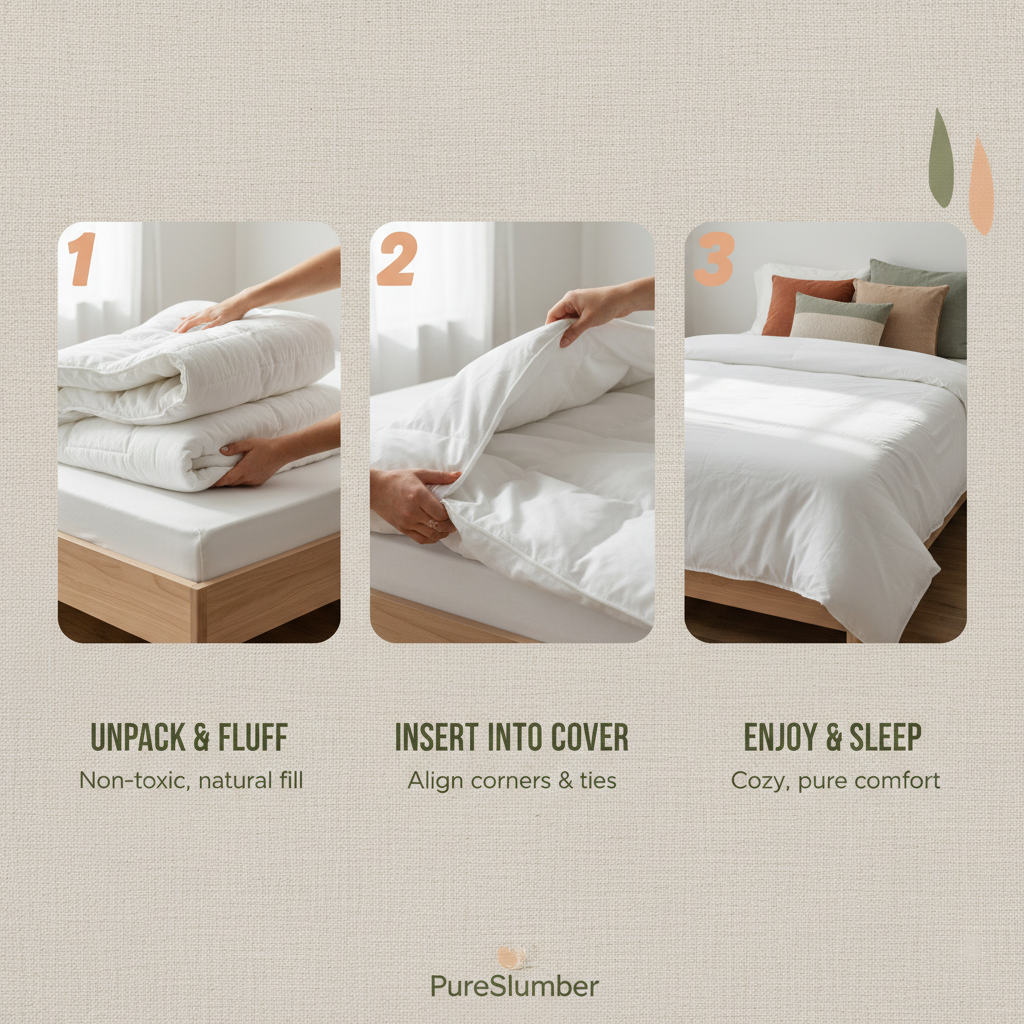
Creating a healthy sleep sanctuary begins with the materials that touch your skin for eight hours every night. A non toxic duvet insert is more than just a bedding accessory; it is an investment in your long-term respiratory health and overall sleep quality. Many conventional comforters are treated with flame retardants, formaldehyde, or synthetic dyes that can trigger allergies and disrupt endocrine functions. By switching to non-toxic alternatives, you ensure a breathable, hypoallergenic environment that promotes deeper REM sleep. In this guide, we will explore the best materials and certifications to look for when upgrading your bedroom.
Why You Need a Non Toxic Duvet Insert
Standard bedding often contains "hidden" chemicals known as Volatile Organic Compounds (VOCs). These chemicals can off-gas into your bedroom, leading to morning headaches, skin irritation, or congestion. A non toxic duvet insert eliminates these risks by using organic fibers and natural finishes. Pure materials like organic cotton, wool, and silk allow your skin to breathe and regulate temperature naturally, preventing the "sweaty" feeling associated with polyester fills. When you remove toxic additives, you create a cleaner air environment, which is especially critical for children, asthma sufferers, and those with sensitive skin.
Health Impact: Choosing non-toxic bedding reduces the chemical load on your body, lowering the risk of contact dermatitis and improving the quality of your respiratory health during the night.
Comparing Non Toxic Materials for Your Duvet
Not all non-toxic fills are created equal. Depending on your climate and sleep preference, you may prefer the loft of organic down or the temperature-regulating properties of wool. The key is to ensure the non toxic duvet insert is certified by reputable organizations like GOTS (Global Organic Textile Standard) or OEKO-TEX. These certifications guarantee that no harmful substances were used during the manufacturing process, from the field to the factory.
How to Identify a Truly Non Toxic Duvet Insert
When shopping for a non toxic duvet insert, don't rely solely on marketing terms like "natural" or "eco-friendly," which are often unregulated. Instead, look for third-party certifications. GOTS certification ensures the organic status of textiles from harvesting through environmentally and socially responsible manufacturing. OEKO-TEX Standard 100 certifies that every component of the product, including threads and buttons, has been tested for harmful substances. Additionally, check for "PFAS-free" labels to ensure the duvet isn't coated in forever chemicals used for water or stain resistance.
Maintenance Tips for Your Non Toxic Bedding
To maintain the integrity of your non toxic duvet insert, avoid using conventional laundry detergents that contain synthetic fragrances and optical brighteners. These chemicals can build up in the organic fibers, effectively making your non-toxic investment "toxic" again. We recommend using fragrance-free, plant-based detergents and avoiding fabric softeners. For wool or down inserts, professional organic cleaning or spot cleaning is often best to preserve the loft and natural oils of the fibers.
Care Checklist:
• Use GOTS-certified organic detergents
• Air out the duvet daily to remove moisture
• Avoid high-heat drying to prevent fiber shrinkage
• Use a 100% organic cotton duvet cover
Product Specifications for Premium Non Toxic Inserts
When sourcing high-quality bedding, technical specifications matter. A premium non toxic duvet insert should balance weight (GSM) with breathability. For example, a higher GSM (Grams per Square Meter) provides more warmth but less airflow. Ensuring the shell is a high-thread-count organic cotton prevents the fill from leaking while maintaining a soft, hypoallergenic touch against the skin.
Conclusion: Better Sleep through Non-Toxic Living
Switching to a non toxic duvet insert is a simple yet powerful change that impacts your daily well-being. By prioritizing organic materials and verified certifications, you eliminate hidden chemicals and embrace a natural way of sleeping. Whether you prefer the warmth of organic down or the breathability of cotton, investing in a toxin-free bedroom is an act of self-care that pays dividends in energy and health. Explore the world of sustainable textiles and wake up feeling truly refreshed.
Frequently Asked Questions (FAQs)
What makes a duvet "non-toxic"?
A duvet is considered non-toxic when it is free from harmful synthetic chemicals, such as flame retardants, PFAS (per- and polyfluoroalkyl substances), formaldehyde, and toxic dyes. This typically means the filling is made from organic fibers (like organic cotton or wool) and the outer shell is untreated or treated only with natural, safe alternatives. Non-toxic duvets are designed to prevent off-gassing and skin irritation, making them safer for the endocrine system and respiratory health. Look for certifications like GOTS or OEKO-TEX to verify these claims.
Are non-toxic duvets better for allergies?
Yes, absolutely. Conventional duvets often use synthetic polyester fills that can trap heat and moisture, creating a breeding ground for dust mites. Furthermore, the chemical finishes used in mass-market bedding can trigger allergic reactions in sensitive individuals. A non toxic duvet insert made from natural fibers like wool is naturally hypoallergenic and moisture-wicking, which significantly reduces the presence of allergens and provides a cleaner sleeping surface.
Can I use a non-toxic duvet in both summer and winter?
It depends on the material. Organic wool and silk are excellent for year-round use because they are thermoregulating—meaning they keep you warm in the winter and cool in the summer. For those in extreme climates, we recommend a layered approach: a lightweight organic cotton insert for summer and a heavier organic down insert for winter. Because non-toxic materials are more breathable than synthetic ones, you are less likely to overheat during the transitional seasons.
How do I know if my current duvet is toxic?
While it is difficult to "see" toxins, there are a few red flags. If your duvet has a strong "chemical smell" when first opened, it is likely off-gassing VOCs. If the label lists "polyester," "microfiber," or mentions "wrinkle-free" or "stain-resistant" treatments without specifying organic certifications, it likely contains synthetic chemicals. The safest way to be sure is to check for GOTS or OEKO-TEX labels; if the manufacturer cannot provide certification for the materials used, it is safer to assume it is not a fully non-toxic product.
Latest news
-
How to Choose and Maintain an Extra Fluffy Duvet Insert for SleepNewsApr.16, 2026
-
Choosing the Perfect Fluffy Down Alternative Comforter for a Restful Nights SleepNewsApr.07, 2026
-
Choosing the Best Hypoallergenic Duvet Insert for a Comfortable and Healthy SleepNewsApr.04, 2026
-
Choosing the Perfect Light Duvet Insert for a Restful Nights SleepNewsMar.31, 2026
-
Discover the Benefits of an Organic Down Alternative Comforter for Better SleepNewsMar.28, 2026
-
Discover the Perfect Thin Duvet Insert for a Restful Nights SleepNewsMar.26, 2026
-
Discover the Benefits of a Weighted Duvet Insert for Enhanced Sleep QualityNewsMar.24, 2026
 Afrikaans
 Albanian
 Amharic
 Arabic
 Armenian
 Azerbaijani
 Basque
 Belarusian
 Bengali
 Bosnian
 Bulgarian
 Catalan
 Cebuano
 China
China
 Corsican
 Croatian
 Czech
Czech
 Danish
 Dutch
Dutch
 Esperanto
 Estonian
 Finnish
 French
 Frisian
 Galician
 Georgian
 German
 Greek
Greek
 Gujarati
 Haitian Creole
 Hausa
Hausa
 Hawaiian
 Hebrew
 Hindi
Hindi
 Miao
Miao
 Hungarian
 Icelandic
 Igbo
Igbo
 Indonesian
 Irish
Irish
 Italian
 Japanese
 Javanese
 Kannada
 Kazakh
 Khmer
Khmer
 Rwandese
 Korean
 Kurdish
 Kyrgyz
 Lao
Lao
 Latin
Latin
 Latvian
 Lithuanian
 Luxembourgish
 Macedonian
 Malgashi
 Malay
Malay
 Malayalam
 Maltese
 Maori
Maori
 Marathi
 Mongolian
 Myanmar
 Nepali
 Norwegian
 Norwegian
 Occitan
 Pashto
 Persian
 Polish
 Portuguese
 Punjabi
 Romanian
 Russian
 Samoan
 Scottish Gaelic
 Serbian
 Sesotho
 Shona
Shona
 Sindhi
 Sinhala
 Slovak
 Slovenian
 Somali
 Spanish
 Sundanese
 Swahili
 Swedish
 Tagalog
 Tajik
Tajik
 Tamil
Tamil
 Tatar
Tatar
 Telugu
 Thai
Thai
 Turkish
 Turkmen
 Ukrainian
 Urdu
Urdu
 Uighur
 Uzbek
Uzbek
 Vietnamese
 Welsh
Welsh
 Bantu
Bantu
 Yiddish
 Yoruba
 Zulu
Zulu
 English