Look, I've spent the last fifteen years knee-deep in dust and concrete, watching things get built – and sometimes, watching them fall apart. And I can tell you, when it comes to keeping things comfortable and protected on site, a good quilt cover isn't just about aesthetics; it’s about practicality, durability, and frankly, morale. It’s a small thing that makes a big difference for the crews living and recovering in site accommodation.
It's easy to overlook the bedding when you're focusing on rebar and foundations, but a quality cover is critical for hygiene and longevity of the entire bedding system. Cheap covers rip, get stained instantly, and become a breeding ground for…well, you don't want to know. I’ve seen firsthand the cost of cutting corners here, both in replacing bedding and in potential health issues.
We're talking about a fundamental need for a good night’s sleep for people doing physically demanding work. That impacts safety and productivity more than you'd think.
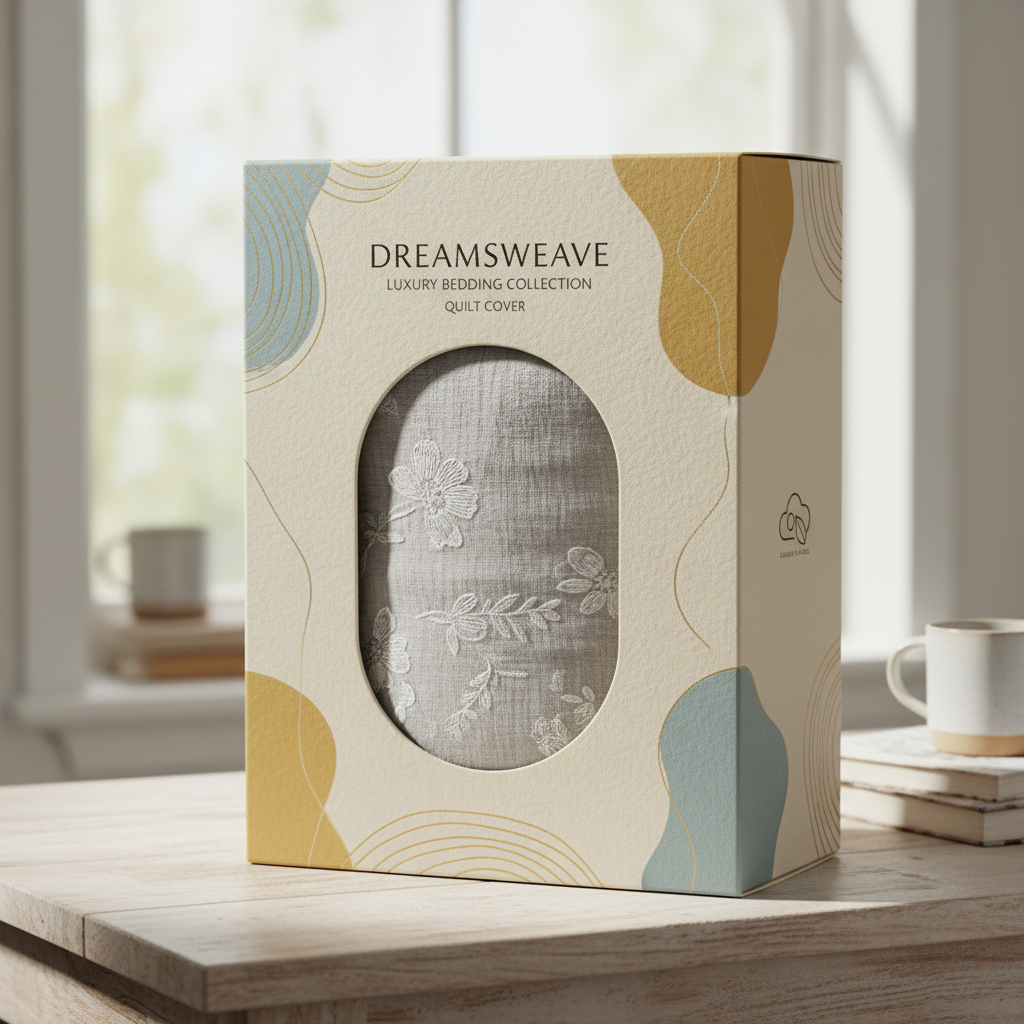
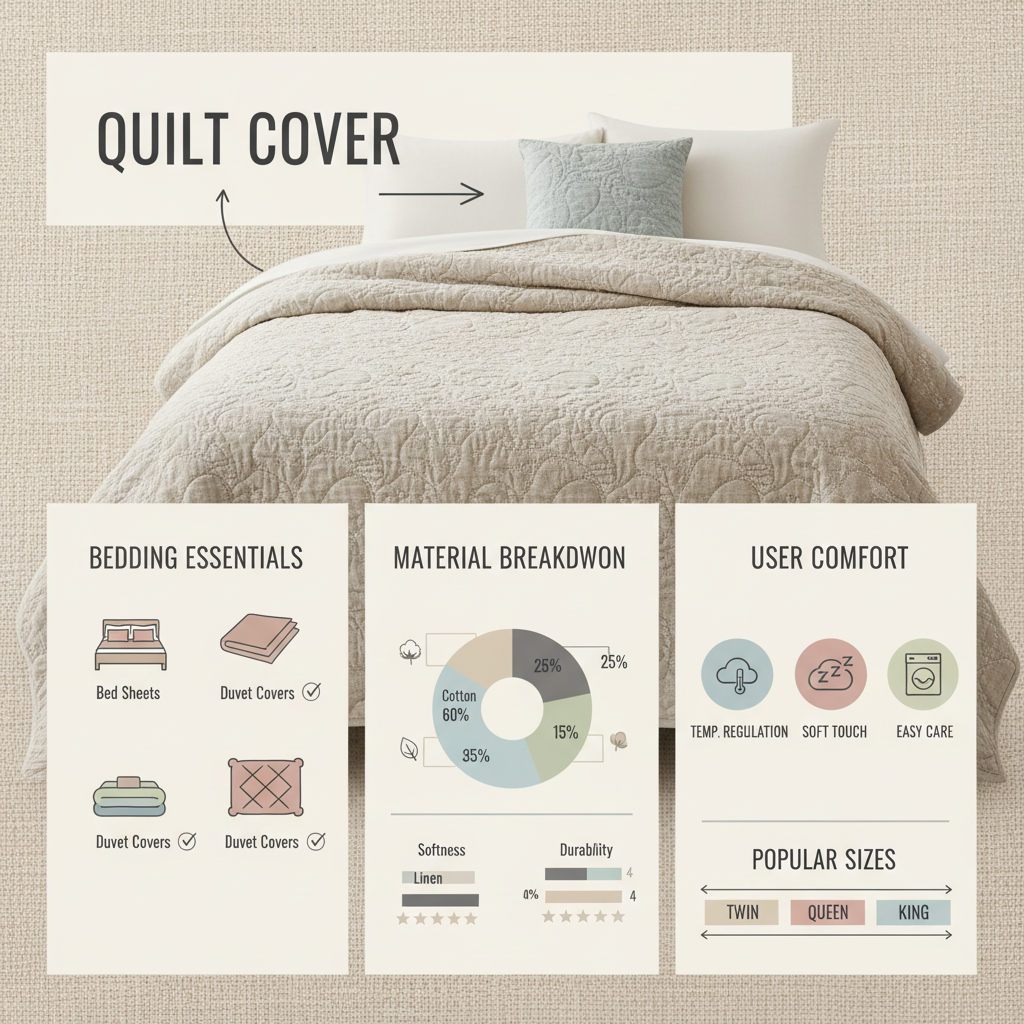
I've seen bedding that falls apart after a few washes, and bedding that holds up to years of abuse. The difference? Material and construction. On a construction site, or in a remote camp, we're not dealing with a guest bedroom. We're dealing with real people, real sweat, and real grime. You need a quilt cover that can handle it.
Think about it: constant washing, rough handling, potential for tears and stains. If you're constantly replacing bedding, you're not saving money. You're throwing it away.
Don't get hung up on super high thread counts. Above 200-250, you're often paying for marketing. Focus on the quality of the yarn and the weave. A tighter weave with durable fibers is more important than a number on a label. You want a cover that can withstand repeated washing and heavy use, and that’s driven by fabric construction more than thread count.
That depends on usage and quality, but with a good quality cover made from durable materials, you should be able to get at least a year, and potentially two, of heavy use. Regularly inspect for tears, stains, and signs of wear. Early replacement is better than letting a damaged cover become a hygiene issue.
They can be, especially in communal living situations. Antimicrobial finishes can help prevent the spread of bacteria and reduce odors. However, make sure the finish is durable and won't wash out after a few washes. Also, look for certifications to ensure the antimicrobial treatment is safe and effective.
Industrial washing is best. Use a high-temperature wash cycle with a good quality detergent. Avoid bleach, as it can damage the fibers. Make sure the covers are thoroughly dried before being re-used. Properly laundered bedding is key to maintaining hygiene.
More important than you might think! Darker colors hide stains better, which is a major plus on a construction site. Consider colors that won’t show dirt easily. Also, avoid anything too flashy – you want something practical and professional-looking.
While you can, a heavy-duty detergent designed for industrial laundry is preferable. It will better remove grease, grime, and other stubborn stains that are common in remote work environments. It may also contain enzymes that break down proteins and other organic matter, enhancing cleaning power.
So, there you have it. A quilt cover might seem like a small detail, but it’s a critical component of a comfortable, healthy, and productive work environment, especially in demanding industries like construction and remote operations. It's about investing in quality, prioritizing hygiene, and recognizing that worker well-being directly impacts the bottom line.
Don’t skimp on bedding. Do your research, choose wisely, and you’ll save money, headaches, and potentially even lives in the long run. And if you’re looking for a reliable supplier who understands the demands of the field, you know where to find me.

 Afrikaans
 Albanian
 Amharic
 Arabic
 Armenian
 Azerbaijani
 Basque
 Belarusian
 Bengali
 Bosnian
 Bulgarian
 Catalan
 Cebuano
 China
China
 Corsican
 Croatian
 Czech
Czech
 Danish
 Dutch
Dutch
 Esperanto
 Estonian
 Finnish
 French
 Frisian
 Galician
 Georgian
 German
 Greek
Greek
 Gujarati
 Haitian Creole
 Hausa
Hausa
 Hawaiian
 Hebrew
 Hindi
Hindi
 Miao
Miao
 Hungarian
 Icelandic
 Igbo
Igbo
 Indonesian
 Irish
Irish
 Italian
 Japanese
 Javanese
 Kannada
 Kazakh
 Khmer
Khmer
 Rwandese
 Korean
 Kurdish
 Kyrgyz
 Lao
Lao
 Latin
Latin
 Latvian
 Lithuanian
 Luxembourgish
 Macedonian
 Malgashi
 Malay
Malay
 Malayalam
 Maltese
 Maori
Maori
 Marathi
 Mongolian
 Myanmar
 Nepali
 Norwegian
 Norwegian
 Occitan
 Pashto
 Persian
 Polish
 Portuguese
 Punjabi
 Romanian
 Russian
 Samoan
 Scottish Gaelic
 Serbian
 Sesotho
 Shona
Shona
 Sindhi
 Sinhala
 Slovak
 Slovenian
 Somali
 Spanish
 Sundanese
 Swahili
 Swedish
 Tagalog
 Tajik
Tajik
 Tamil
Tamil
 Tatar
Tatar
 Telugu
 Thai
Thai
 Turkish
 Turkmen
 Ukrainian
 Urdu
Urdu
 Uighur
 Uzbek
Uzbek
 Vietnamese
 Welsh
Welsh
 Bantu
Bantu
 Yiddish
 Yoruba
 Zulu
Zulu
 English