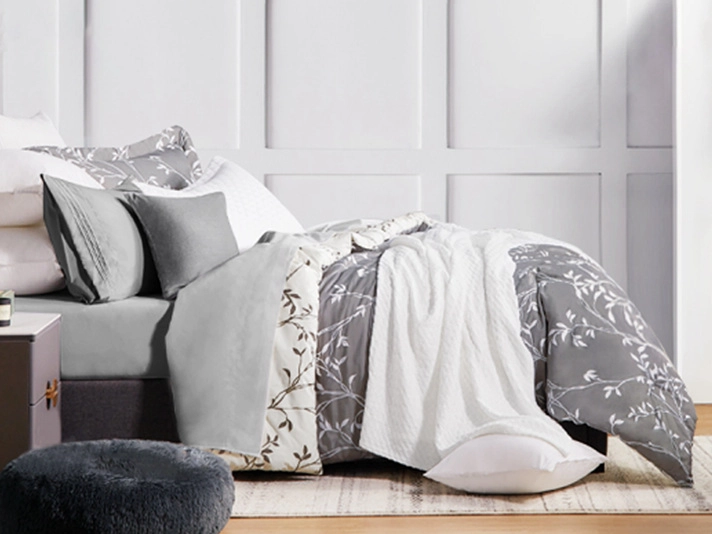
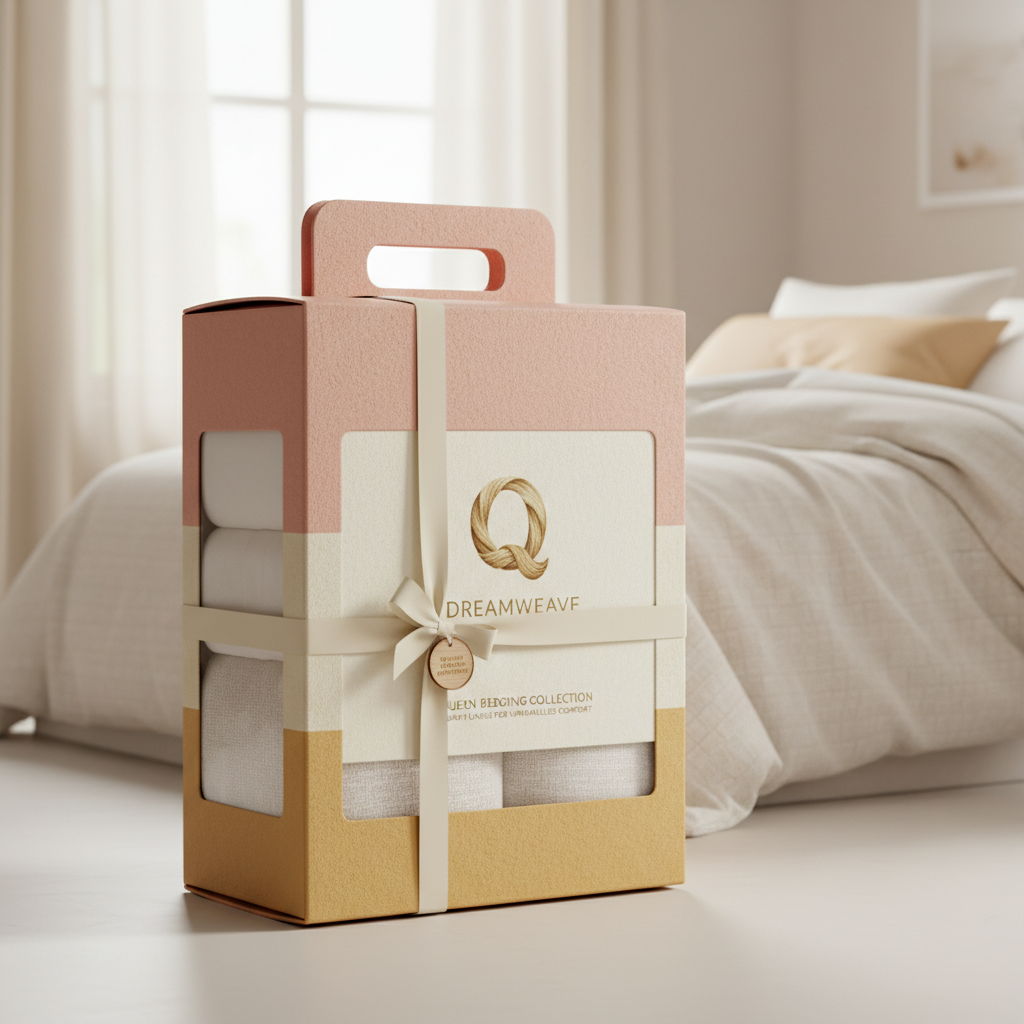
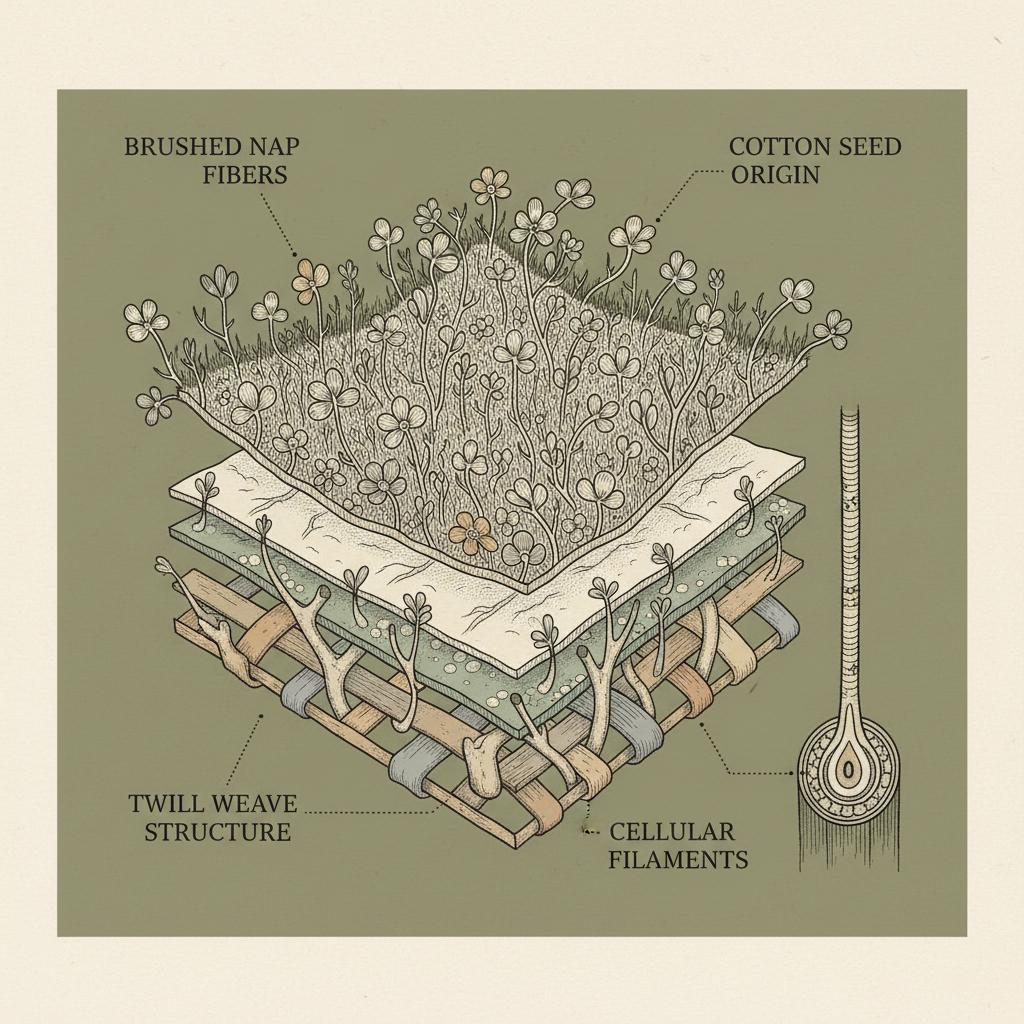
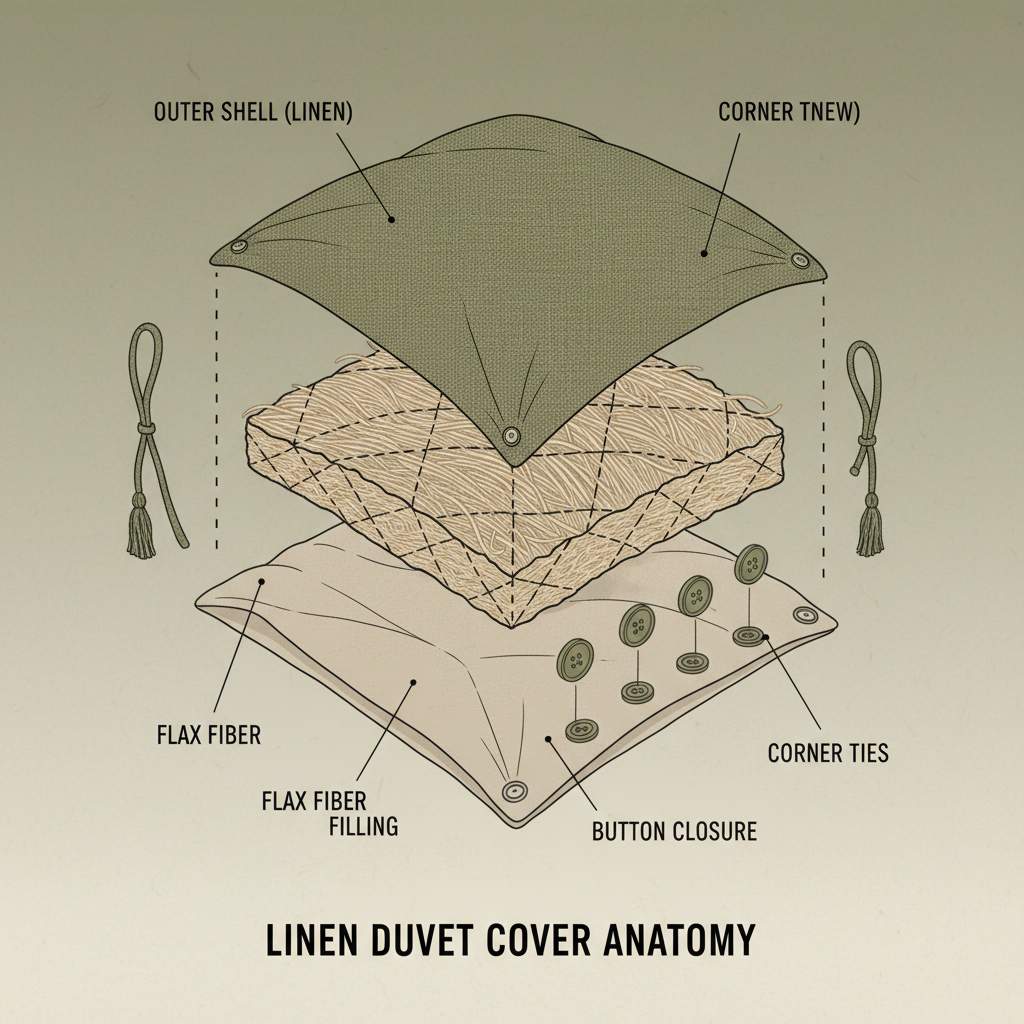
Linen bedding. You know, it’s funny. For years, everyone was obsessed with Egyptian cotton – “long staple,” “thread count,” the whole shebang. But honestly, being on site, you start to see things differently. It’s not always about the fanciest stuff, it’s about what works. And lately, linen's been having a moment. Not just in fancy hotels, either. I’ve seen it creeping into more and more projects, and for good reason. It’s a bit of a throwback, I guess, but a durable throwback.
People are realizing comfort and practicality don’t have to be mutually exclusive. We're all chasing sustainability these days too, and linen is… well, it's a plant. A pretty hardy plant, at that. You spend enough time in dusty factories, and you start appreciating things that come from the earth, not a petrochemical plant, you know? It’s been interesting watching it come back around.
To be honest, it’s not a revolutionary material. It's been around for centuries! But the renewed focus on natural fibers, coupled with some modern weaving techniques…it’s just a good fit for what a lot of people are looking for these days. It breathes, it softens with age, and it doesn't feel like you're suffocating under a pile of starched cotton. And that, believe me, makes a difference.
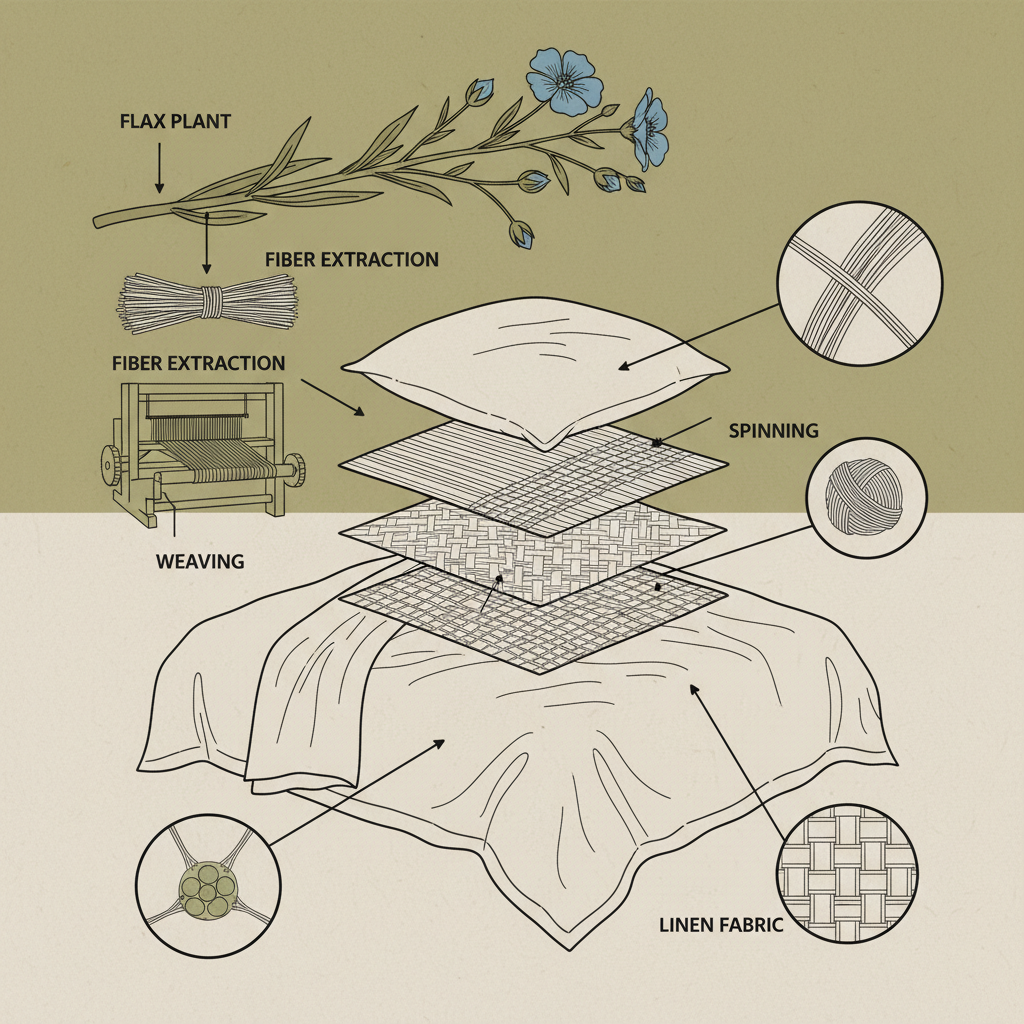
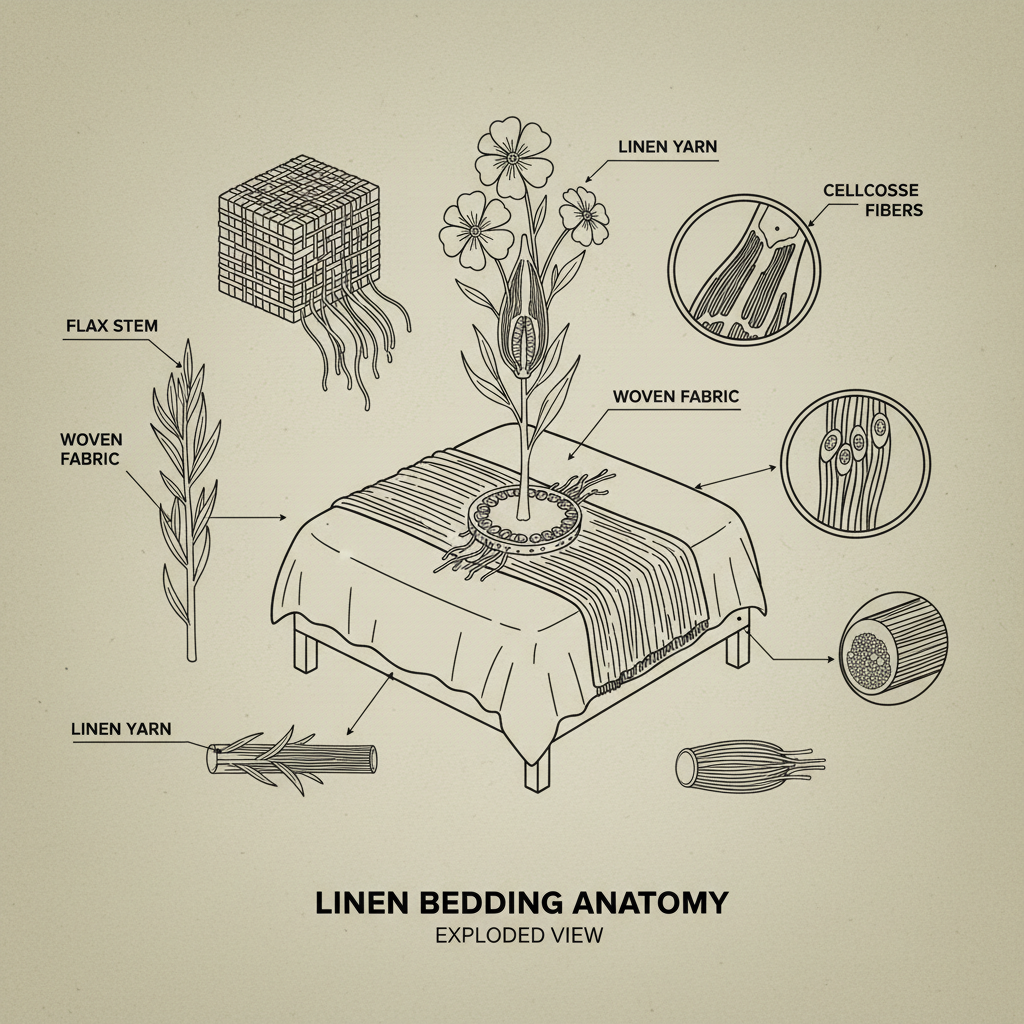
Have you noticed how everything seems to be going “back to nature” these days? It’s the same with bedding. People are tired of synthetic materials, of things that feel…artificial. Linen just feels good. It’s got a weight to it, a texture. And the more you wash it, the softer it gets. It’s not like cotton that loses its shape after a few washes; linen actually improves with age.
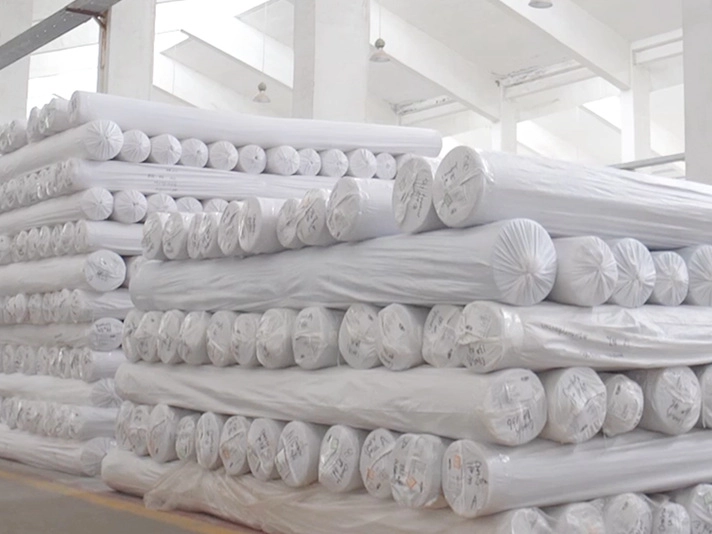
I encountered this at a textile factory in Nantong last time; they were overwhelmed with orders for linen. They were struggling to find enough flax to meet demand. They said the demand started picking up two years ago and hasn't stopped. Seems everyone’s looking for something a little more authentic.
Honestly, you can't completely prevent it. That's part of the charm! But you can minimize wrinkles by removing it from the dryer while it's still slightly damp and smoothing it out. Or, just embrace the wrinkles—they add to the relaxed look. Don't iron it unless you really want to. Seriously, ironing linen is a waste of time.
Yes, generally. Linen is naturally hypoallergenic, meaning it's less likely to cause allergic reactions. It's also breathable, which helps regulate temperature and reduce moisture buildup – a breeding ground for dust mites. It's a good option for people with sensitive skin or allergies, but as always, individual reactions can vary.
Wash linen bedding in cool or lukewarm water on a gentle cycle. Use a mild detergent, and avoid bleach. You can tumble dry it on low heat, but be sure to remove it promptly to prevent wrinkles. Line drying is always a good option. And don’t overstuff the washing machine—linen needs room to breathe.
Generally, yes. Linen is more expensive than cotton due to the more complex process of extracting fibers from the flax plant. However, its durability means it often lasts longer than cotton, making it a worthwhile investment in the long run. Think of it as buying quality over quantity, really.
Linen can shrink slightly after the first wash, typically around 3-5%. Pre-washed linen is less prone to shrinkage. To minimize shrinkage, wash it in cool water on a gentle cycle and avoid high heat in the dryer. A little shrinkage is normal and won't significantly affect the fit, though.
Flax is the plant from which linen fiber is made. Linen is the fabric created from those fibers. So, flax is the raw material, and linen is the finished product. They're often used interchangeably, but it's good to know the distinction.
Ultimately, linen bedding is more than just a trend; it’s a return to simpler, more sustainable materials. It offers a unique combination of comfort, durability, and style that appeals to a growing number of people. It's not always the easiest option, and it’s certainly not the cheapest, but the benefits are undeniable.
At the end of the day, whether this thing works or not, the worker will know the moment he tightens the screw. You can talk about thread counts and weave patterns all day long, but if it doesn't feel good and doesn’t last, it doesn't matter. And that’s the truth, plain and simple. If you’re looking for bedding that’s going to stand the test of time, and feel good while doing it, give linen a try. See our linen bedding collection today!

 Afrikaans
 Albanian
 Amharic
 Arabic
 Armenian
 Azerbaijani
 Basque
 Belarusian
 Bengali
 Bosnian
 Bulgarian
 Catalan
 Cebuano
 China
China
 Corsican
 Croatian
 Czech
Czech
 Danish
 Dutch
Dutch
 Esperanto
 Estonian
 Finnish
 French
 Frisian
 Galician
 Georgian
 German
 Greek
Greek
 Gujarati
 Haitian Creole
 Hausa
Hausa
 Hawaiian
 Hebrew
 Hindi
Hindi
 Miao
Miao
 Hungarian
 Icelandic
 Igbo
Igbo
 Indonesian
 Irish
Irish
 Italian
 Japanese
 Javanese
 Kannada
 Kazakh
 Khmer
Khmer
 Rwandese
 Korean
 Kurdish
 Kyrgyz
 Lao
Lao
 Latin
Latin
 Latvian
 Lithuanian
 Luxembourgish
 Macedonian
 Malgashi
 Malay
Malay
 Malayalam
 Maltese
 Maori
Maori
 Marathi
 Mongolian
 Myanmar
 Nepali
 Norwegian
 Norwegian
 Occitan
 Pashto
 Persian
 Polish
 Portuguese
 Punjabi
 Romanian
 Russian
 Samoan
 Scottish Gaelic
 Serbian
 Sesotho
 Shona
Shona
 Sindhi
 Sinhala
 Slovak
 Slovenian
 Somali
 Spanish
 Sundanese
 Swahili
 Swedish
 Tagalog
 Tajik
Tajik
 Tamil
Tamil
 Tatar
Tatar
 Telugu
 Thai
Thai
 Turkish
 Turkmen
 Ukrainian
 Urdu
Urdu
 Uighur
 Uzbek
Uzbek
 Vietnamese
 Welsh
Welsh
 Bantu
Bantu
 Yiddish
 Yoruba
 Zulu
Zulu
 English