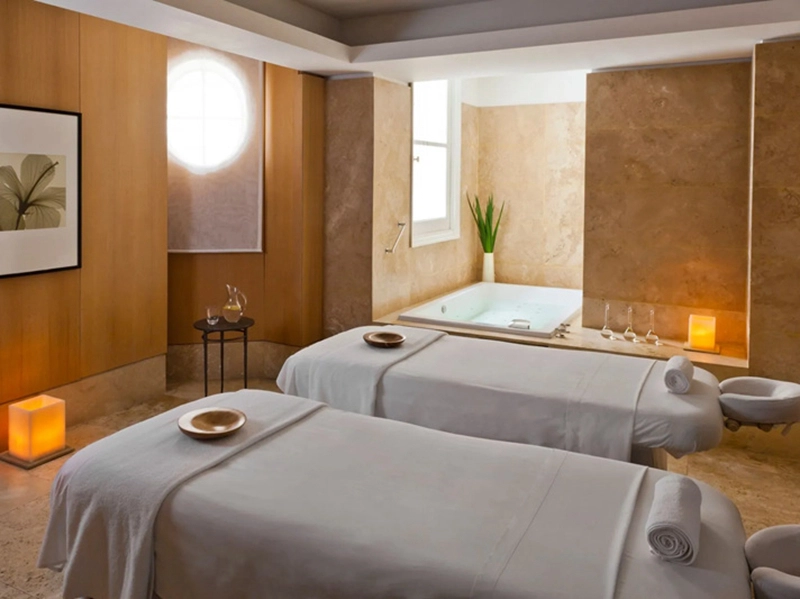
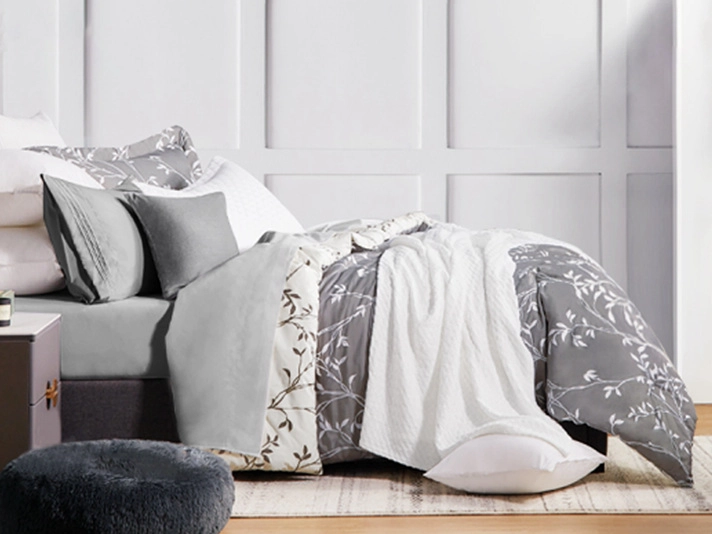
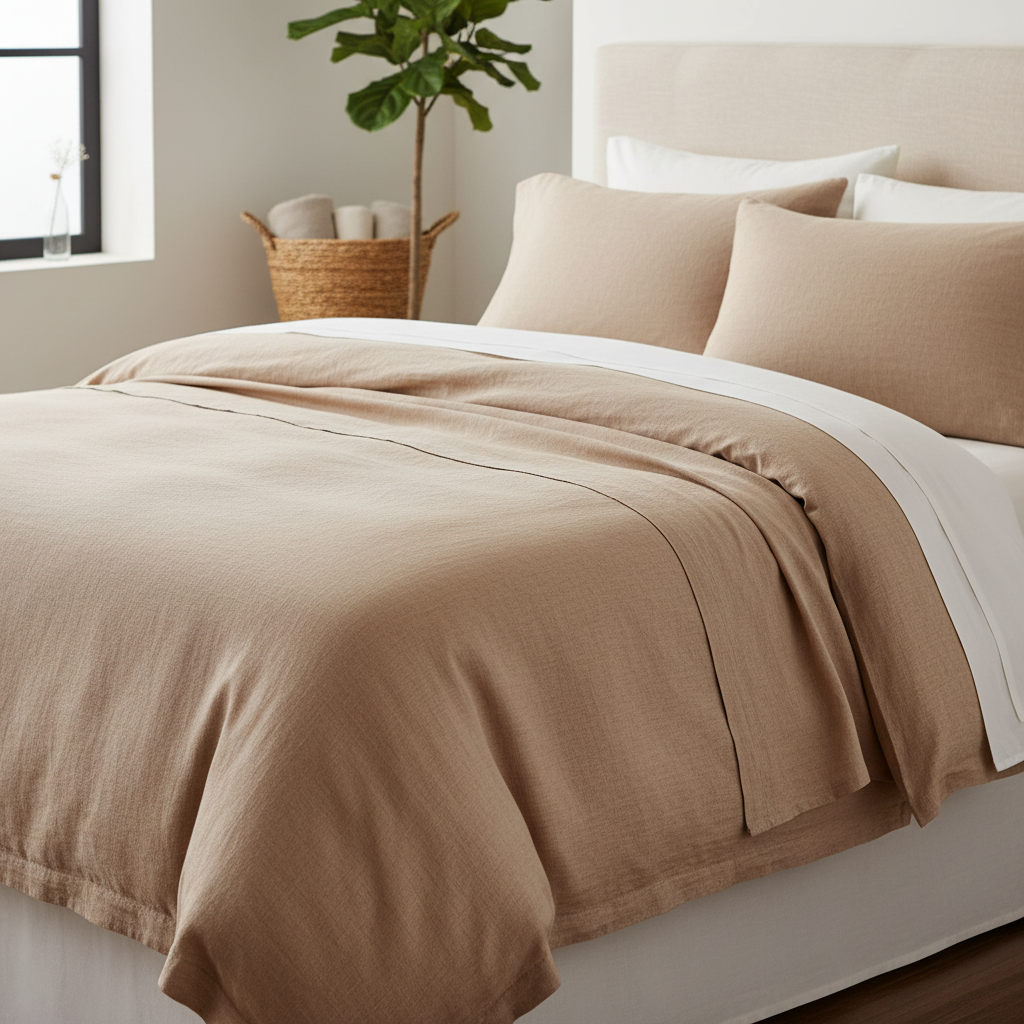
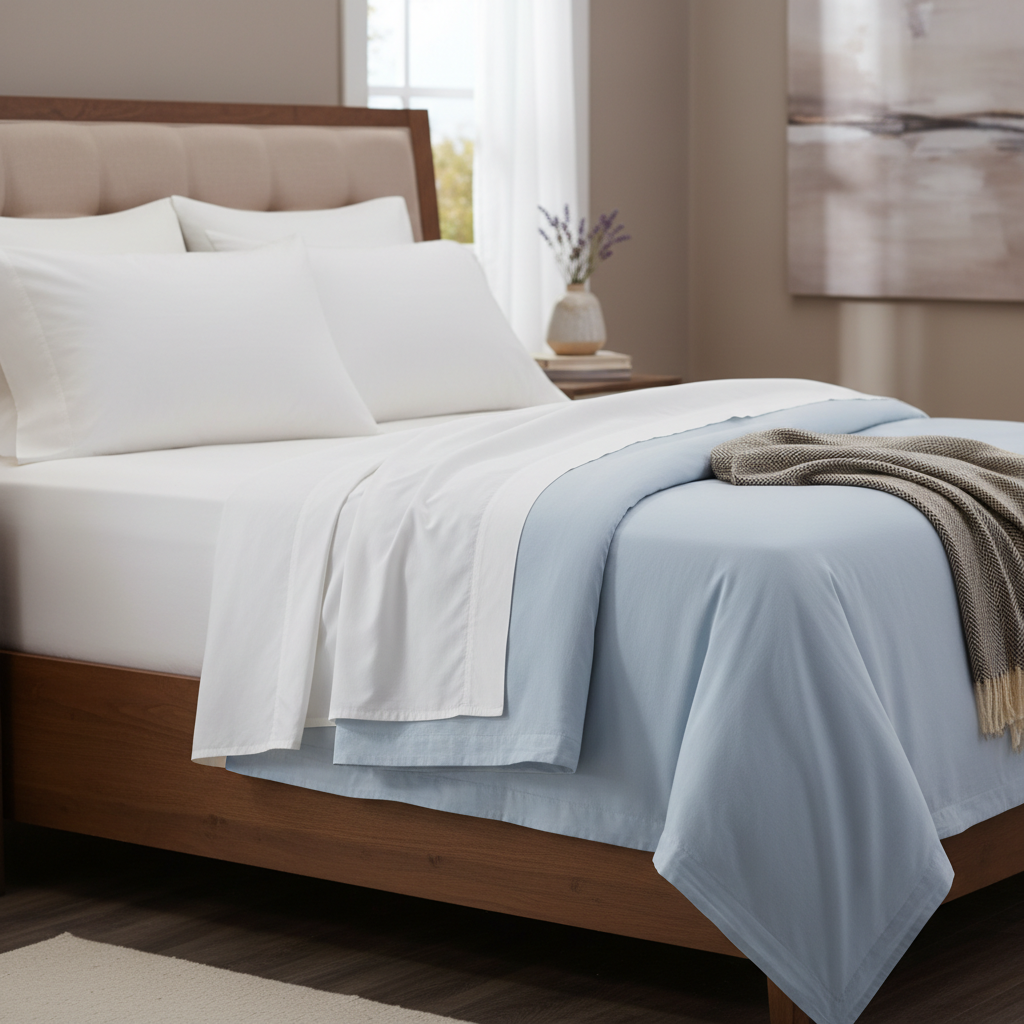
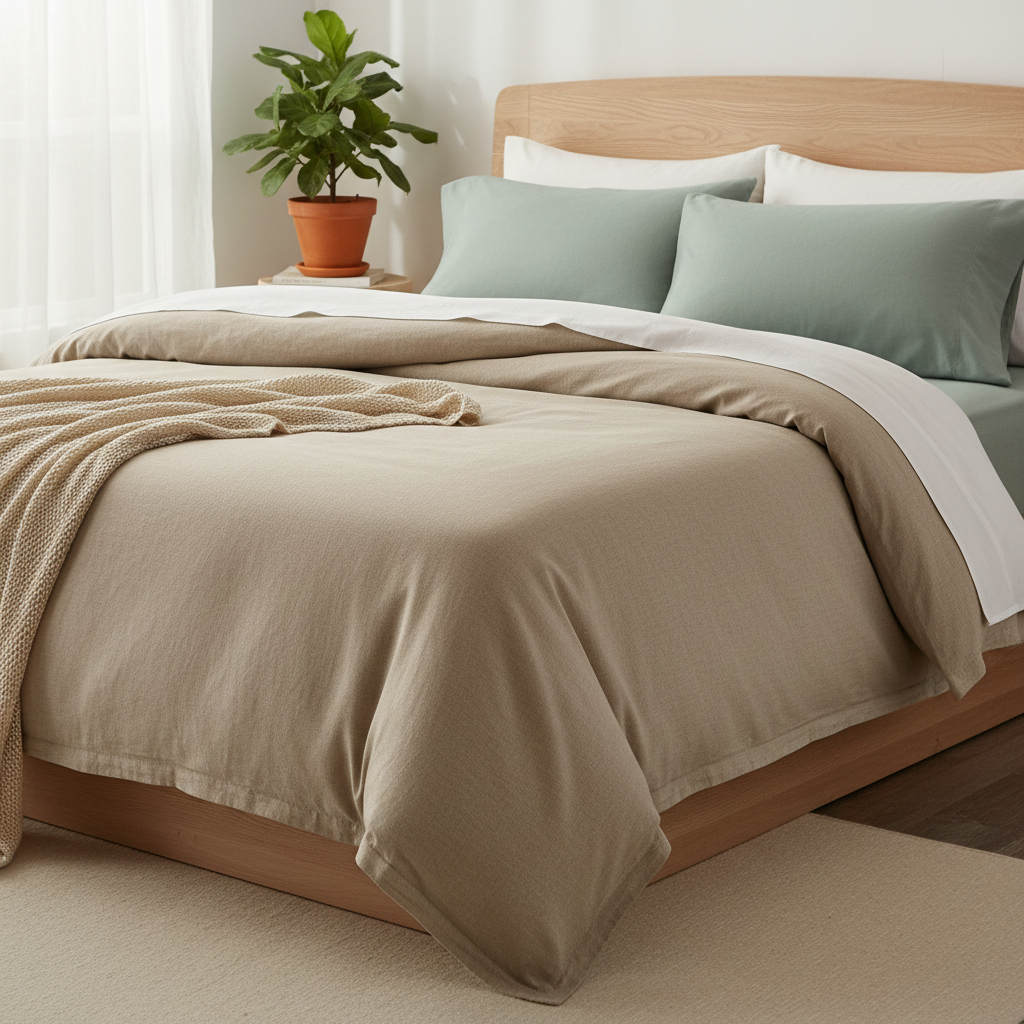
Look, I've been running around construction sites for twenty years. You see a lot, smell a lot… mostly dust, honestly. But lately, there's been a real push for these high-performance flannel sheets. Everyone wants the softest, warmest, most durable thing, right? It’s not just homes anymore, it’s hotels, hospitals... even some folks are using them in tiny homes. To be honest, it’s a bit of a gold rush.
Have you noticed how everything is “premium” now? It's exhausting. But, yeah, good flannel sheets, real flannel sheets, are in demand. I remember when flannel was just for grandpa’s pajamas. Now, it's a statement. A comfort statement.
And it's not just about comfort, it's about what’s underneath that comfort, if you catch my drift. Durability, breathability, the whole shebang. People think “soft” means “weak,” but that’s where they're wrong. The good stuff holds up.
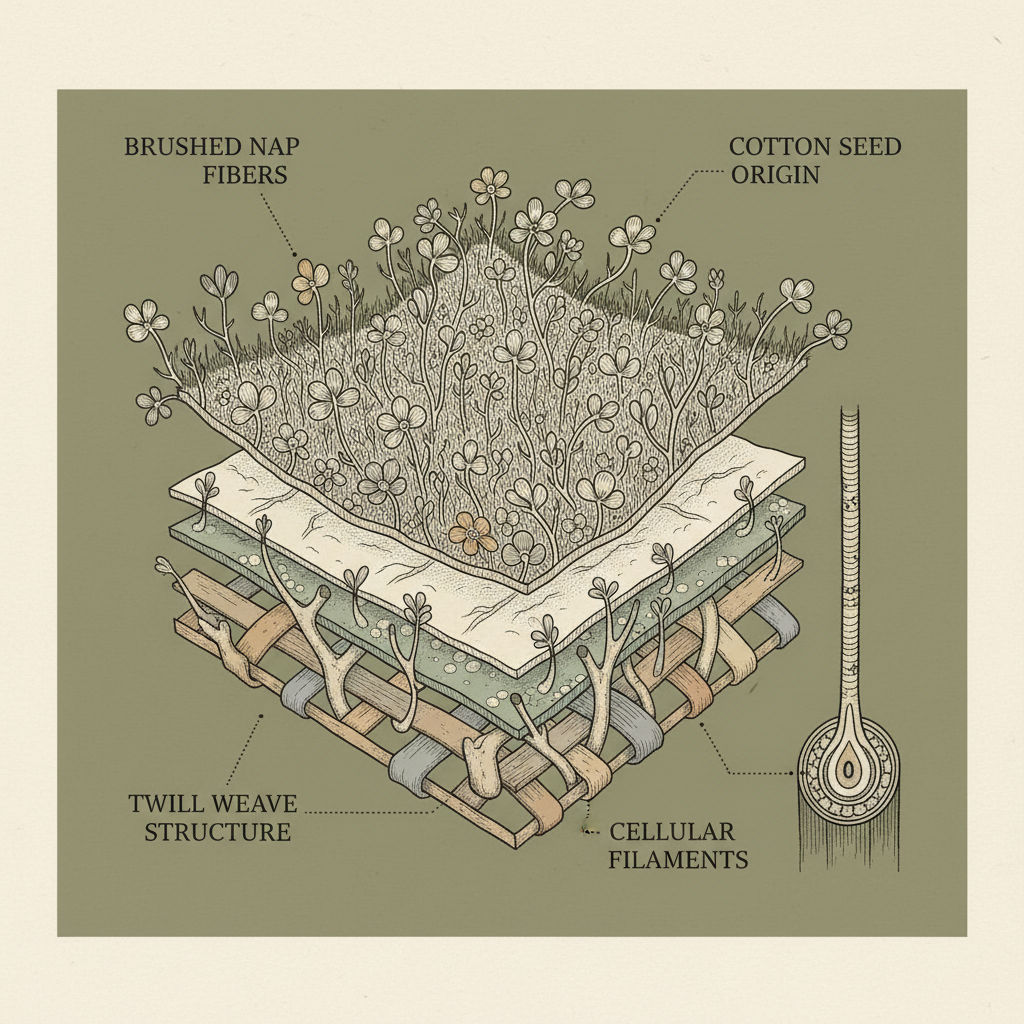
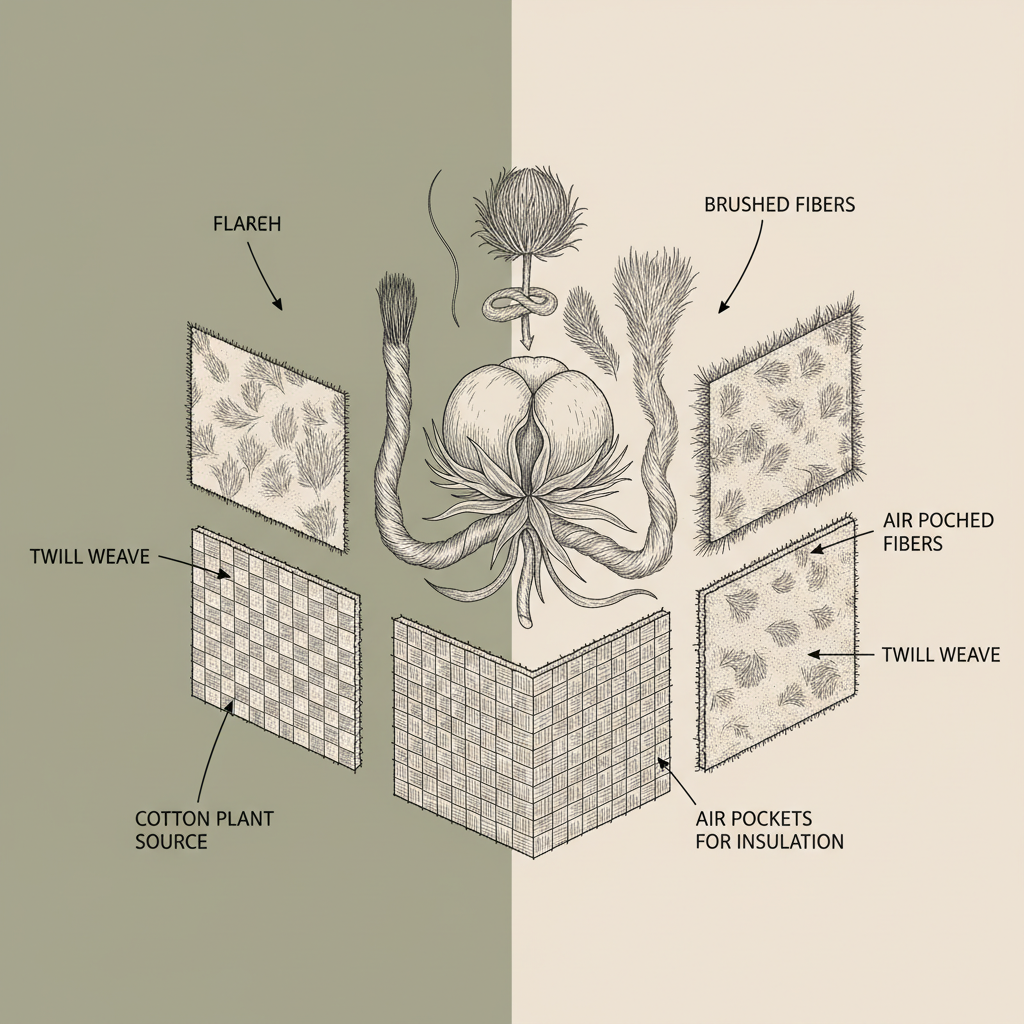
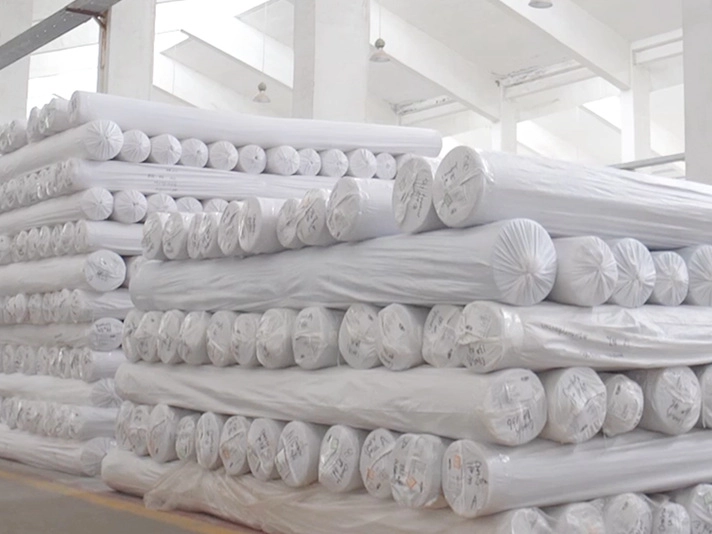
Strangely enough, the biggest trend right now isn’t just softness, it’s sustainability. Everyone wants to know where the cotton comes from, how it's processed. Organic, recycled… the whole nine yards. It adds cost, of course, but people are willing to pay for it. I encountered this at a textile factory in India last time - they were showing off their rainwater harvesting system, purely for marketing, I reckon, but hey, it gets people talking.
And it's exploding into different niches too. Baby flannel sheets, pet flannel sheets… seriously. People want to wrap everything in cozy. There’s even talk of using flannel in medical settings, for sensitive skin. It's a long way off, but the research is happening.
Honestly, gentle washing is key. Cold water, mild detergent, and turning them inside out before washing helps a ton. Avoid harsh chemicals and fabric softeners. And don’t over-dry them! A little dampness left is better than baking them in the dryer. Pilling's inevitable, but you can slow it down.
Generally, yes. Cotton flannel is naturally hypoallergenic. But it depends on the individual. If you're allergic to dust mites, washing them frequently in hot water can help. Organic flannel is even better, as it avoids the chemicals used in conventional cotton farming. Just be sure to check the label for any added finishes.
Fleece is warmer, hands down. But it doesn't breathe as well as flannel. Flannel has that natural cotton breathability, which keeps you warm without overheating. Fleece can also be prone to static cling, which… well, nobody likes that. So it depends on your preference - ultimate warmth or comfortable warmth.
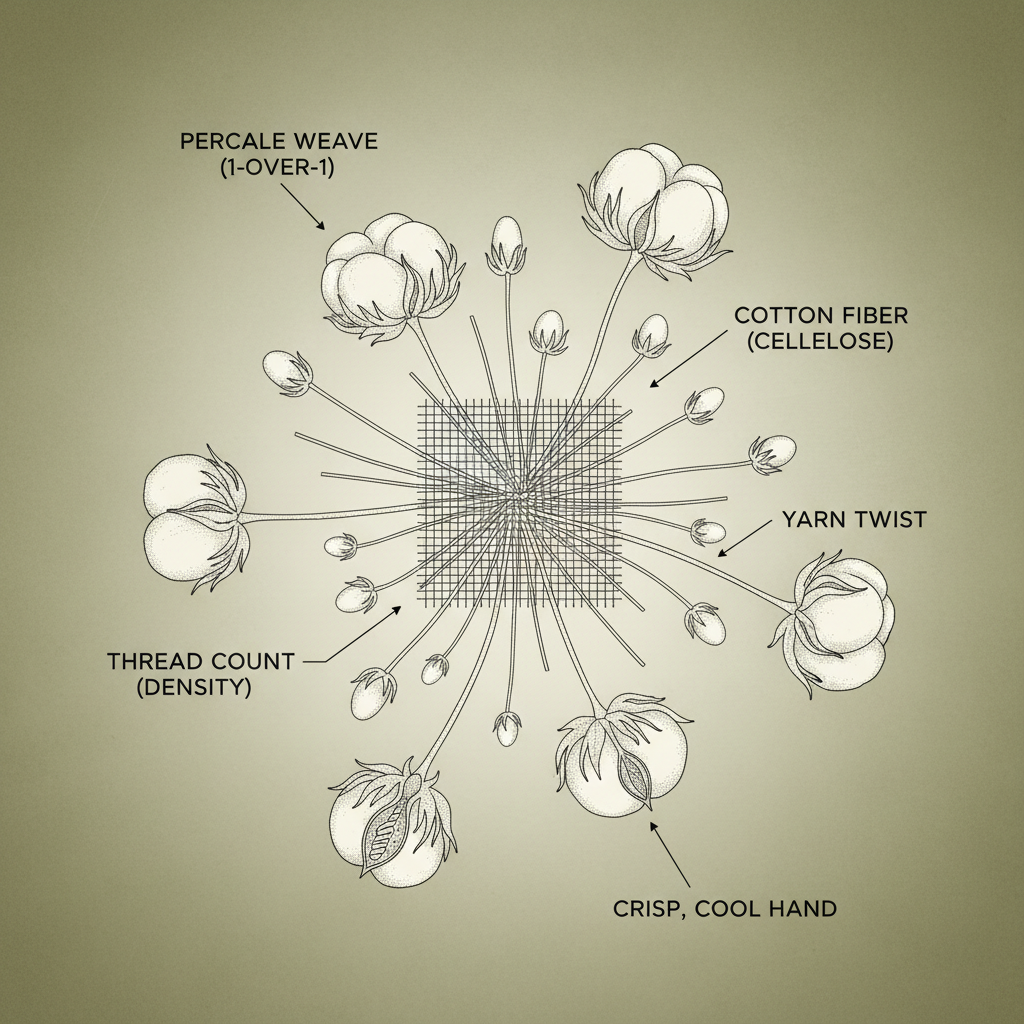
Don’t get hung up on thread count! Between 180 and 250 is a good range. Anything higher doesn’t necessarily mean better quality. Focus on the type of cotton and the brushing process instead. A well-brushed 180 thread count flannel can feel softer than a poorly brushed 300 thread count one. Trust your hands, not the label.
You can iron them, but honestly, it’s a waste of time. They’re supposed to be a little wrinkly! That’s part of the charm. If you absolutely must, use a low heat setting and iron them while they're still slightly damp. But I'd recommend embracing the wrinkles. Life's too short to iron flannel sheets.
Sustainability depends. Look for organic cotton flannel, which is grown without harmful pesticides. Recycled cotton is another good option. And check where the sheets are made. Locally made sheets have a smaller carbon footprint. It adds to the cost, but it’s worth it if you care about the environment.
Ultimately, flannel sheets are about more than just warmth and softness. They're about comfort, quality, and a little bit of luxury. They've evolved from grandpa's pajamas to a staple in homes and hotels worldwide, and that's a testament to their enduring appeal. It’s about finding the right balance between material, design, and care to get the most out of them.
Look, all the fancy marketing and lab tests in the world don't matter. Whether a set of sheets is any good, whether they’ll hold up to years of use, whether someone will actually sleep soundly wrapped in them… the worker will know the moment he tightens the screw on the last stitch. That's what I've learned in twenty years on these sites. That’s what counts.

 Afrikaans
 Albanian
 Amharic
 Arabic
 Armenian
 Azerbaijani
 Basque
 Belarusian
 Bengali
 Bosnian
 Bulgarian
 Catalan
 Cebuano
 China
China
 Corsican
 Croatian
 Czech
Czech
 Danish
 Dutch
Dutch
 Esperanto
 Estonian
 Finnish
 French
 Frisian
 Galician
 Georgian
 German
 Greek
Greek
 Gujarati
 Haitian Creole
 Hausa
Hausa
 Hawaiian
 Hebrew
 Hindi
Hindi
 Miao
Miao
 Hungarian
 Icelandic
 Igbo
Igbo
 Indonesian
 Irish
Irish
 Italian
 Japanese
 Javanese
 Kannada
 Kazakh
 Khmer
Khmer
 Rwandese
 Korean
 Kurdish
 Kyrgyz
 Lao
Lao
 Latin
Latin
 Latvian
 Lithuanian
 Luxembourgish
 Macedonian
 Malgashi
 Malay
Malay
 Malayalam
 Maltese
 Maori
Maori
 Marathi
 Mongolian
 Myanmar
 Nepali
 Norwegian
 Norwegian
 Occitan
 Pashto
 Persian
 Polish
 Portuguese
 Punjabi
 Romanian
 Russian
 Samoan
 Scottish Gaelic
 Serbian
 Sesotho
 Shona
Shona
 Sindhi
 Sinhala
 Slovak
 Slovenian
 Somali
 Spanish
 Sundanese
 Swahili
 Swedish
 Tagalog
 Tajik
Tajik
 Tamil
Tamil
 Tatar
Tatar
 Telugu
 Thai
Thai
 Turkish
 Turkmen
 Ukrainian
 Urdu
Urdu
 Uighur
 Uzbek
Uzbek
 Vietnamese
 Welsh
Welsh
 Bantu
Bantu
 Yiddish
 Yoruba
 Zulu
Zulu
 English