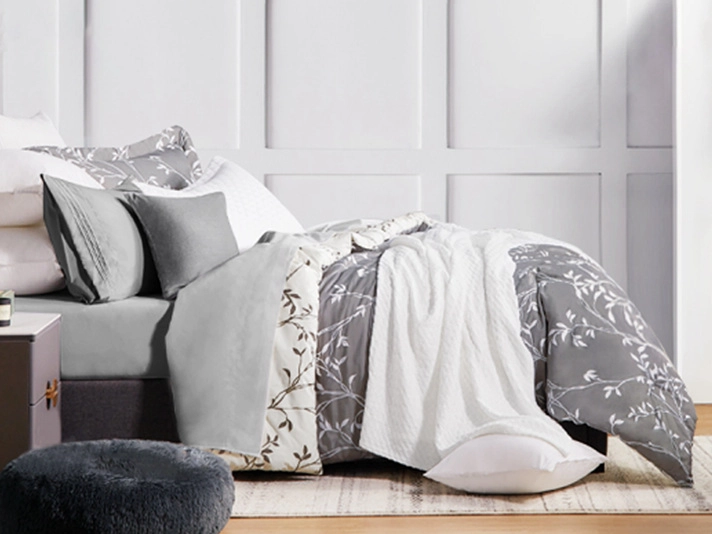
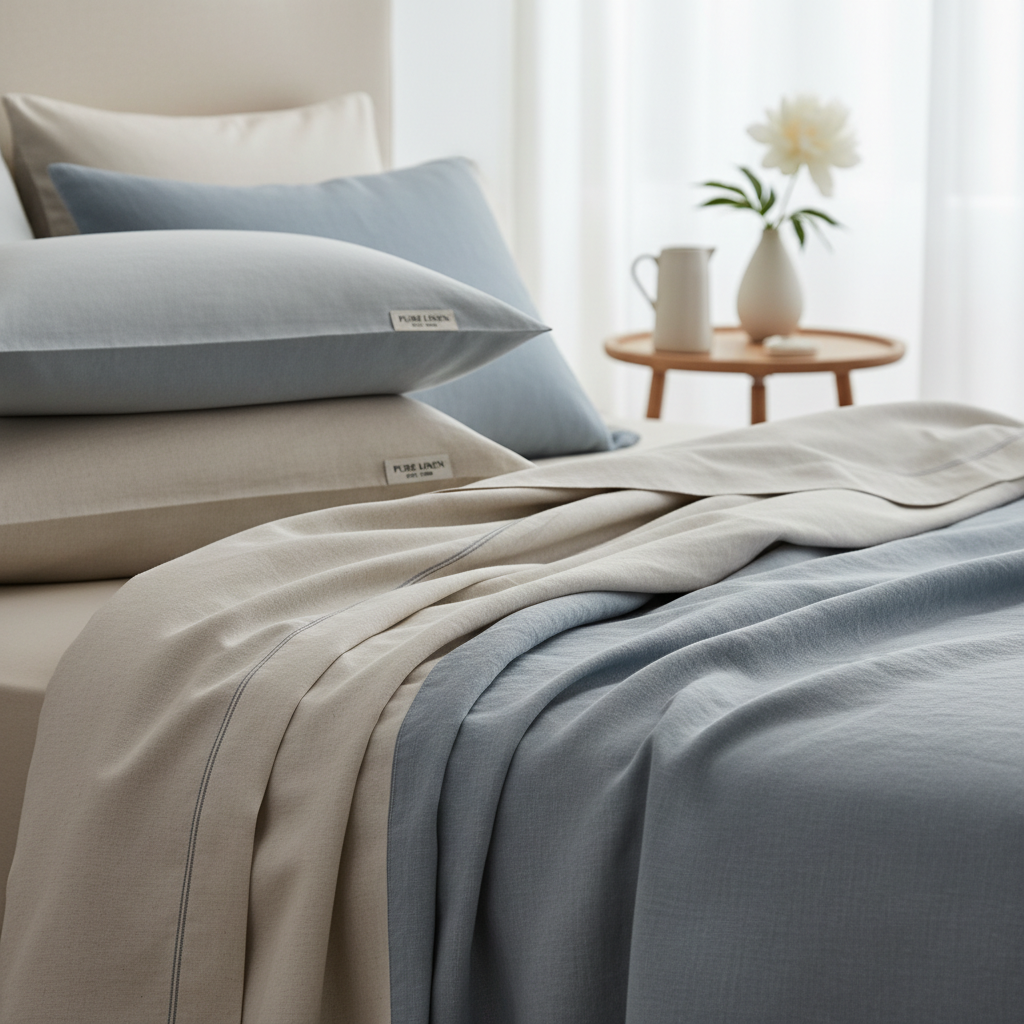
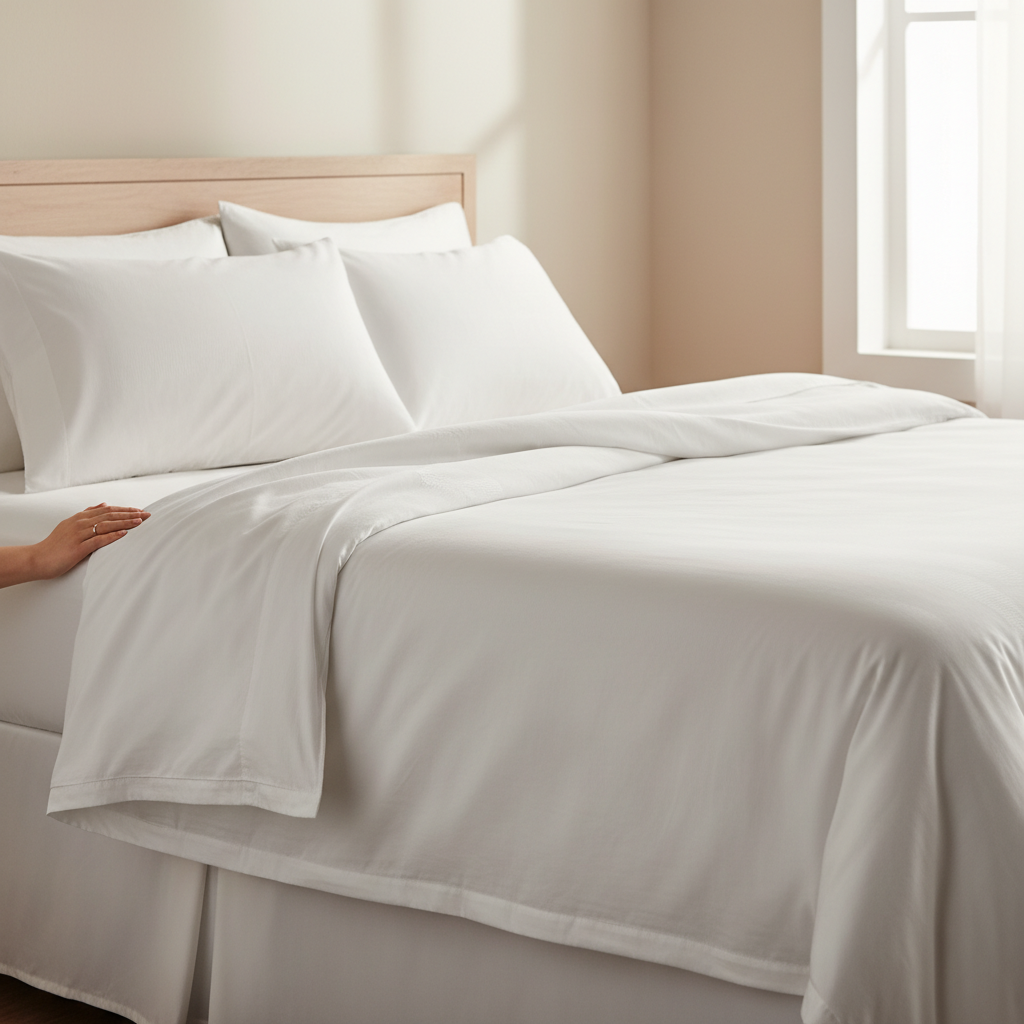
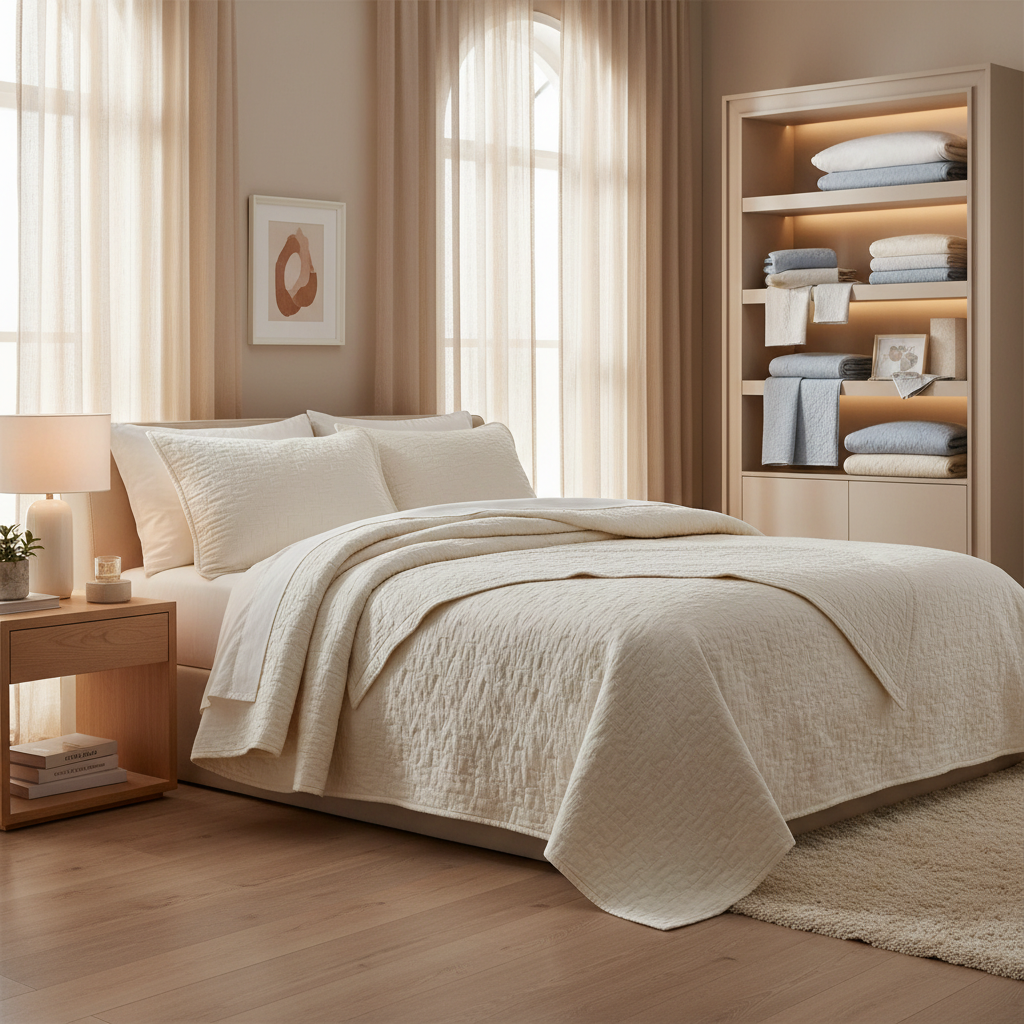
When it comes to achieving the perfect balance of comfort and practicality in the bedroom, jersey sheets stand out as a premier choice for modern consumers. Unlike traditional woven fabrics, these sheets are constructed using a knit process, similar to how a favorite t-shirt is made, providing an inherent stretch and a soft, cozy feel that adapts to the body's contours.
In the global textile market, the demand for knit bedding has surged as more people prioritize sleep hygiene and tactile comfort. The unique structural properties of jersey fabric allow for enhanced breathability and flexibility, making them an ideal solution for those who toss and turn or those seeking a more relaxed, lived-in aesthetic for their home bedding sets.
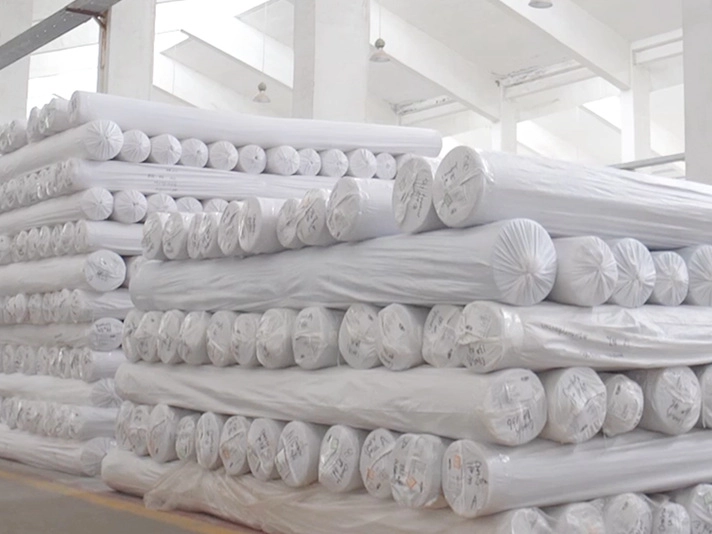
Understanding the technical nuances of jersey sheets—from the yarn composition to the knitting density—is essential for both wholesalers and end-users. By exploring the intersection of textile engineering and sleep science, we can appreciate why this specific fabric has become a staple in hospitality and residential bedding worldwide.
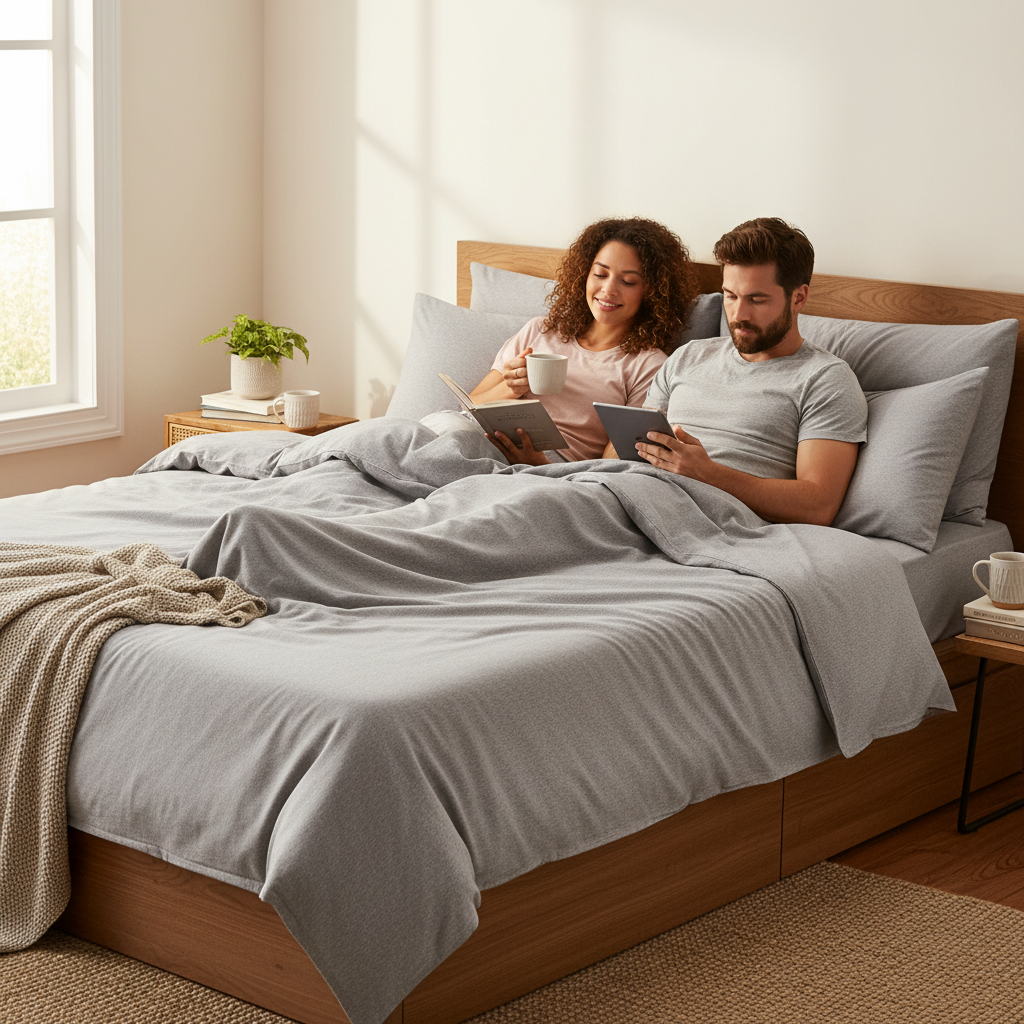
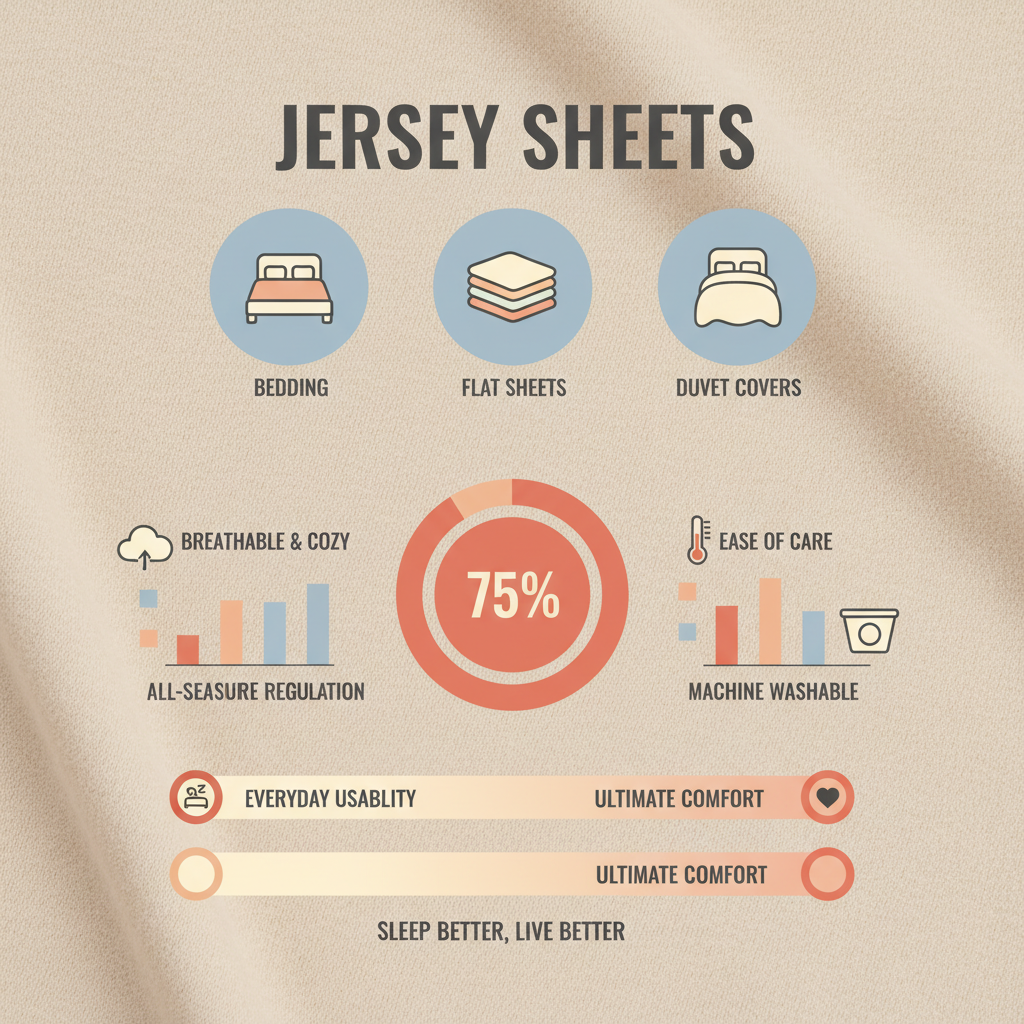
At its core, jersey sheets are defined by their knit construction. Unlike percale or sateen, which use a warp-and-weft weaving technique, jersey is created by interlocking loops of yarn. This structural difference is what gives the fabric its characteristic elasticity and "t-shirt" feel, allowing the sheets to hug the mattress and the sleeper with minimal tension.
This elasticity is not merely a comfort feature but a functional advantage. It prevents the sheets from bunching up during the night and ensures a snug fit on various mattress depths. For the manufacturer, the challenge lies in balancing this stretch with dimensional stability to ensure the bedding doesn't lose its shape after multiple industrial laundry cycles.
The primary difference is the construction. While regular sheets are woven (interlacing threads at right angles), jersey sheets are knitted. This creates a fabric that is naturally stretchy and soft, similar to a t-shirt, whereas woven sheets are typically crisper and less flexible. This makes jersey an excellent choice for those who prefer a cozy, snug feel over a structured, hotel-like crispness.
Jersey sheets are surprisingly versatile. Because they are breathable, they can keep you cool in the summer, especially if they are made from bamboo or Tencel. However, because the knit structure traps a bit more air than a thin percale weave, they also provide a sense of warmth in the winter. They are generally a great middle-ground for all-season use.
To prevent pilling, it is recommended to wash your jersey sheets in cold water on a gentle cycle and avoid using harsh bleach. Using a liquid detergent instead of powder can also reduce abrasion. Most importantly, avoid over-drying on high heat; tumble drying on low or line drying will preserve the fibers and keep the surface smooth for much longer.
Due to their knit structure, jersey fabrics can be more prone to shrinkage if exposed to high heat. However, professional-grade jersey sheets are typically pre-shrunk during the manufacturing process. To maintain the fit, we always suggest following the care label strictly and avoiding the "high heat" setting on your dryer.
For those with sensitive skin or allergies, 100% organic combed cotton or bamboo-derived jersey is highly recommended. These materials are naturally hypoallergenic and, when certified by Oeko-Tex, ensure that no irritating chemicals were used in the production process, making them safe for babies and people with dermatitis.
Yes, jersey sheets are increasingly popular in boutique hotels and Airbnbs where a "homestyle" cozy vibe is desired. While they require slightly different laundering protocols than traditional linens, their high guest appeal and comfort levels often outweigh the extra care required, provided a high-durability blend is used.
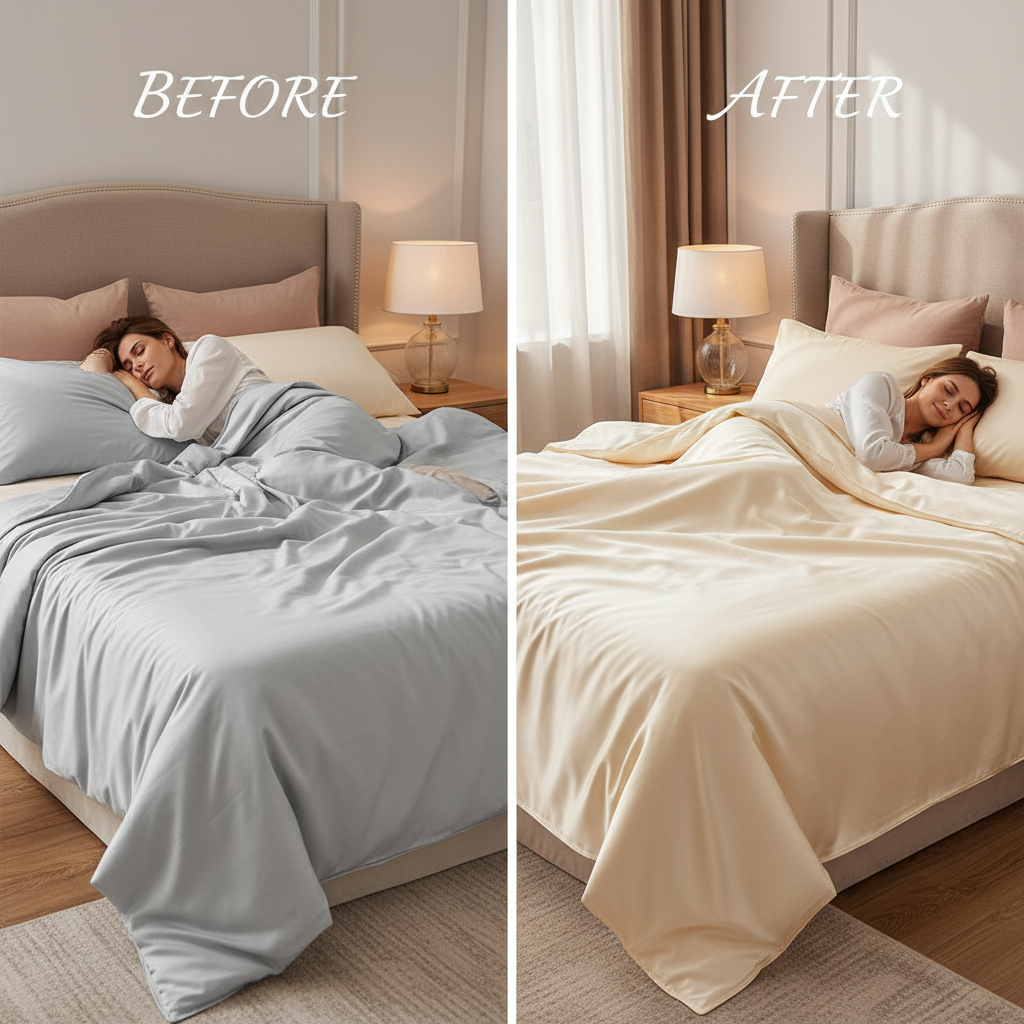
In summary, jersey sheets represent a perfect marriage of textile engineering and human-centric design. By leveraging the inherent stretch and softness of knit construction, these sheets solve common sleep frustrations—such as bunching fabric and rigid textures—while offering a versatile range of material options from traditional cotton to sustainable bamboo. Whether used in a private residence, a luxury hotel, or a healthcare facility, the value of jersey bedding lies in its ability to enhance the quality of rest through tactile comfort.
Looking forward, the integration of smart-temperature fabrics and eco-friendly bio-polymers will further elevate jersey bedding from a simple commodity to a wellness tool. We encourage manufacturers and consumers alike to prioritize certifications and fiber quality to ensure a sustainable and healthy sleep environment. For those seeking the pinnacle of comfort and industrial quality, we invite you to explore our professional bedding solutions. Visit our website: www.longshowtextile.com

 Afrikaans
 Albanian
 Amharic
 Arabic
 Armenian
 Azerbaijani
 Basque
 Belarusian
 Bengali
 Bosnian
 Bulgarian
 Catalan
 Cebuano
 China
China
 Corsican
 Croatian
 Czech
Czech
 Danish
 Dutch
Dutch
 Esperanto
 Estonian
 Finnish
 French
 Frisian
 Galician
 Georgian
 German
 Greek
Greek
 Gujarati
 Haitian Creole
 Hausa
Hausa
 Hawaiian
 Hebrew
 Hindi
Hindi
 Miao
Miao
 Hungarian
 Icelandic
 Igbo
Igbo
 Indonesian
 Irish
Irish
 Italian
 Japanese
 Javanese
 Kannada
 Kazakh
 Khmer
Khmer
 Rwandese
 Korean
 Kurdish
 Kyrgyz
 Lao
Lao
 Latin
Latin
 Latvian
 Lithuanian
 Luxembourgish
 Macedonian
 Malgashi
 Malay
Malay
 Malayalam
 Maltese
 Maori
Maori
 Marathi
 Mongolian
 Myanmar
 Nepali
 Norwegian
 Norwegian
 Occitan
 Pashto
 Persian
 Polish
 Portuguese
 Punjabi
 Romanian
 Russian
 Samoan
 Scottish Gaelic
 Serbian
 Sesotho
 Shona
Shona
 Sindhi
 Sinhala
 Slovak
 Slovenian
 Somali
 Spanish
 Sundanese
 Swahili
 Swedish
 Tagalog
 Tajik
Tajik
 Tamil
Tamil
 Tatar
Tatar
 Telugu
 Thai
Thai
 Turkish
 Turkmen
 Ukrainian
 Urdu
Urdu
 Uighur
 Uzbek
Uzbek
 Vietnamese
 Welsh
Welsh
 Bantu
Bantu
 Yiddish
 Yoruba
 Zulu
Zulu
 English