




Feb.25, 2026 02:05
Back to list
Comprehensive Guide to Washing Satin Sheets for Lasting Luxury
Understanding the Luxury of Washing Satin Sheets
Satin sheets are renowned for their smooth, luxurious feel and elegant appearance. However, maintaining that quality requires understanding how to properly care for them, specifically how to approach washing satin sheets. This article provides a comprehensive guide to washing, drying, and storing your satin sheets, ensuring they remain soft, lustrous, and beautiful for years to come. Learn the dos and don'ts to preserve the delicate nature of satin and enjoy a consistently comfortable night's sleep. Choosing the right care method is vital for maximizing the lifespan and enjoyment of this luxurious bedding.
The Delicate Nature of Satin: Why Special Care is Needed
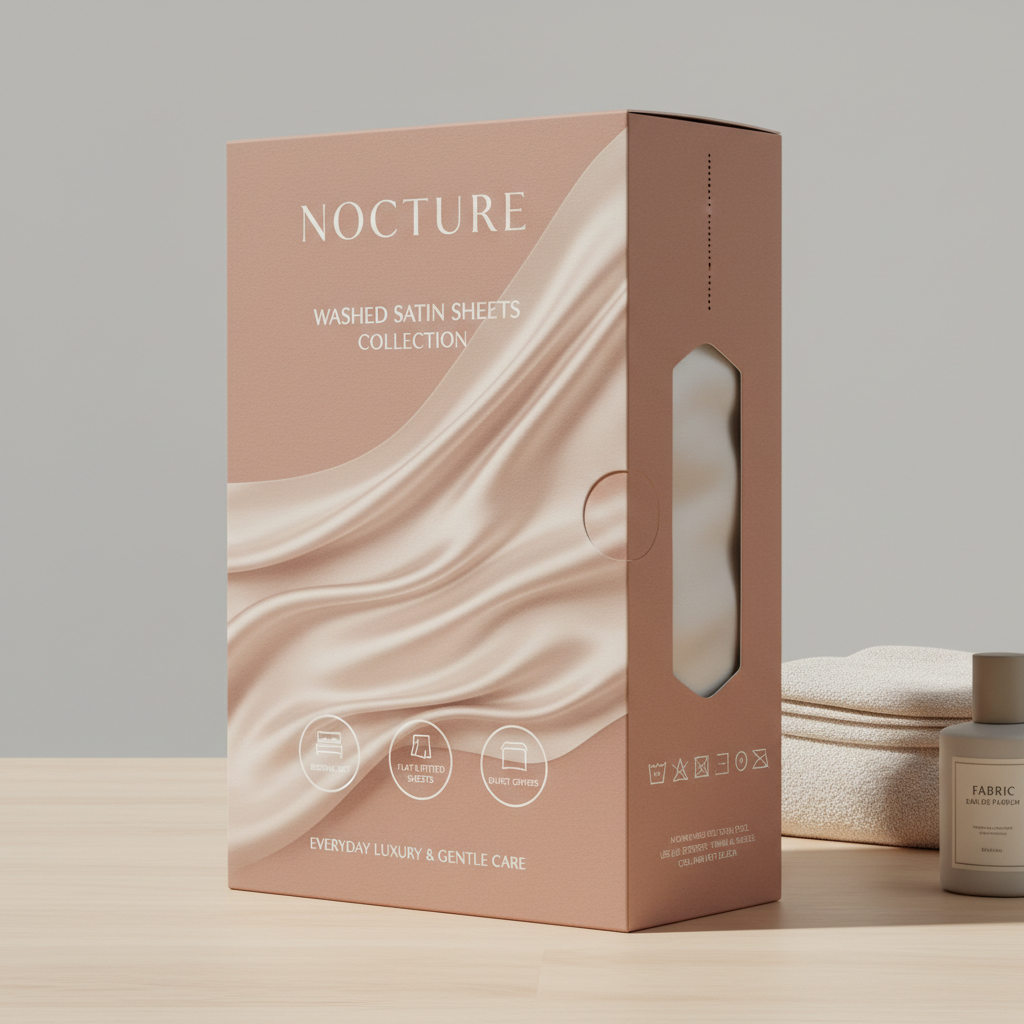
Satin isn't a fiber itself, but rather a weave. It's typically created using silk, polyester, or nylon fibers, and the characteristic sheen comes from the way the yarns are interlaced. This weave, while beautiful, is inherently more delicate than tighter weaves like percale or cotton. Rough handling, harsh detergents, and high heat can damage the fibers, leading to snags, dullness, and a loss of the satin's signature softness. Therefore, a gentle approach to washing satin sheets is paramount. Protecting the fabric's structure is key to maintaining its luxurious texture and appearance.
Key Considerations: Satin’s weave is delicate, requiring gentle handling, mild detergents, and avoidance of high heat to preserve its sheen and softness.
Washing Satin Sheets: A Step-by-Step Guide
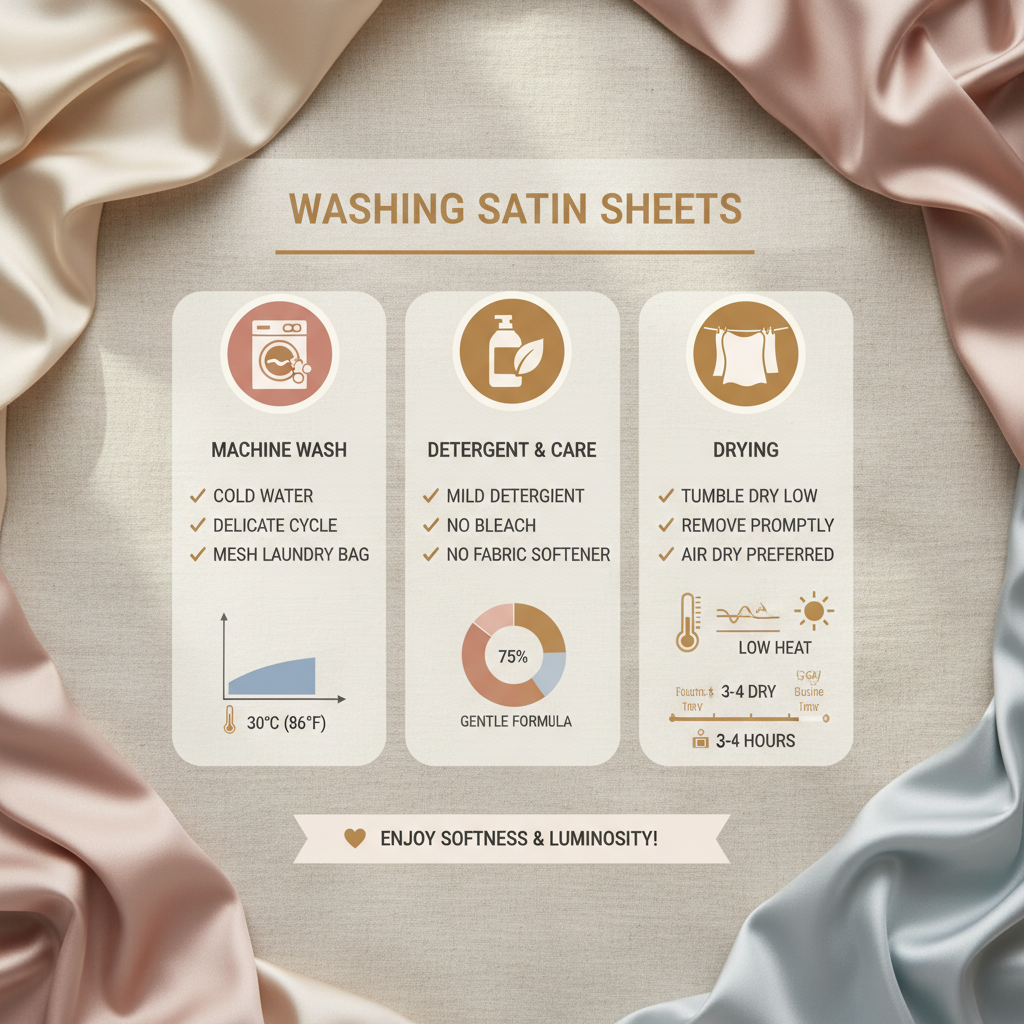
Properly washing satin sheets involves several important steps. First, always check the care label for specific instructions, as different satin compositions may require slightly different treatment. Generally, hand washing is the safest option, but many satin sheets can be machine washed on a delicate cycle using cool water. Use a mild, liquid detergent specifically designed for delicates. Avoid bleach or fabric softeners, as these can damage the fibers. Consider using a mesh laundry bag to further protect the sheets during the wash cycle. Gentle handling throughout the process will significantly extend the life and beauty of your satin bedding.
Washing Best Practices:
• Use cool water and a delicate cycle.
• Employ a mild, liquid detergent for delicates.
• Avoid bleach and fabric softeners.
• Use a mesh laundry bag for added protection.
Drying Satin Sheets: Air Drying is Best
The drying process is just as crucial as the washing. Avoid using a machine dryer whenever possible, as the heat can cause the satin to shrink, wrinkle, or lose its luster. Instead, gently roll the sheets in a towel to remove excess water, then hang them to air dry. Avoid direct sunlight, which can fade the colors. Alternatively, you can lay the sheets flat on a clean, dry surface. If you must use a dryer, select the lowest heat setting and the delicate cycle, and remove the sheets while they are still slightly damp to prevent over-drying. Proper drying will help maintain the satin's smooth texture and luxurious feel.
Long-Term Care: Storing Your Satin Sheets
Proper storage is essential for preserving the quality of your satin sheets between uses. Avoid storing them in direct sunlight or in humid environments. Store them in a cool, dry place, preferably in a breathable cotton bag. Avoid using plastic bags, as they can trap moisture and lead to mildew. If you're storing them for an extended period, consider placing lavender sachets or cedar blocks nearby to deter moths. With proper care, your satin sheets will remain a luxurious addition to your bedroom for years to come.
Conclusion: Enjoying the Lasting Luxury of Satin
Caring for your satin sheets doesn't have to be complicated. By following these simple guidelines – gentle washing, careful drying, and proper storage – you can ensure they remain soft, lustrous, and inviting for years to come. Investing in high-quality satin sheets and practicing diligent care will result in a consistently comfortable and luxurious sleep experience. Explore the exquisite range of satin fabrics and bedding options available at Longshow Textile.
Frequently Asked Questions (FAQs)
Can I iron satin sheets?
While satin doesn't typically require ironing, if you desire a perfectly smooth finish, you can iron them on a low setting. Always use a pressing cloth between the iron and the fabric to prevent scorching or damaging the fibers. It's best to iron satin while it's still slightly damp. Alternatively, you can use a steamer for a gentle and effective wrinkle removal. Avoid using high heat or steam directly on the satin, as this can cause damage. Taking extra care during ironing will ensure your satin sheets maintain their luxurious appearance.
What type of detergent should I use for washing satin?
Always opt for a mild, liquid detergent specifically formulated for delicate fabrics. Harsh detergents containing enzymes, bleach, or fabric softeners can damage the satin fibers, causing them to lose their luster and softness. Look for detergents labeled "for delicates," "for silk," or "for lingerie." Avoid using powdered detergents, as they may not dissolve completely and can leave residue on the fabric. When in doubt, it's always best to test the detergent on a small, inconspicuous area of the sheet first to ensure it doesn't cause any discoloration or damage.
How often should I wash my satin sheets?
The frequency of washing satin sheets depends on individual preferences and usage. Generally, washing them every 1-2 weeks is sufficient for most people. However, if you sleep without pajamas, sweat heavily, or have pets that sleep on the bed, you may need to wash them more frequently. Avoid overwashing, as this can weaken the fibers and shorten the lifespan of the sheets. Remember to always follow the care instructions on the label and use gentle washing methods to preserve the quality of your satin bedding.
Can satin sheets pill?
While high-quality satin sheets are less prone to pilling, it can sometimes occur, especially with lower-quality fabrics or after repeated washing. Pilling happens when loose fibers tangle together and form small balls on the surface of the fabric. To minimize pilling, avoid harsh detergents, fabric softeners, and excessive friction. Gently brushing the sheets with a soft-bristled brush can help remove existing pills. Proper care and handling will significantly reduce the likelihood of pilling and keep your satin sheets looking smooth and luxurious.
Latest news
-
How to Choose and Maintain an Extra Fluffy Duvet Insert for SleepNewsApr.16, 2026
-
How to Choose a Non Toxic Duvet Insert for Better Sleep HealthNewsApr.09, 2026
-
Choosing the Perfect Fluffy Down Alternative Comforter for a Restful Nights SleepNewsApr.07, 2026
-
Choosing the Best Hypoallergenic Duvet Insert for a Comfortable and Healthy SleepNewsApr.04, 2026
-
Choosing the Perfect Light Duvet Insert for a Restful Nights SleepNewsMar.31, 2026
-
Discover the Benefits of an Organic Down Alternative Comforter for Better SleepNewsMar.28, 2026
-
Discover the Perfect Thin Duvet Insert for a Restful Nights SleepNewsMar.26, 2026
 Afrikaans
 Albanian
 Amharic
 Arabic
 Armenian
 Azerbaijani
 Basque
 Belarusian
 Bengali
 Bosnian
 Bulgarian
 Catalan
 Cebuano
 China
China
 Corsican
 Croatian
 Czech
Czech
 Danish
 Dutch
Dutch
 Esperanto
 Estonian
 Finnish
 French
 Frisian
 Galician
 Georgian
 German
 Greek
Greek
 Gujarati
 Haitian Creole
 Hausa
Hausa
 Hawaiian
 Hebrew
 Hindi
Hindi
 Miao
Miao
 Hungarian
 Icelandic
 Igbo
Igbo
 Indonesian
 Irish
Irish
 Italian
 Japanese
 Javanese
 Kannada
 Kazakh
 Khmer
Khmer
 Rwandese
 Korean
 Kurdish
 Kyrgyz
 Lao
Lao
 Latin
Latin
 Latvian
 Lithuanian
 Luxembourgish
 Macedonian
 Malgashi
 Malay
Malay
 Malayalam
 Maltese
 Maori
Maori
 Marathi
 Mongolian
 Myanmar
 Nepali
 Norwegian
 Norwegian
 Occitan
 Pashto
 Persian
 Polish
 Portuguese
 Punjabi
 Romanian
 Russian
 Samoan
 Scottish Gaelic
 Serbian
 Sesotho
 Shona
Shona
 Sindhi
 Sinhala
 Slovak
 Slovenian
 Somali
 Spanish
 Sundanese
 Swahili
 Swedish
 Tagalog
 Tajik
Tajik
 Tamil
Tamil
 Tatar
Tatar
 Telugu
 Thai
Thai
 Turkish
 Turkmen
 Ukrainian
 Urdu
Urdu
 Uighur
 Uzbek
Uzbek
 Vietnamese
 Welsh
Welsh
 Bantu
Bantu
 Yiddish
 Yoruba
 Zulu
Zulu
 English