

Dec.01, 2025 15:00
Back to list
Discover the Luxury Hotel Collection 1200 Thread Count Bedding – Quality Meets Comfort
Why the Luxury Hotel Collection 1200 Thread Count Matters Globally
At first glance, "luxury hotel collection 1200 thread count" might sound like just a marketing phrase tossed around in linen shops or hospitality catalogs. But dig a little deeper, and you’ll find this product represents far more than just softness and sheen. It speaks to a global pursuit of comfort, quality, and sustainability—key pillars in today’s hotel industry and upscale living worldwide.
Understanding this textile marvel is crucial because it addresses both consumer expectations and the environmental challenges faced by textile producers. Globally, the hospitality industry demands materials that not only feel indulgent but also stand up to frequent use without degrading—a fine line that high-thread-count luxury linens tend to walk quite elegantly.
Here’s a quick takeaway: the luxury hotel collection 1200 thread count isn’t just about feeling plush; it’s about marrying durability, sustainability, and sophisticated design for today’s discerning customer.
Global Context of Premium Linens in Hospitality
Globally, premium linens account for a significant share of hotel and resort expenditures. According to the UN World Tourism Organization, luxury hotels make up about 8% of the global hotel market but generate close to 25% of revenues. This economic weight pushes the industry to adopt fabrics that enhance guest experience while optimizing operational costs.
However, there’s a challenge. Hotels face high turnover of linens due to frequent laundering. According to ISO standards for textile durability (ISO 105-C06), fabrics must withstand repeated washing cycles and maintain their integrity. Most standard bed linens fall short, leading to waste and higher replacement costs. That's where luxury hotel collections boasting 1200 thread count make a tangible difference.
Defining the Luxury Hotel Collection 1200 Thread Count
So what exactly is “luxury hotel collection 1200 thread count”? Simply put, it’s a high-quality bedding line characterized by the number of threads woven per square inch—about 1200 in this case. Compared to typical cotton sheets with 300-500 thread count, these are denser, softer, and more durable.
Why does thread count matter? Because it directly impacts texture, breathability, and strength. High thread count textiles tend to be smoother, giving that signature "hotel feel." Of course, it’s not just about packing threads tightly; it’s about fiber quality, weave type, and finishing techniques.
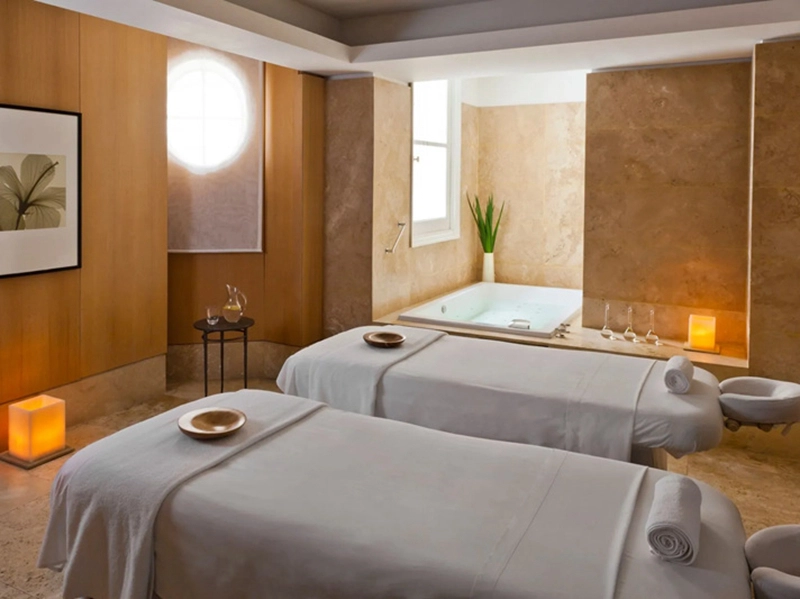
This collection aligns well with modern hospitality and humanitarian needs alike—think: hotels aiming to offer spa-like comfort, or disaster relief organizations requiring sturdy yet comfortable fabric solutions for temporary housing.
Mini takeaway: More threads don’t automatically mean better sheets, but with carefully chosen fibers and manufacturing, 1200 thread count linens offer an excellent blend of decadence and endurance.
Core Components of a Luxury Hotel Collection 1200 Thread Count
1. Material Quality
Most luxury hotel linens use long-staple Egyptian cotton or Supima cotton. These fibers have fewer short ends, resulting in smoother, stronger cloth.
2. Weave Type
Commonly, a sateen weave is preferred, providing that glossy, silk-like finish and soft hand-feel. Percale weaves also appear but often feel crisper and cooler.
3. Durability and Washability
High thread counts typically mean sturdier fabric. But durability depends on finishing processes. Fabrics must resist pilling and maintain colorfastness even after 100+ wash cycles.
4. Sustainability Factors
Many brands now focus on organic fibers and eco-friendly dyes, crucial in reducing the environmental footprint of textile production, manufacturing, and disposal.
5. Aesthetics and Design Options
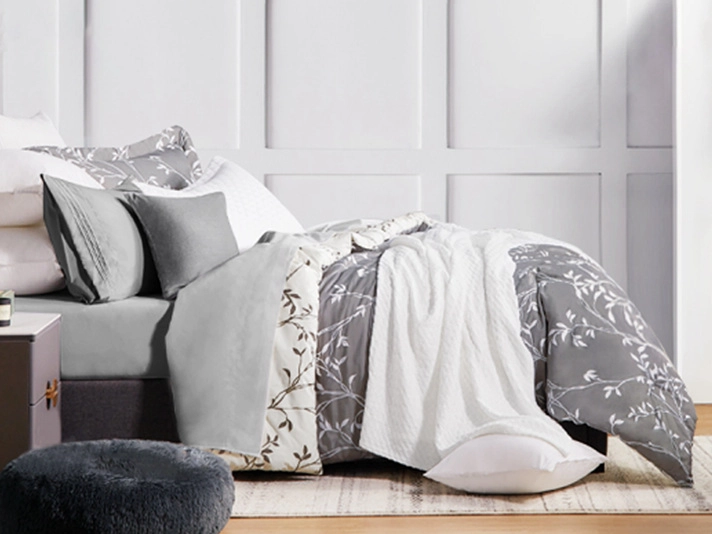
Embroidery, jacquard patterns, and subtle sheens add to the luxury feel, allowing hotels to tailor linens to branding or guest expectations.
Specifications of a Typical Luxury Hotel Collection 1200 Thread Count
| Specification | Details |
|---|---|
| Thread Count | 1200 threads per square inch |
| Material | 100% Egyptian cotton (long staple) |
| Weave | Sateen, 4-ply yarns |
| Dimensions | Twin to California King sizes available |
| Colorfastness | Grade 4+ (ISO 105) |
| Environmental Certifications | OEKO-TEX Standard 100, GOTS (organic option) |
How Hotels and Industries Globally Use Luxury 1200 Thread Count Collections
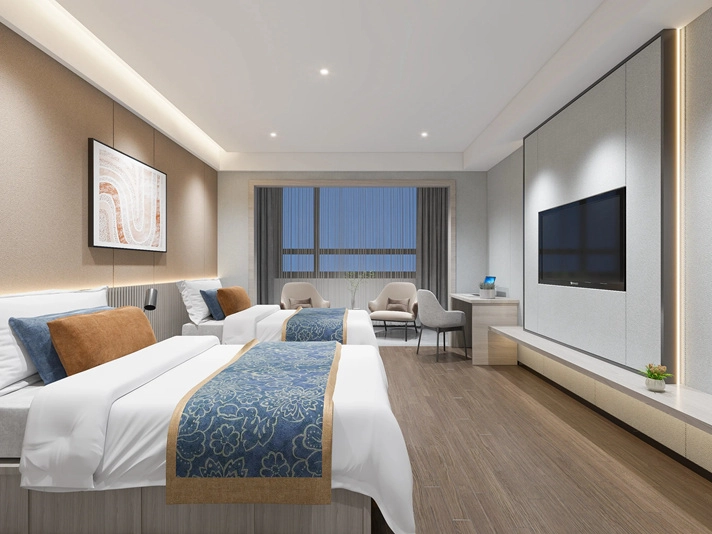
Hotels in North America and Europe rely heavily on these linens to keep guests coming back for that “wow” factor. In Asia-Pacific, five-star resorts leverage their softness and durability to boost brand loyalty amid increasingly competitive luxury tourism.
Oddly enough, humanitarian organizations have also taken note. Temporary housing in disaster zones, particularly in countries with tropical climates, benefits from breathable, absorbent, and durable linens that can withstand frequent washing yet still deliver comfort—helping maintain human dignity during crisis.
Industrial settings, like healthcare and boutique spas, similarly use these fabrics where hygiene and tactile quality are crucial—meaningful beyond the cliché of luxury.
Vendor Comparison: Not All 1200 Thread Count Linens Are Created Equal
| Brand | Material Quality | Durability (Wash Cycles) | Price Range (per set) | Eco Certifications |
|---|---|---|---|---|
| LuxThreads Pro | 100% Egyptian cotton | 200+ | $180 - $250 | OEKO-TEX, GOTS |
| Elite Stay Linens | Egyptian/Supima blend | 150+ | $140 - $210 | OEKO-TEX |
| Hotel Luxe Originals | Long staple cotton | 120+ | $130 - $190 | None |
Advantages and Long-Term Value of Choosing 1200 Thread Count Collections
When you invest in luxury hotel collection 1200 thread count linens, you’re signing up for unparalleled comfort that guests notice immediately. But it’s also a strategic cost saver over time. Hotels report reduced replacement frequency, lower laundry damage, and elevated guest reviews—a powerful trifecta that feeds profitability.
The emotional payoff? Guests feel pampered and cared for, associating the tactile luxury with brand trust. From a social perspective, sustainability certifications reassure both clients and operators that they’re reducing environmental impact—a growing priority in hospitality worldwide.
The Future of High Thread Count Linens: Innovations to Watch
The textile industry is evolving rapidly, with smart fabrics and eco-friendly fibers gaining traction. We’re seeing blends infused with aloe vera or silver ions for antibacterial properties, and advancements in dyeing processes that drastically reduce water and chemical usage.
Automation in manufacturing will cut costs and improve consistency, making high thread count linens more accessible beyond the luxury tier. Meanwhile, digital textile printing allows for bespoke designs with minimal waste—perfect for boutique hotels seeking unique branding.
Challenges and How the Industry is Overcoming Them
Producing true 1200 thread count linens is tricky. Some manufacturers inflate counts by using multi-ply yarns with thinner threads, which can lead to inferior durability. Additionally, such dense fabrics can trap heat, making them less breathable if not properly treated.
The solution? Rigorous quality control, transparent labeling, and ongoing R&D to optimize weave and fiber choices. Increasingly, third-party testing like OEKO-TEX and ISO certification provide buyers with peace of mind.
FAQ: Common Questions About Luxury Hotel Collection 1200 Thread Count
Q: How does a 1200 thread count sheet compare to lower counts in feel and performance?
A: Higher thread count sheets generally offer a smoother, softer hand feel and increased durability. However, if the fiber quality is poor, the benefits diminish. A well-made 1200 thread count sheet should feel luxurious but still breathe adequately to keep you comfortable.
Q: Are luxury hotel collection 1200 thread count linens eco-friendly?
A: It depends on the brand and certifications. Look for OEKO-TEX, GOTS, or organic cotton labels to ensure environmentally responsible production methods, which many manufacturers now incorporate.
Q: Can these linens withstand commercial laundry cycles?
A: Yes, genuine luxury hotel collection linens are designed for frequent washing with resistance to fading, pilling, and fabric breakdown—often surviving over 150 wash cycles without compromise.
Q: Where can I buy genuine luxury hotel collection 1200 thread count linens?
A: Trusted suppliers and brands typically sell through specialty retailers or directly to hotels. For upscale consumer access, check luxury hotel collection 1200 thread count offerings or authorized dealers.
Q: Are there alternatives to cotton for this thread count?
A: Yes, some manufacturers blend cotton with bamboo or Tencel to enhance breathability and sustainability while retaining a high thread count finish.
Conclusion: Why It’s Worth Investing in Luxury Hotel Collection 1200 Thread Count
In the end, these linens represent more than just thread density; they embody a thoughtful balance of luxury, endurance, and environmental awareness. For hotels, healthcare, or even home enthusiasts craving that elegant touch, they deliver long-term value and elevated guest satisfaction.
If you want to explore the finest products in this category, don’t hesitate to visit our website at luxury hotel collection 1200 thread count to discover more about quality, pricing, and certification details.
References:
1. Wikipedia – Thread count
2. ISO 105 Colorfastness
3. United Nations World Tourism Organization (UNWTO)
Latest news
-
How to Choose and Maintain an Extra Fluffy Duvet Insert for SleepNewsApr.16, 2026
-
How to Choose a Non Toxic Duvet Insert for Better Sleep HealthNewsApr.09, 2026
-
Choosing the Perfect Fluffy Down Alternative Comforter for a Restful Nights SleepNewsApr.07, 2026
-
Choosing the Best Hypoallergenic Duvet Insert for a Comfortable and Healthy SleepNewsApr.04, 2026
-
Choosing the Perfect Light Duvet Insert for a Restful Nights SleepNewsMar.31, 2026
-
Discover the Benefits of an Organic Down Alternative Comforter for Better SleepNewsMar.28, 2026
-
Discover the Perfect Thin Duvet Insert for a Restful Nights SleepNewsMar.26, 2026
 Afrikaans
 Albanian
 Amharic
 Arabic
 Armenian
 Azerbaijani
 Basque
 Belarusian
 Bengali
 Bosnian
 Bulgarian
 Catalan
 Cebuano
 China
China
 Corsican
 Croatian
 Czech
Czech
 Danish
 Dutch
Dutch
 Esperanto
 Estonian
 Finnish
 French
 Frisian
 Galician
 Georgian
 German
 Greek
Greek
 Gujarati
 Haitian Creole
 Hausa
Hausa
 Hawaiian
 Hebrew
 Hindi
Hindi
 Miao
Miao
 Hungarian
 Icelandic
 Igbo
Igbo
 Indonesian
 Irish
Irish
 Italian
 Japanese
 Javanese
 Kannada
 Kazakh
 Khmer
Khmer
 Rwandese
 Korean
 Kurdish
 Kyrgyz
 Lao
Lao
 Latin
Latin
 Latvian
 Lithuanian
 Luxembourgish
 Macedonian
 Malgashi
 Malay
Malay
 Malayalam
 Maltese
 Maori
Maori
 Marathi
 Mongolian
 Myanmar
 Nepali
 Norwegian
 Norwegian
 Occitan
 Pashto
 Persian
 Polish
 Portuguese
 Punjabi
 Romanian
 Russian
 Samoan
 Scottish Gaelic
 Serbian
 Sesotho
 Shona
Shona
 Sindhi
 Sinhala
 Slovak
 Slovenian
 Somali
 Spanish
 Sundanese
 Swahili
 Swedish
 Tagalog
 Tajik
Tajik
 Tamil
Tamil
 Tatar
Tatar
 Telugu
 Thai
Thai
 Turkish
 Turkmen
 Ukrainian
 Urdu
Urdu
 Uighur
 Uzbek
Uzbek
 Vietnamese
 Welsh
Welsh
 Bantu
Bantu
 Yiddish
 Yoruba
 Zulu
Zulu
 English