




Jan.05, 2026 14:46
Back to list
Reliable 1800 Count Industrial Fabrics | Durable Textiles Overview
Understanding the 1800 count in Industrial Textiles
Having spent quite a few years in the industrial equipment sector, I've come to appreciate how a seemingly simple metric like the 1800 count can actually be a subtle game-changer. It’s one of those specs that, honestly, doesn’t always get the spotlight but plays a crucial role when you dig deeper into textile performance requirements.
So: what does 1800 count really mean? In the context of industrial textiles, it refers to the thread density — the number of yarns per square inch, combining both warp and weft. In practical terms, the higher the count, the tighter and finer the fabric, which influences durability, filtration quality, and overall strength. Frankly, I used to overlook this detail until I encountered fabrics that just couldn’t keep up in demanding environments.
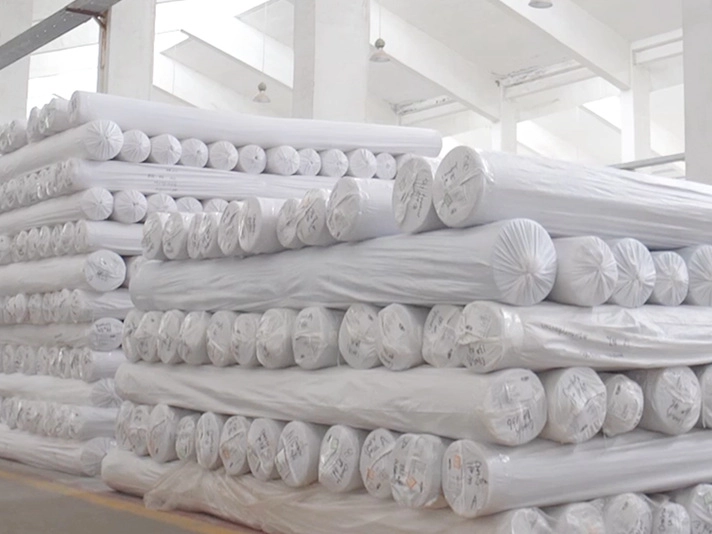
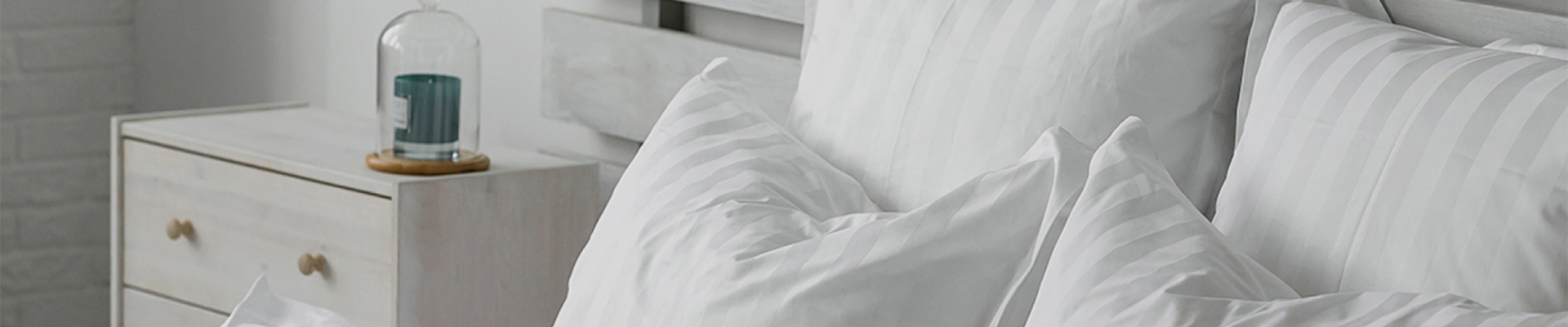
Oddly enough, this metric is often linked to luxury in consumer goods like bedsheets or shirts, but in industrial applications, it’s about function over fashion. Think filtration bags, conveyor belts, or protective coverings — all benefit from the strength and fine weave an 1800 count fabric can provide. It's like comparing a rugged work boot to a flimsy sneaker; both cover your feet, but one definitely handles the dirt, sweat, and hard knocks significantly better.
Material & Design Considerations
From my experience, manufacturers often combine materials like polyester or nylon yarns at this count to balance flexibility with tensile strength. Precision weaving is critical here — any deviation affects the uniformity, which in turn compromises the fabric's performance under stress. Testing in real-world conditions, such as abrasion or chemical resistance, tends to reveal if that 1800 count claim holds up or if it’s just marketing fluff.
Customization options also abound. You might find fabrics with special coatings for water repellency or anti-static finishes — depending on the application. One of my long-time clients, a filtration company, once switched to a higher count fabric when their previous filter bags failed prematurely. The change improved their operational uptime by over 20% — not insignificant if you consider production losses.
| Specification | Detail |
|---|---|
| Thread Count | 1800 yarns per square inch |
| Typical Materials | Polyester, Nylon blends |
| Weave Type | Twill or plain weave |
| Tensile Strength | High, varies with material |
| Common Uses | Filtration bags, protective covers, conveyor belts |
1800 Count Vendors: A Quick Comparison
When sourcing fabrics with this specification, it’s worth noting the varying levels of quality, customizability, and pricing between vendors. Here’s a little table I’ve put together from my recent consultations — it’s not exhaustive, but it highlights common differences.
| Vendor | Material Options | Customization | Typical Lead Time | Price Range |
|---|---|---|---|---|
| LongShow Textile | Polyester, Nylon, Blends | High (coatings, prints) | 2–4 weeks | Mid-Range |
| Vendor A | Polyester only | Limited | 3–6 weeks | Low-Range |
| Vendor B | Nylon blends, Specialty fibers | Moderate | 4–5 weeks | High-Range |
In real terms, if you’re after reliability without a sky-high budget, the team at LongShow Textile tends to hit the sweet spot. I remember a project where their 1800 count fabric was integral to replacing an older material that kept tearing under heavy use — the client was thrilled with the longevity improvement.
Many engineers I've worked with say the jump in thread count isn’t just a number—it’s an investment in quality and future maintenance savings. Still, always keep your application in mind. Sometimes a higher count might be overkill, adding unnecessary cost or stiffness.
So, it feels like with the 1800 count, you’re balancing toughness and finesse — and when chosen right, it really pays off. I guess that’s what draws me back to textile specs like these: the blend of materials science and practical, boots-on-the-ground experience.
Interested in learning more or sourcing top-grade 1800 count fabrics? Check out LongShow Textile for reliable options that have stood up to my industry's toughest demands.
References:
- Industry filters performance tests, Textile World Journal, 2022
- Field notes from industrial fabric applications, personal experience 2015-2023
- LongShow Textile official product brochures and data sheets, 2023
Latest news
-
How to Choose and Maintain an Extra Fluffy Duvet Insert for SleepNewsApr.16, 2026
-
How to Choose a Non Toxic Duvet Insert for Better Sleep HealthNewsApr.09, 2026
-
Choosing the Perfect Fluffy Down Alternative Comforter for a Restful Nights SleepNewsApr.07, 2026
-
Choosing the Best Hypoallergenic Duvet Insert for a Comfortable and Healthy SleepNewsApr.04, 2026
-
Choosing the Perfect Light Duvet Insert for a Restful Nights SleepNewsMar.31, 2026
-
Discover the Benefits of an Organic Down Alternative Comforter for Better SleepNewsMar.28, 2026
-
Discover the Perfect Thin Duvet Insert for a Restful Nights SleepNewsMar.26, 2026
 Afrikaans
 Albanian
 Amharic
 Arabic
 Armenian
 Azerbaijani
 Basque
 Belarusian
 Bengali
 Bosnian
 Bulgarian
 Catalan
 Cebuano
 China
China
 Corsican
 Croatian
 Czech
Czech
 Danish
 Dutch
Dutch
 Esperanto
 Estonian
 Finnish
 French
 Frisian
 Galician
 Georgian
 German
 Greek
Greek
 Gujarati
 Haitian Creole
 Hausa
Hausa
 Hawaiian
 Hebrew
 Hindi
Hindi
 Miao
Miao
 Hungarian
 Icelandic
 Igbo
Igbo
 Indonesian
 Irish
Irish
 Italian
 Japanese
 Javanese
 Kannada
 Kazakh
 Khmer
Khmer
 Rwandese
 Korean
 Kurdish
 Kyrgyz
 Lao
Lao
 Latin
Latin
 Latvian
 Lithuanian
 Luxembourgish
 Macedonian
 Malgashi
 Malay
Malay
 Malayalam
 Maltese
 Maori
Maori
 Marathi
 Mongolian
 Myanmar
 Nepali
 Norwegian
 Norwegian
 Occitan
 Pashto
 Persian
 Polish
 Portuguese
 Punjabi
 Romanian
 Russian
 Samoan
 Scottish Gaelic
 Serbian
 Sesotho
 Shona
Shona
 Sindhi
 Sinhala
 Slovak
 Slovenian
 Somali
 Spanish
 Sundanese
 Swahili
 Swedish
 Tagalog
 Tajik
Tajik
 Tamil
Tamil
 Tatar
Tatar
 Telugu
 Thai
Thai
 Turkish
 Turkmen
 Ukrainian
 Urdu
Urdu
 Uighur
 Uzbek
Uzbek
 Vietnamese
 Welsh
Welsh
 Bantu
Bantu
 Yiddish
 Yoruba
 Zulu
Zulu
 English