



Mar.03, 2026 18:25
Back to list
What is the Duvet Insert Called A Complete Guide to Bedding Components
What is the Duvet Insert Called? A Comprehensive Guide
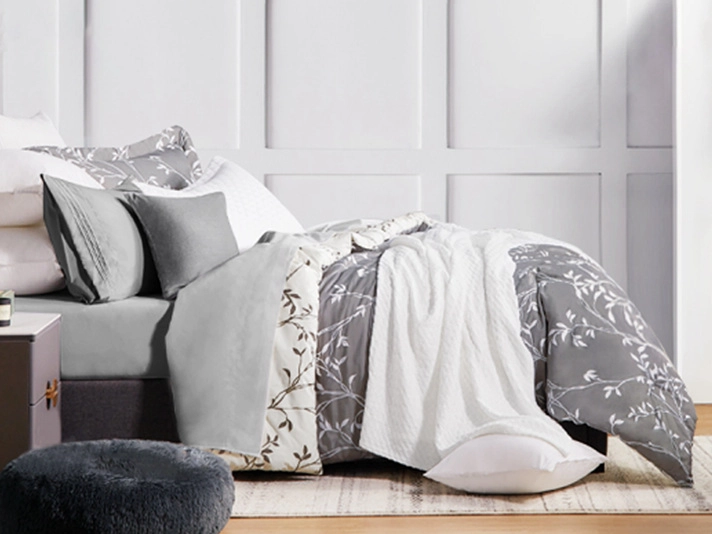
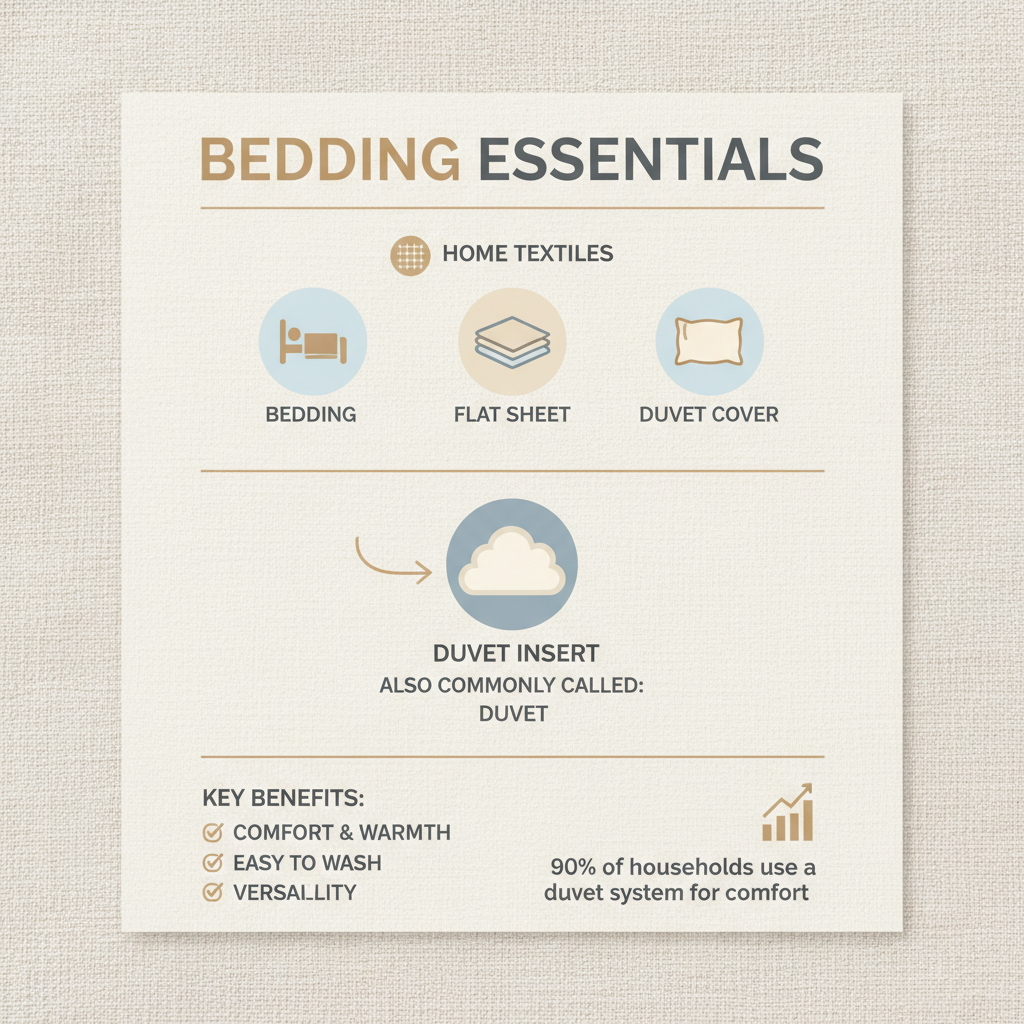
When furnishing a bedroom, understanding the components of bedding is essential for creating a comfortable and inviting space. One often-asked question is, what is the duvet insert called? It's commonly referred to as a duvet insert, but also goes by several other names. This article will delve into the various terms used, the materials it’s made from, and how to choose the right one for your needs. Understanding the terminology and options will empower you to make informed decisions when purchasing bedding. Choosing the right insert significantly impacts sleep quality and overall comfort.
Different Names for the Duvet Insert
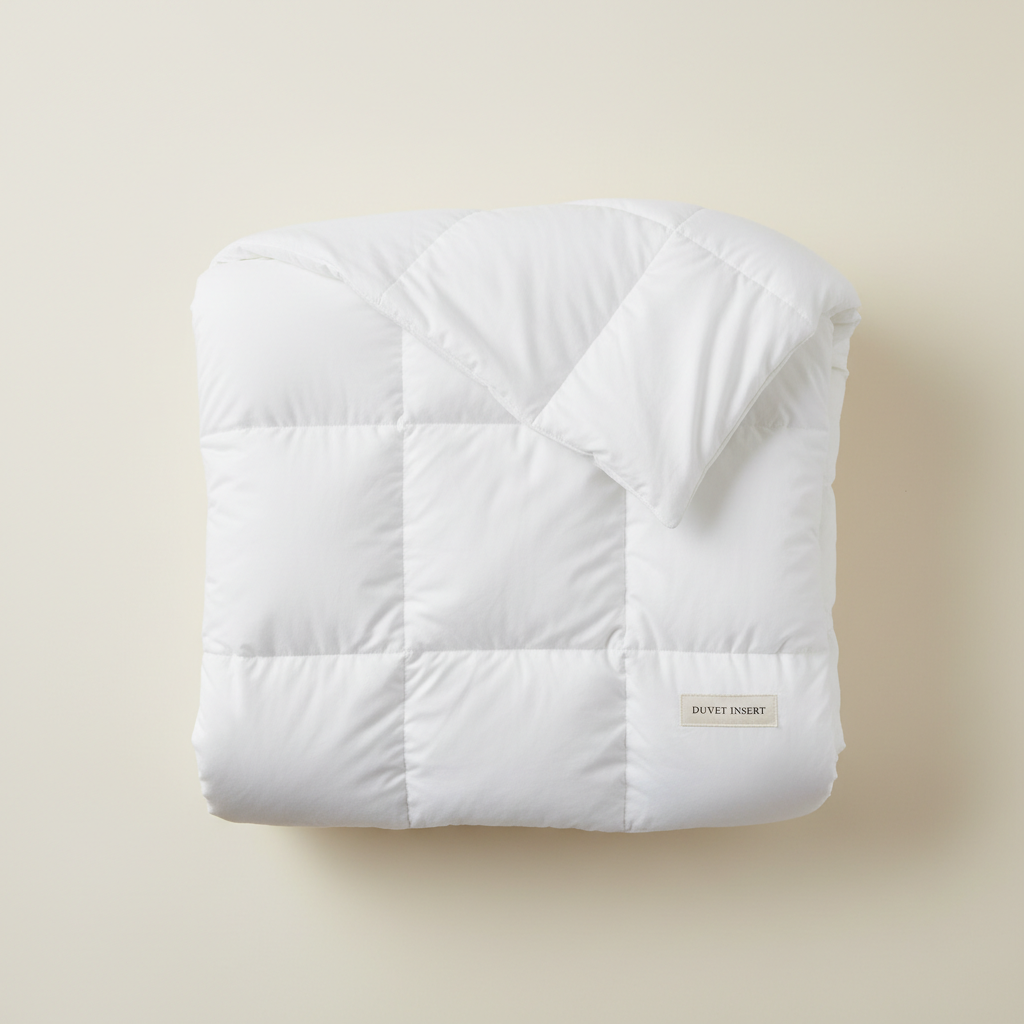
While "duvet insert" is widely used, the term isn't universal. You might also hear it called a 'comforter insert', a 'duvet filling', or simply a 'duvet'. In some regions, especially in North America, “comforter” is often used interchangeably, although technically a comforter is a single, quilted item, while a duvet requires a separate cover. Understanding these different terms can avoid confusion when shopping and communicating with retailers. Longshow Textile offers a wide range of options, clarifying the differences in their product descriptions.
Key Takeaway: 'Duvet insert', 'comforter insert', and 'duvet filling' are all generally referring to the same component – the inner padding that goes inside a duvet cover.
Common Materials Used in Duvet Inserts
The materials used to fill a duvet insert greatly influence its weight, warmth, and price. Some of the most common materials include down, feathers, down alternative (typically polyester), wool, and silk. Down is prized for its exceptional warmth-to-weight ratio, while polyester is a hypoallergenic and affordable alternative. Wool is naturally temperature-regulating, and silk offers a luxurious feel and breathability. The best material depends on individual preferences and needs. Consider allergies, desired warmth level, and budget when making your choice.
Material Comparison:
• Down: Excellent warmth, lightweight, expensive.
• Feathers: Less expensive than down, heavier, can poke through fabric.
• Down Alternative: Hypoallergenic, affordable, good warmth.
• Wool: Temperature regulating, naturally hypoallergenic, can be heavy.
• Silk: Luxurious, breathable, expensive.
What is the Duvet Insert Called and What Fill Power Means?
When discussing down or down alternative inserts, you'll often encounter the term "fill power". Fill power refers to the fluffiness of the down or alternative fill. A higher fill power indicates a more fluffy and insulating insert. For down, fill power typically ranges from 300 to 800+. A higher fill power means more air pockets, resulting in better insulation without added weight. Understanding fill power is crucial for selecting an insert that provides the desired level of warmth and comfort. Longshow Textile offers detailed information about fill power on their product pages.
Choosing the Right Weight for Your Climate
Duvet inserts come in different weights, categorized as lightweight, all-season, and heavyweight. Lightweight inserts are ideal for warmer climates or summer months, providing a comfortable cover without overheating. All-season inserts offer a balance of warmth suitable for moderate temperatures year-round. Heavyweight inserts are best for colder climates or those who prefer a warmer sleep environment. Consider your local climate and personal preferences when selecting the appropriate weight. Longshow Textile’s website has a helpful guide to choosing the right weight for your region.
Care and Maintenance of Your Duvet Insert
Proper care extends the lifespan of your duvet insert. Always follow the manufacturer's instructions on the care label. Down and feather inserts typically require professional cleaning, while down alternative and polyester inserts can often be machine washed. Regularly fluffing the insert helps maintain its loft and distribute the fill evenly. Storing the insert in a breathable cotton bag when not in use prevents dust accumulation and mildew growth. Protecting your investment with proper care ensures years of comfortable sleep.
Conclusion: Understanding Your Duvet Insert
Knowing what is the duvet insert called and understanding its various characteristics – materials, fill power, weight – is crucial for creating a comfortable and personalized sleep experience. By considering your individual needs and preferences, you can choose an insert that provides the perfect balance of warmth, comfort, and support. Invest in a quality duvet insert, and enjoy restful nights for years to come.
Frequently Asked Questions (FAQs)
How often should I replace my duvet insert?
The lifespan of a duvet insert varies depending on the material and quality. Generally, down and feather inserts can last 10-15 years with proper care, while down alternative inserts may need replacing every 5-7 years. Signs that it’s time for a replacement include a loss of loft, uneven distribution of fill, or unpleasant odors that cannot be removed with cleaning. Regularly inspecting your insert for wear and tear will help you determine when it needs to be replaced.
Can I wash a down duvet insert at home?
While some down duvet inserts can be machine washed, it’s generally recommended to have them professionally cleaned. Machine washing can damage the delicate down feathers and reduce their loft. If you choose to wash it at home, use a large capacity washing machine, a mild detergent designed for down, and tumble dry on low heat with dryer balls to help restore fluffiness. Always check the care label for specific instructions.
What is the benefit of a silk duvet insert?
Silk duvet inserts offer several benefits, including exceptional breathability, temperature regulation, and a luxurious feel. Silk is naturally hypoallergenic and moisture-wicking, making it ideal for those with allergies or sensitivities. While more expensive than other options, silk provides a comfortable and healthy sleep environment.
Latest news
-
How to Choose and Maintain an Extra Fluffy Duvet Insert for SleepNewsApr.16, 2026
-
How to Choose a Non Toxic Duvet Insert for Better Sleep HealthNewsApr.09, 2026
-
Choosing the Perfect Fluffy Down Alternative Comforter for a Restful Nights SleepNewsApr.07, 2026
-
Choosing the Best Hypoallergenic Duvet Insert for a Comfortable and Healthy SleepNewsApr.04, 2026
-
Choosing the Perfect Light Duvet Insert for a Restful Nights SleepNewsMar.31, 2026
-
Discover the Benefits of an Organic Down Alternative Comforter for Better SleepNewsMar.28, 2026
-
Discover the Perfect Thin Duvet Insert for a Restful Nights SleepNewsMar.26, 2026
 Afrikaans
 Albanian
 Amharic
 Arabic
 Armenian
 Azerbaijani
 Basque
 Belarusian
 Bengali
 Bosnian
 Bulgarian
 Catalan
 Cebuano
 China
China
 Corsican
 Croatian
 Czech
Czech
 Danish
 Dutch
Dutch
 Esperanto
 Estonian
 Finnish
 French
 Frisian
 Galician
 Georgian
 German
 Greek
Greek
 Gujarati
 Haitian Creole
 Hausa
Hausa
 Hawaiian
 Hebrew
 Hindi
Hindi
 Miao
Miao
 Hungarian
 Icelandic
 Igbo
Igbo
 Indonesian
 Irish
Irish
 Italian
 Japanese
 Javanese
 Kannada
 Kazakh
 Khmer
Khmer
 Rwandese
 Korean
 Kurdish
 Kyrgyz
 Lao
Lao
 Latin
Latin
 Latvian
 Lithuanian
 Luxembourgish
 Macedonian
 Malgashi
 Malay
Malay
 Malayalam
 Maltese
 Maori
Maori
 Marathi
 Mongolian
 Myanmar
 Nepali
 Norwegian
 Norwegian
 Occitan
 Pashto
 Persian
 Polish
 Portuguese
 Punjabi
 Romanian
 Russian
 Samoan
 Scottish Gaelic
 Serbian
 Sesotho
 Shona
Shona
 Sindhi
 Sinhala
 Slovak
 Slovenian
 Somali
 Spanish
 Sundanese
 Swahili
 Swedish
 Tagalog
 Tajik
Tajik
 Tamil
Tamil
 Tatar
Tatar
 Telugu
 Thai
Thai
 Turkish
 Turkmen
 Ukrainian
 Urdu
Urdu
 Uighur
 Uzbek
Uzbek
 Vietnamese
 Welsh
Welsh
 Bantu
Bantu
 Yiddish
 Yoruba
 Zulu
Zulu
 English