



Mar.04, 2026 02:15
Back to list
Choosing the Perfect Down Duvet Insert for a Restful and Comfortable Sleep
Choosing the Right Down Duvet Insert for Ultimate Comfort
Selecting the perfect down duvet insert can dramatically enhance your sleep experience. With a wide range of fill powers, materials, and construction techniques available, navigating the options can feel overwhelming. This guide will walk you through everything you need to know to choose a down duvet insert that suits your preferences and ensures a cozy, restful night’s sleep. We'll cover key factors like fill power, down type, shell material, and construction, helping you make an informed decision for years of comfortable sleep.
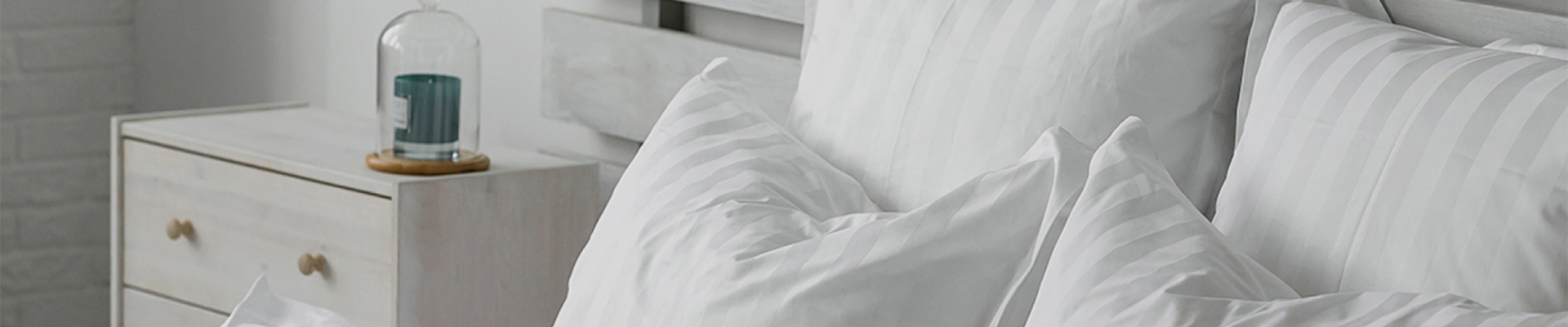
Understanding Fill Power: The Key to Warmth
Fill power is a crucial indicator of a down duvet insert's quality and warmth. It measures the fluffiness of the down, specifically the volume it occupies per ounce (measured in cubic inches per ounce). Higher fill power means more air can be trapped, providing better insulation without added weight. Generally, fill powers range from 300 to 800+. A fill power of 600 or higher is considered excellent and provides superior warmth and longevity. Lower fill powers are less expensive but may not offer the same level of warmth or durability. Investing in a higher fill power duvet insert will provide you with years of comfort and warmth. You can find high quality down inserts at Longshow Textile.
Key Takeaway: Higher fill power translates to better warmth-to-weight ratio and longer-lasting insulation.
Down Types: White vs. Gray and Their Properties
The type of down used in your insert also significantly impacts its quality and price. White down, typically sourced from white geese, is considered more aesthetically pleasing and commands a higher price. Gray down, often from gray geese or ducks, offers comparable insulation but may have a slightly visible hue. Both white and gray down can be excellent choices, depending on your budget and preferences. It's important to look for Responsible Down Standard (RDS) certification to ensure the down is ethically sourced. Longshow Textile provides RDS certified down inserts.
Down Type Comparison:
• White Down: Higher price, aesthetically pleasing.
• Gray Down: Comparable insulation, often more affordable.
• RDS Certified: Ensures ethical sourcing.
Down Duvet Insert Construction: Baffle Box vs. Quilted
The construction of the duvet insert determines how well the down is distributed and how effectively it retains warmth. Two common construction methods are baffle box and quilted. Baffle box construction features internal walls that create individual compartments for the down, preventing it from shifting and creating cold spots. Quilted construction, on the other hand, uses stitching to create sewn-through channels. Baffle box construction is generally superior, especially for higher fill power down, as it allows the down to fully loft and maintain its insulating properties.
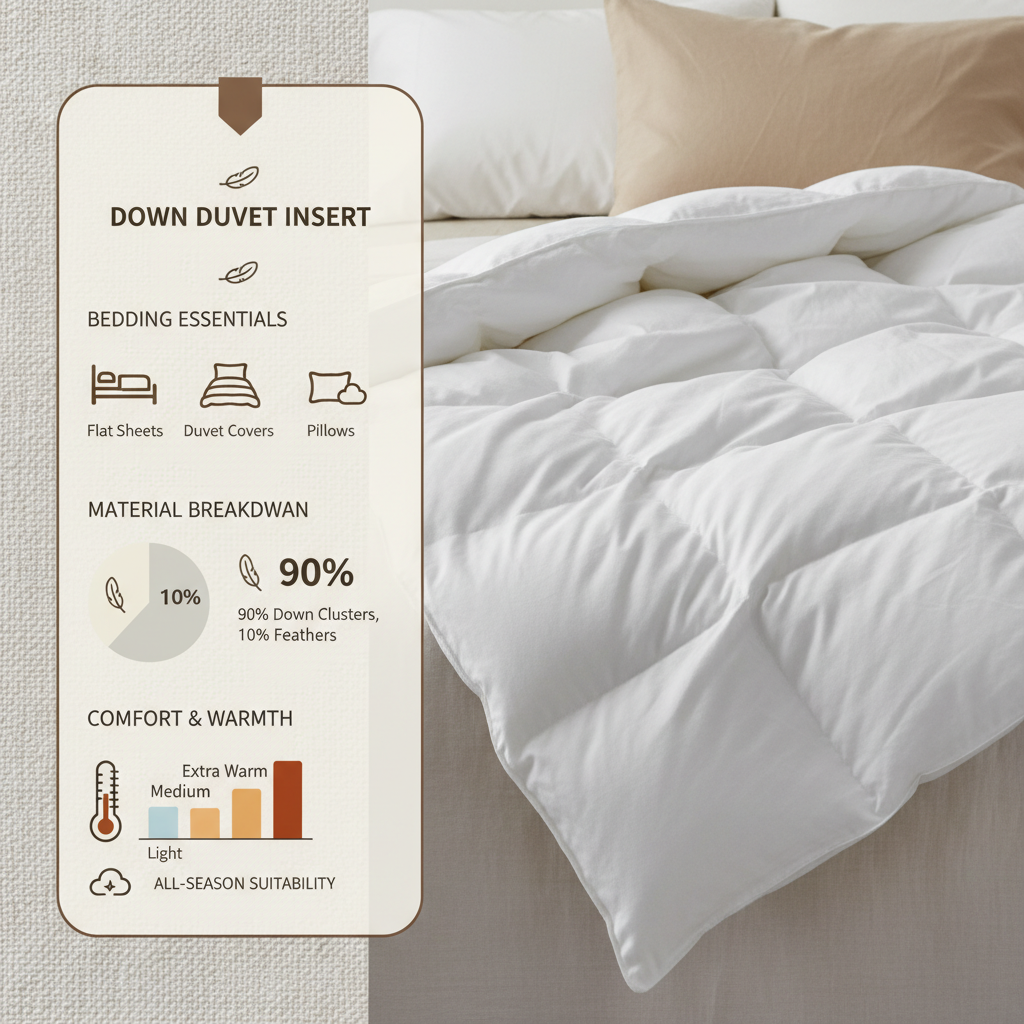
Choosing the Right Shell Material: Cotton, Silk, or Downproof Fabrics
The shell material plays a vital role in the duvet insert's comfort, breathability, and durability. Cotton is a popular choice, offering softness, breathability, and affordability. Silk is a luxurious option, known for its smoothness and temperature-regulating properties. Downproof fabrics, often polyester blends, are designed to prevent down leakage and are highly durable. Consider your climate and personal preferences when selecting the shell material. Longshow Textile offers a range of shell materials to suit your needs.
Care and Maintenance of Your Down Duvet Insert
Proper care and maintenance will extend the lifespan of your down duvet insert. Regular fluffing helps redistribute the down and maintain its loft. Dry cleaning is generally recommended, as washing can damage the down and the shell material. Avoid harsh detergents and excessive heat. Store your duvet insert in a breathable cotton bag when not in use to protect it from dust and moisture. Following these simple steps will ensure your down duvet insert remains a source of comfort for years to come.
Conclusion: Investing in a Quality Down Duvet Insert
Choosing the right down duvet insert is an investment in your sleep quality and overall well-being. By considering factors like fill power, down type, construction, and shell material, you can select a duvet insert that perfectly matches your needs and preferences. Longshow Textile is your trusted partner in finding the perfect down duvet insert for a truly restful night’s sleep.
Frequently Asked Questions (FAQs)
What fill power should I choose for a warm duvet insert?
For a comfortably warm duvet insert, a fill power of 600 or higher is recommended. This level of fill power provides excellent insulation without being overly heavy. If you tend to sleep cold or live in a colder climate, consider a fill power of 700 or 800 for maximum warmth. Lower fill powers (below 600) are suitable for warmer climates or individuals who prefer a lighter-weight duvet insert. The ideal fill power depends on your personal preference and climate.
How often should I replace my down duvet insert?
A well-maintained down duvet insert can last for many years, even decades. However, it's generally recommended to replace it every 5-10 years, depending on usage and care. Signs that your duvet insert may need replacing include a noticeable loss of loft, uneven distribution of down, or the appearance of odors that can’t be removed through cleaning. Over time, the down fibers can break down, reducing the insert’s insulating capabilities.
Is a silk shell worth the extra cost?
A silk shell is a luxurious option that offers several benefits, including superior smoothness, temperature regulation, and breathability. Silk is naturally hypoallergenic and helps wick away moisture, keeping you comfortable throughout the night. While more expensive than cotton, a silk shell can significantly enhance your sleep experience. It's a worthwhile investment for those who prioritize comfort and quality.
What does RDS certification mean?
RDS (Responsible Down Standard) certification ensures that the down used in your duvet insert is ethically sourced. It guarantees that the down comes from ducks and geese that have been treated humanely and that the feathers have been collected responsibly. RDS certification is an important indicator of a brand's commitment to animal welfare and sustainable practices.
Latest news
-
How to Choose and Maintain an Extra Fluffy Duvet Insert for SleepNewsApr.16, 2026
-
How to Choose a Non Toxic Duvet Insert for Better Sleep HealthNewsApr.09, 2026
-
Choosing the Perfect Fluffy Down Alternative Comforter for a Restful Nights SleepNewsApr.07, 2026
-
Choosing the Best Hypoallergenic Duvet Insert for a Comfortable and Healthy SleepNewsApr.04, 2026
-
Choosing the Perfect Light Duvet Insert for a Restful Nights SleepNewsMar.31, 2026
-
Discover the Benefits of an Organic Down Alternative Comforter for Better SleepNewsMar.28, 2026
-
Discover the Perfect Thin Duvet Insert for a Restful Nights SleepNewsMar.26, 2026
 Afrikaans
 Albanian
 Amharic
 Arabic
 Armenian
 Azerbaijani
 Basque
 Belarusian
 Bengali
 Bosnian
 Bulgarian
 Catalan
 Cebuano
 China
China
 Corsican
 Croatian
 Czech
Czech
 Danish
 Dutch
Dutch
 Esperanto
 Estonian
 Finnish
 French
 Frisian
 Galician
 Georgian
 German
 Greek
Greek
 Gujarati
 Haitian Creole
 Hausa
Hausa
 Hawaiian
 Hebrew
 Hindi
Hindi
 Miao
Miao
 Hungarian
 Icelandic
 Igbo
Igbo
 Indonesian
 Irish
Irish
 Italian
 Japanese
 Javanese
 Kannada
 Kazakh
 Khmer
Khmer
 Rwandese
 Korean
 Kurdish
 Kyrgyz
 Lao
Lao
 Latin
Latin
 Latvian
 Lithuanian
 Luxembourgish
 Macedonian
 Malgashi
 Malay
Malay
 Malayalam
 Maltese
 Maori
Maori
 Marathi
 Mongolian
 Myanmar
 Nepali
 Norwegian
 Norwegian
 Occitan
 Pashto
 Persian
 Polish
 Portuguese
 Punjabi
 Romanian
 Russian
 Samoan
 Scottish Gaelic
 Serbian
 Sesotho
 Shona
Shona
 Sindhi
 Sinhala
 Slovak
 Slovenian
 Somali
 Spanish
 Sundanese
 Swahili
 Swedish
 Tagalog
 Tajik
Tajik
 Tamil
Tamil
 Tatar
Tatar
 Telugu
 Thai
Thai
 Turkish
 Turkmen
 Ukrainian
 Urdu
Urdu
 Uighur
 Uzbek
Uzbek
 Vietnamese
 Welsh
Welsh
 Bantu
Bantu
 Yiddish
 Yoruba
 Zulu
Zulu
 English