




Mar.09, 2026 02:05
Back to list
Choosing the Perfect Fluffy Duvet Insert for Restful and Comfortable Sleep
Choosing the Perfect Fluffy Duvet Insert for a Restful Sleep
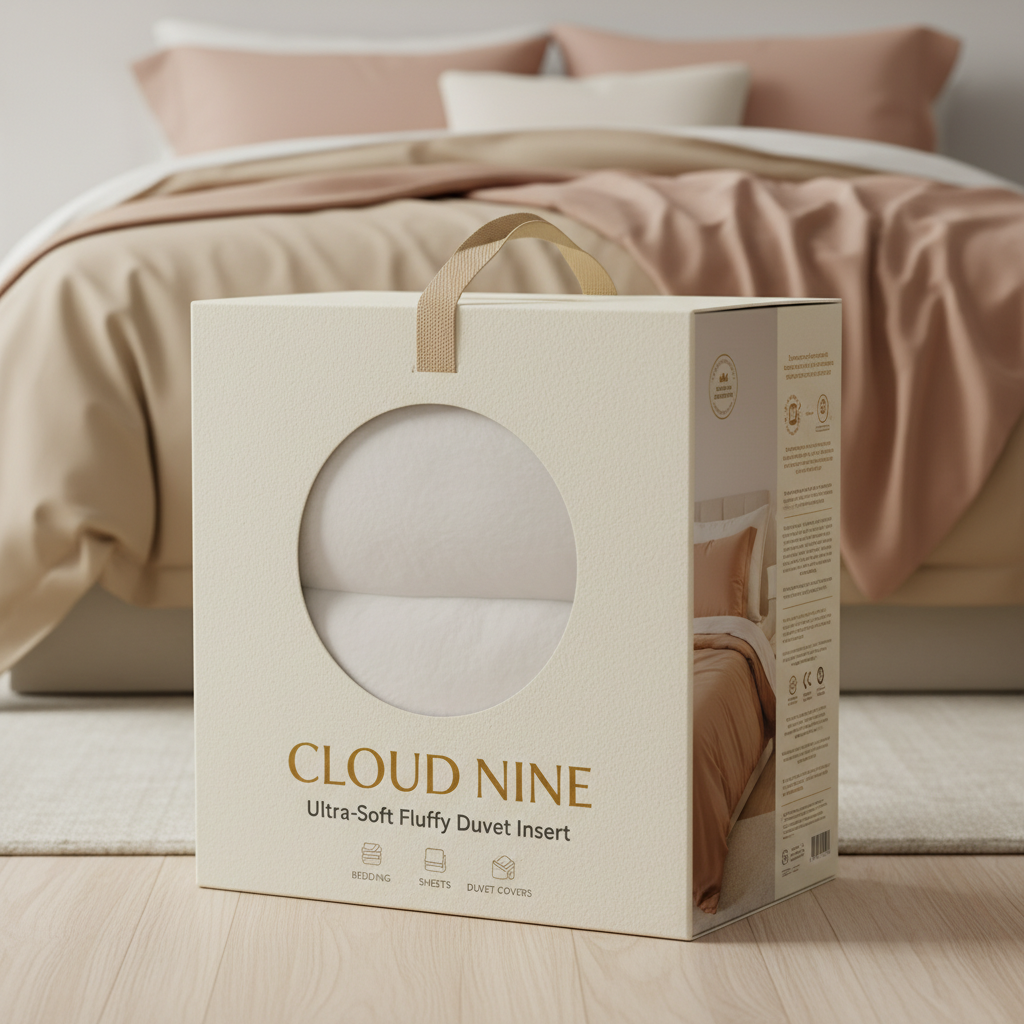
A good night's sleep is vital for overall health and well-being, and a key component of comfortable sleep is the right duvet insert. The fluffy duvet insert provides the warmth and comfort you need. This article will explore the factors to consider when choosing a duvet insert, focusing on fill materials, tog ratings, and the benefits of a truly fluffy insert. We’ll cover everything you need to know to select the perfect duvet to transform your bedroom into a cozy sanctuary. Longshow Textile offers a wide range of high-quality duvet inserts to meet your specific needs.
Understanding Duvet Insert Fill Materials
The fill material of a duvet insert significantly impacts its warmth, weight, and breathability. Common options include down, feather, silk, and synthetic fibers like polyester. Down, sourced from duck or goose, is known for its exceptional loft and warmth-to-weight ratio, offering a luxurious feel. Feather provides less warmth than down but is more affordable. Silk is hypoallergenic and breathable, making it suitable for allergy sufferers. Synthetic fills are a budget-friendly and easy-to-care-for option. Longshow Textile specializes in a range of fill materials to cater to diverse preferences and budgets. The ideal fill depends on your climate, sleeping habits, and allergies.
Key Considerations: The choice of fill material influences the overall comfort, warmth, and maintenance requirements of your duvet insert.
Tog Ratings: Choosing the Right Warmth
Tog ratings measure a duvet's thermal resistance – essentially, how well it traps heat. A lower tog rating (e.g., 4.5 tog) is suitable for warmer months or for individuals who tend to sleep hot, while a higher tog rating (e.g., 13.5 tog) is ideal for colder temperatures. An all-season duvet typically falls around 10.5 tog, offering a balance of warmth and breathability. Consider your bedroom temperature and personal preferences when selecting a tog rating. Longshow Textile offers duvets in a variety of tog ratings to ensure year-round comfort.
Tog Rating Guide:
• 1.0-4.5 Tog: Summer/Warm Weather
• 7.0-10.5 Tog: Spring/Autumn/All-Season
• 12.0-15.0 Tog: Winter/Cold Weather
The Benefits of a Fluffy Duvet Insert
A truly fluffy duvet insert is more than just aesthetically pleasing; it offers superior comfort and warmth. The loft of the fill creates air pockets that trap heat, providing exceptional insulation. A fluffy duvet also drapes beautifully around the body, creating a comforting and enveloping sensation. This enhanced comfort promotes deeper, more restful sleep. Longshow Textile utilizes advanced filling techniques to create exceptionally fluffy and comfortable duvet inserts.
Caring for Your Fluffy Duvet Insert
Proper care is essential to maintain the fluffiness and longevity of your duvet insert. Regularly fluff the duvet to redistribute the fill and prevent clumping. Air it out periodically to remove moisture. Always follow the care instructions on the label. Machine washing is often possible, but use a gentle cycle and a mild detergent. Professional cleaning is recommended for down and silk duvets. Longshow Textile provides detailed care instructions with all its duvet inserts.
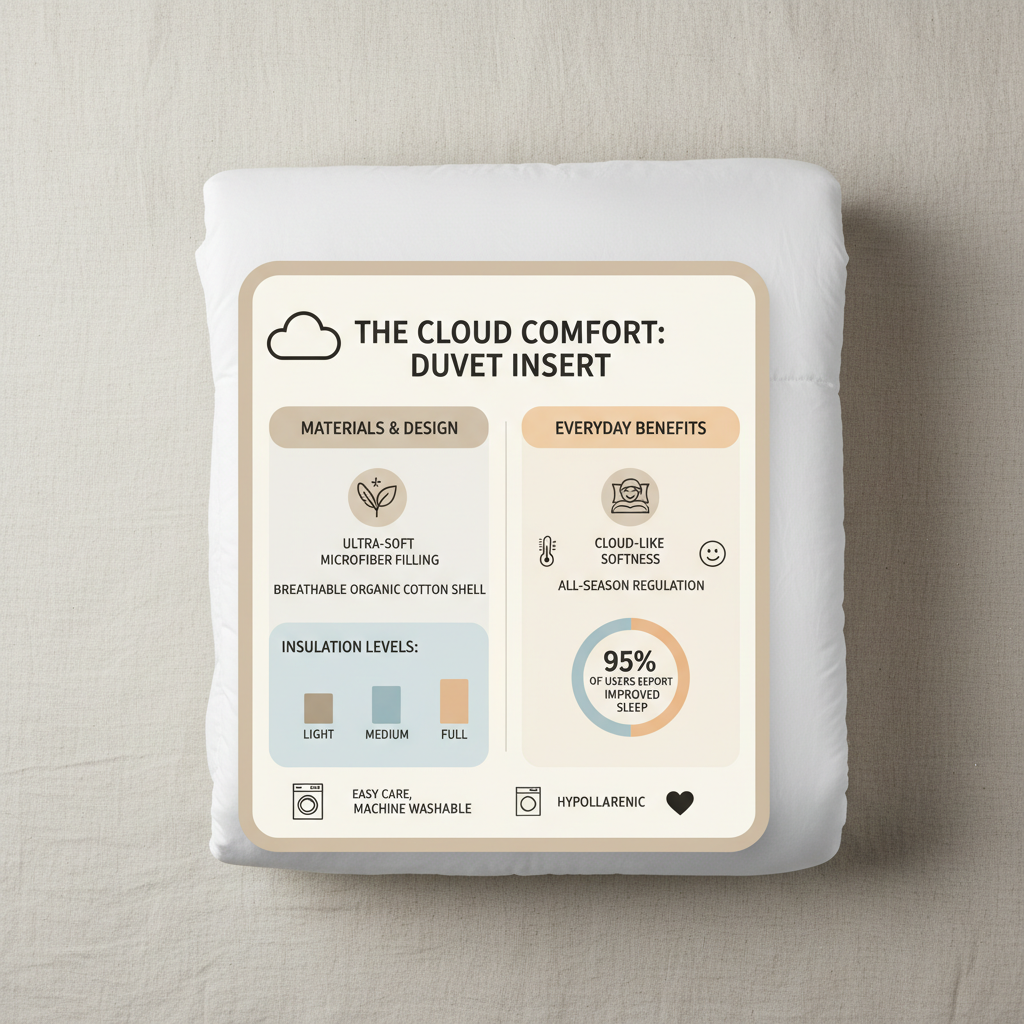
Product Specifications – Longshow Textile Premium Down Duvet
Here are the specifications for our popular premium down duvet insert:
Conclusion: Invest in Your Sleep with a Fluffy Duvet
Choosing the right fluffy duvet insert is an investment in your sleep quality and overall well-being. Consider the fill material, tog rating, and care instructions to find the perfect duvet for your needs. Longshow Textile offers a wide selection of high-quality duvets designed to provide unparalleled comfort and warmth. Sweet dreams!
Frequently Asked Questions (FAQs)
What’s the difference between down and feather duvet inserts?
Down, sourced from the underbelly of ducks or geese, is significantly warmer and lighter than feather. It has a superior fill power, meaning it traps more air and provides better insulation. Feather, typically from the outer plumage of birds, is less expensive but heavier and doesn’t offer the same level of warmth. A blend of down and feather can offer a balance of comfort and affordability. Consider your climate and budget when choosing between the two.
Are synthetic duvet inserts hypoallergenic?
Synthetic duvet inserts, typically made from polyester, are often marketed as hypoallergenic because they don't contain the proteins that can trigger allergies in some individuals. However, it’s important to note that dust mites can still accumulate in synthetic fills. Regular washing and a duvet cover can help minimize allergen exposure. For individuals with severe allergies, a silk duvet insert is often the best choice, as silk is naturally hypoallergenic and resistant to dust mites.
How often should I replace my duvet insert?
The lifespan of a duvet insert depends on the quality of the materials and how well it’s cared for. Generally, a down or feather duvet should be replaced every 5-10 years, while a synthetic duvet may need replacing every 2-5 years. Signs that it’s time for a replacement include loss of loft, clumping of fill, and difficulty cleaning. Regular fluffing and proper storage can extend the life of your duvet.
What tog rating should I choose for a four seasons duvet?
A four seasons duvet typically combines two duvets with different tog ratings that can be clipped together or used separately. A common combination is a 4.5 tog (summer) and a 9 tog (spring/autumn). This allows you to adjust the warmth level throughout the year. Alternatively, a single 10.5 tog duvet provides a good balance for year-round use.
Latest news
-
How to Choose and Maintain an Extra Fluffy Duvet Insert for SleepNewsApr.16, 2026
-
How to Choose a Non Toxic Duvet Insert for Better Sleep HealthNewsApr.09, 2026
-
Choosing the Perfect Fluffy Down Alternative Comforter for a Restful Nights SleepNewsApr.07, 2026
-
Choosing the Best Hypoallergenic Duvet Insert for a Comfortable and Healthy SleepNewsApr.04, 2026
-
Choosing the Perfect Light Duvet Insert for a Restful Nights SleepNewsMar.31, 2026
-
Discover the Benefits of an Organic Down Alternative Comforter for Better SleepNewsMar.28, 2026
-
Discover the Perfect Thin Duvet Insert for a Restful Nights SleepNewsMar.26, 2026
 Afrikaans
 Albanian
 Amharic
 Arabic
 Armenian
 Azerbaijani
 Basque
 Belarusian
 Bengali
 Bosnian
 Bulgarian
 Catalan
 Cebuano
 China
China
 Corsican
 Croatian
 Czech
Czech
 Danish
 Dutch
Dutch
 Esperanto
 Estonian
 Finnish
 French
 Frisian
 Galician
 Georgian
 German
 Greek
Greek
 Gujarati
 Haitian Creole
 Hausa
Hausa
 Hawaiian
 Hebrew
 Hindi
Hindi
 Miao
Miao
 Hungarian
 Icelandic
 Igbo
Igbo
 Indonesian
 Irish
Irish
 Italian
 Japanese
 Javanese
 Kannada
 Kazakh
 Khmer
Khmer
 Rwandese
 Korean
 Kurdish
 Kyrgyz
 Lao
Lao
 Latin
Latin
 Latvian
 Lithuanian
 Luxembourgish
 Macedonian
 Malgashi
 Malay
Malay
 Malayalam
 Maltese
 Maori
Maori
 Marathi
 Mongolian
 Myanmar
 Nepali
 Norwegian
 Norwegian
 Occitan
 Pashto
 Persian
 Polish
 Portuguese
 Punjabi
 Romanian
 Russian
 Samoan
 Scottish Gaelic
 Serbian
 Sesotho
 Shona
Shona
 Sindhi
 Sinhala
 Slovak
 Slovenian
 Somali
 Spanish
 Sundanese
 Swahili
 Swedish
 Tagalog
 Tajik
Tajik
 Tamil
Tamil
 Tatar
Tatar
 Telugu
 Thai
Thai
 Turkish
 Turkmen
 Ukrainian
 Urdu
Urdu
 Uighur
 Uzbek
Uzbek
 Vietnamese
 Welsh
Welsh
 Bantu
Bantu
 Yiddish
 Yoruba
 Zulu
Zulu
 English